
Bonding & Adhesives
106 products





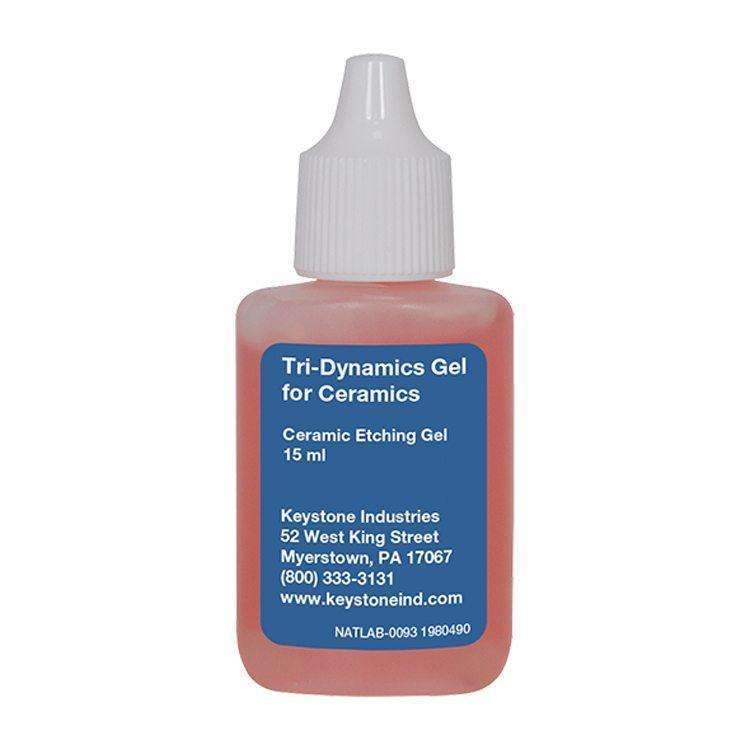


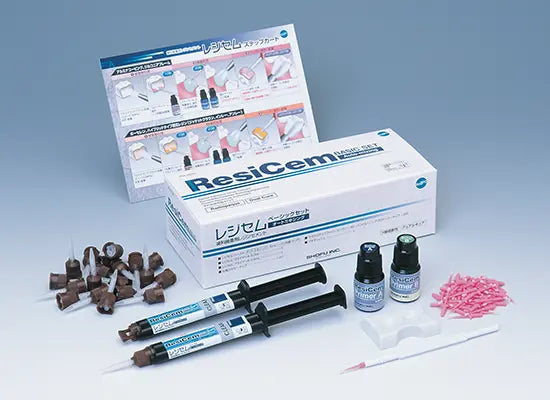
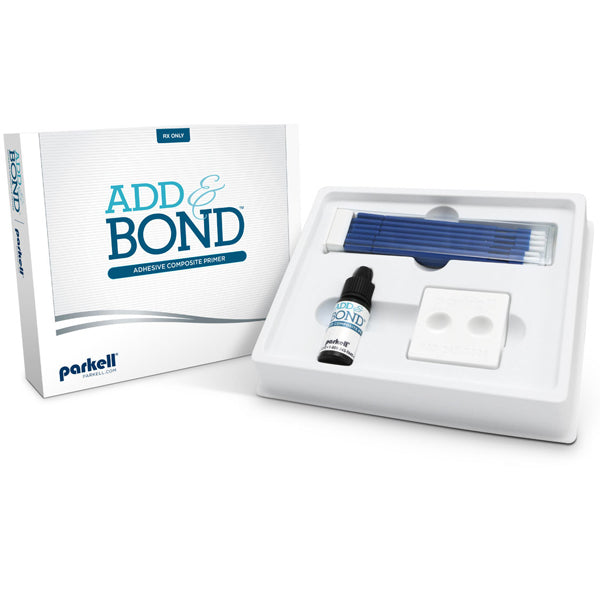

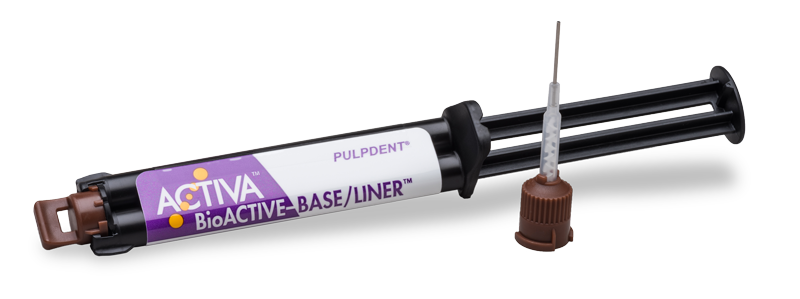

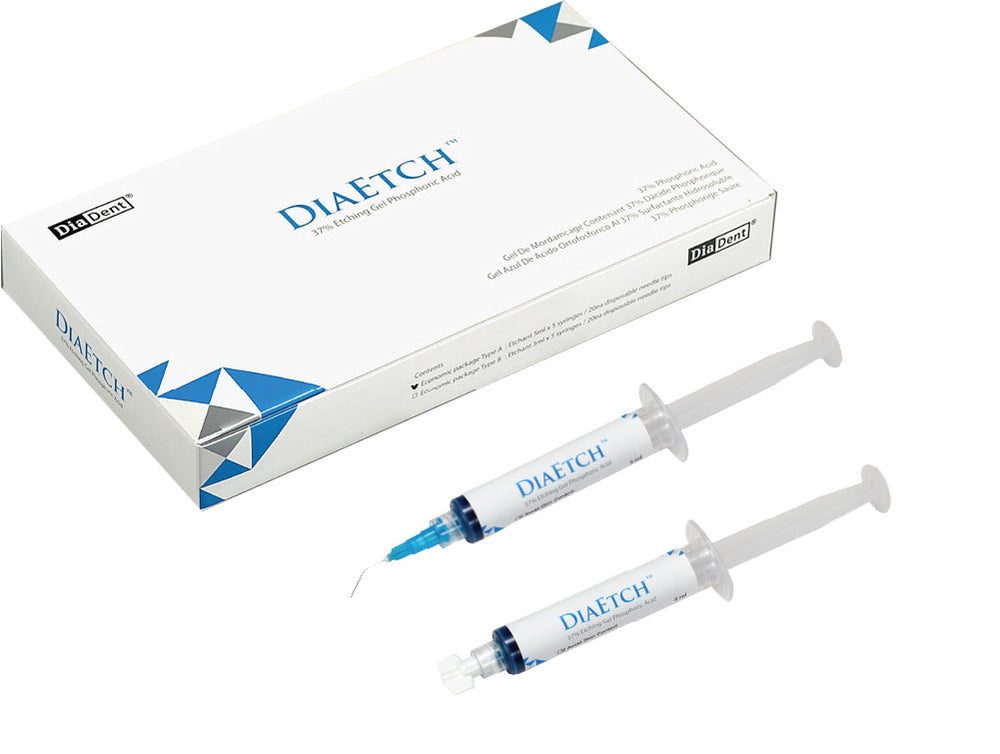


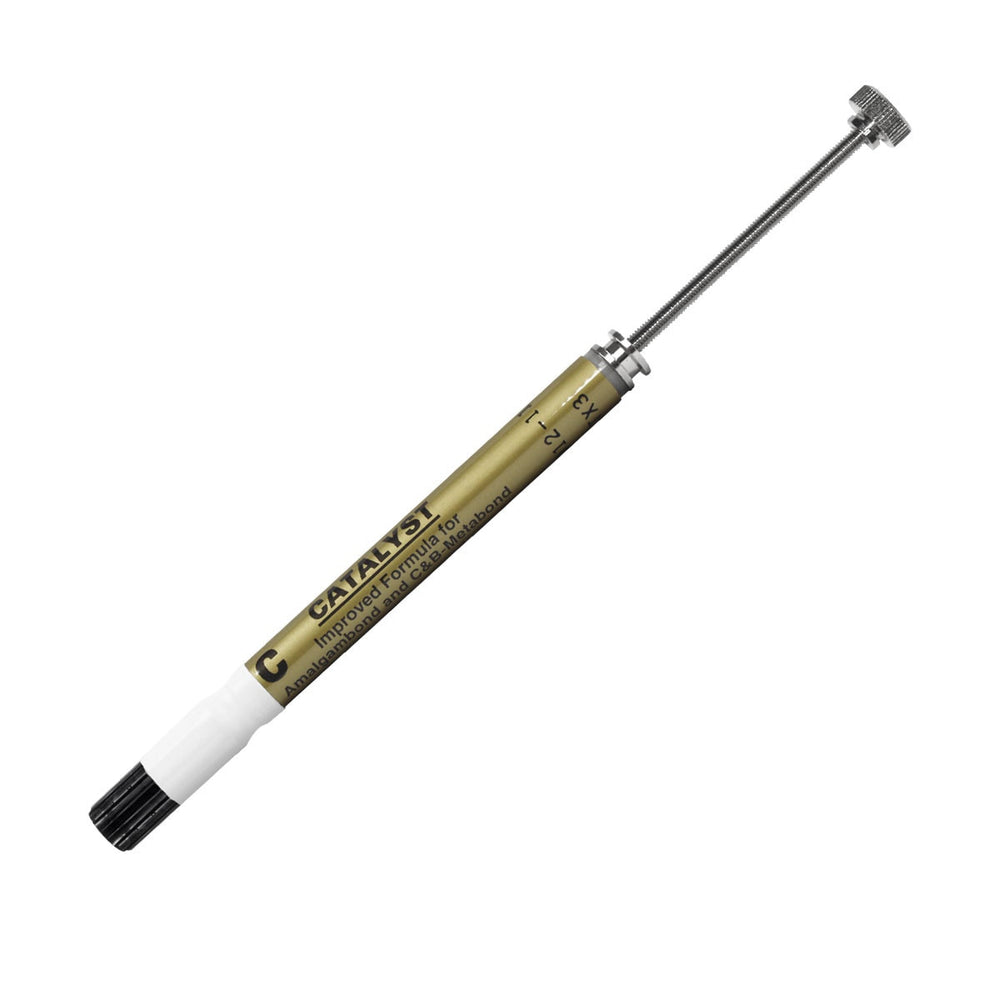


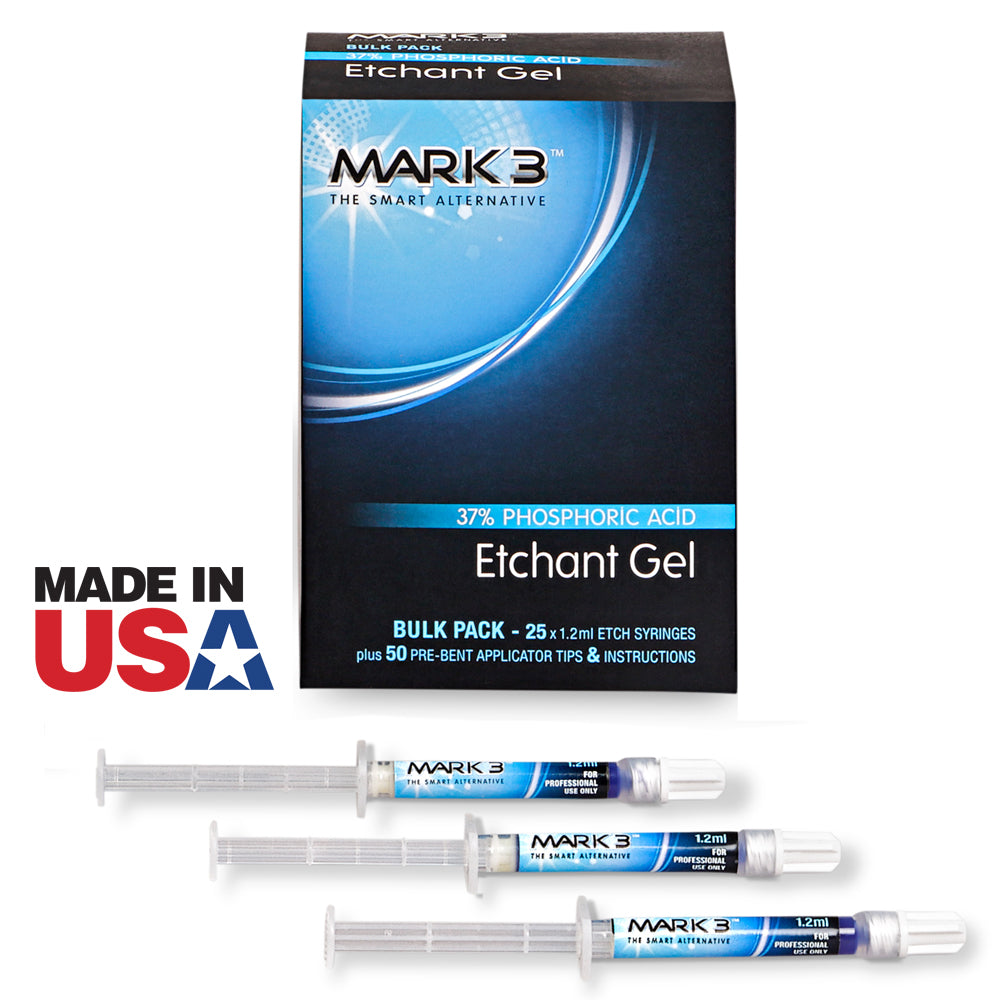
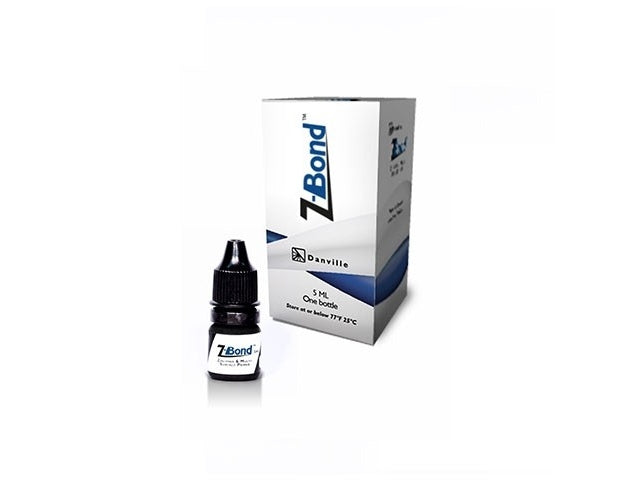


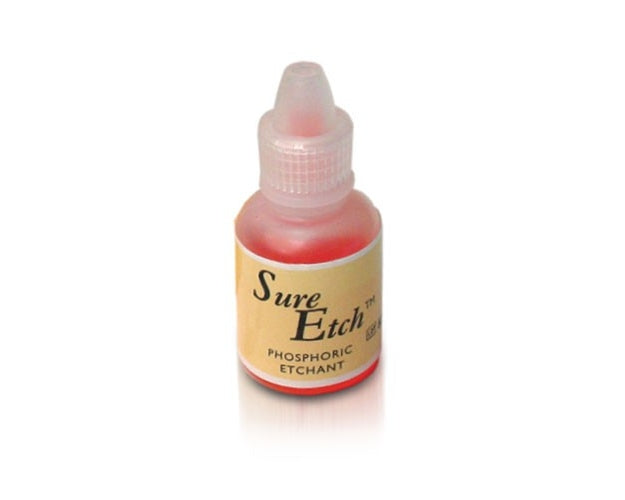


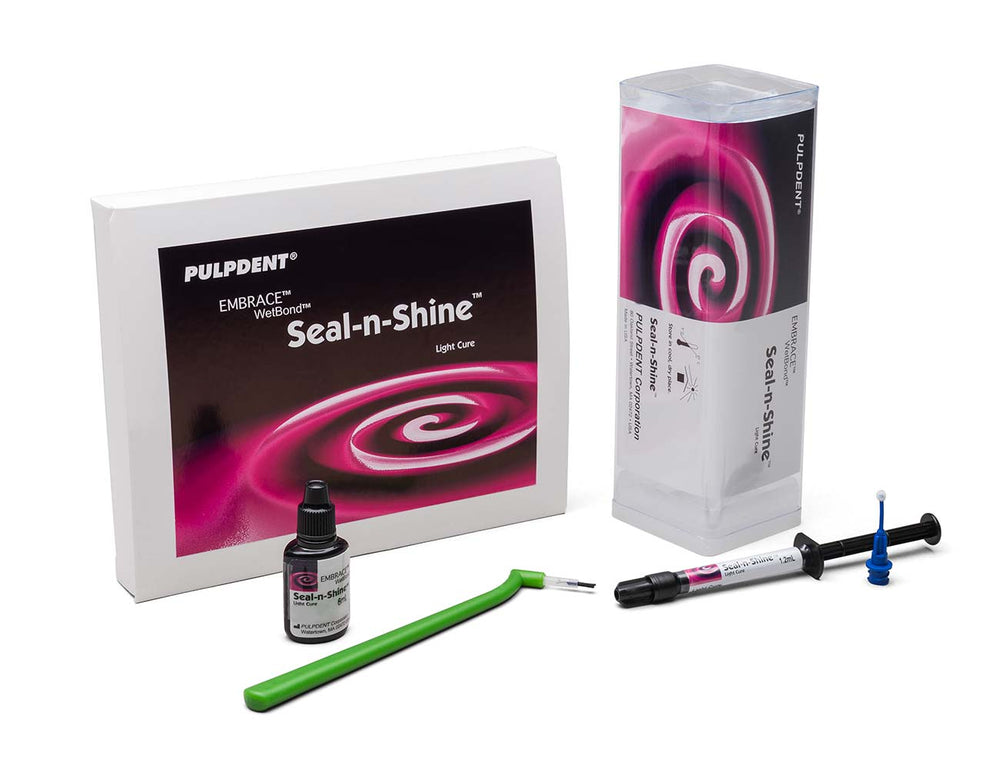



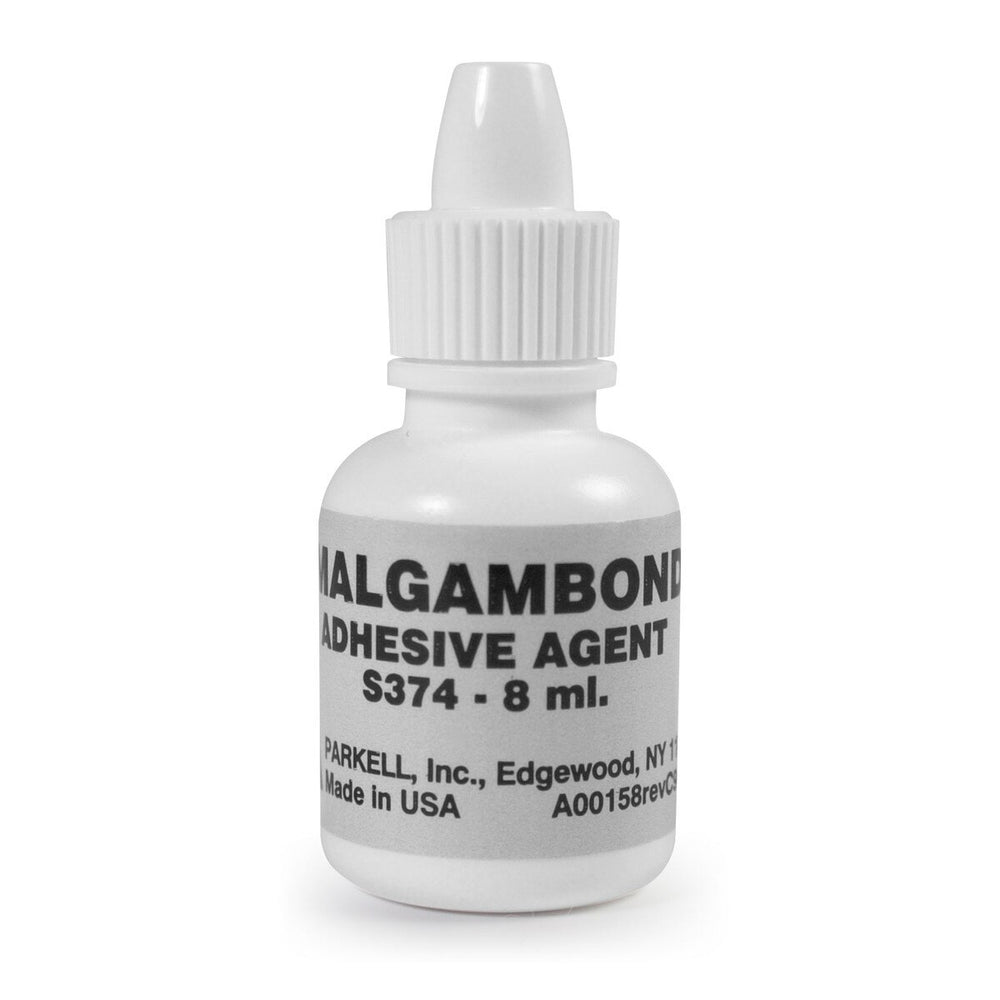
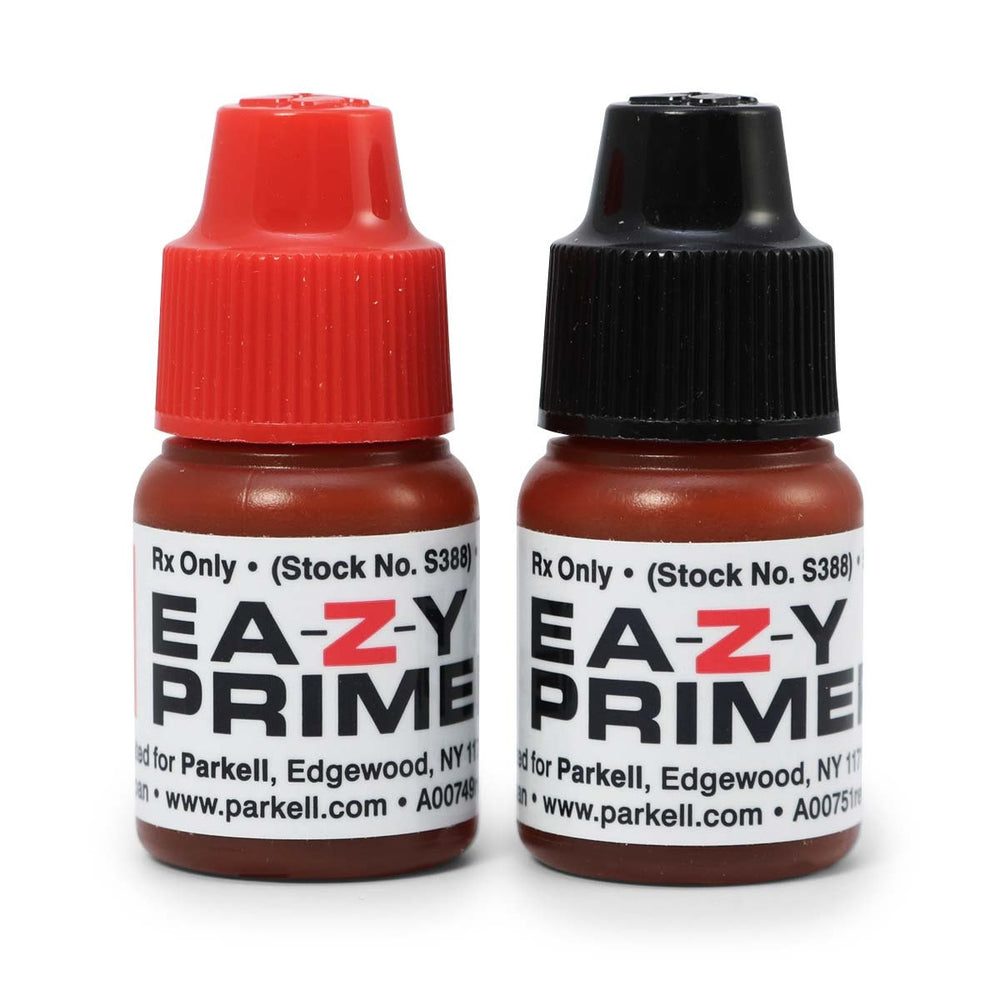



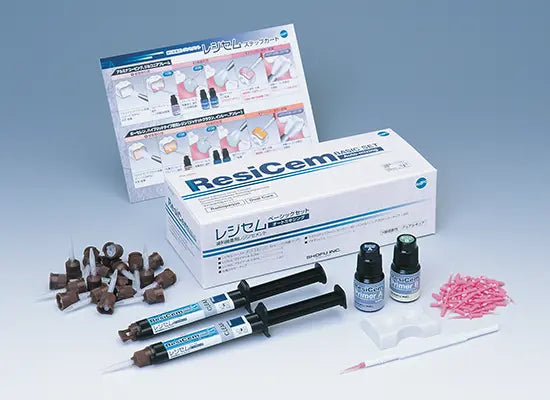
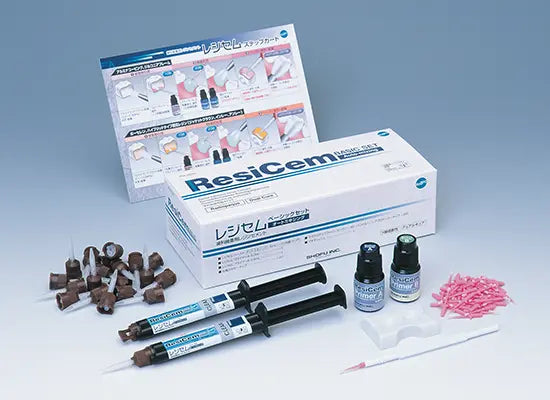


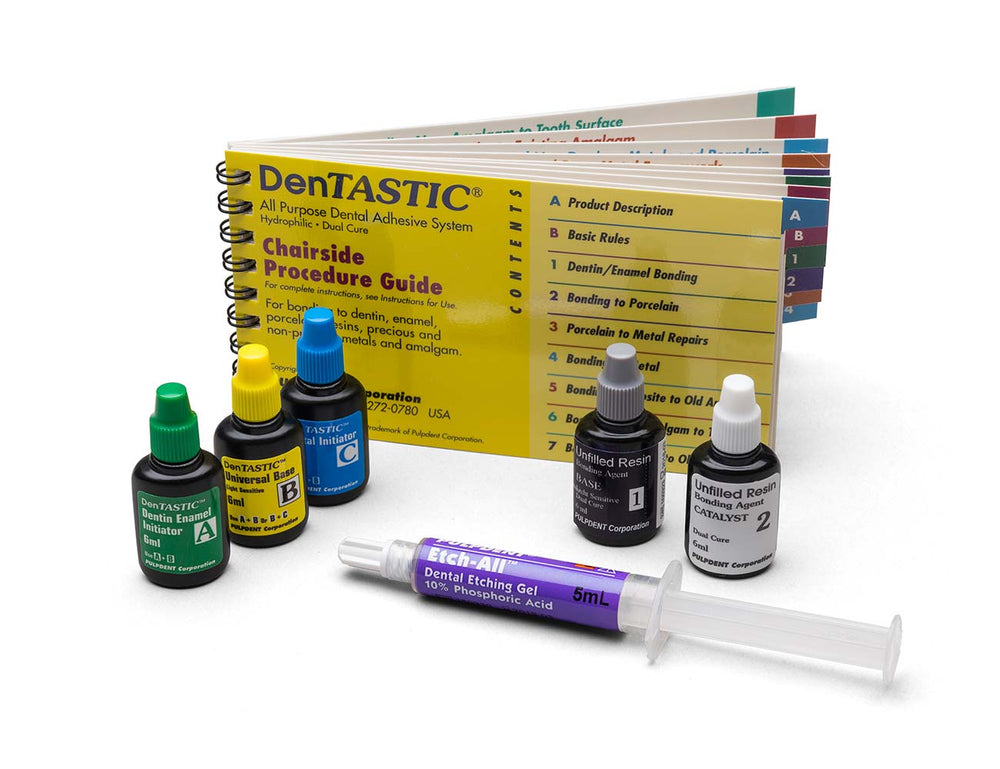

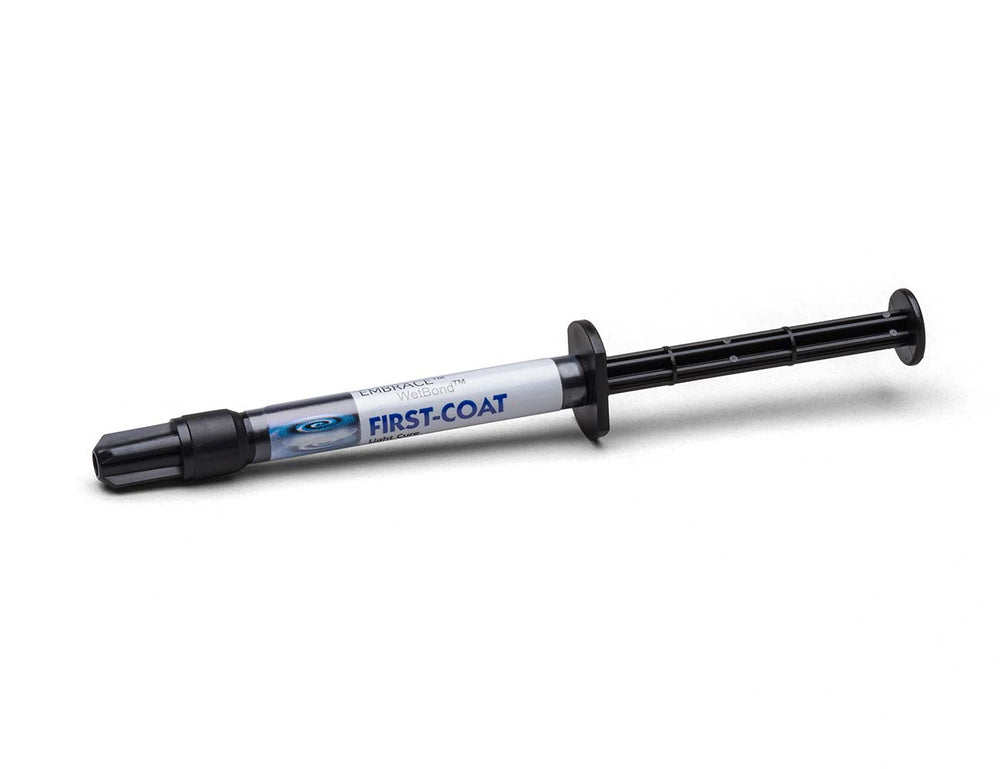
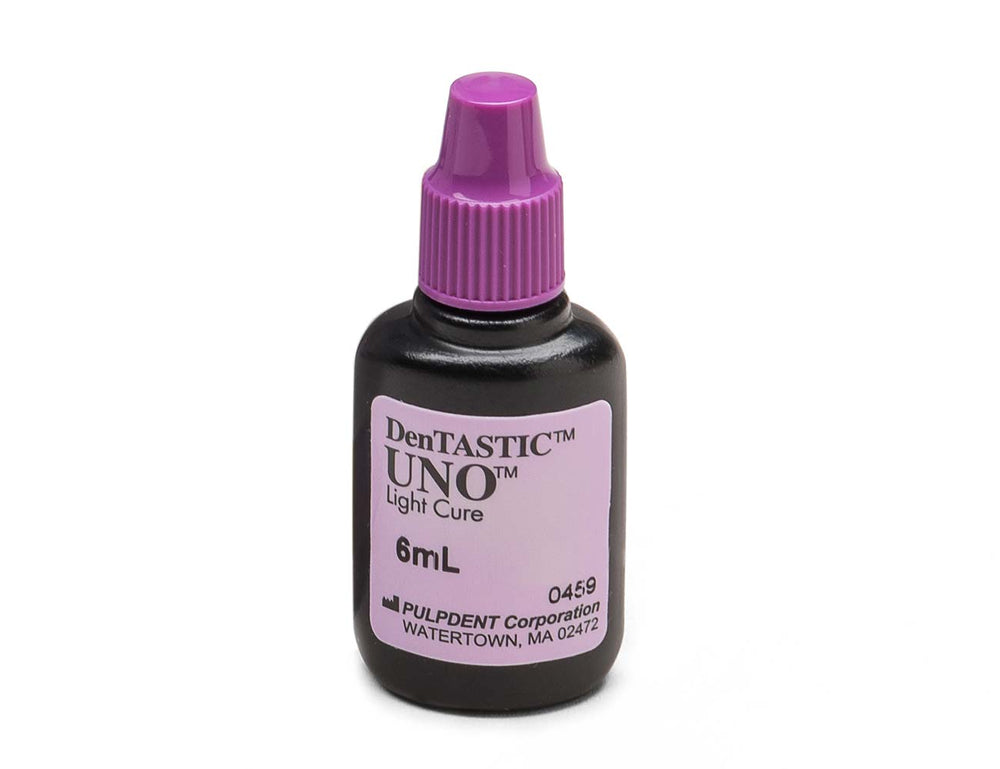
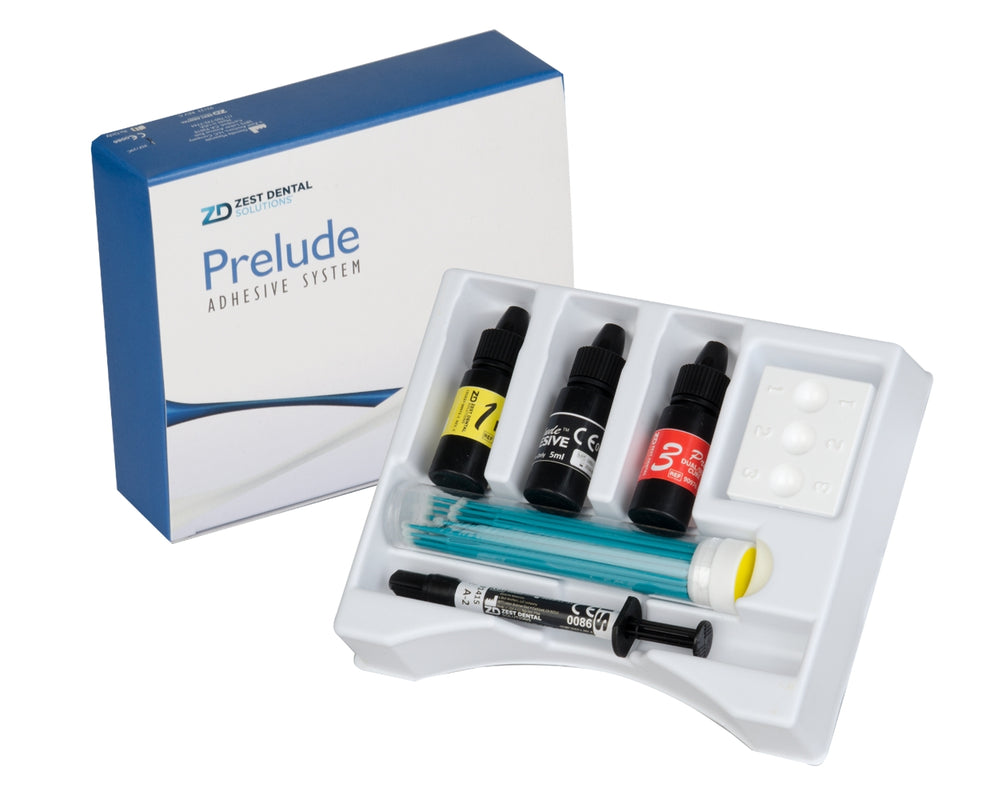
A dental bonding agent is chosen by etch mode before brand. This shelf carries about 110 listings across universal adhesives, self-etch and total-etch adhesives, etching agents, ceramic primers and silanes and the accessories that apply them, from Pulpdent, Parkell, Zest Dental Solutions, Pac-Dent, Dentonics, Shofu Dental Corp, Directa and Veratiq Dental.
Total-etch means phosphoric acid on enamel and dentin, rinsed, followed by primer and adhesive; it gives the strongest enamel bond and is the most technique-sensitive on dentin. A self-etch bonding agent uses acidic monomers that condition and prime in one step without rinsing, which reduces post-operative sensitivity and steps but etches enamel less aggressively. A universal adhesive dental clinicians can run in any of the three modes, including selective enamel etch, is the reason single-bottle systems took over: one bottle covers direct restorations, and with the matching activator or primer it also covers indirect cementation.
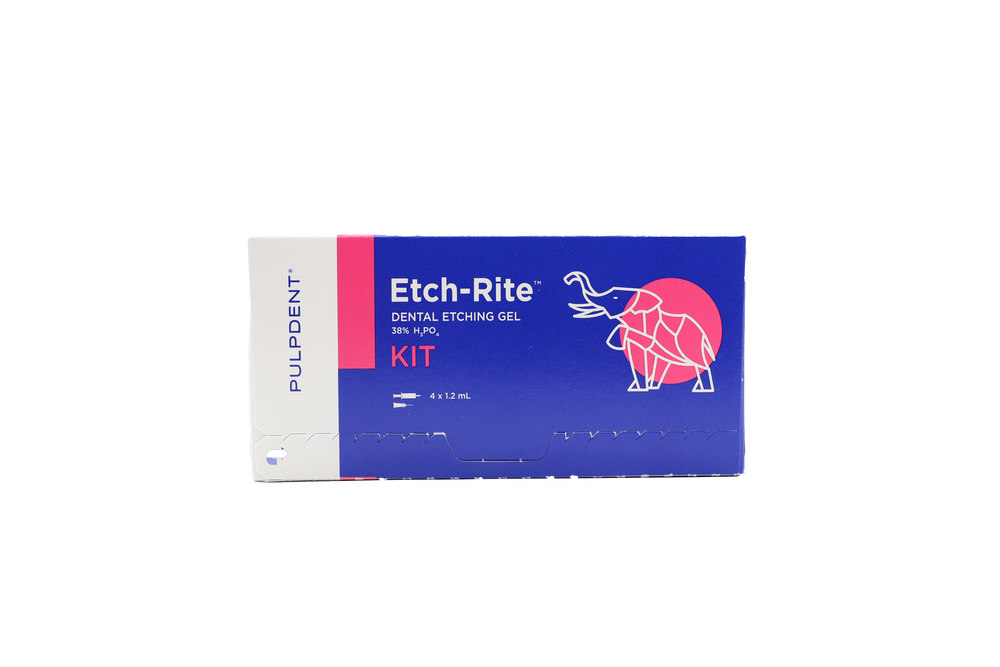
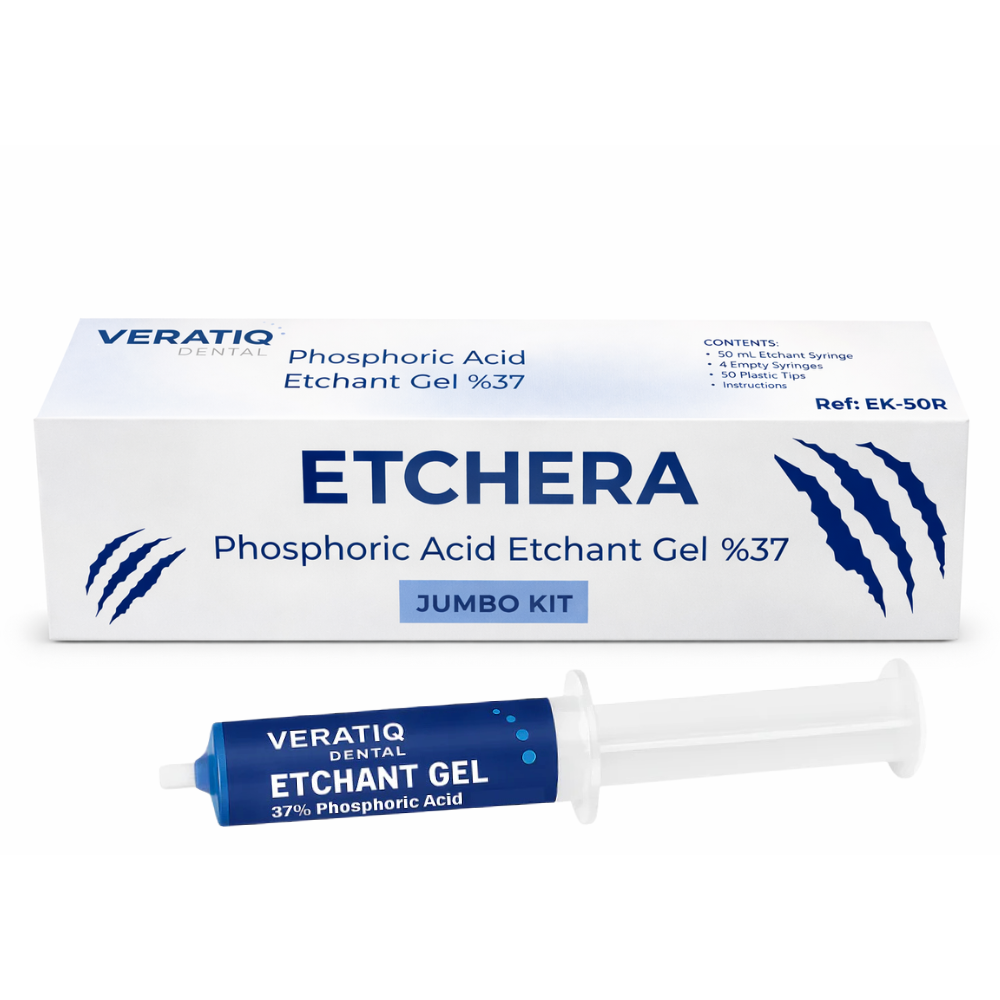
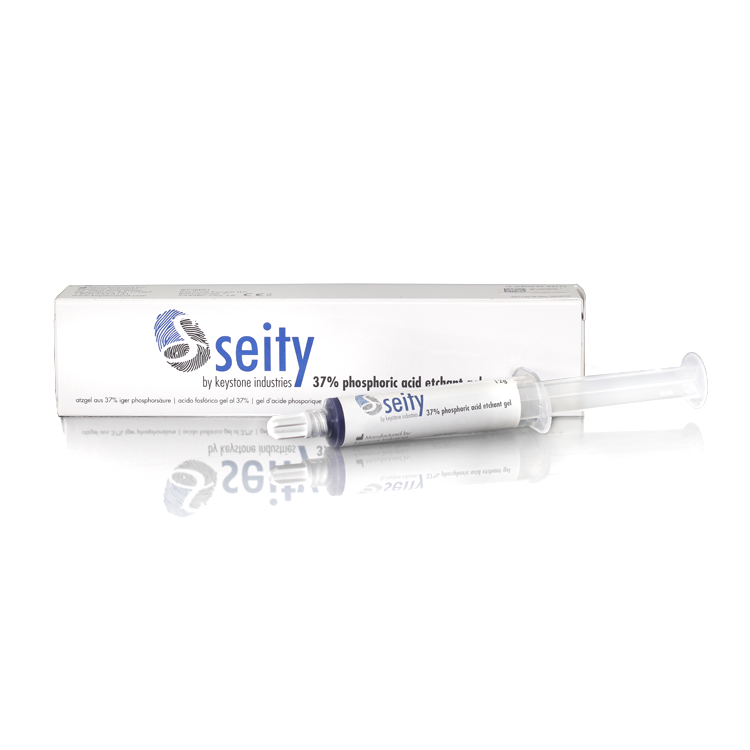
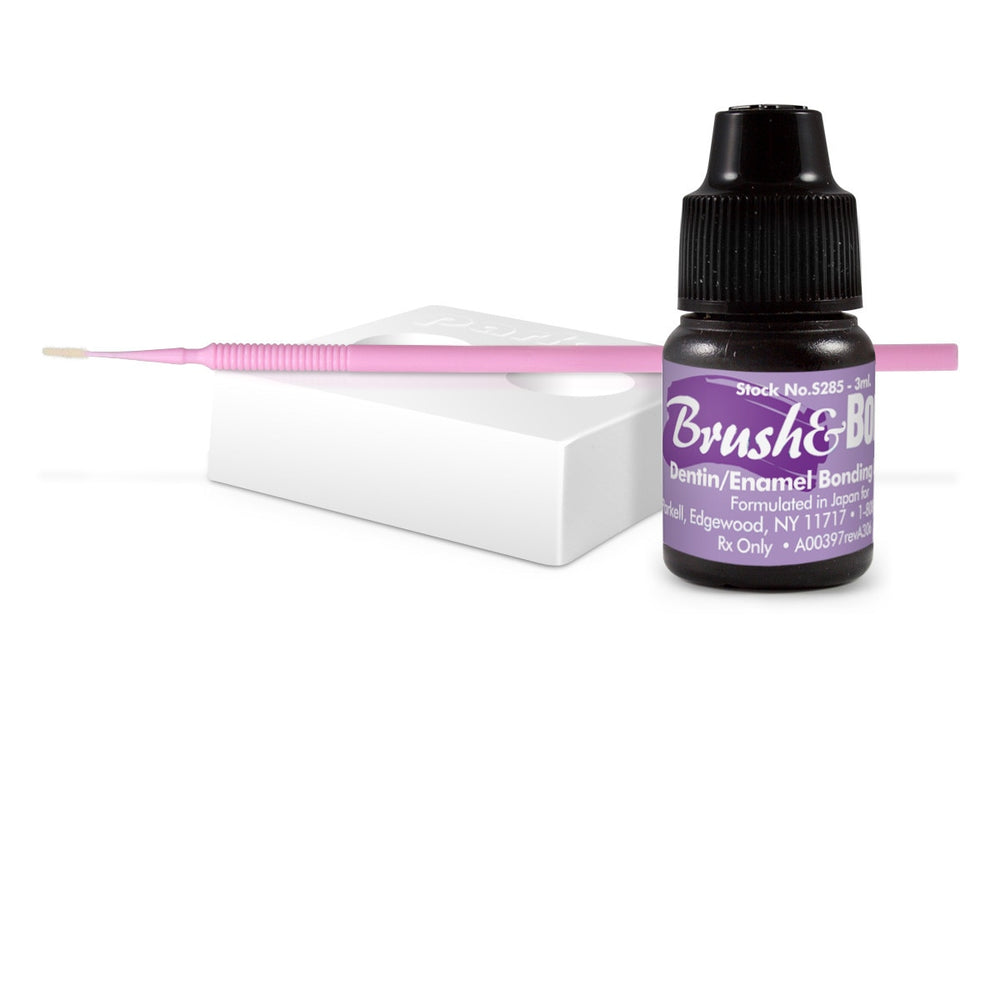
The shelf includes Shofu Beautibond Xtreme light-cure adhesive in unit dose, Parkell SEcure self-etch primer, Brush&Bond MAX, Add&Bond and TotalBond MTL V-Primer, Dentonics Ultimate SE Bond, FGM Ambar Universal APS, Pulpdent Etch-All and Veratiq Etchera 37 percent phosphoric acid etchant gel.
How to choose
- Decide your etch mode first: total-etch, self-etch or selective enamel etch, then choose an adhesive that supports it.
- Check cure chemistry against what you bond. A light-cure-only adhesive under a dual or self-cure core needs the manufacturer's activator.
- For indirect work, buy the matching silane or ceramic primer rather than assuming the universal adhesive alone will bond to the intaglio.
- Choose unit dose for cross-contamination control and consistent film thickness, and bottles for volume and cost per application.
- Match the etchant viscosity and concentration to your technique; a stiffer gel stays on the enamel margin instead of running onto the dentin.
- Watch shelf life and storage. Adhesives are solvent-based, degrade once opened and are worth buying in a size you will finish.
Frequently asked questions
What is the difference between a self-etch and a total-etch bonding agent?
Total-etch uses phosphoric acid on enamel and dentin, which is rinsed off before priming; it gives the best enamel bond but risks over-drying or over-wetting dentin. A self-etch bonding agent uses acidic monomers that condition and prime without rinsing, reducing sensitivity and steps at the cost of a weaker etch on uncut enamel.
What does universal adhesive mean?
That one bottle can be used in total-etch, self-etch or selective-etch mode and generally bonds to enamel, dentin and several indirect substrates. It usually contains a phosphate monomer for chemical adhesion to zirconia and metals, which is why universal adhesive dental workflows can cover both direct and indirect cases.
Which single-bottle universal adhesive should a practice standardize on?
Pick by etch mode and delivery first. A universal adhesive dental teams use for both direct and indirect work should tolerate self-etch, selective-etch and total-etch protocols; unit-dose formats such as Shofu Beautibond Xtreme suit single-visit use, while bottles such as FGM Ambar Universal APS, Parkell SEcure and Dentonics Ultimate SE Bond cost less per application in high-volume operatories.
Do I still need a separate etchant with a universal adhesive?
Only if you etch. Most clinicians use selective enamel etch, placing phosphoric acid gel on enamel margins for the recommended time, rinsing, and then applying the universal adhesive in self-etch mode to dentin. That keeps the enamel bond strong while avoiding the dentin problems of full total-etch.
How are adhesives shipped and stored?
Bottles and unit doses ship in their light-protective packaging from Northern Virginia, and in-stock items ordered by 3 PM ET go out the same day. Store adhesives closed and cool, follow any refrigeration instruction on the label, and let a refrigerated bottle reach room temperature before use.