
Irrigation
111 products
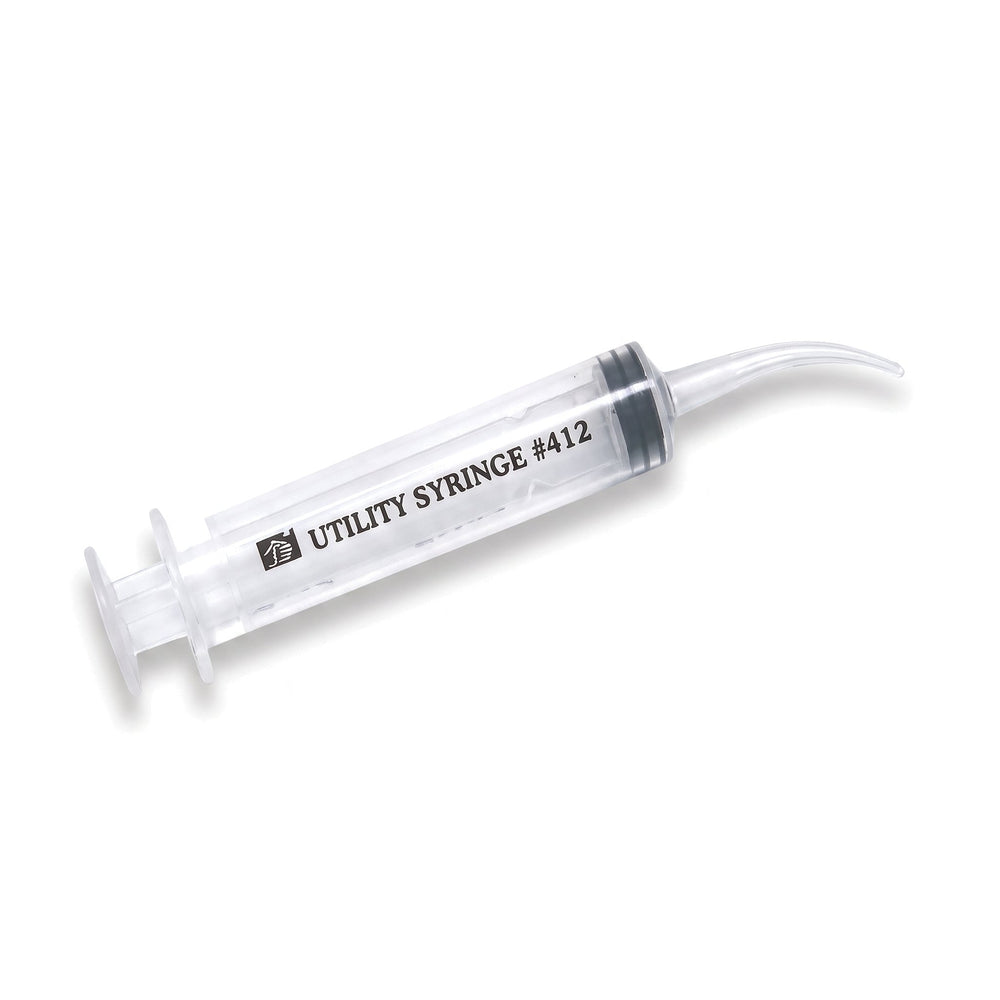


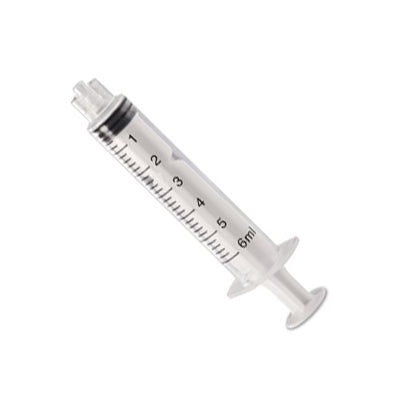

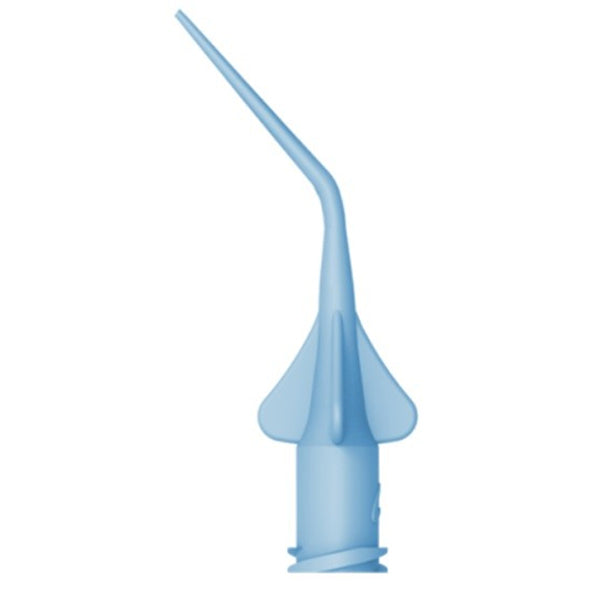
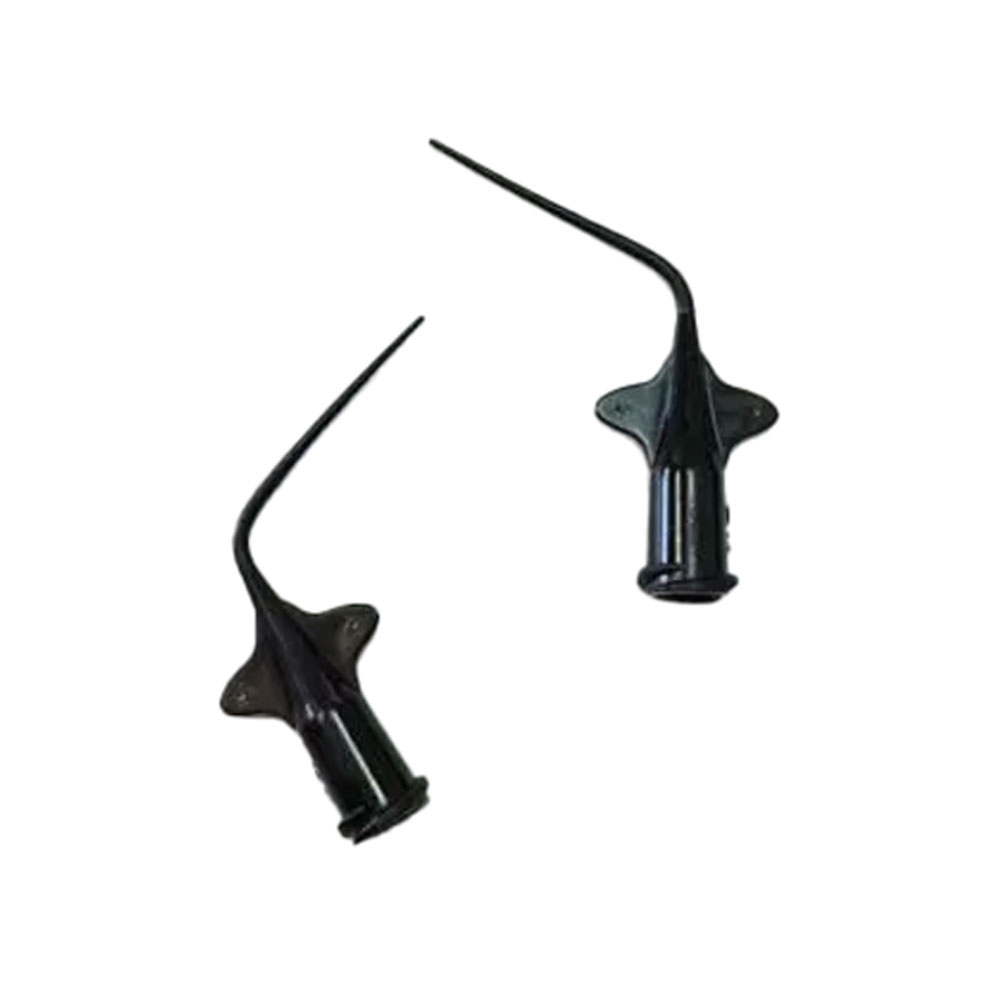
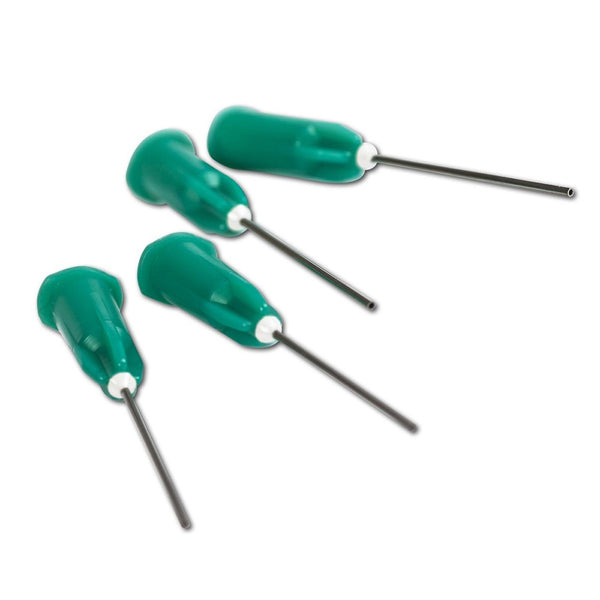


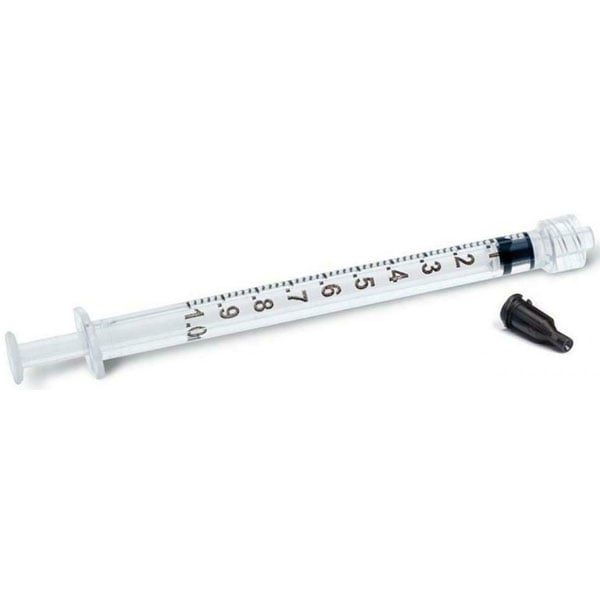

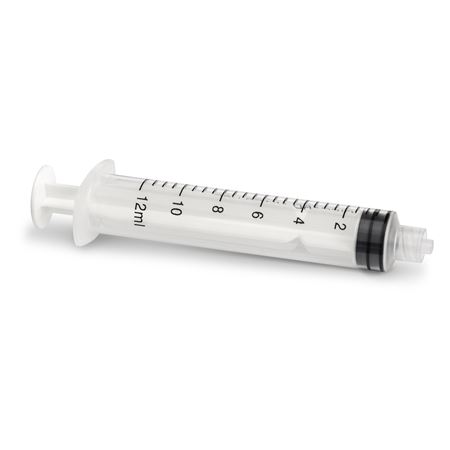

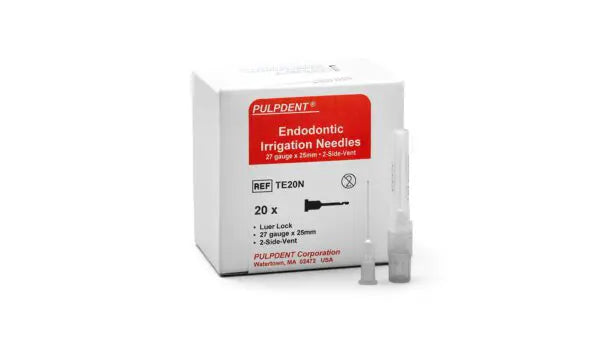





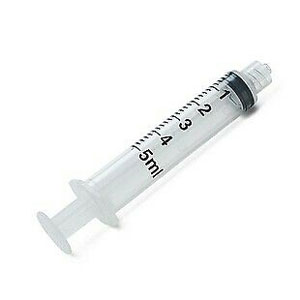


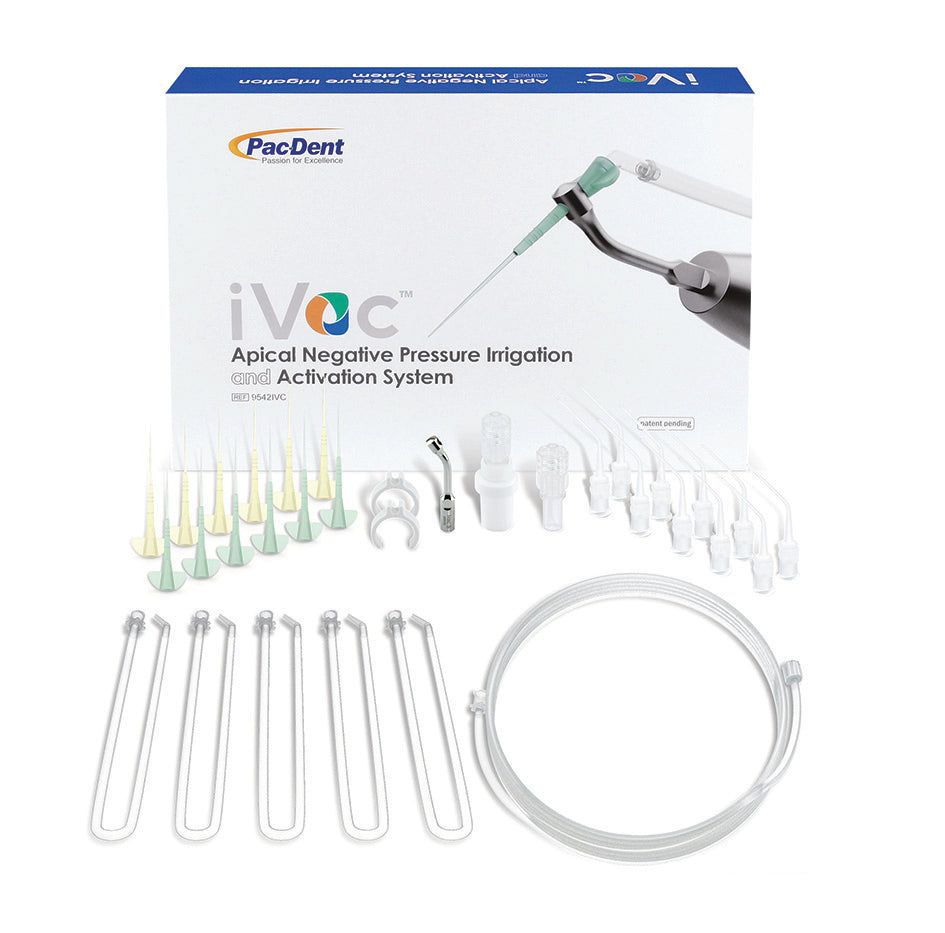


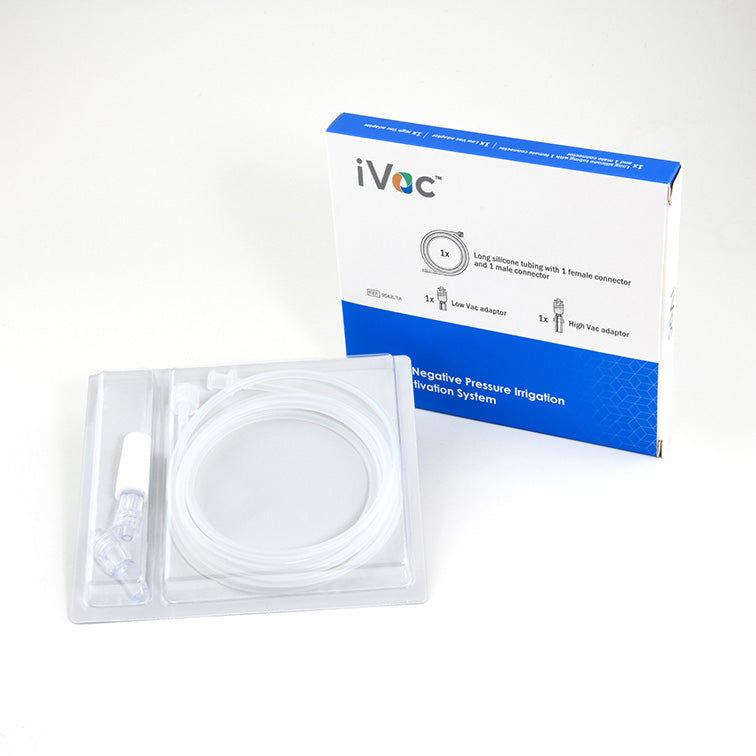

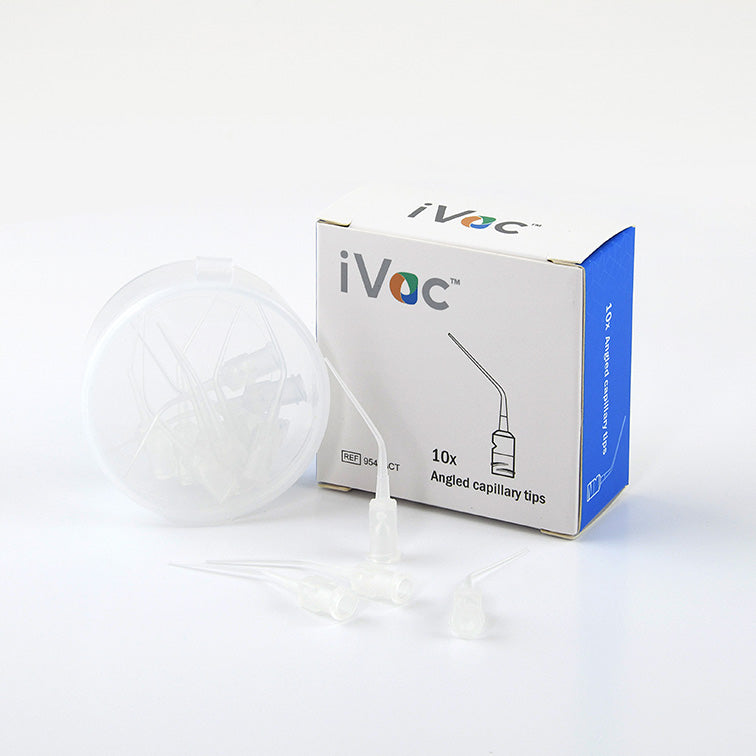




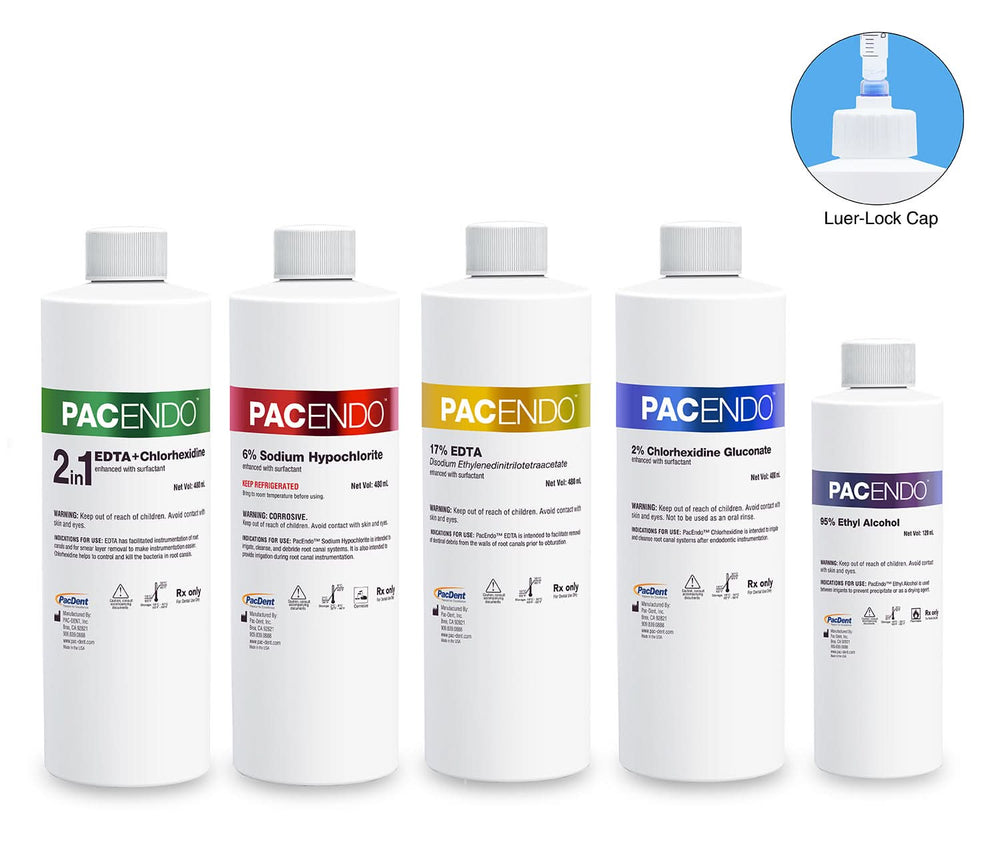
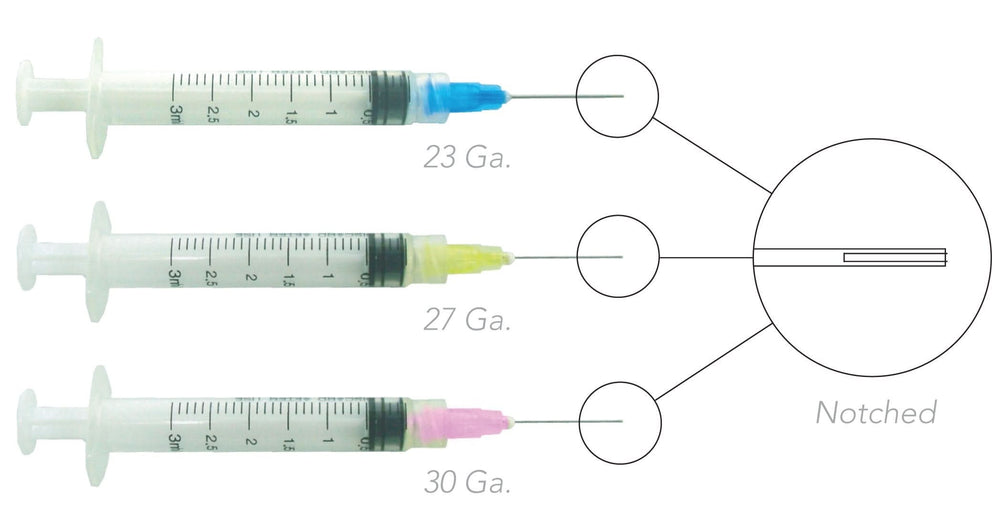


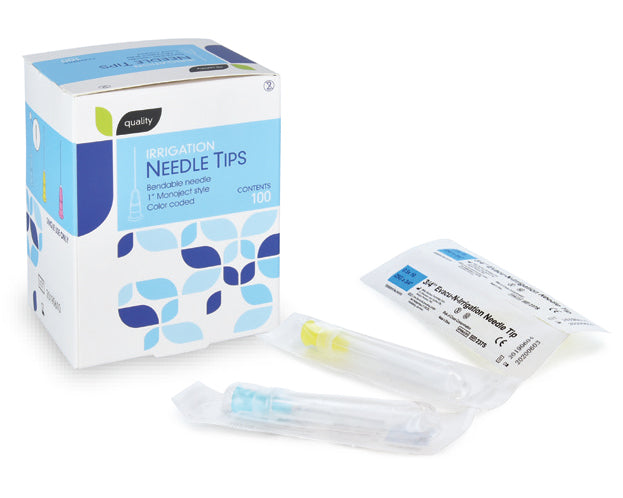

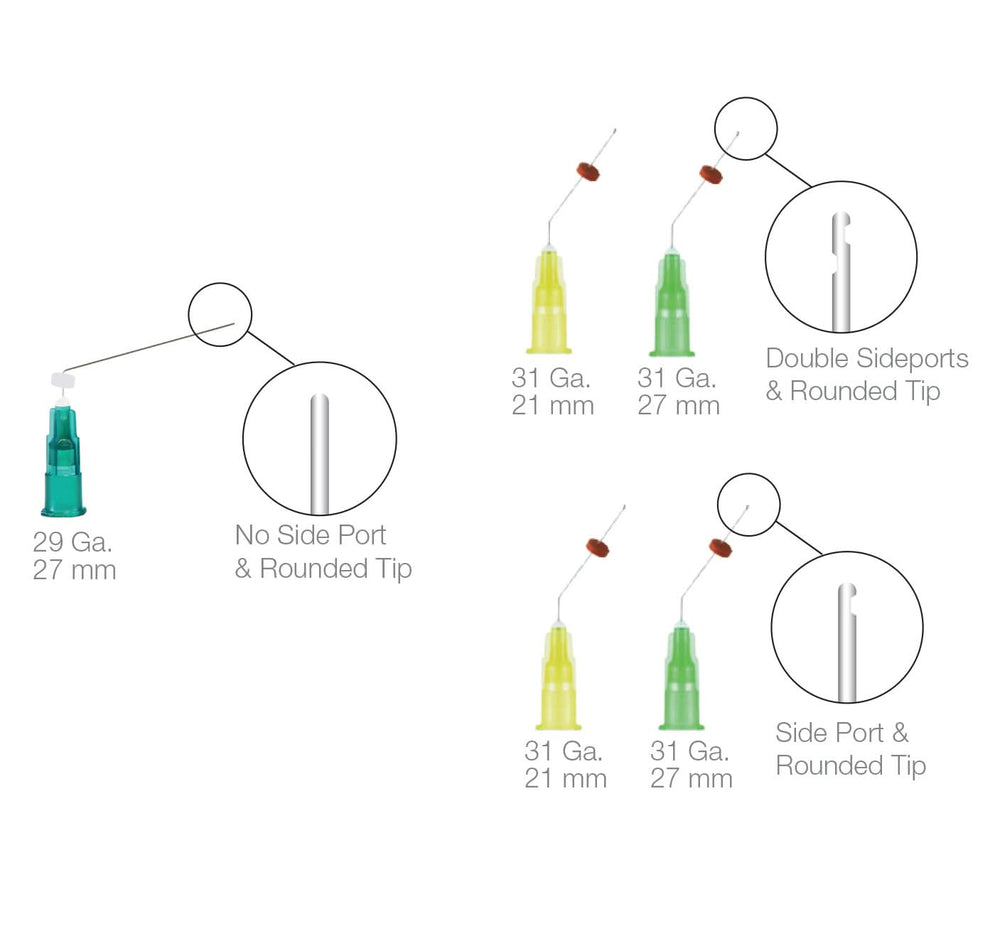

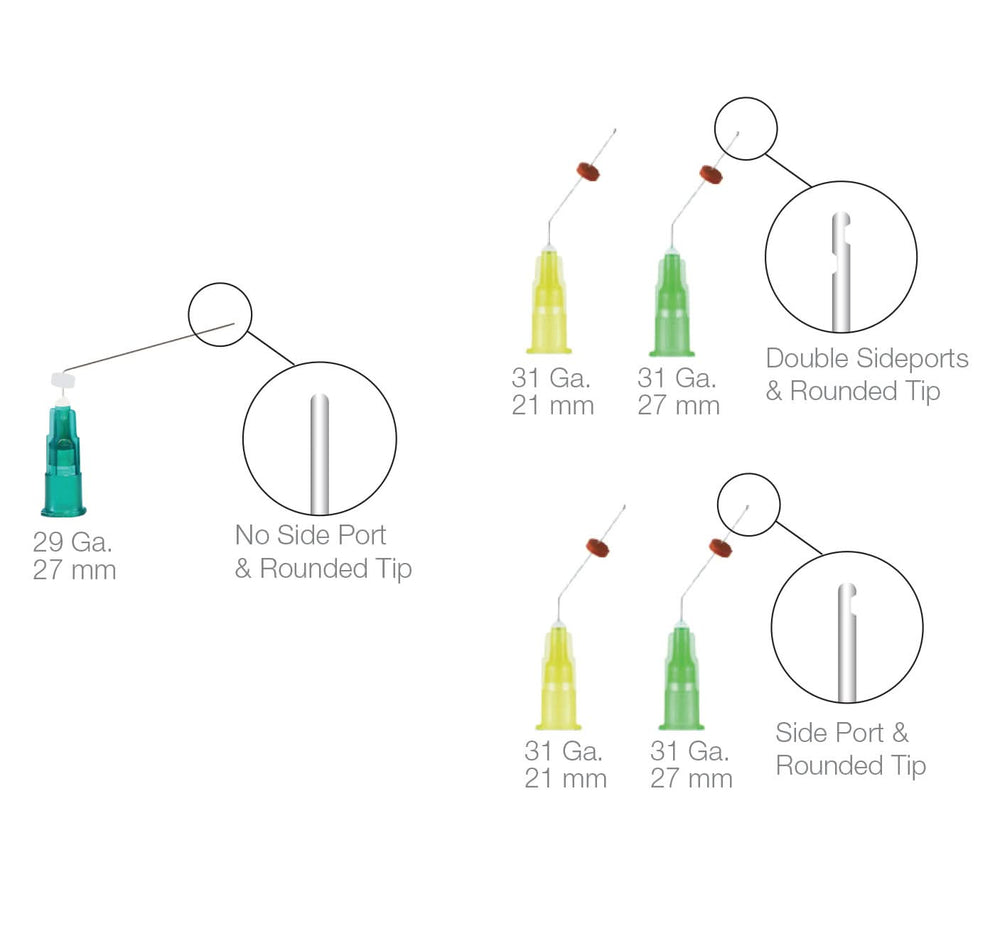


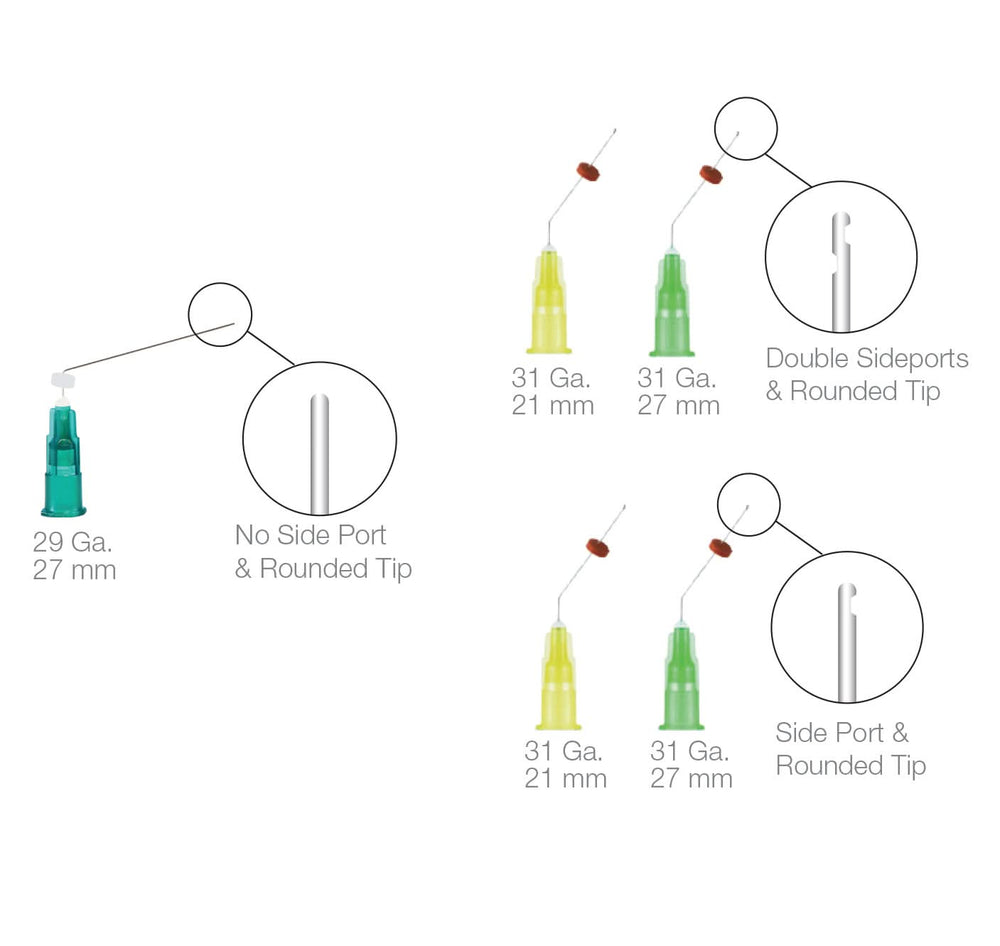

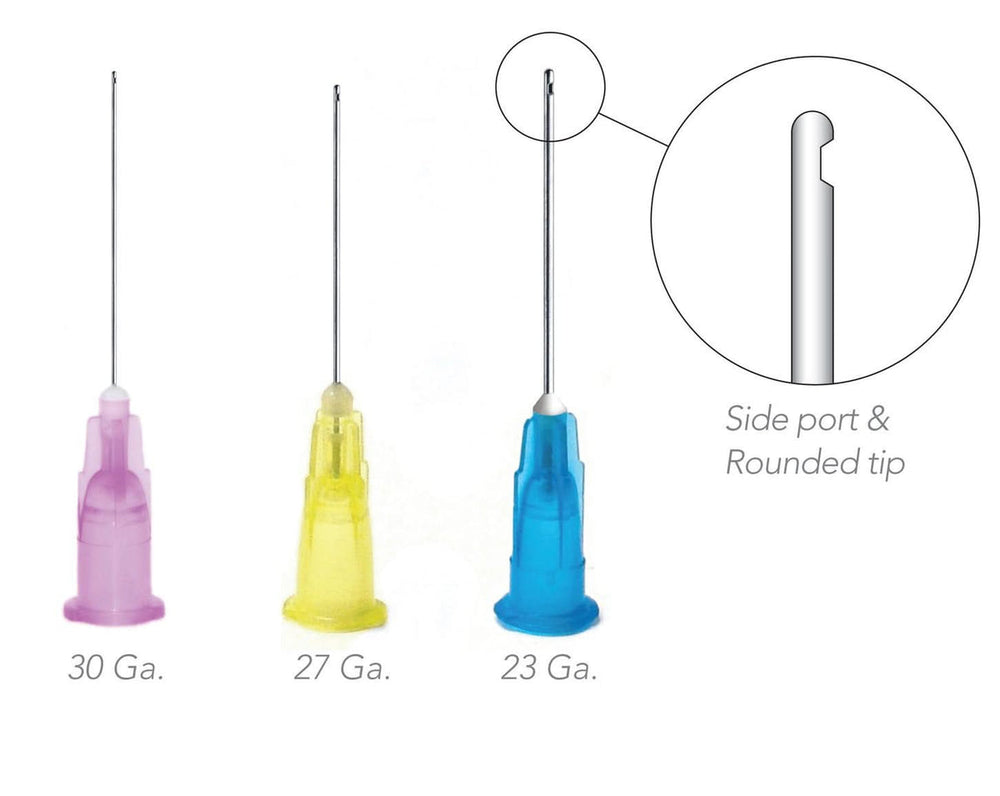


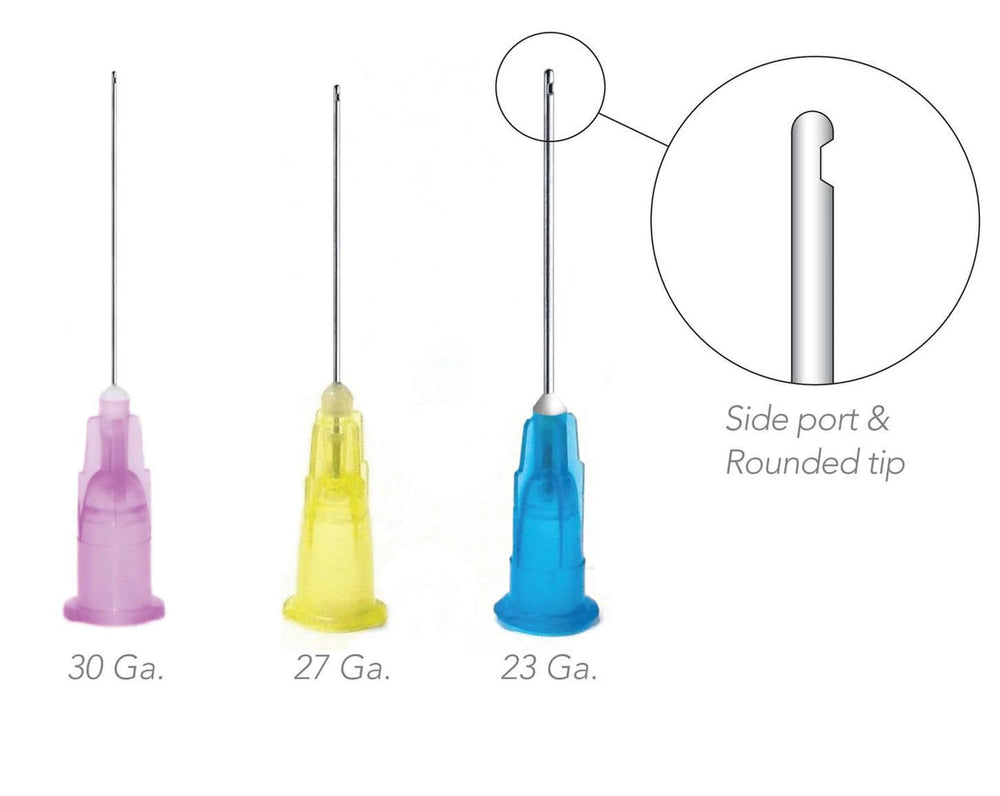
Irrigation is what actually disinfects a root canal; files only shape the space that lets the irrigant reach. This shelf covers the delivery side of that step: the endodontic irrigation syringe, endodontic irrigation needles and tips, irrigating devices and irrigation solutions. Luer-lock syringes are the standard because a slip fit can release under the pressure needed to move a viscous irrigant, and barrel size controls feel. A 3 cc syringe gives the most tactile control and least force at the apex, while 6 cc and 12 cc barrels mean fewer refills during long cases.
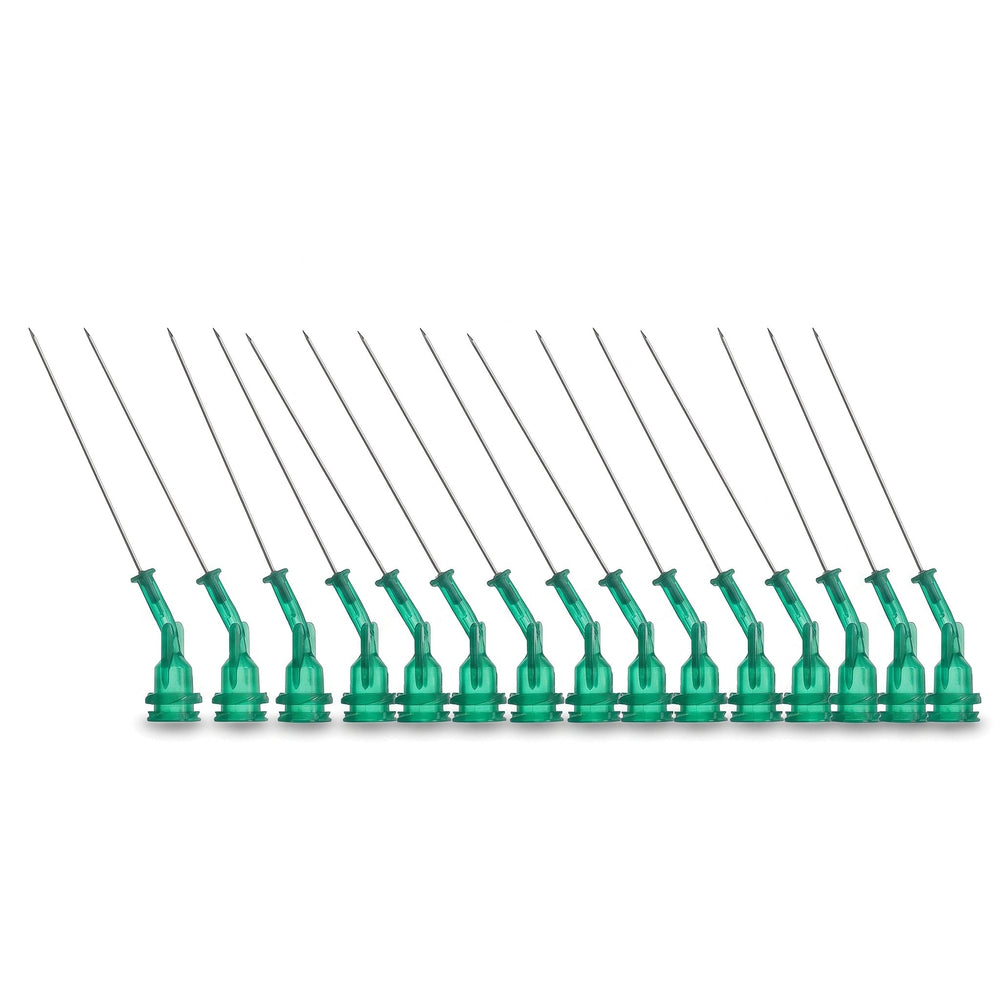
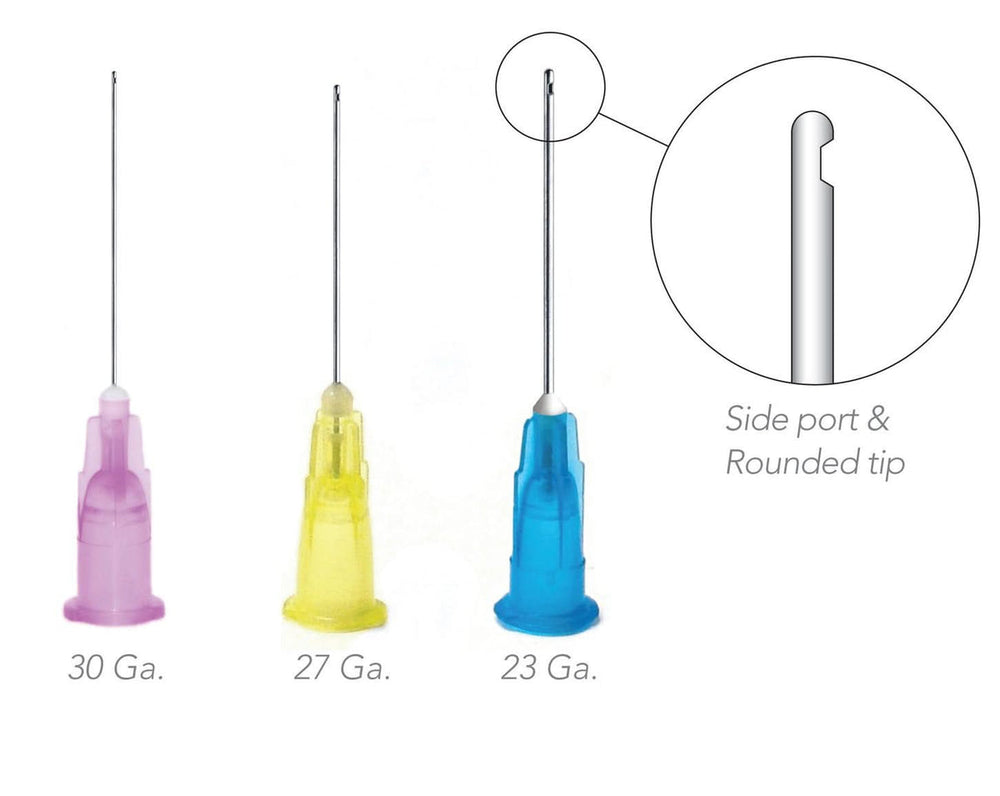
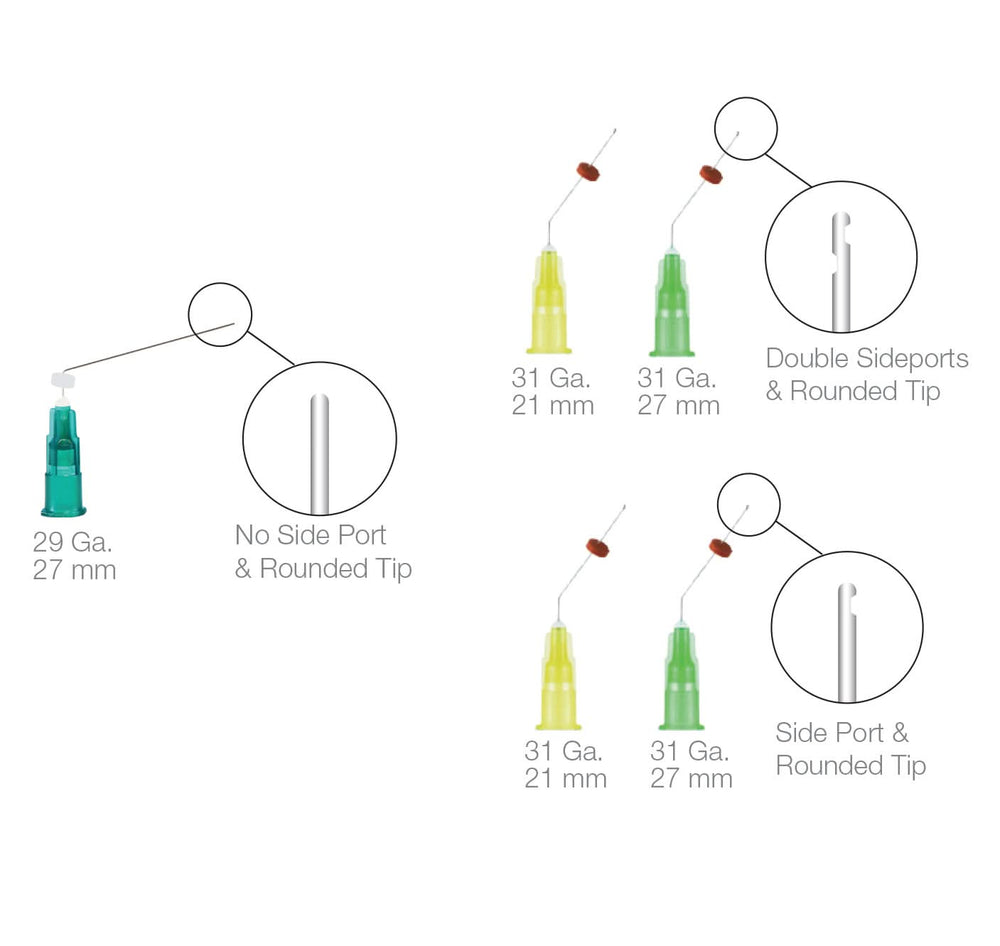
Needle design matters more than gauge alone. Side-vented and half-cutting tips direct flow laterally rather than straight out of the end, which keeps irrigant from being expressed beyond the apex, and finer gauges such as 27 G and 30 G reach closer to working length in narrow canals while 23 G and 25 G flow faster in wider ones. Pre-bent plastic needle tips are used for placing irrigant, etchant and other solutions where a rigid metal cannula will not sit comfortably.
Stocked lines include RMH3 Dental Supply luer-lock endo irrigation syringes in 3 cc and 6 cc packed 100 per bag, endo irrigation kits in 23 G and 30 G with half-cutting tips packed 100 per box, sterile 1 mL and 5 mL luer-lock syringes, Cargus MARK3 12 cc syringes, plus Pac-Dent, Pulpdent, DiaDent, Directa, Angelus and Dharma items.
How to choose
- Syringe size: 3 cc for maximum control near the apex, 6 cc and 12 cc when you want fewer refills during longer cases.
- Fitting: luer-lock throughout, so the needle cannot release under pressure mid-case.
- Needle gauge: 27 G and 30 G to reach deeper in narrow canals, 23 G and 25 G for faster flow in wider canals and for coronal flushing.
- Tip design: side-vented or half-cutting tips to direct flow laterally and reduce apical extrusion; end-vented tips only where that risk is controlled.
- Sterility: sterile single-use syringes where the protocol calls for it, non-sterile bulk packs for solutions handled outside the canal.
- Pack size: 100-count bags and boxes for routine endodontic volume, small packs for occasional or specialty solutions.
Frequently asked questions
What size irrigation syringe is best for endodontics?
A 3 cc luer-lock syringe is the usual chairside choice because it gives fine control and generates less pressure at the apex than a large barrel. Larger 6 cc and 12 cc syringes reduce refills during long or multi-canal cases but make it easier to push too hard.
Why are side-vented endodontic irrigation needles recommended?
A side-vented or half-cutting tip sends irrigant laterally against the canal wall rather than straight out of the end, which improves exchange in the canal and reduces the chance of extruding solution past the apex. Place the needle loosely, never wedged, and irrigate slowly.
How is sodium hypochlorite dental irrigant delivered safely?
Sodium hypochlorite is the standard root canal irrigant because it dissolves organic tissue and kills bacteria, with concentration and contact time both affecting the result. It is caustic to soft tissue, so it needs rubber dam isolation, a side-vented needle placed loosely rather than wedged, and slow delivery.
What gauge needle reaches working length?
Finer gauges reach deeper: 30 G will usually approach within a few millimetres of working length in a shaped canal, while 27 G suits mid-range canals and 23 G or 25 G is for coronal flushing and wide canals. The canal must be shaped enough for the needle to sit passively.
How quickly do irrigation supplies ship?
They ship from our Northern Virginia warehouse, and in-stock syringes and needles ordered by 3 PM ET go out the same day. Syringes and tips are packed 100 at a time, so most practices order them alongside files rather than as separate small orders.