
Brushes, Buffs & Bur Care
119 products

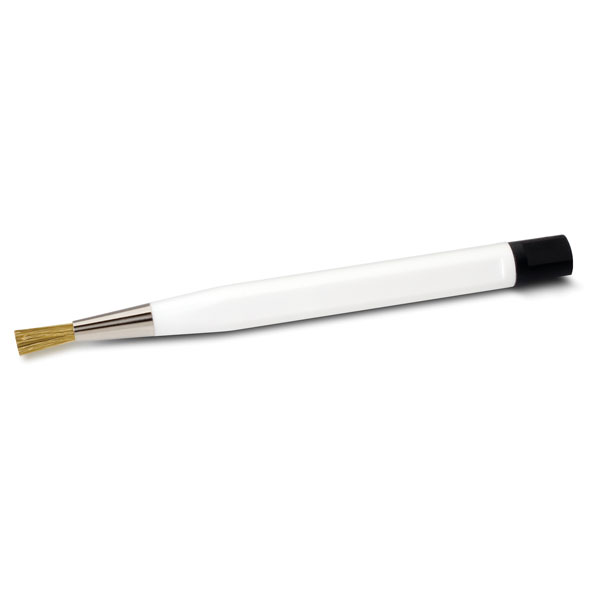


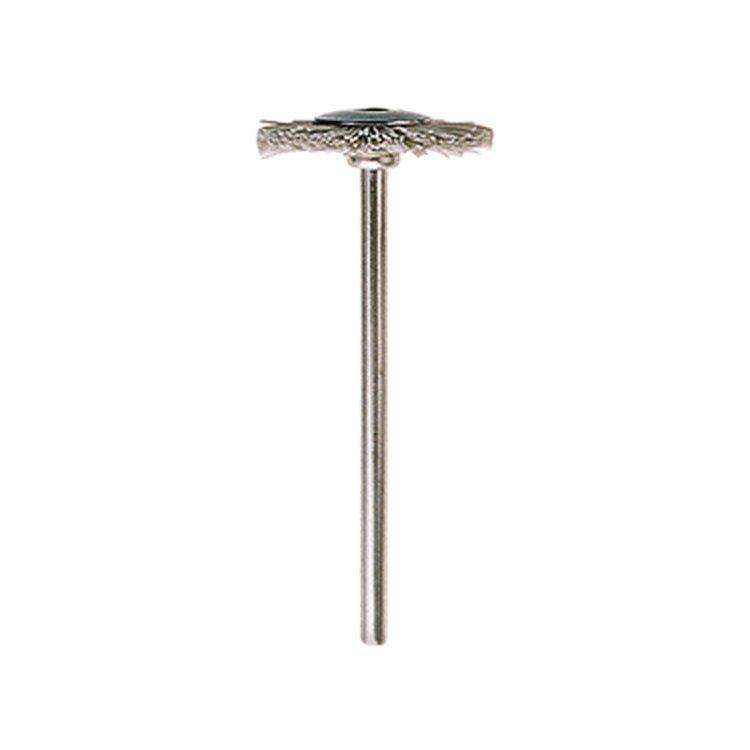

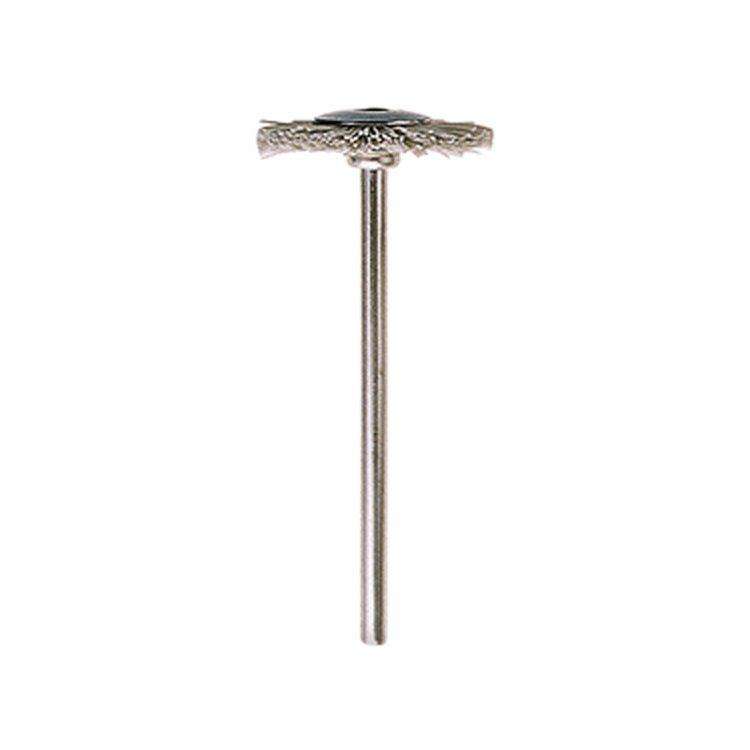
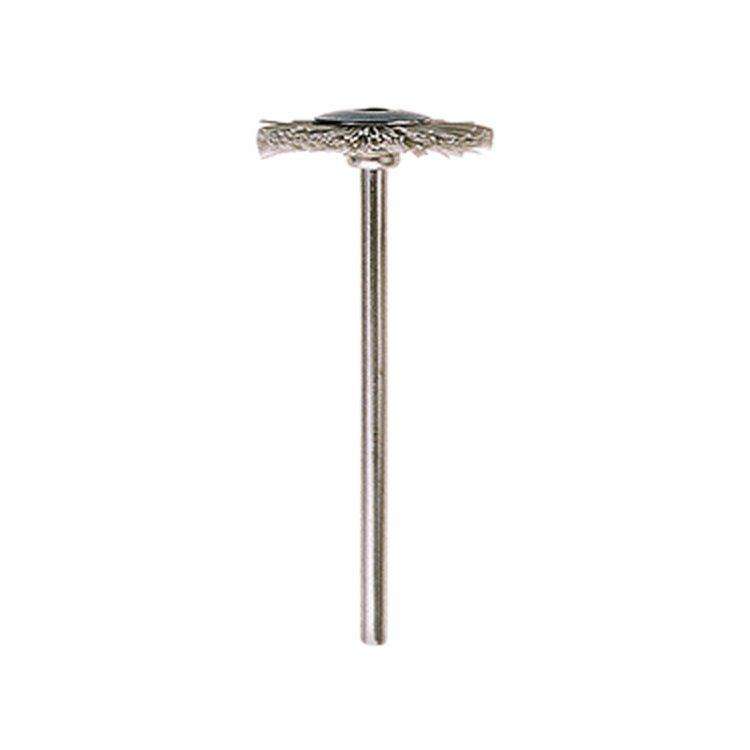

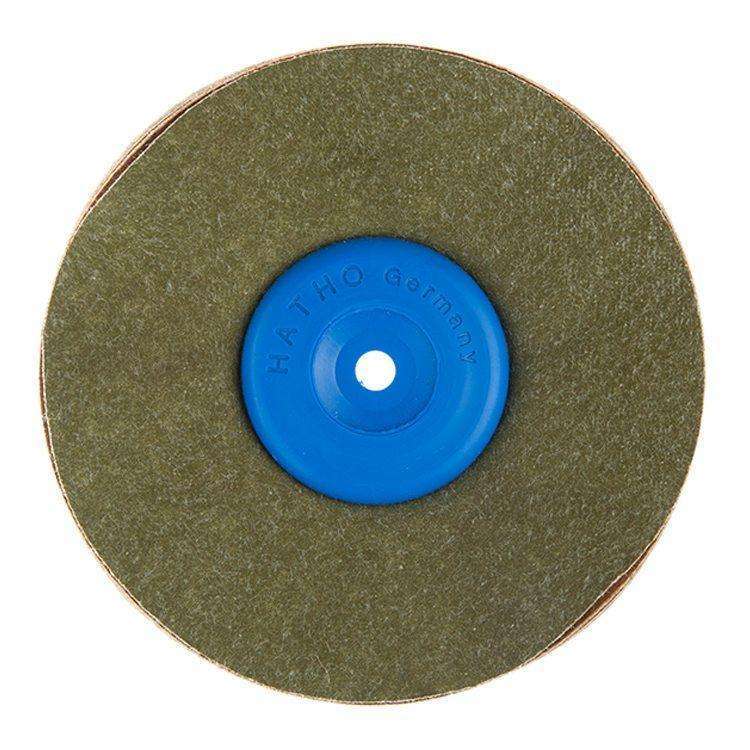


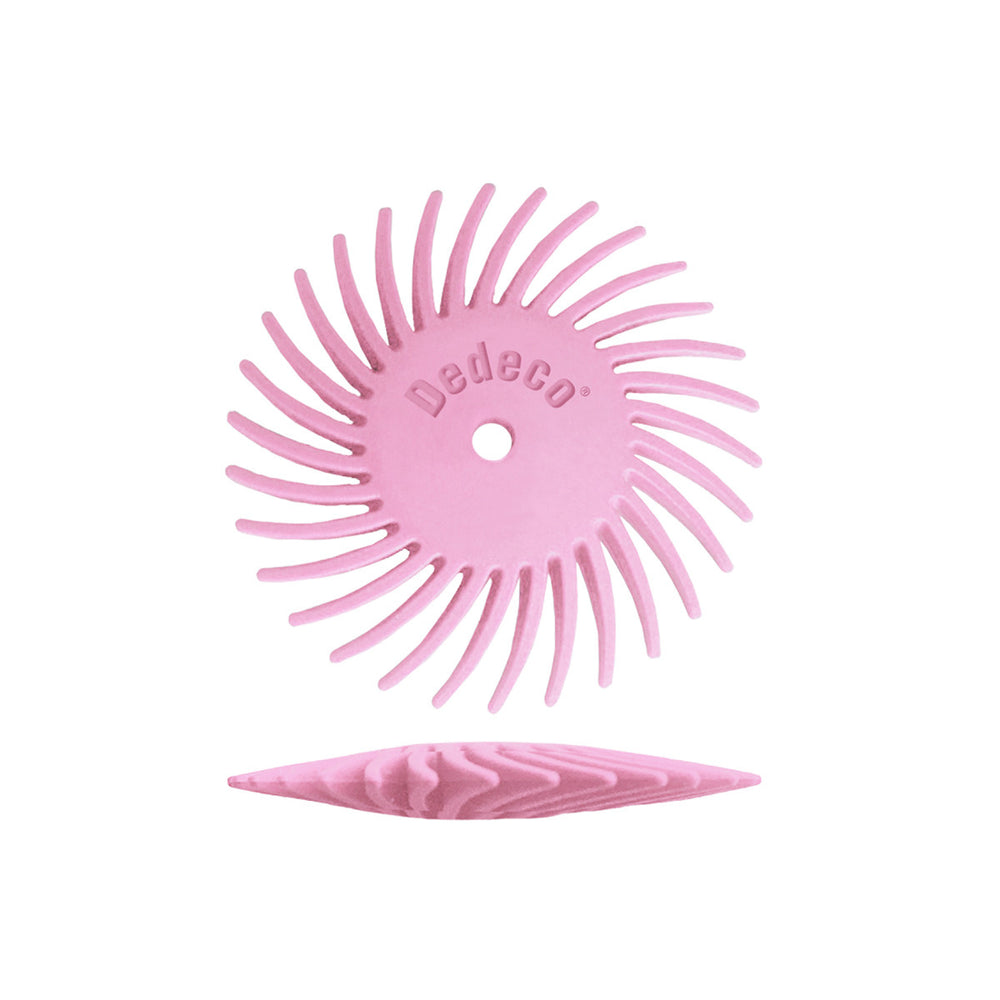
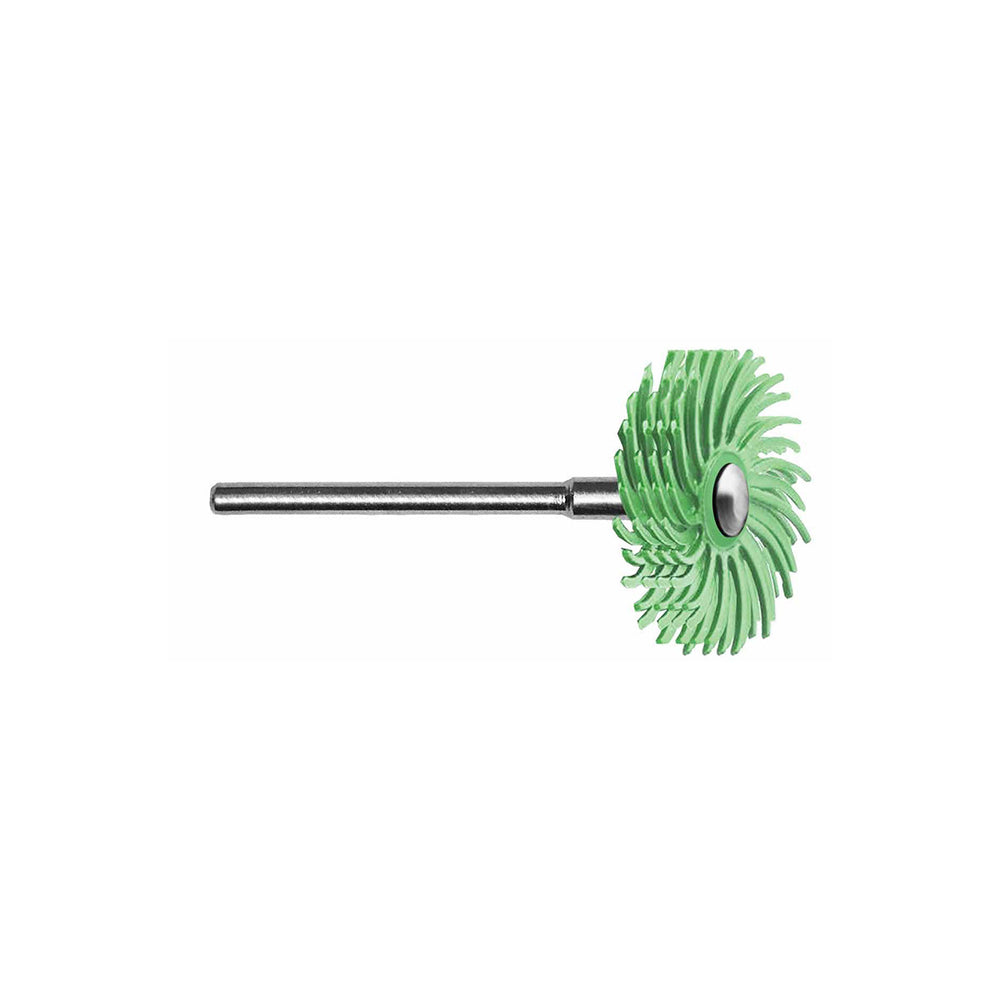











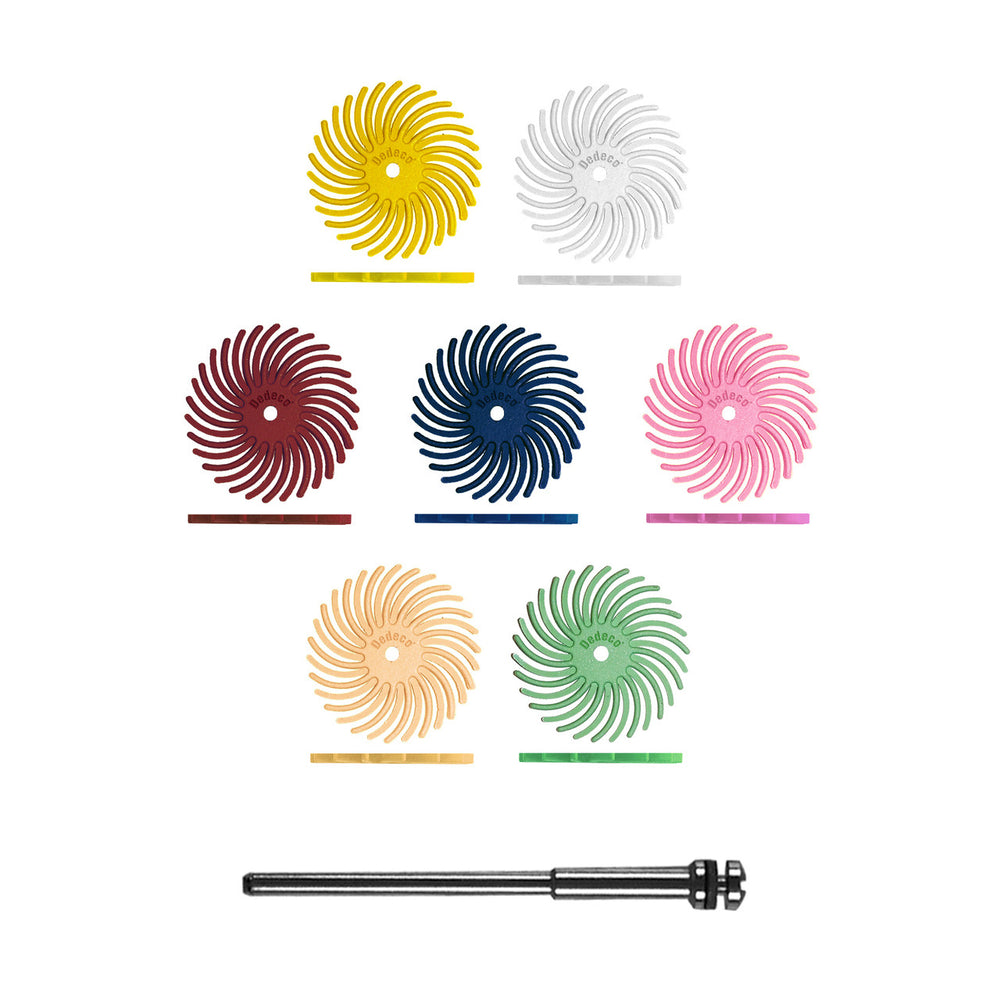

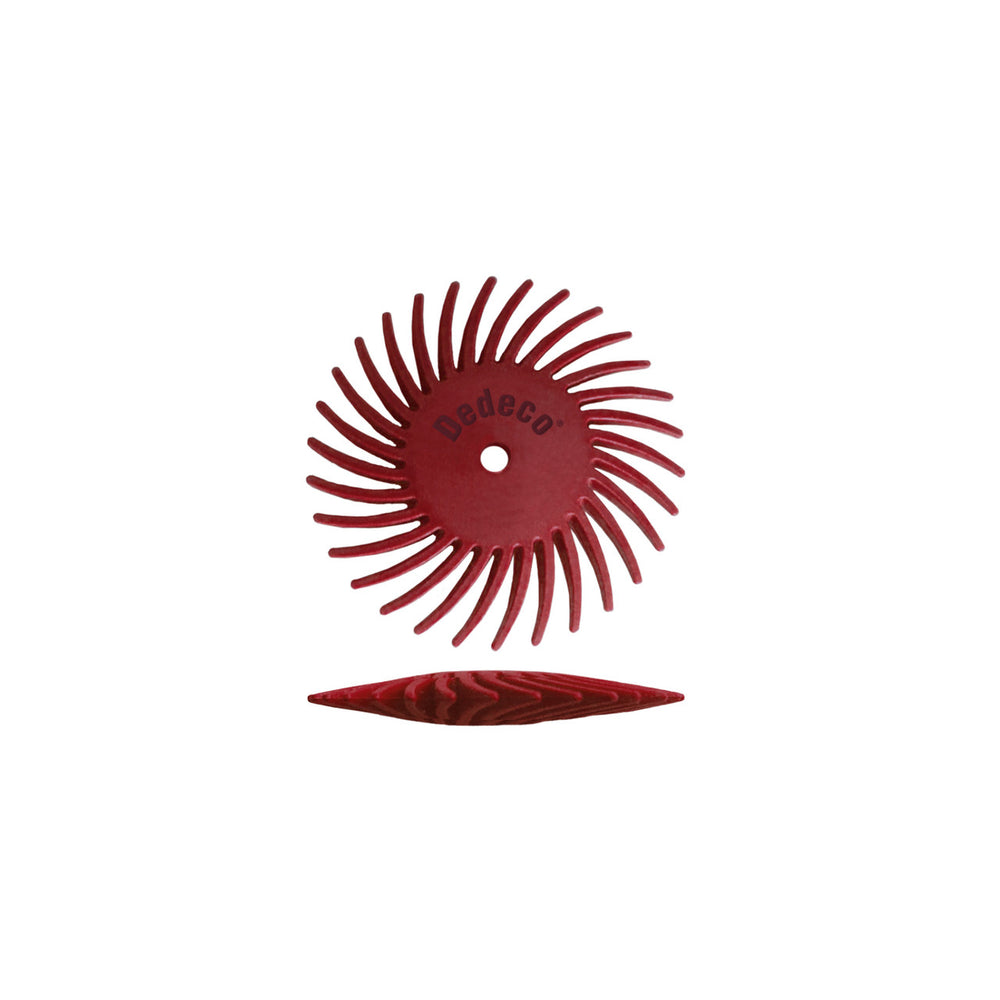



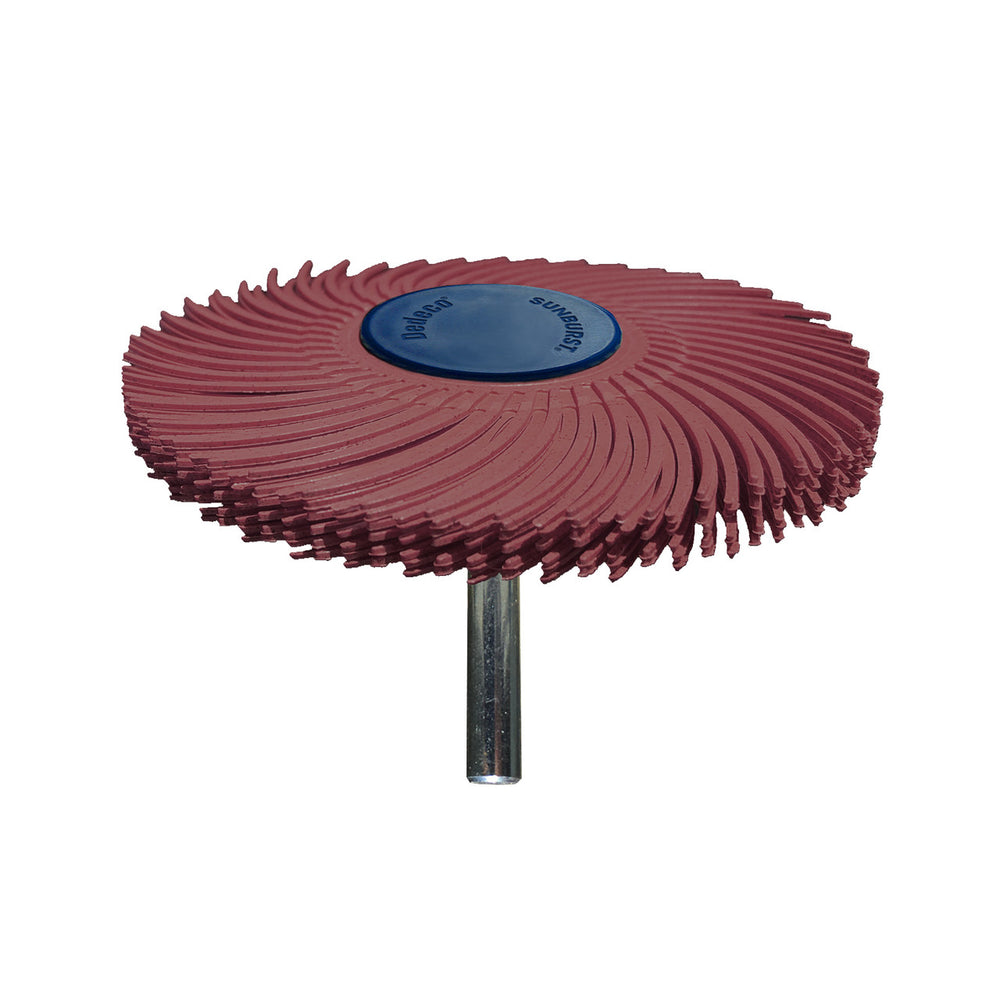


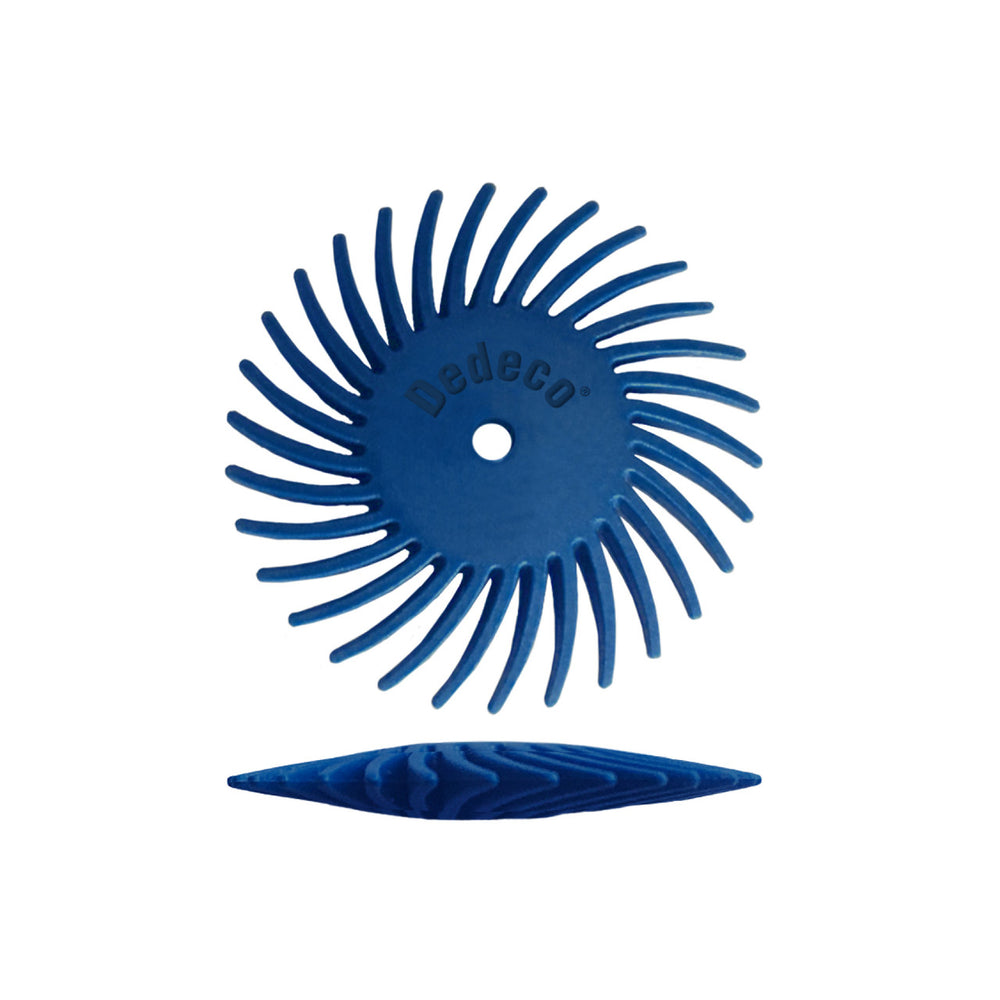











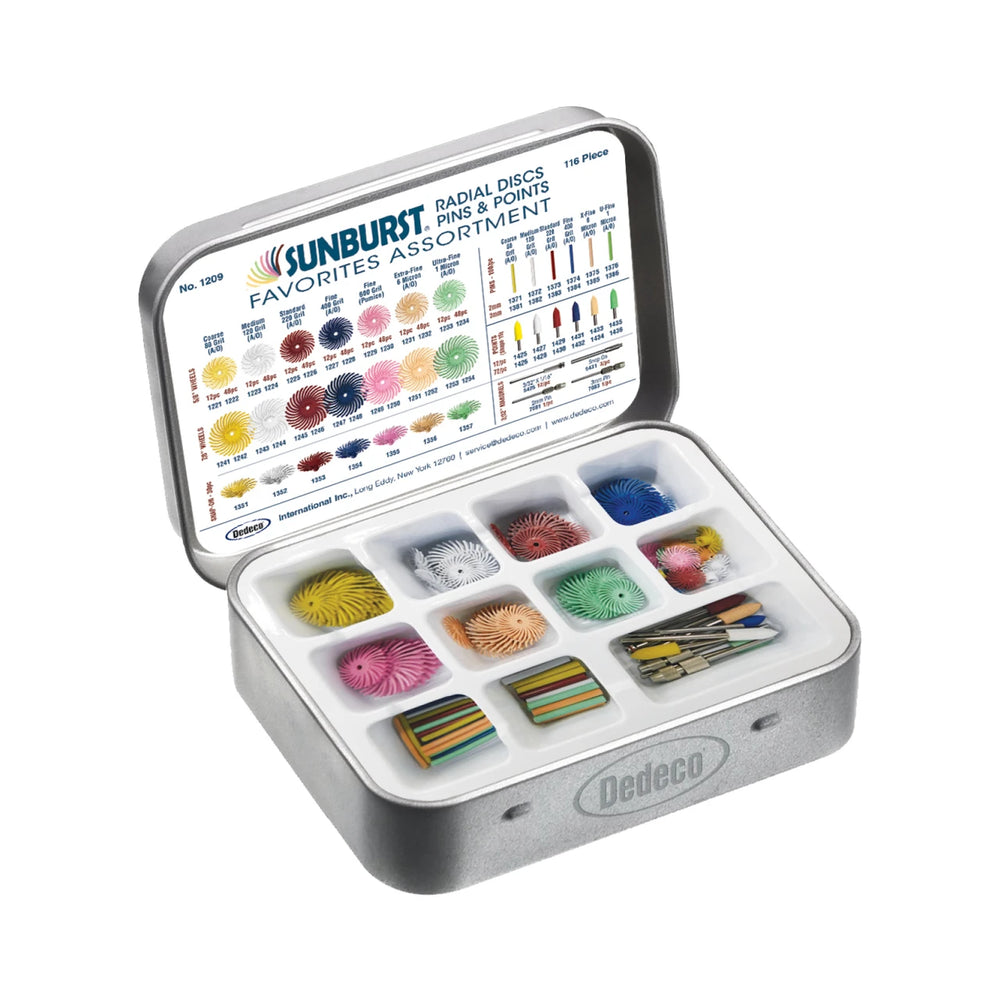
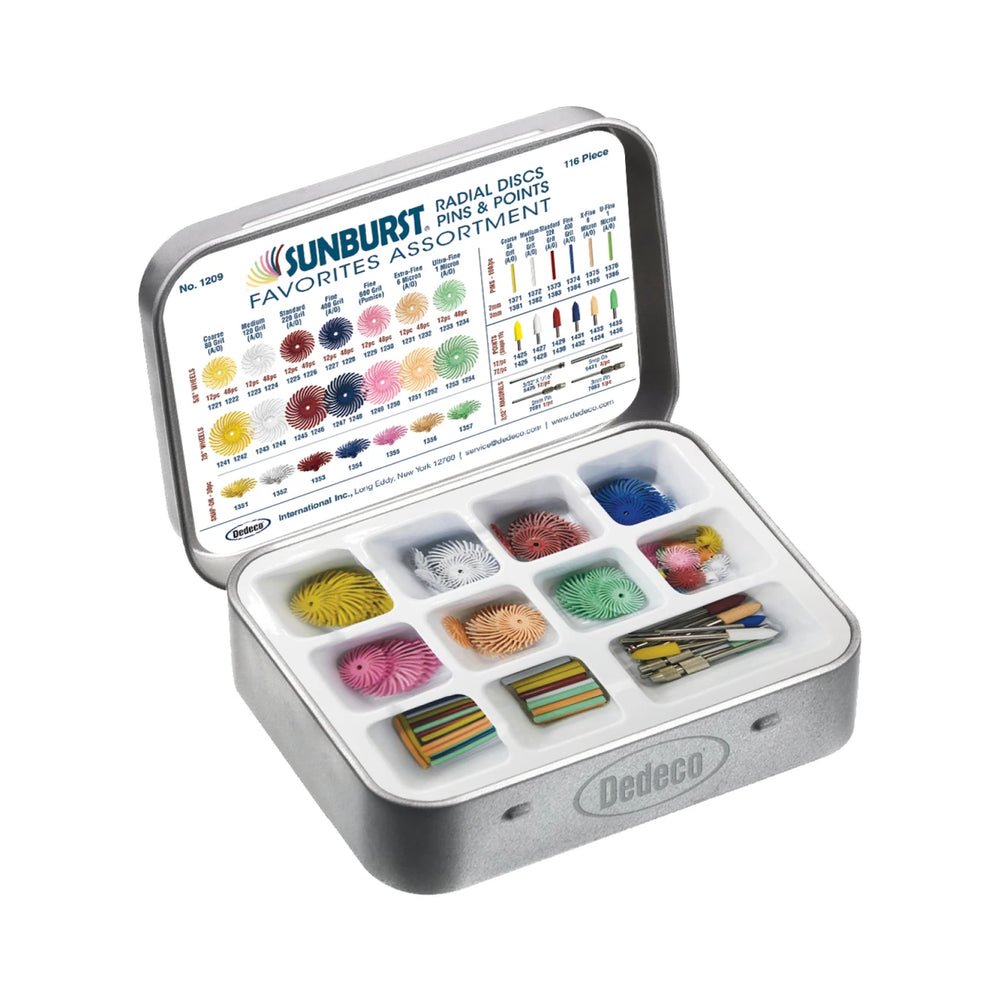


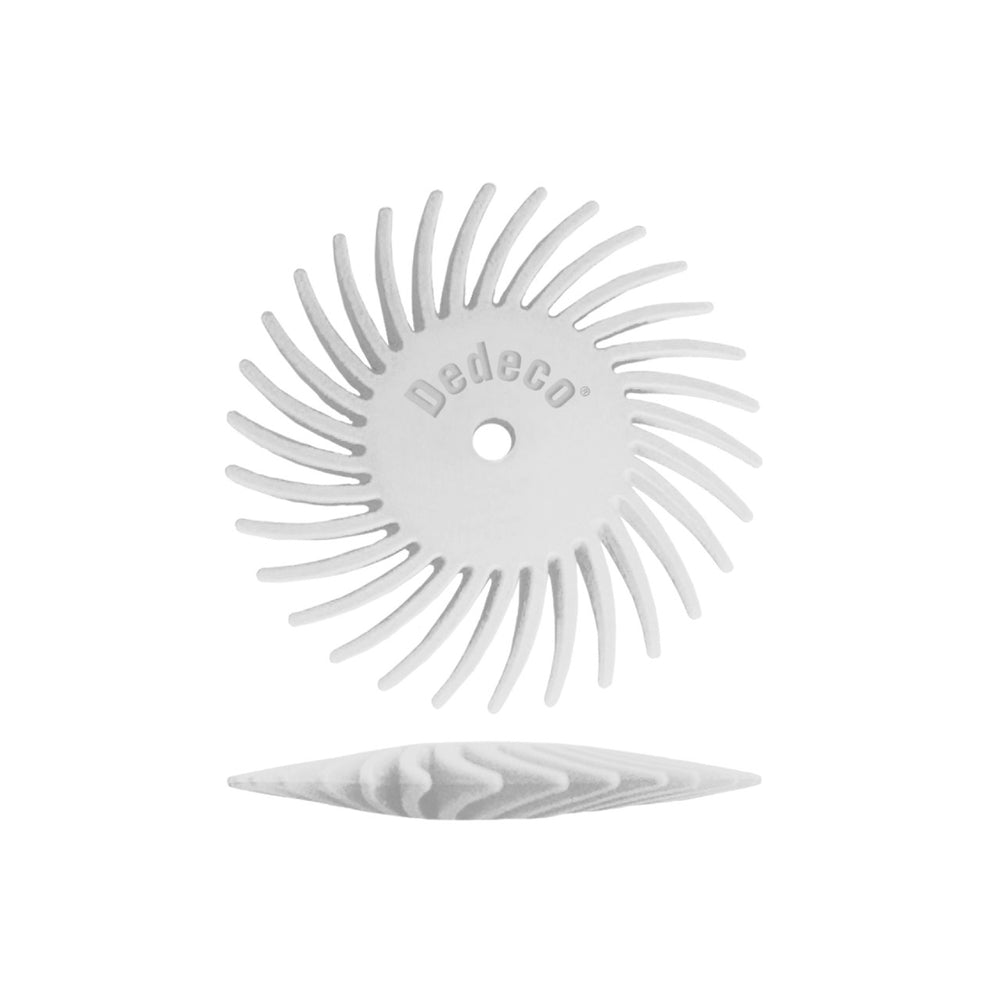


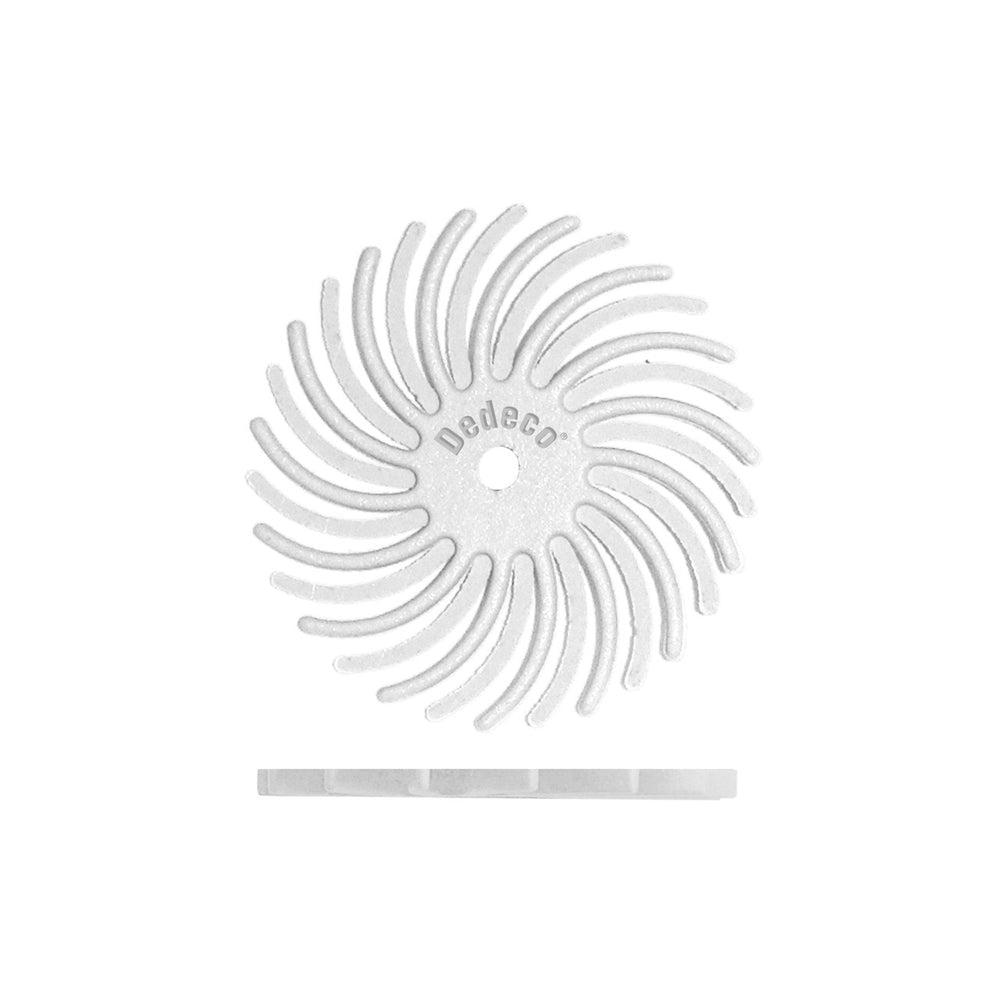
This shelf covers the last step of finishing and the care of the instruments that got you there: buffing wheels, mounted brushes, bur cleaning brushes and bur blocks. Buffing wheels and radial bristle discs carry a very fine abrasive or none at all and are run with a compound to bring acrylic, metal and resin to a high shine on the bench. Mounted rotary brushes, in steel wire and bristle forms, clean investment, debris and oxide from frameworks and clasps before polishing.
Bur care is the part that quietly pays for itself. A bur cleaning brush, typically brass or steel wire with a handle, removes baked-on debris before sterilisation, which is the main reason burs lose cutting efficiency long before the blades wear out. A bur block holds burs by shank, keeps FG and HP shapes separated and identifiable, and goes through the autoclave with them so instruments are handled once rather than sorted loose in a tray.
The range includes Dedeco Sunburst radial bristle discs and buffing wheels in grits from 80 through 400, Buffalo Dental steel wire HP rotary brushes in 3/4 inch and 1 inch sizes packaged 12 to a box and bur cleaning brushes with handles, Becht brass wire bur cleaning brushes, Directa Roto-Stand bur holders, plus Keystone Industries, Pac-Dent, Renfert and DiaDent items.
How to choose
- Job: wire brushes for cleaning castings and clasps, bristle and buffing wheels with compound for final shine, radial bristle discs for controlled fine finishing.
- Grit: coarser radial discs, such as 80 grit, for removing marks, finer grades such as 400 for the pre-shine pass.
- Shank: HP mounted brushes and wheels for the laboratory handpiece and lathe; check the mandrel and arbour before ordering.
- Bur block: capacity and shank type, FG or HP, plus whether you want a fixed block at the chair or a stand that goes through the autoclave.
- Bur cleaning brush: brass wire is gentler on blades and plating, steel wire is more aggressive for heavy debris.
- Pack size: 12-count boxes for brushes and wheels a lab consumes steadily, singles for a block or stand that is bought once.
Frequently asked questions
Why use a bur block?
A bur block holds burs upright by shank so shapes stay identifiable, protects working ends from being chipped against each other in a tray, and lets the set be cleaned, sterilised and delivered as one unit. It also makes it obvious at a glance when a shape needs reordering.
How do I clean burs before sterilising them?
Remove debris first with a bur cleaning brush or an ultrasonic cycle, then sterilise. Autoclaving a dirty bur bakes the debris onto the blades, which dulls it far faster than cutting does. Brass wire brushes are gentler on the cutting edges than steel.
What is a radial bristle disc used for?
It is a bristle disc with abrasive bonded into the fibres, used on the lathe or handpiece to finish contours without cutting flats the way a hard wheel can. Grits run from coarse for mark removal to fine for the pass before a buff and compound.
Do you carry prophy brushes?
The brushes on this shelf are laboratory rotary brushes and bur cleaning brushes. Prophy brushes used with a disposable prophy angle for dental cleanings are a hygiene consumable rather than a bur care item and are stocked with preventive supplies, not here.
How fast do bur blocks and brushes ship?
They ship from our Northern Virginia warehouse, and in-stock items ordered by 3 PM ET go out the same day. Bur blocks are a one-time purchase per operatory, so most orders combine one or two blocks with a standing quantity of cleaning brushes.