
Composites & Amalgam
220 products

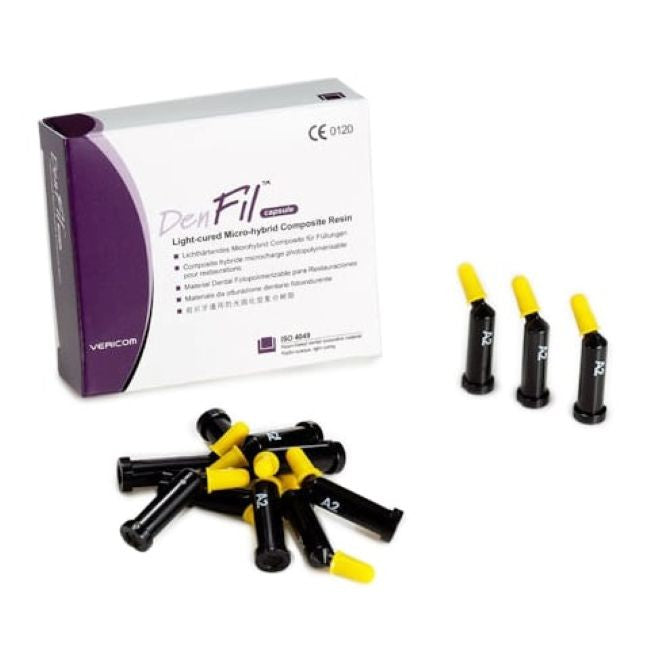
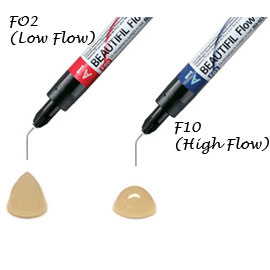
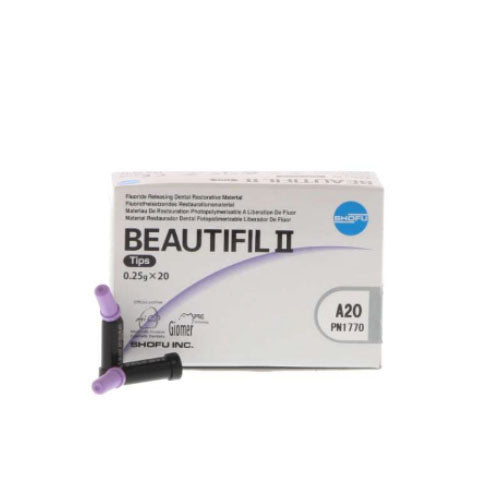

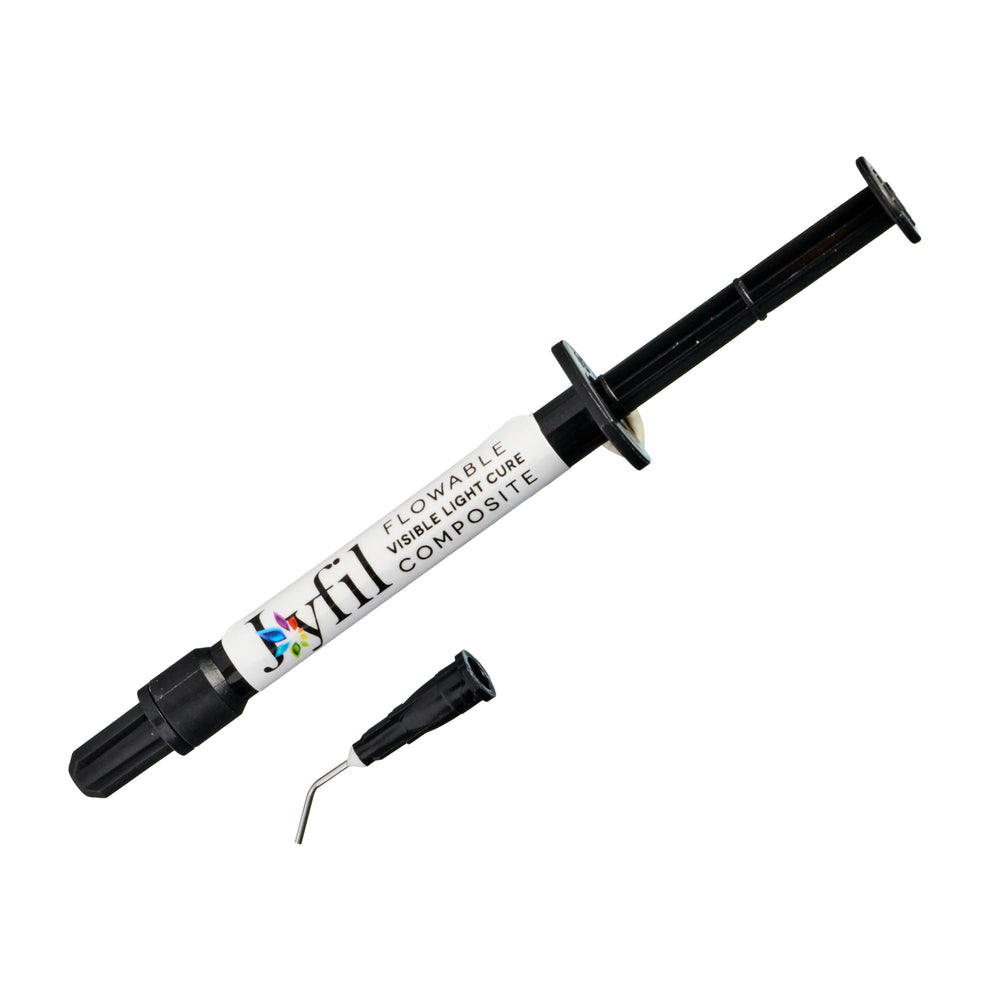


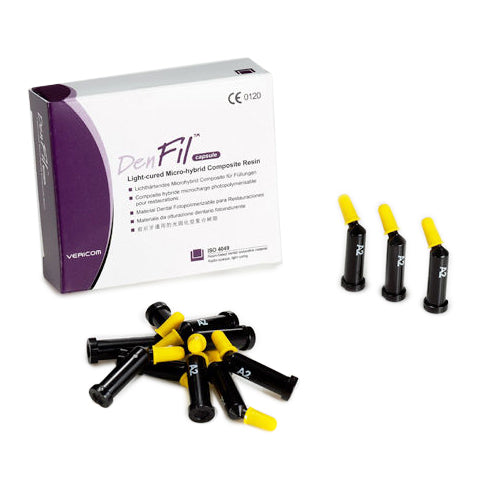
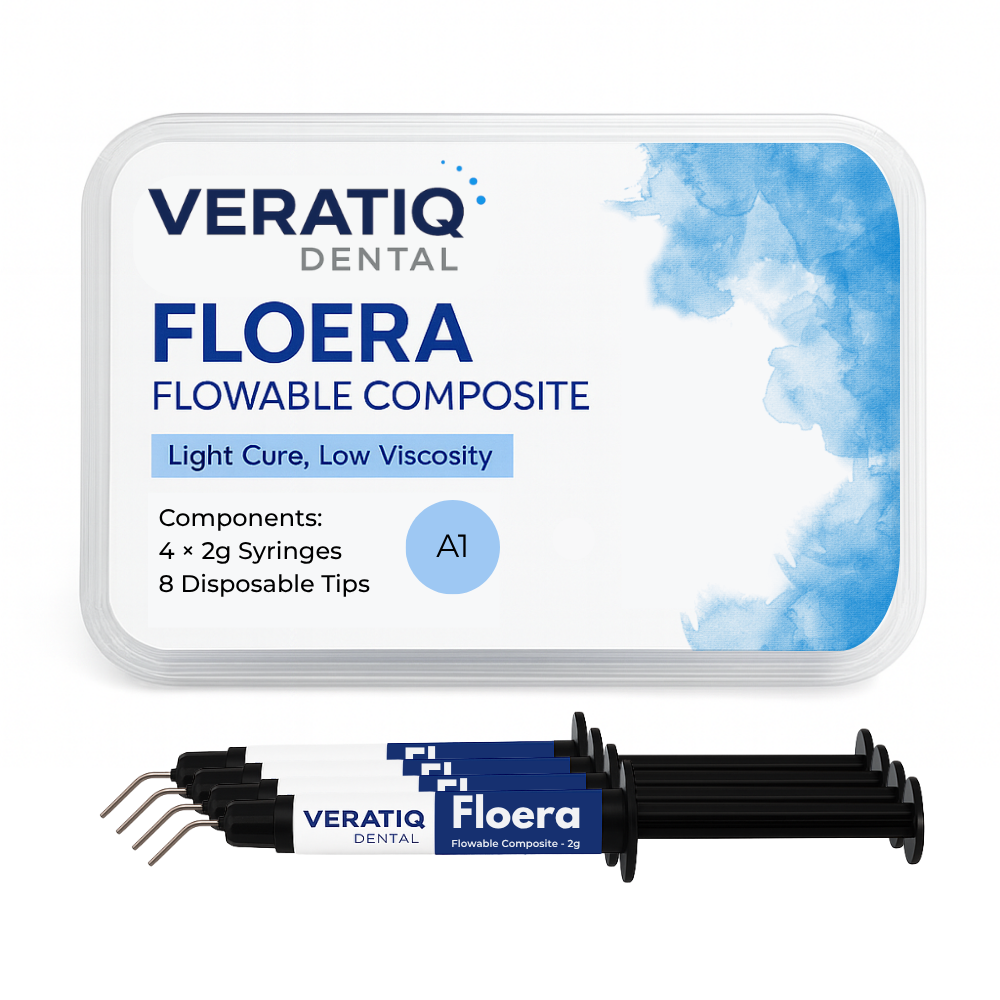
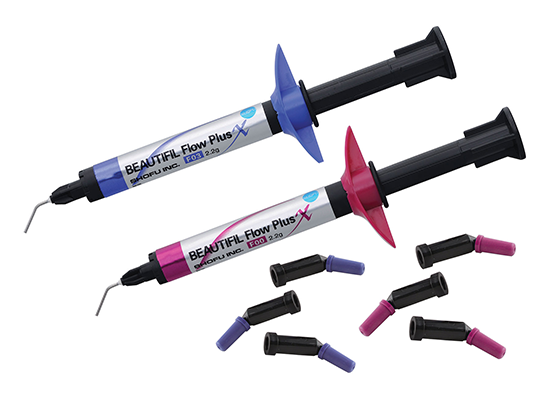


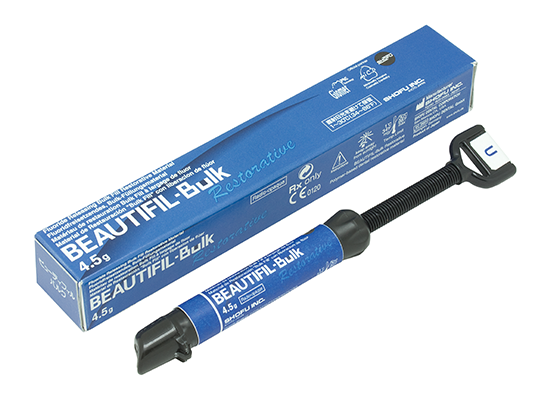



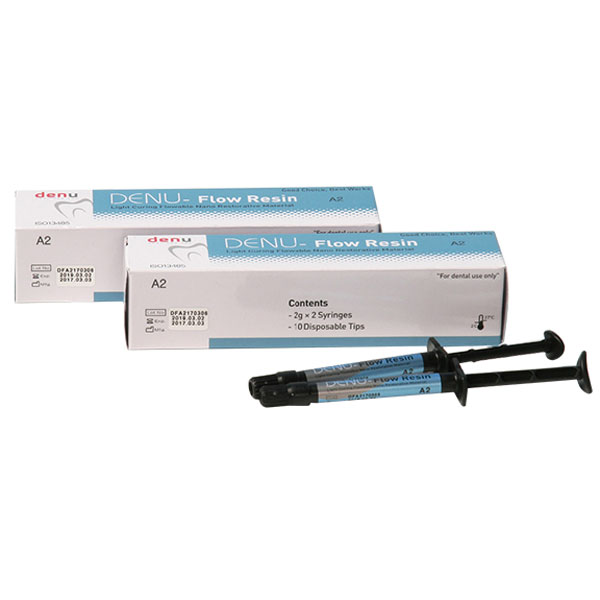


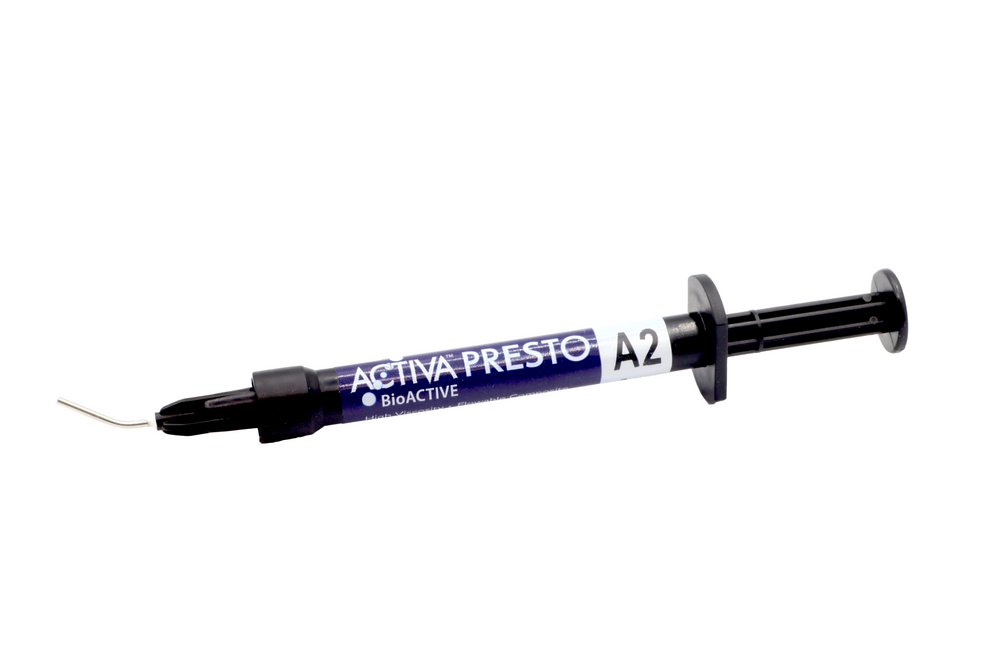


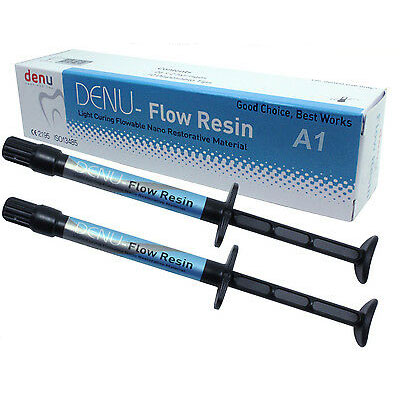


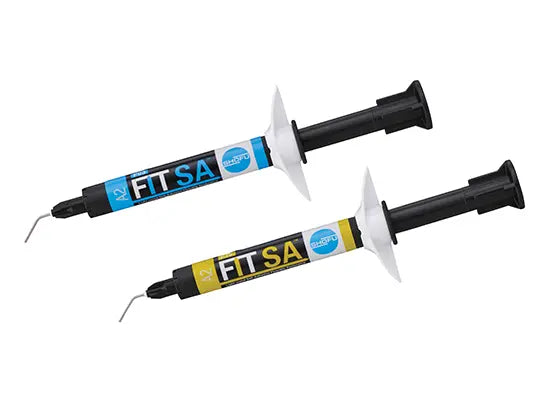


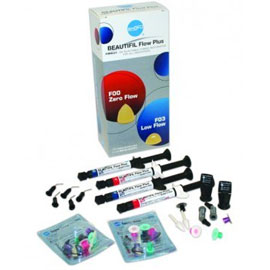
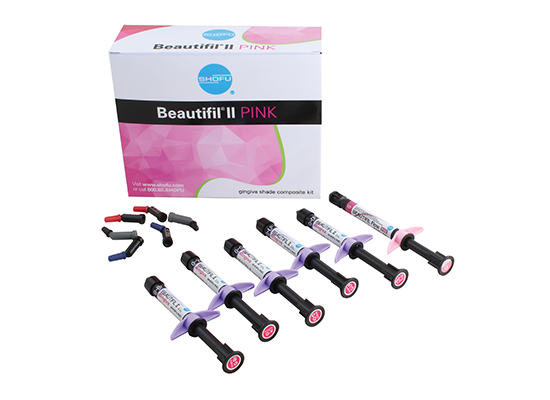


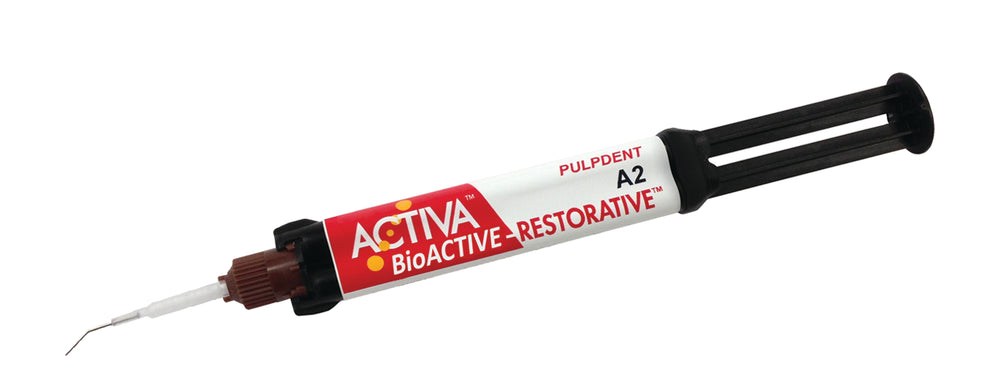
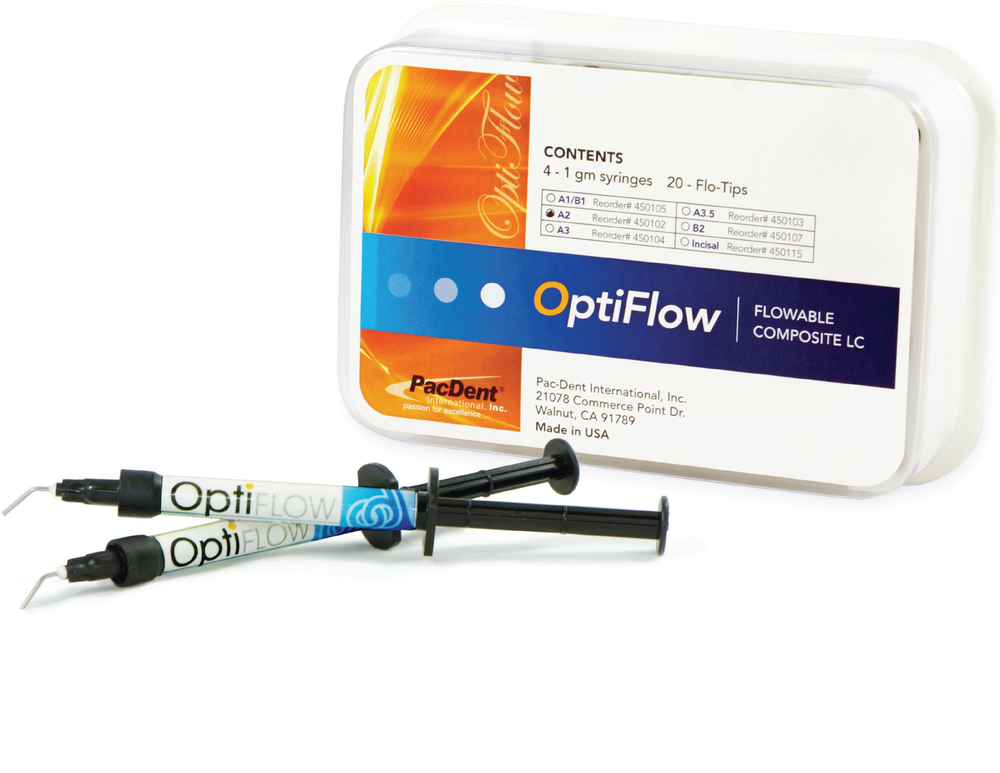


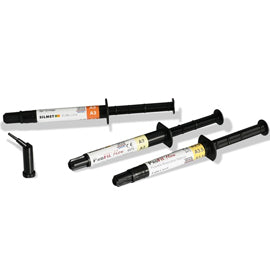


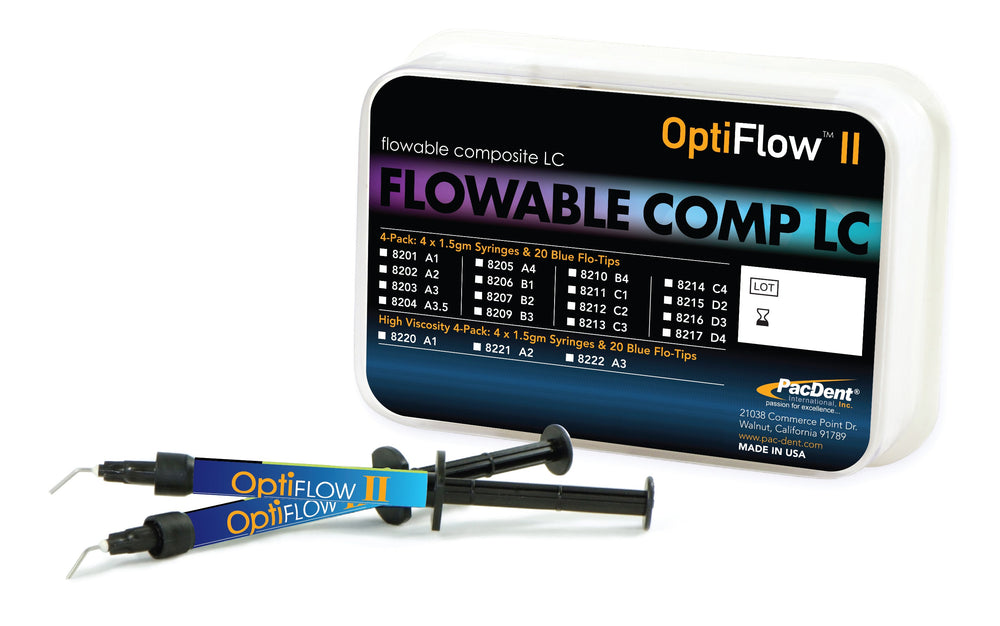
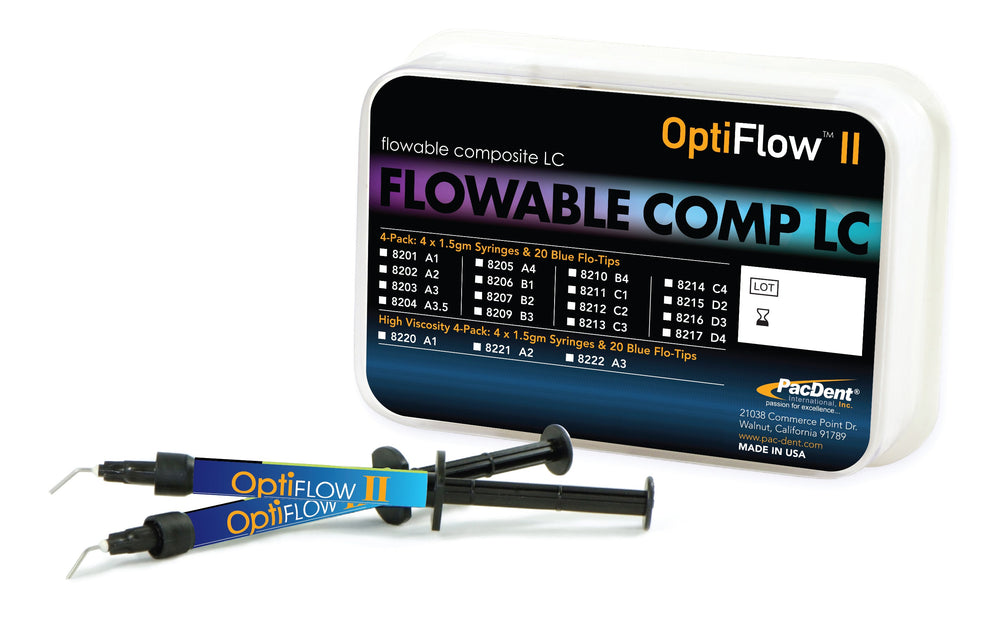


Direct restorative materials are chosen by viscosity and by how deep you can cure in one increment. This shelf holds about 265 listings across universal composites, flowable composite, bulk fill composite, composite kits and amalgam alloy, from Pac-Dent, FGM, Shofu Dental Corp, Veratiq Dental, Zest Dental Solutions, Dentonics, Pulpdent and Cargus.
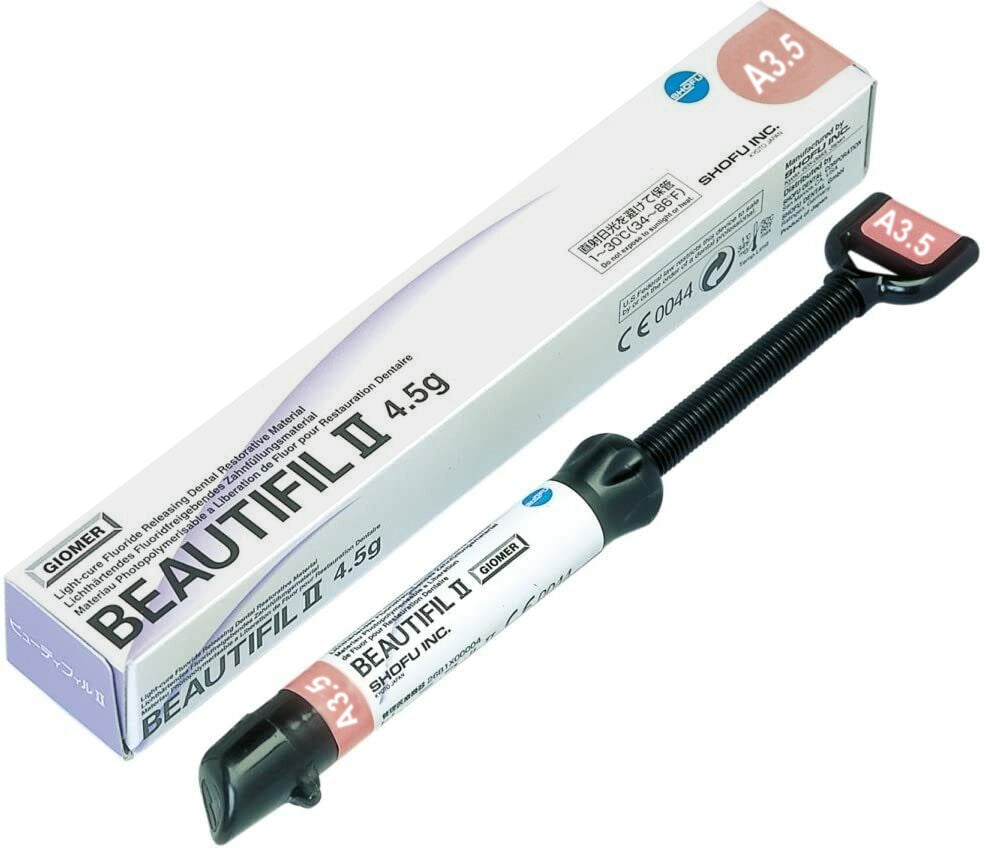
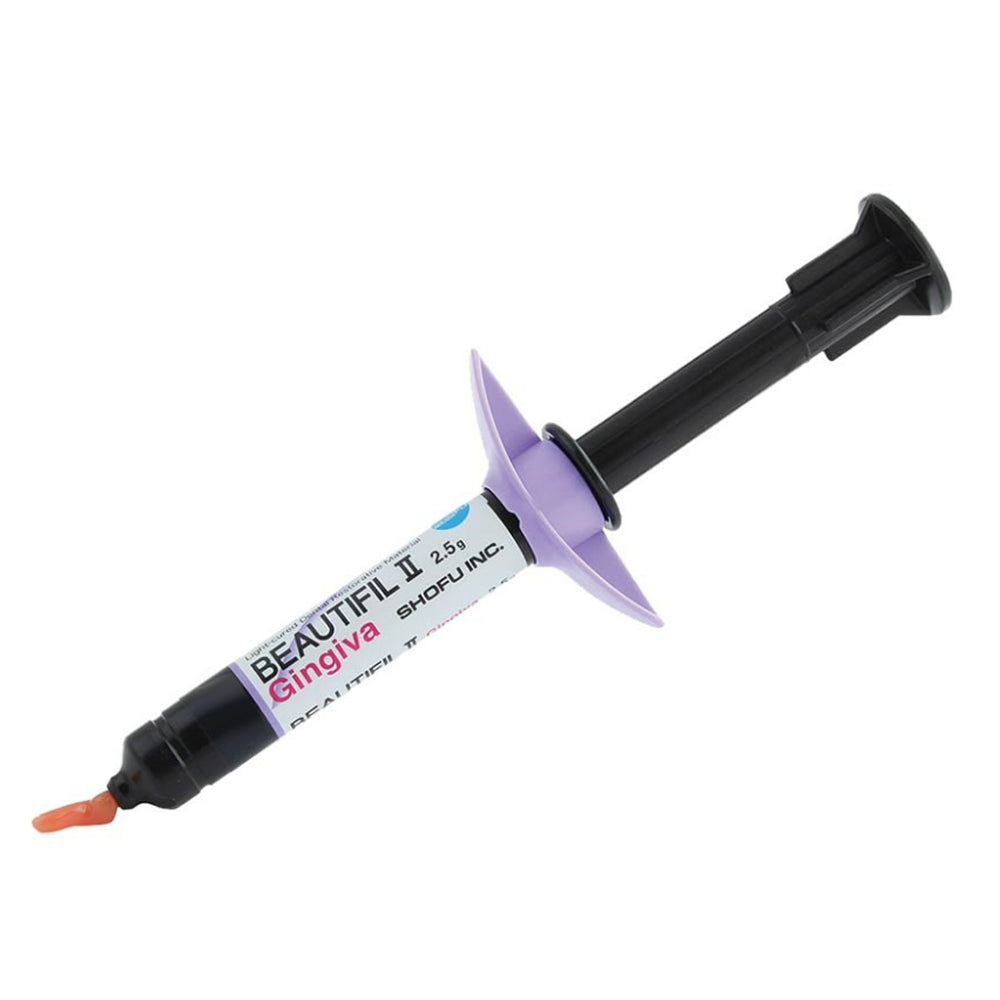
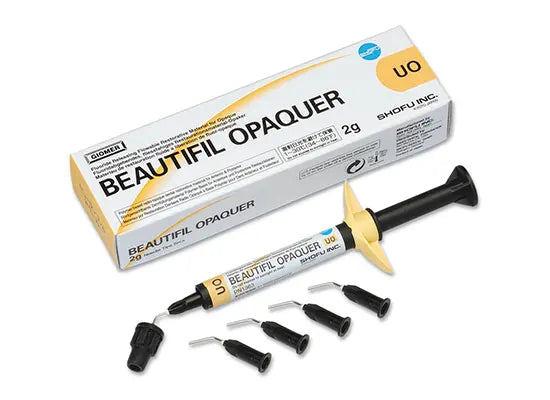
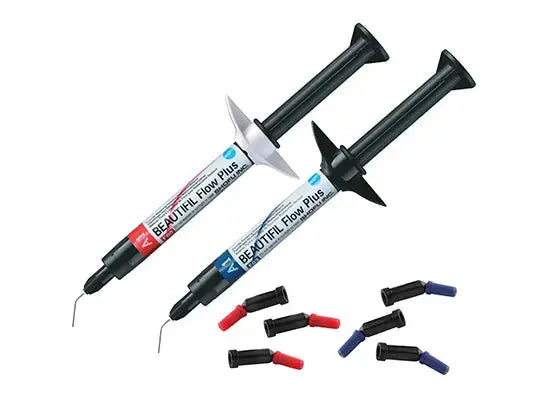
A universal nano hybrid composite is the default for most direct work: a filler blend fine enough to polish to a lasting lustre but loaded enough to carry occlusal load. Shofu's Beautifil II and the Beautifil Kids SA and FIT SA capsules sit in this group. Flowable composite is thinner and is used for liners, small class V restorations, pit and fissure work and as a first increment under a heavier material, and it is stocked in single syringes with tips as well as in shade kits covering A1 through A3.5. Bulk fill composite is formulated with translucency and initiators that allow deeper increments, which cuts the layering time in a deep posterior box.
Amalgam alloy is still stocked for the cases that call for it, in spherical and admix capsules with high copper content in one, two and three spill sizes and in regular and fast set.
How to choose
- Pick the viscosity for the job: flowable for liners and small preparations, universal for general direct work, bulk fill for deep posterior boxes.
- Check the stated maximum increment depth and cure time against your curing light before relying on a bulk fill.
- Choose the filler type by where the restoration sits. Nano-hybrids give the polish anterior work needs while holding up posteriorly.
- Decide on delivery: syringes for the shades you use constantly, compules or capsules for cleanliness and for shades you use occasionally.
- Stock the mid shades deeply and use an economy kit to cover A1 to A3.5 in one purchase.
- For amalgam, choose spill size by cavity volume and set speed by how much carving time you want.
Frequently asked questions
What is a nano hybrid composite?
A composite filled with a blend of nanoparticles and finely milled larger particles. The small particles give a surface that polishes smooth and stays glossy, while the larger ones carry the filler load that provides strength and low shrinkage, which is why nano-hybrids are used as universal materials for both anterior and posterior work.
When should I use a flowable composite?
As a liner or first increment under a heavier material, for small class V and cervical restorations, for pit and fissure work, and for repairing small defects. Flowables wet the preparation floor well but have lower filler content, so they are not intended as the bulk of an occlusal-load restoration.
Is bulk fill composite as strong as layered composite?
Modern bulk fill materials are formulated for deeper cure and lower shrinkage stress and are indicated for posterior restorations up to the increment depth the manufacturer states, typically around 4 mm. The depth limit and cure time are the conditions the data depends on, so check both against your curing light.
What is Beautifil?
Beautifil is Shofu's restorative composite line. Beautifil II is the universal restorative, and the range on this shelf also includes Beautifil Kids SA in capsule form for paediatric restorations, alongside the FIT SA capsules, giving a practice both a general-purpose and a paediatric option from the same family.
Do you still stock amalgam?
Yes. Amalgam alloy capsules are stocked in spherical and admix, high-copper formulations, in one, two and three spill sizes and in regular and fast set. In-stock restorative materials ordered by 3 PM ET ship the same day from Northern Virginia.