
Finishing & Polishing Wheels & Points
428 products

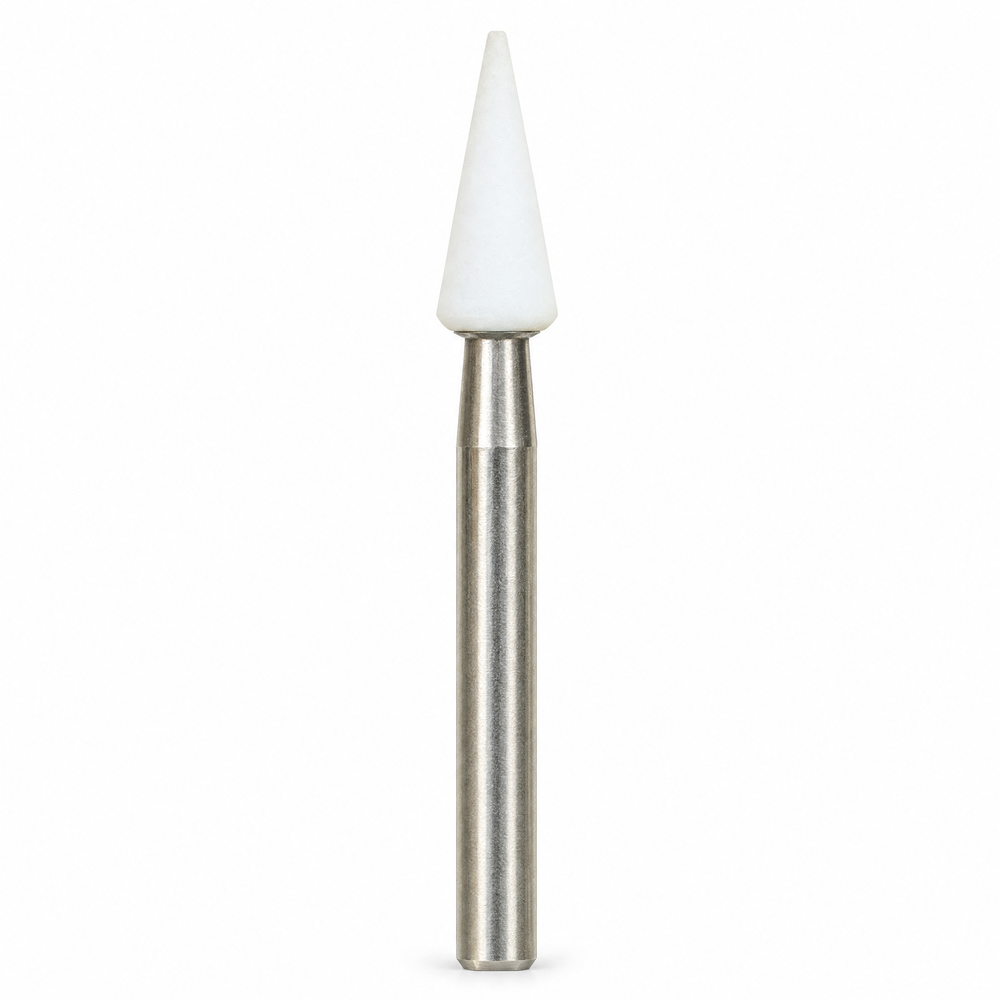


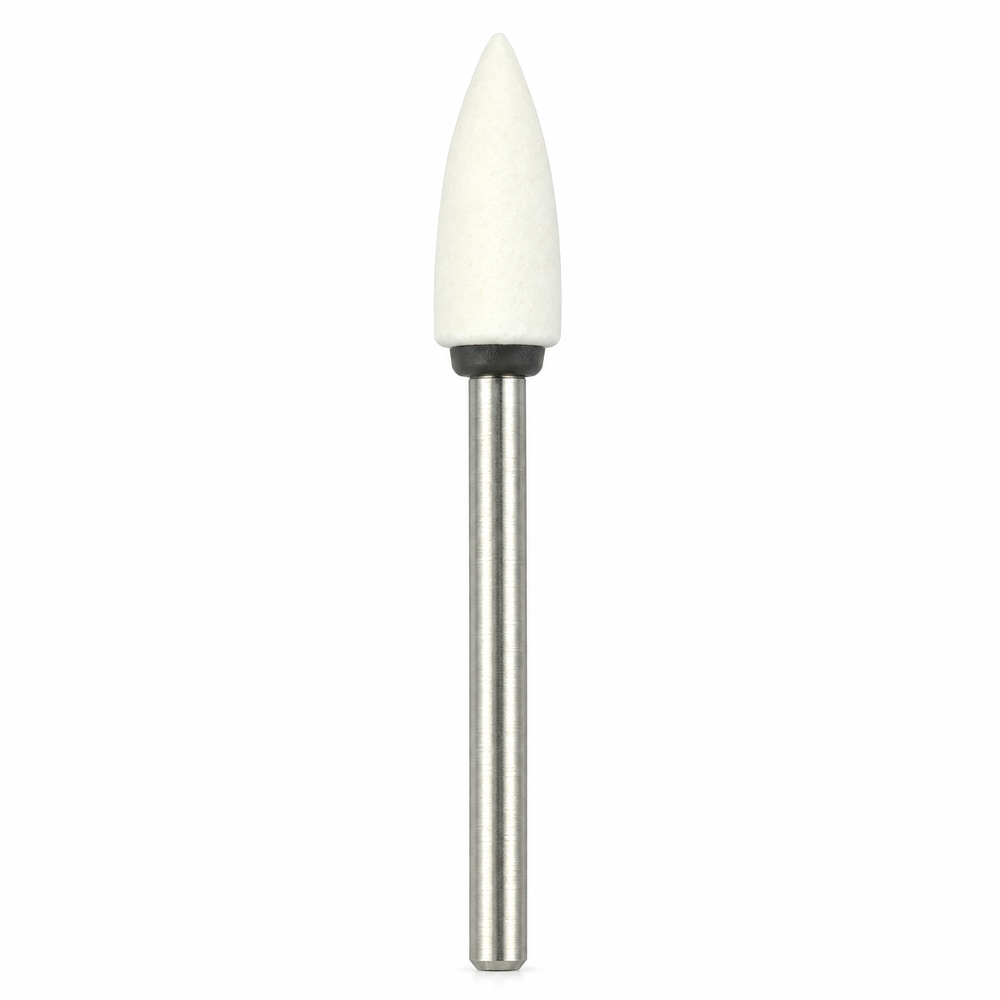


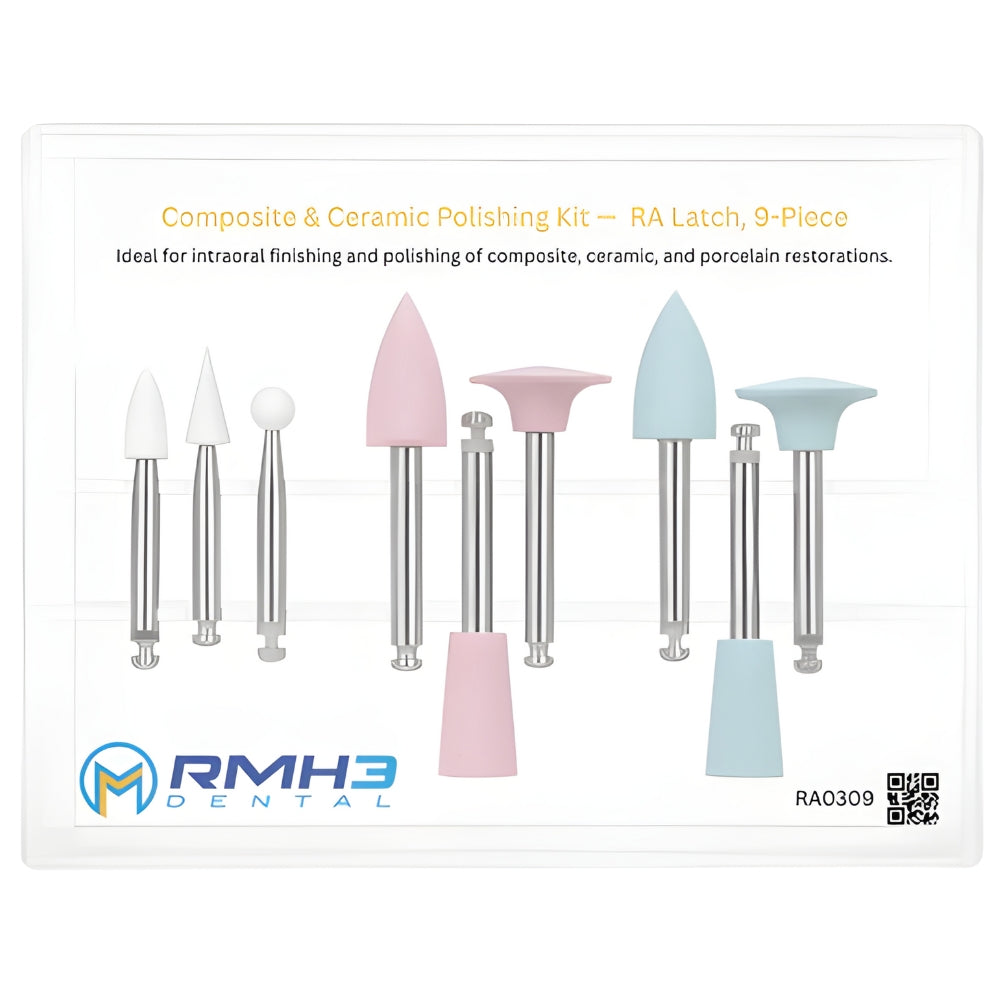
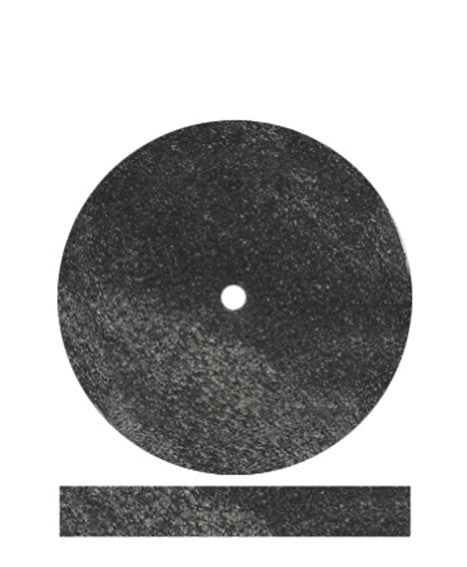


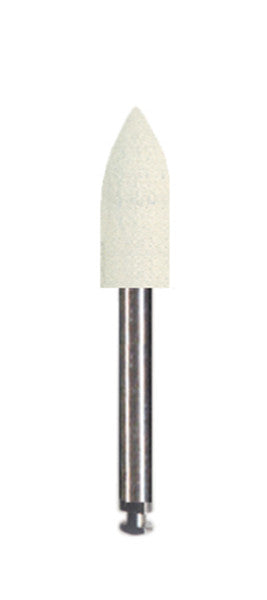
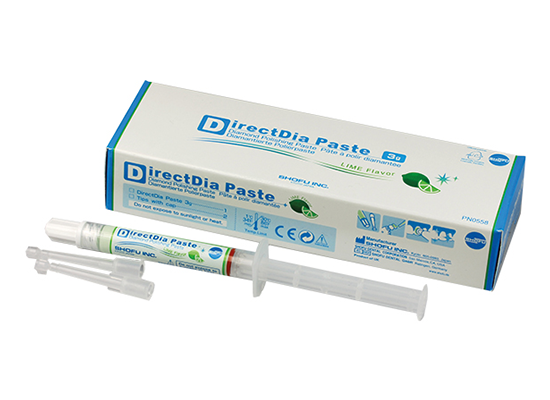

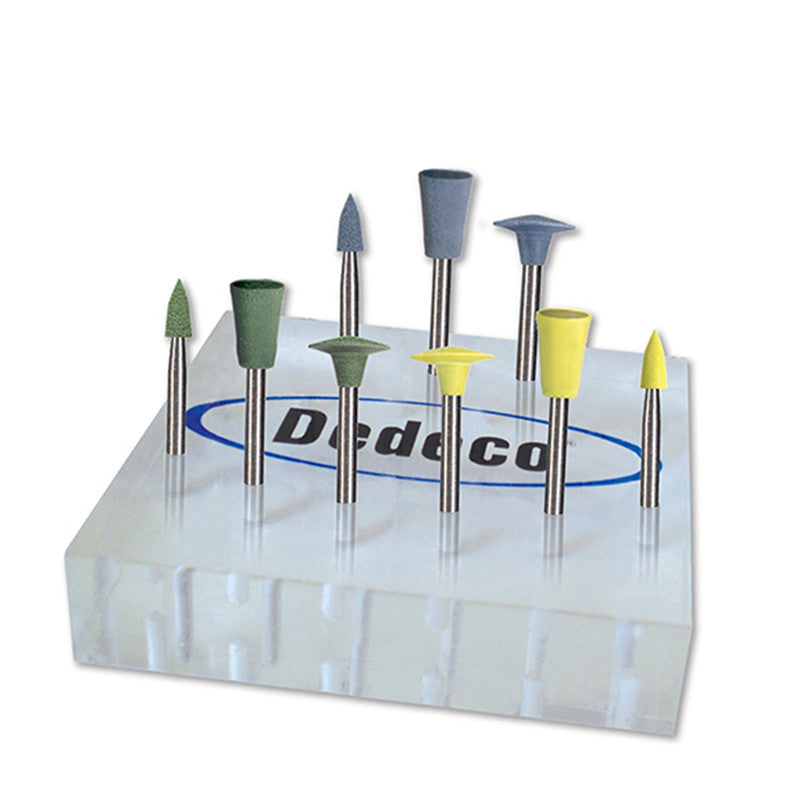
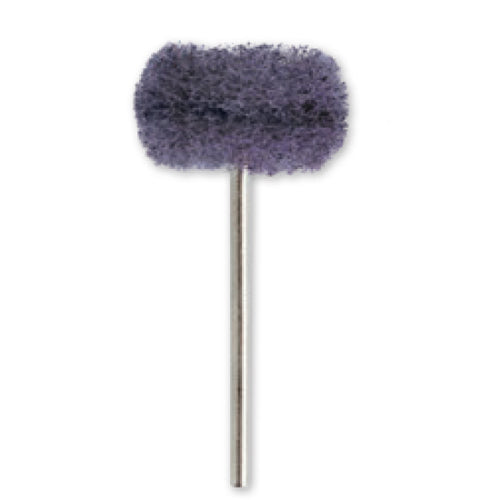


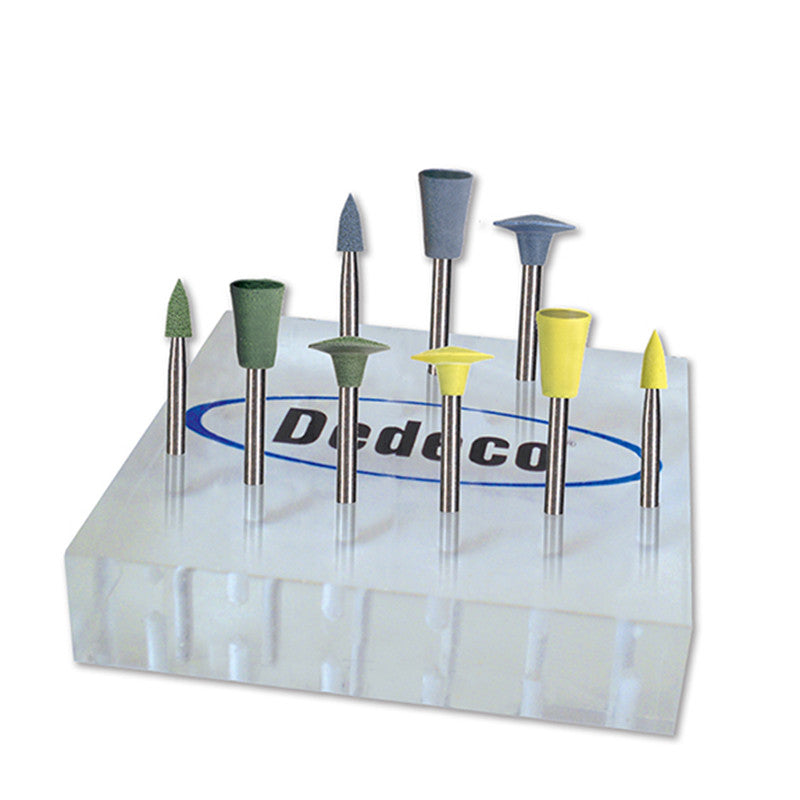
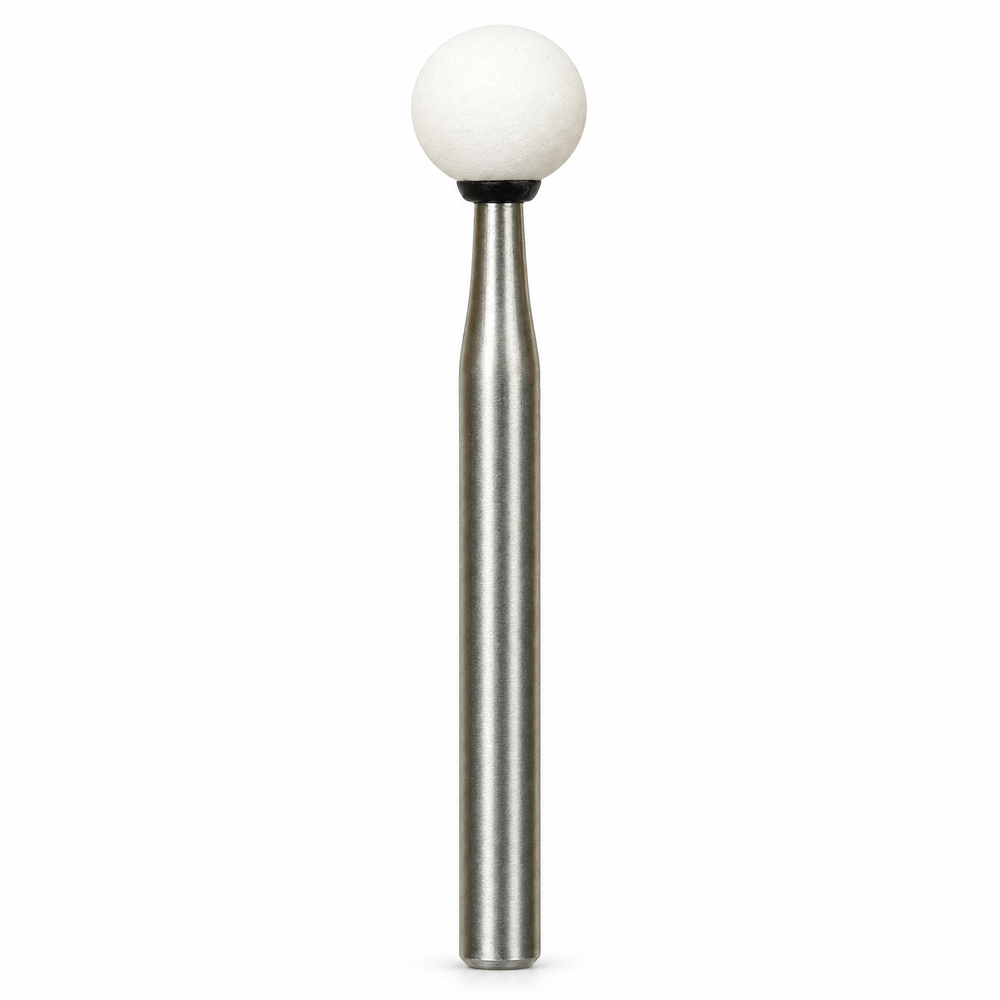


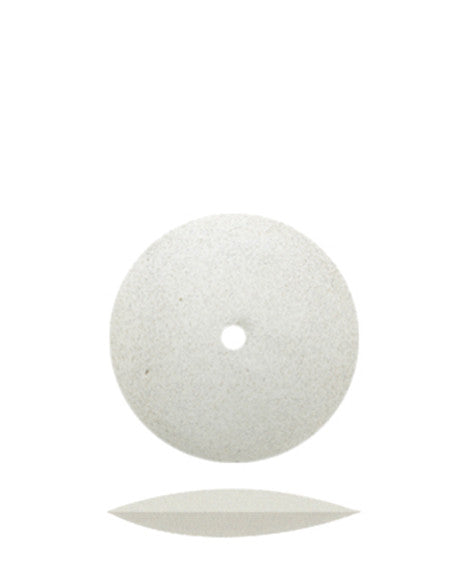
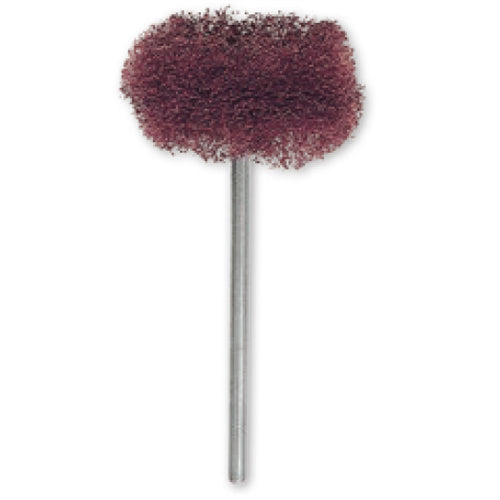


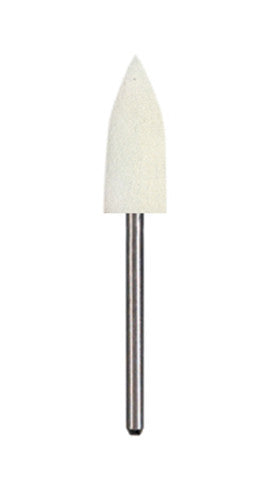


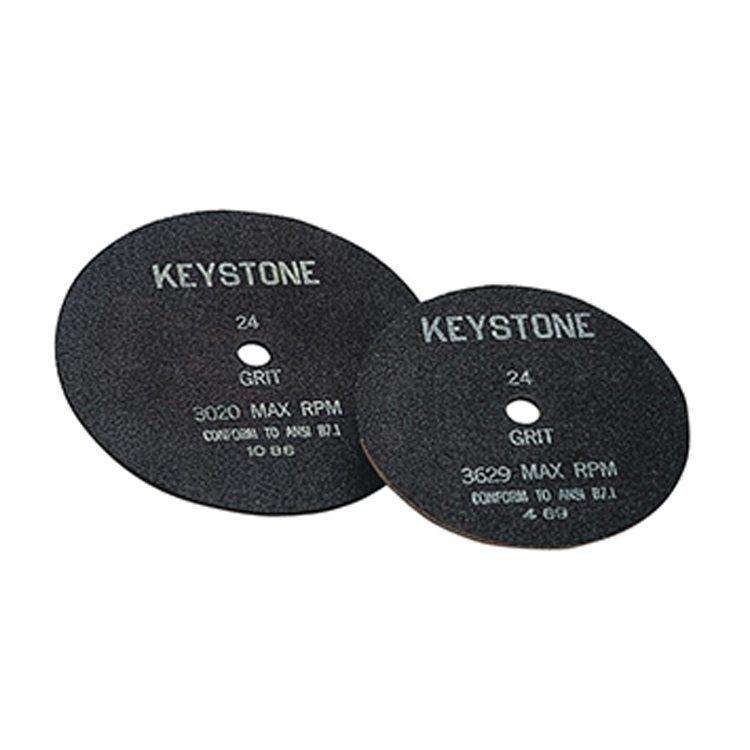
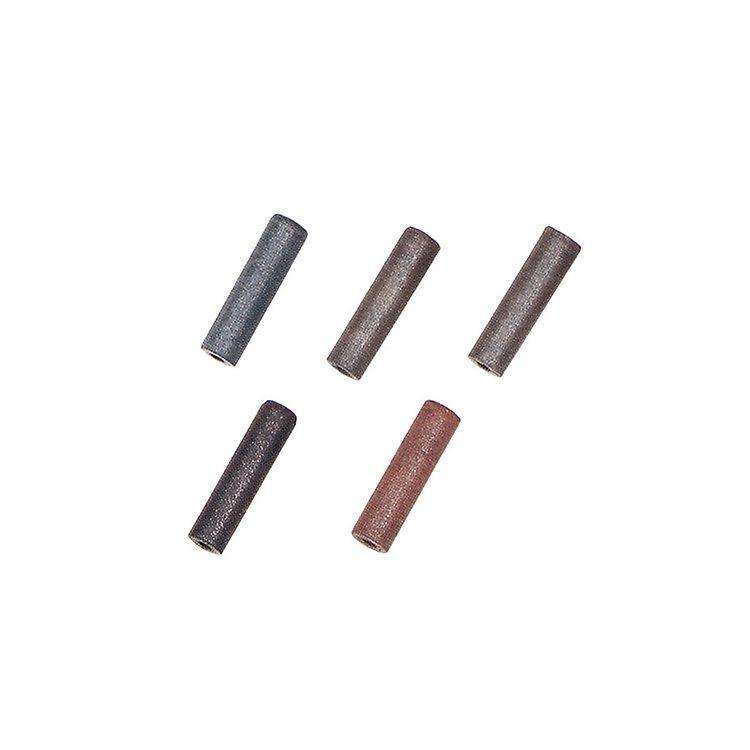


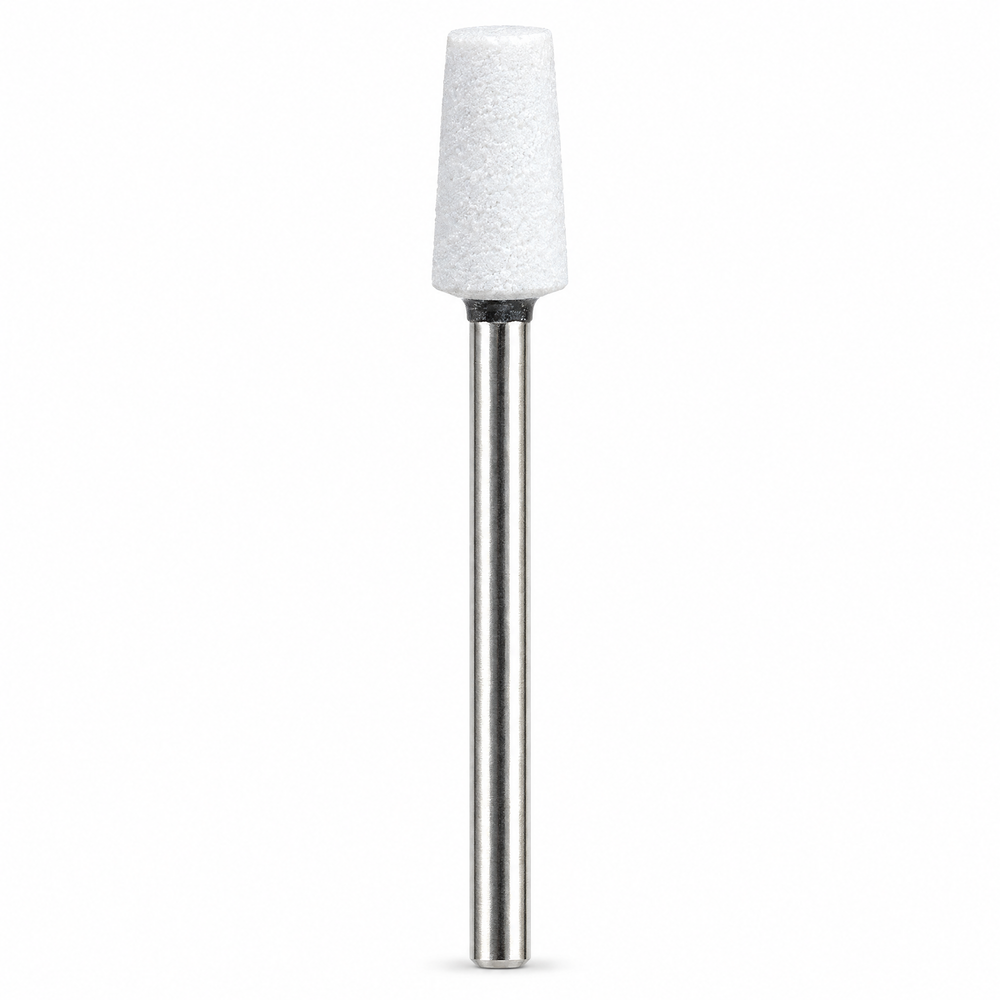
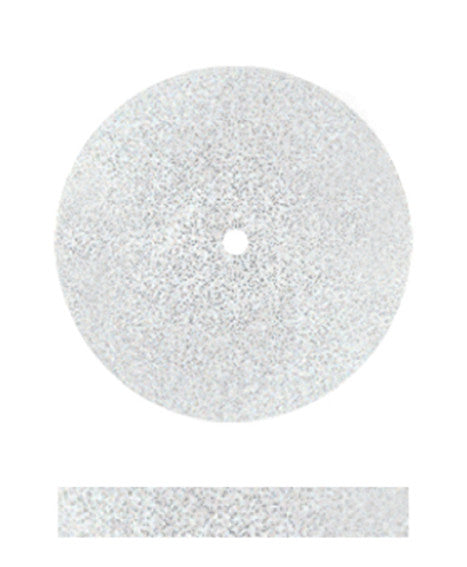


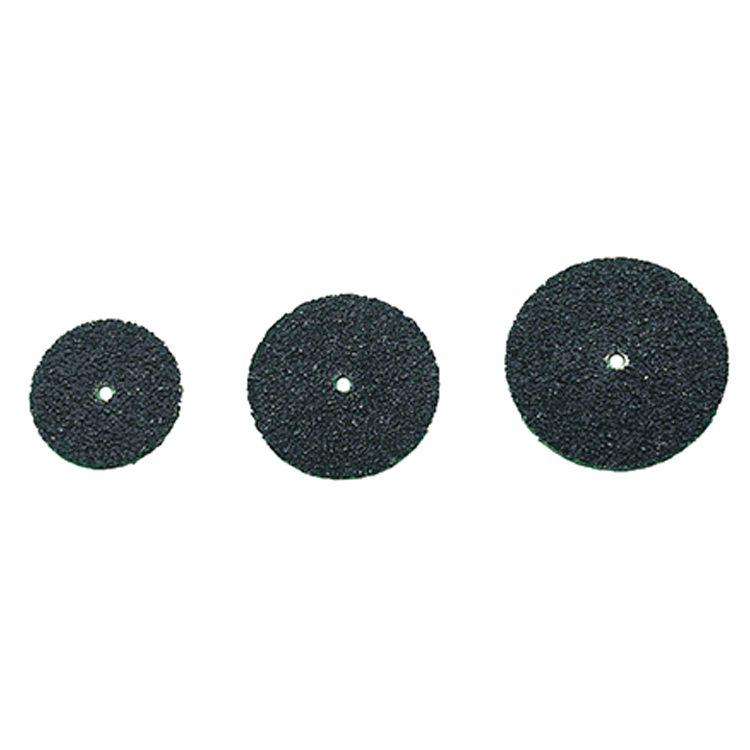
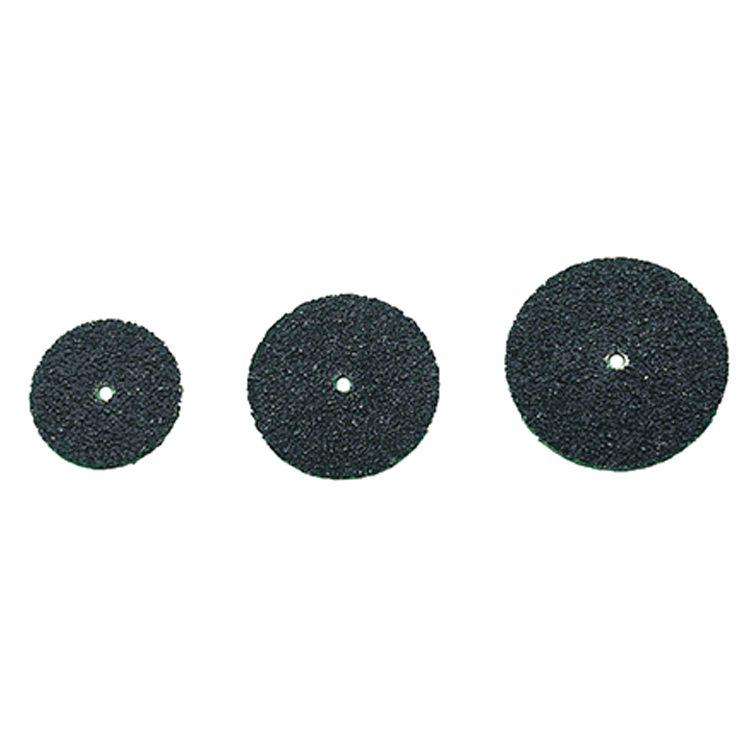

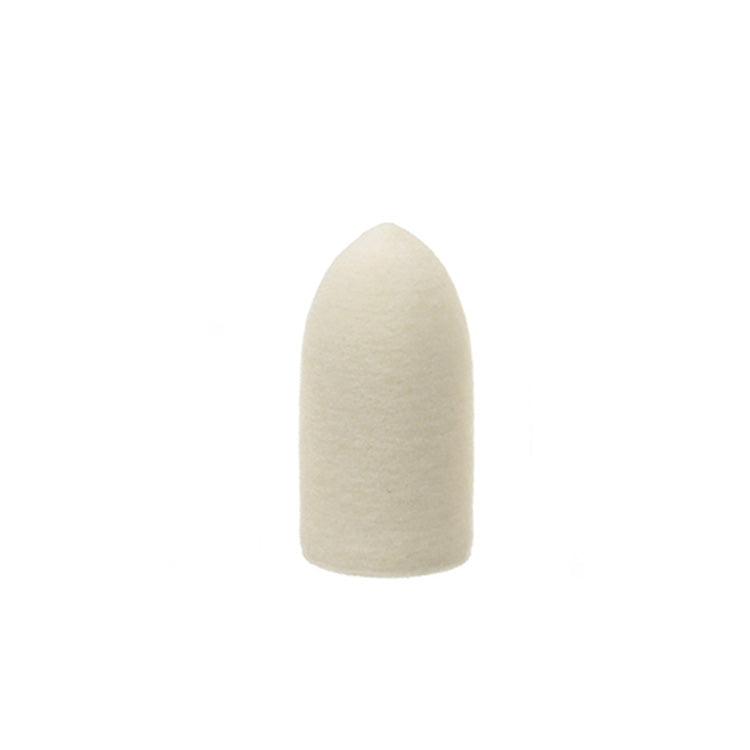


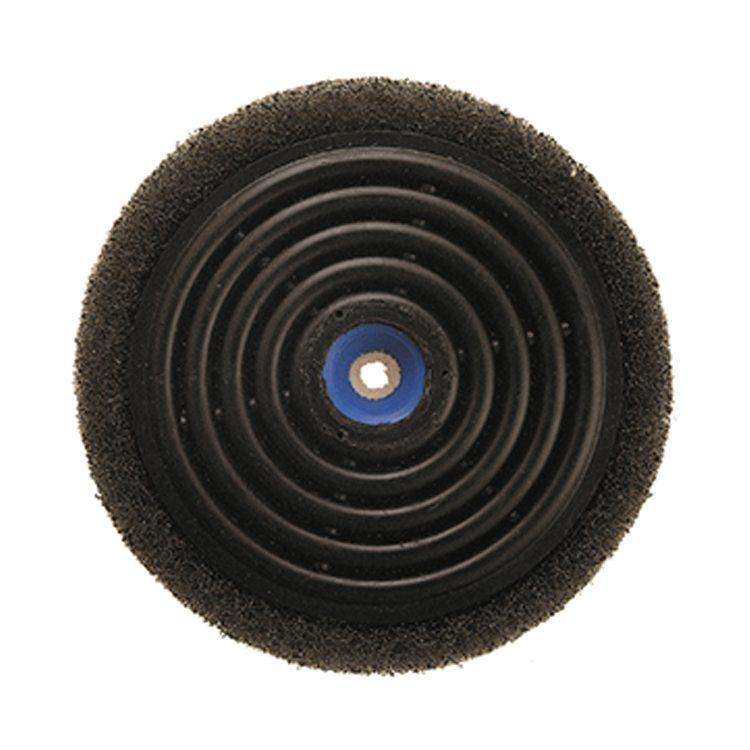
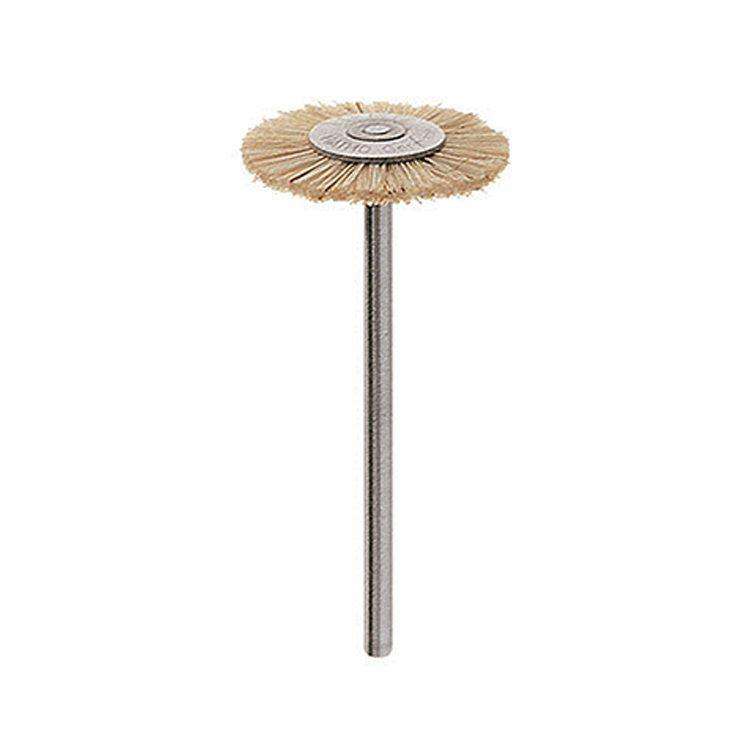

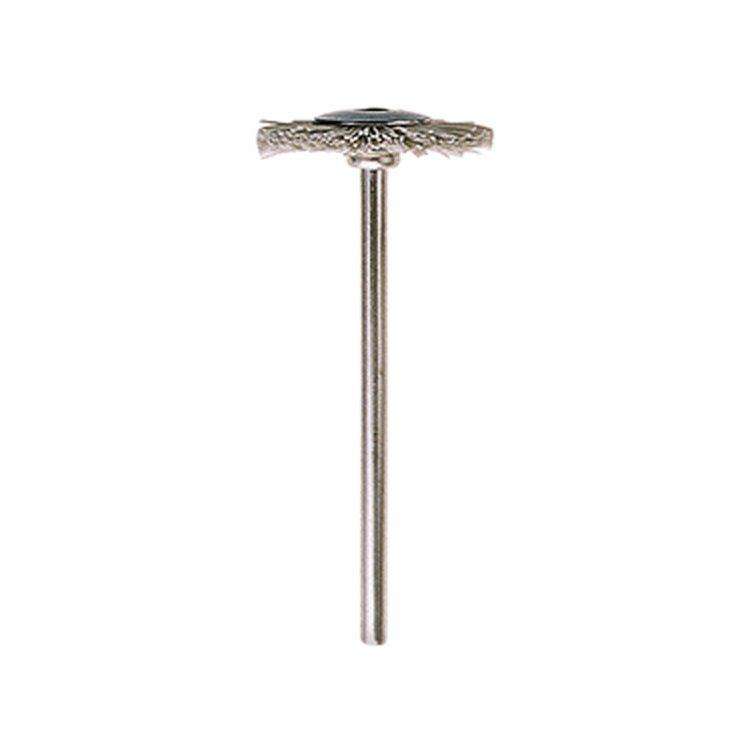


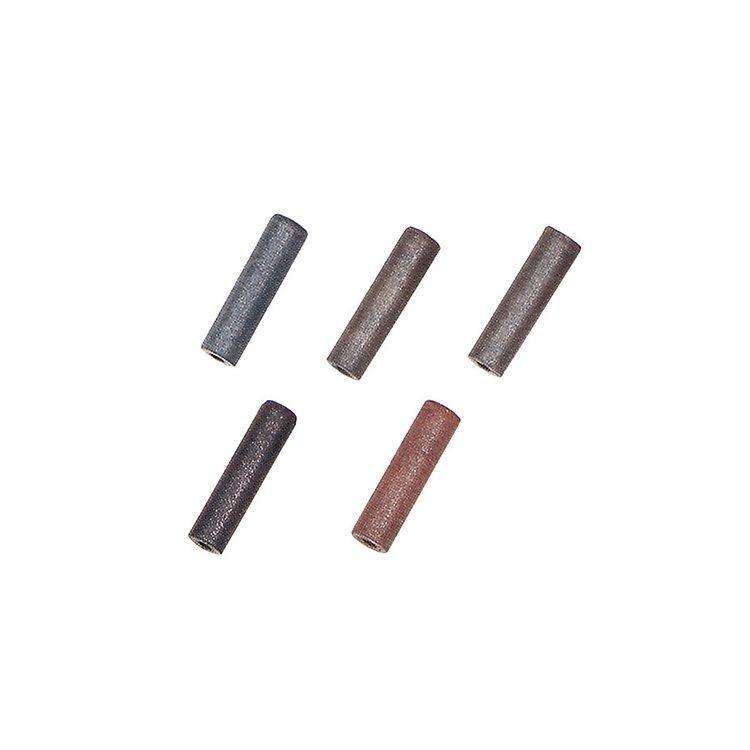

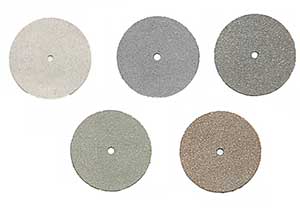
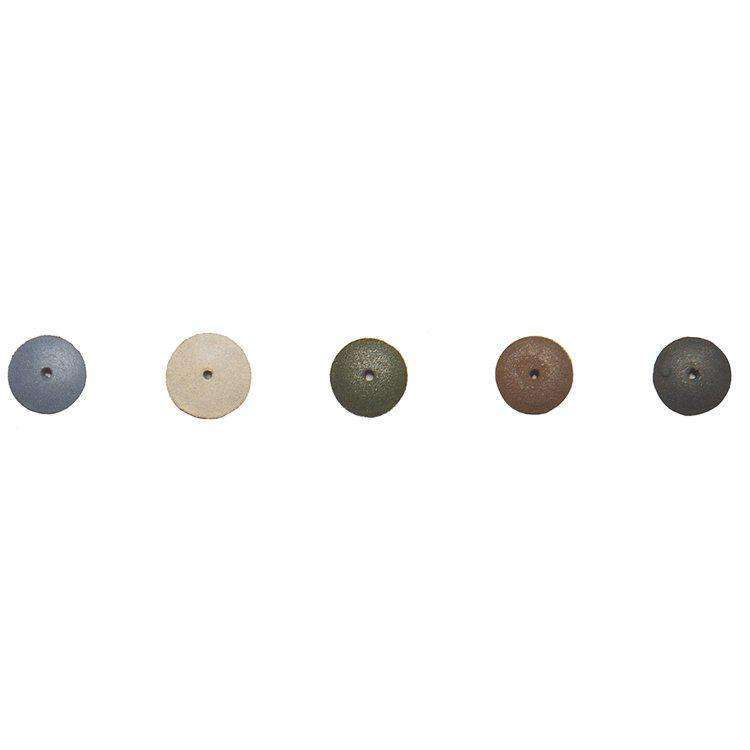

Polishing wheels, polishing points, cups and flexible silicone polishers for the final stage of restorative and laboratory finishing. These are impregnated abrasive instruments: the abrasive is bound into silicone, rubber or a fibre body, so the instrument conforms to the surface as it works. That is why a point reaches an occlusal groove, a cup follows a cervical curve and a wheel covers a broad facial or a denture flange, and why the same shape is stocked in several grades.
Systems come in one, two or three stages. Two-step polishing burs are the common chairside choice, with a pre-polish stage that removes bur marks and a high-shine stage that follows, in the same shape so the sequence is fast. Three-stage systems add an intermediate grade for harder surfaces such as ceramic and zirconia. Match the polisher to the material: composite polishers, ceramic and porcelain polishers, and acrylic polishers and trimmers are formulated with different abrasives and cut rates.
The shelf holds Dedeco polishers and wheels, RMH3 Dental Supply FG white flame and inverted cone shapes in 12-packs, Shofu instruments including the Zilmaster CA mini point for zirconia, Becht Scotch-Brite HP mounted wheels in fine and coarse and ProfiLab microfibre leather HP discs, Keystone Industries interproximal wheels, Harvest Dental YelloStone discs and Cargus MARK3 disposable latex-free finishing and polishing cups in 30-count boxes.
How to choose
- Material: composite polishers for resin, ceramic and porcelain polishers for glazed and zirconia surfaces, acrylic polishers and trimmers for denture work.
- Stages: two-step polishing burs for speed chairside, three-stage systems when you want maximum shine on hard ceramics.
- Shape: points for grooves and lingual surfaces, cups for cervical and convex areas, wheels and discs for broad facial surfaces and flanges.
- Shank: FG for the high-speed handpiece, RA or CA latch for the contra-angle, HP for laboratory mounted wheels and brushes.
- Reuse: sterilizable silicone polishers for repeat cycles, disposable cups when you want a fresh instrument per patient.
- Pack size: 12-packs for the shapes in every sequence, 30-count boxes for disposables, kits when you are standardising a protocol.
Frequently asked questions
What are two-step polishing burs?
A two-stage silicone system: the first, coarser grade removes bur marks and establishes the surface, and the second, finer grade in the same shape brings it to shine. It is faster than a four-disc sequence and works well on composite where contour is already correct.
Points, cups or wheels?
Points reach occlusal grooves, fissures and lingual surfaces. Cups follow convex and cervical contours without flattening them. Wheels and discs cover broad flat areas such as facial surfaces and denture flanges. Most operatories keep all three shapes in the grade they use most.
Can I use a composite polisher on zirconia?
Not effectively. Zirconia and glazed ceramic need diamond-impregnated polishers made for the material, such as a dedicated ceramic polishing point, because ordinary composite polishers are too soft to cut them and will burnish rather than smooth the surface.
Can silicone polishers be autoclaved?
Most reusable silicone polishers are autoclavable, but the cycle count before they lose cutting efficiency is limited and varies by system, so follow the maker instructions. Disposable cups and points avoid the question entirely and are sold in boxes for single-appointment use.
How long does shipping take?
Polishers ship from our Northern Virginia warehouse, and in-stock items ordered by 3 PM ET leave the same day. Because polishers are consumed faster than burs, most practices order the shape and grade they use daily in 12-packs rather than singles.