
Articulators
28 products


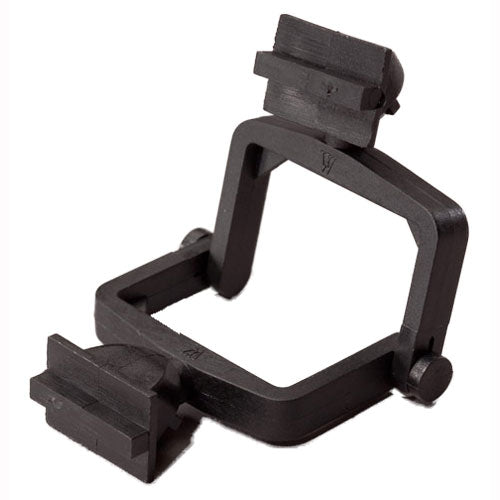


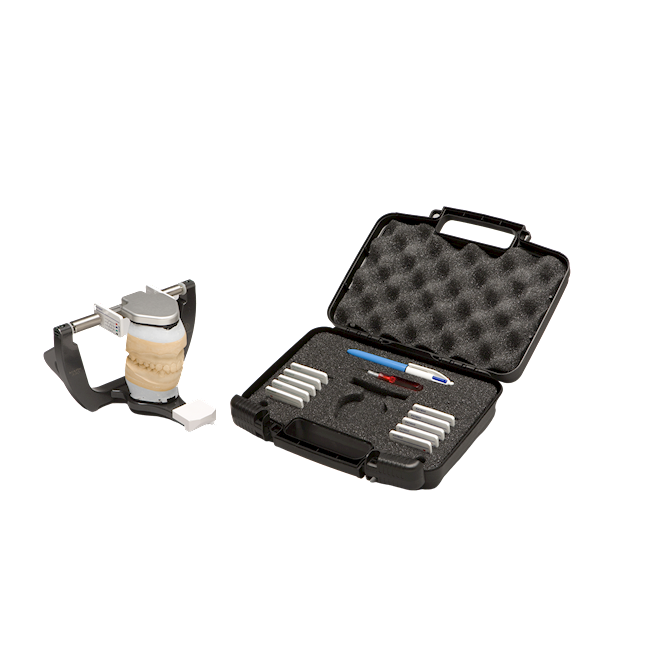


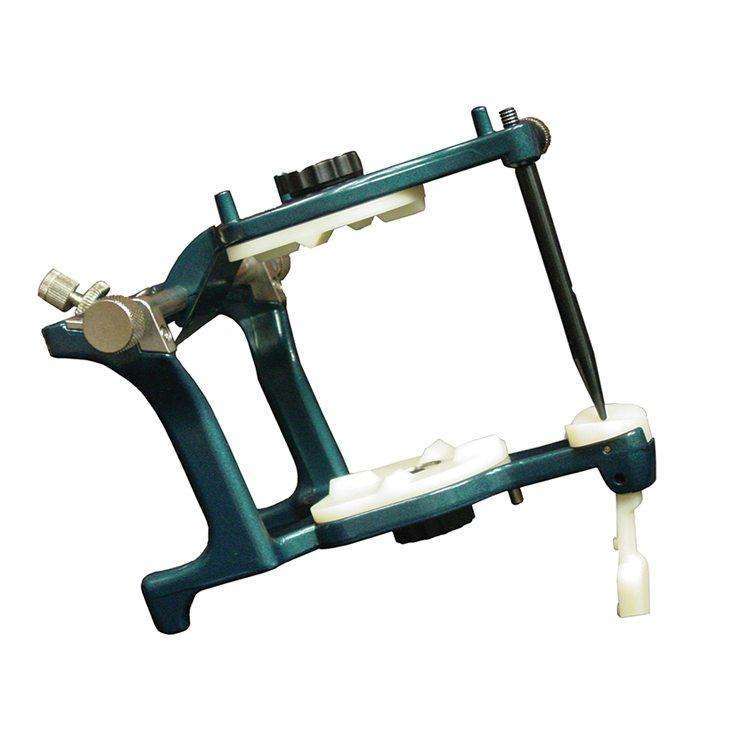


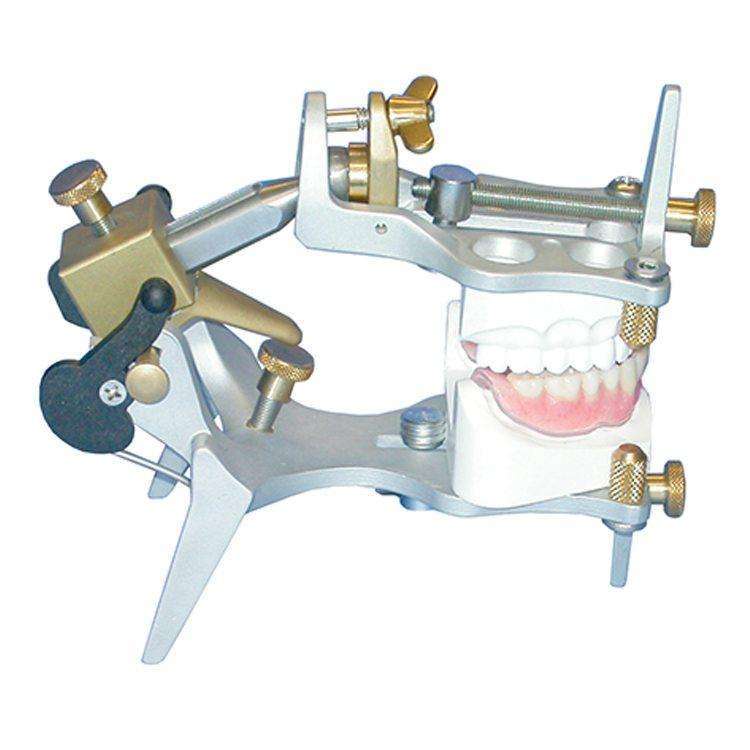


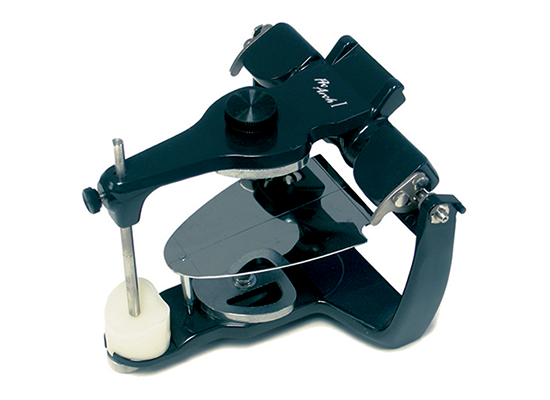
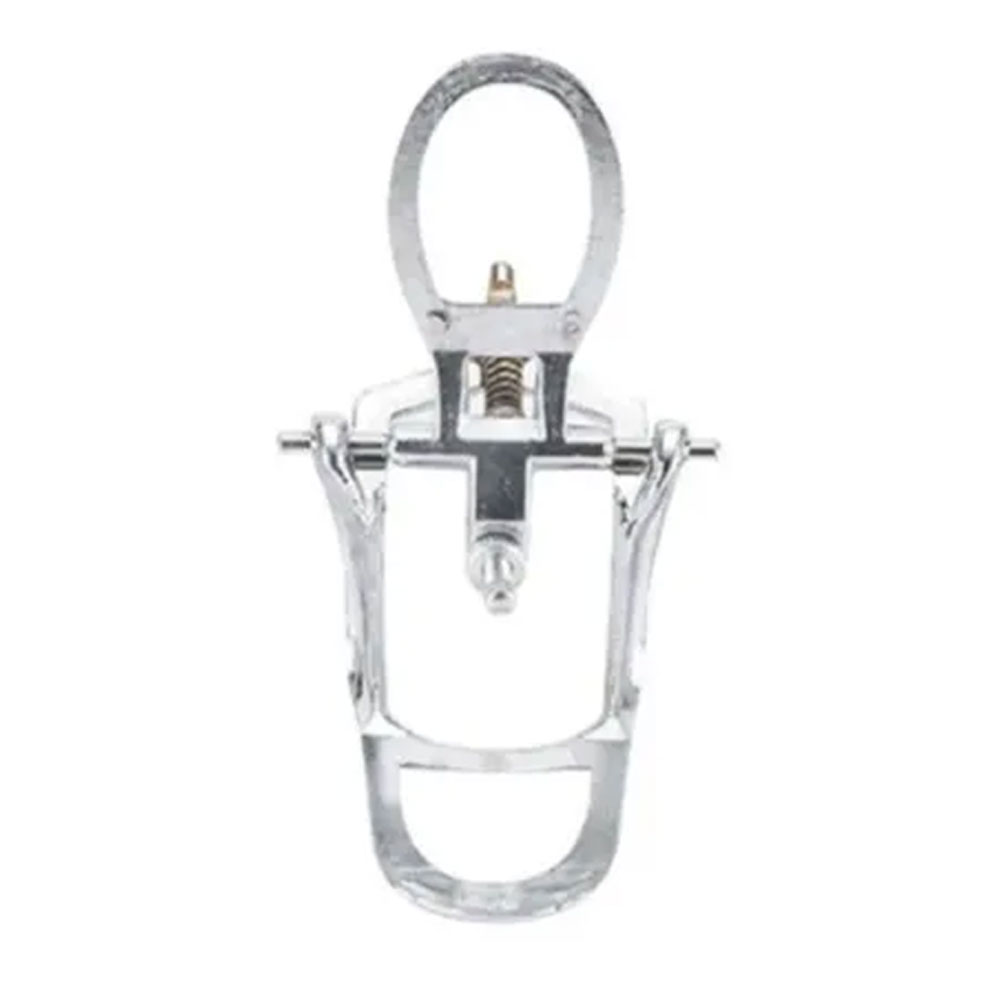
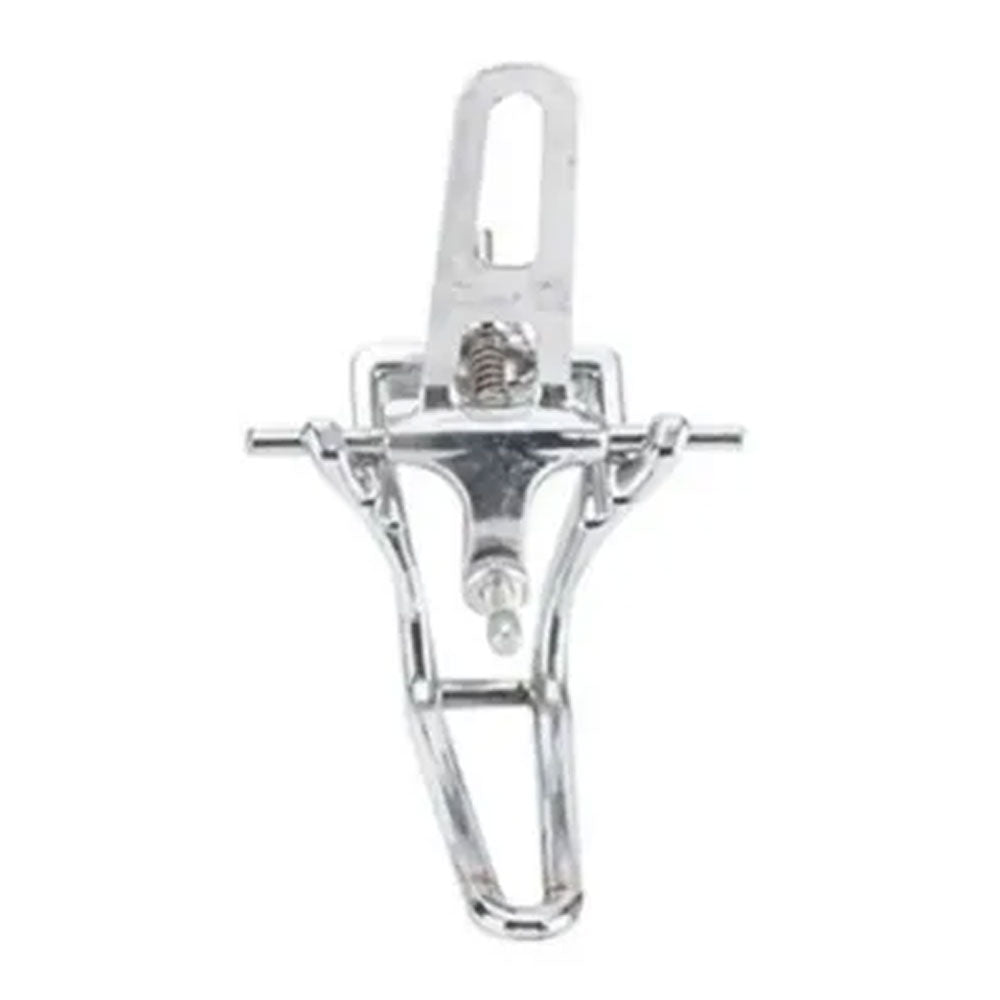
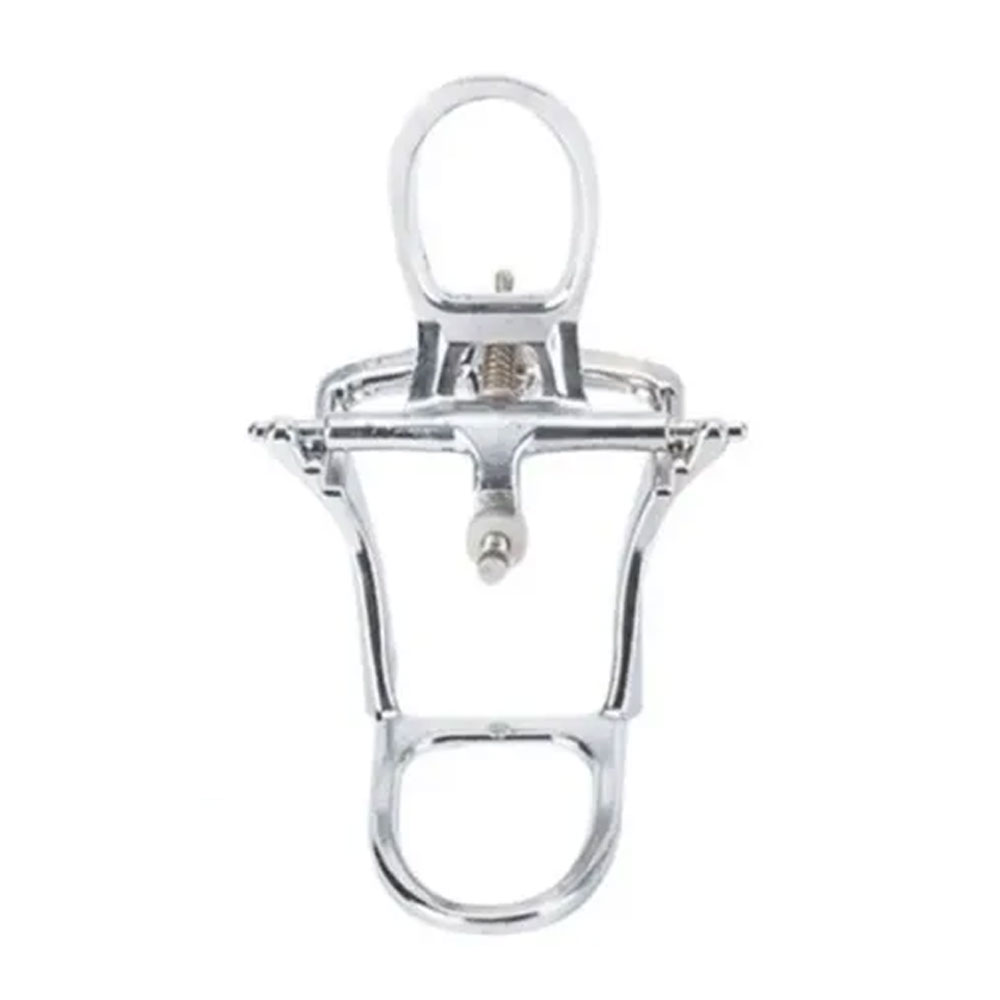
This shelf is the instruments themselves: semi-adjustable articulators, disposable articulators and articulator kits, about 28 listings from Keystone Industries, RMH3 Dental Supply, Whip Mix, Buffalo Dental, Harvest Dental, Ray Foster and Shofu Dental Corp.
A semi-adjustable articulator reproduces more than a hinge. Condylar inclination and Bennett angle can be set from a patient record, so protrusive and lateral excursions are approximated rather than ignored, which is what full-arch reconstruction, removable prosthetics and occlusal appliance work need. A plasterless articulator trades some of that rigidity for speed: casts are held by clamps or plates instead of mounting stone, which removes the mounting and cleanup step on routine cases.
Disposable articulators are the volume tool. Harvest Dental slotted-hinge articulators come 100 to the pack, slotted ABS plastic and nylon designs cover the same job, and RMH3 Dental Supply zinc alloy spring articulators are stocked in small, medium and large for cases that need a firmer hinge than plastic but are still not worth a bench instrument. Chrome denture and crown-and-bridge articulators from Keystone, Buffalo Dental and Ray Foster sit between the two.
How to choose
- Work back from the case: excursive movement and full-arch work need a semi-adjustable instrument; a single crown does not.
- Choose plasterless if mounting time is your bottleneck and your cases are routine; choose a plaster-mounted instrument when repeat accuracy matters most.
- For disposables, pick the material by how much force the case sees: nylon and ABS for light work, zinc alloy spring articulators for a firmer hinge.
- Size the spring articulator to the arch: small, medium and large are stocked because one size will distort a case at the edges.
- Buy disposables by the 100-pack if you mail cases out; buy singly only for the instruments you expect back.
- Check the mounting plate system before buying an instrument, since plates, stands and spare parts are ordered per family.
Frequently asked questions
What is a semi-adjustable articulator?
An instrument whose condylar elements can be set to approximate a patient's condylar inclination and Bennett angle, usually from a facebow and interocclusal records. It reproduces protrusive and lateral excursions closely enough for full-arch, removable and occlusal work, without the individualized settings of a fully adjustable instrument.
When should I use a disposable articulator?
For single units, short-span crown and bridge, opposing models and any case being mailed. A simple hinge mounted in maximum intercuspation is enough when the restoration is not changing the vertical dimension or guiding excursions, and a disposable does not have to come back to the lab.
What is the advantage of a plasterless articulator?
It clamps casts mechanically instead of mounting them in stone, which removes mixing, setting and cleanup from every case and keeps the bench dry. The trade is a slightly less rigid, less repeatable mounting than plaster, so it suits routine cases rather than full reconstructions.
Are spring articulators reusable?
Zinc alloy spring articulators are sturdier than a moulded plastic hinge and can be reused if they come back clean and the spring tension is intact. Most labs treat plastic and nylon articulators as single-case items and keep the metal ones on the bench.
How are articulators packed?
Disposables are sold by the pack or bag, typically 100 per pack; spring articulators are stocked by size; chrome and semi-adjustable instruments are sold individually. In-stock items ordered by 3 PM ET ship the same day from Northern Virginia.