

Sold out

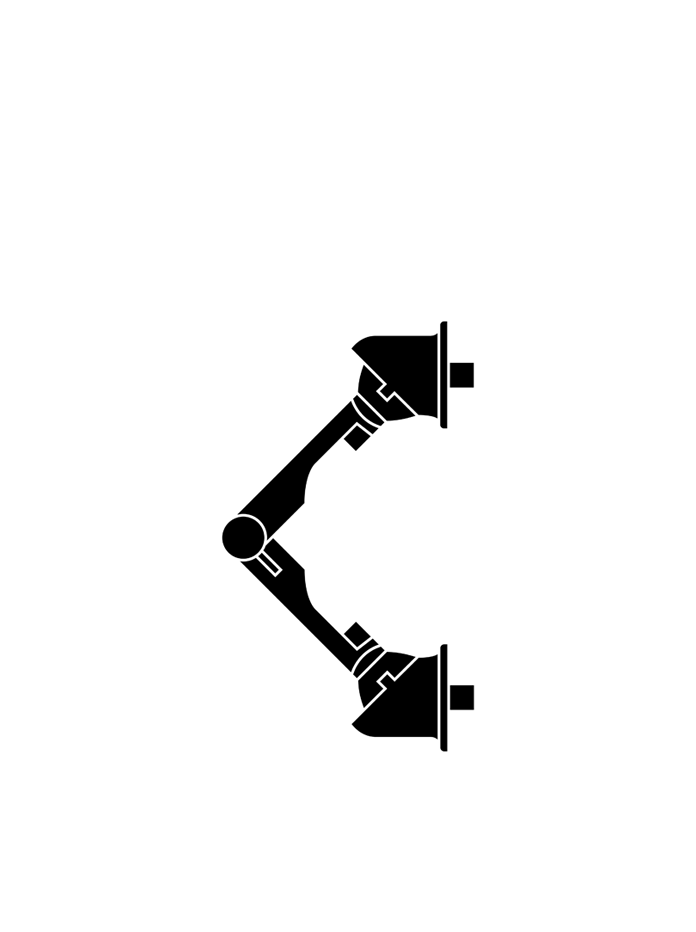
Ray Foster Foster/ Apex #2 #50 Chrome Articulators, Single Unit. Full arch/denture style. The width at the joint is 1-3/4" (45 mm) with a vertical parallel height of 2-1/8" (54 mm) and condylar inclination of 25. The small size of this articulator allows the versatility to use for full or partial work and it is very comfortable to hold in one hand. Catalog 50 feature identical dimensions and is die cast and chrome plated.
Product
- Manufacturer
- Ray Foster
- Manufacturer #
- #50
- Item code
- 006-0028
- UPC / Barcode
- #50
Catalog path
- Marketplace
- Laboratory
- Category
- Articulators & Facebows
- Subcategory
- Articulators
Ordering
- Status
- Sold out
More from Articulators
In stock in the same subcategory. Not the same product — check the specs before you swap.




Questions
What is Ray Foster Apex #2 Articulator, Chrome used for?
Ray Foster Foster/ Apex #2 #50 Chrome Articulators, Single Unit.
When does it ship?
In-stock orders placed before 3 PM ET ship the same day; anything not on our shelf ships within 3 business days.Ground shipping is free over $10.
About semi-adjustable articulators
A semi-adjustable articulator allows adjustment to simulate the movements of the lower jaw; the glossary names it a Class III articulator. A Class III instrument simulates the paths of the jaw joints by using averages or mechanical equivalents for all or part of the motion. It lets the casts be oriented relative to the joints, and it may be of arcon or nonarcon design.
An articulator is a mechanical device that simulates the movements of a patient's upper and lower jaws. Plaster casts of the teeth and gums are placed in it to reproduce the bite and the way the jaws meet. The FDA lists the articulator as a Class I device (21 CFR 872.3150).
The Glossary of Prosthodontic Terms sorts articulators into four classes by how much jaw movement they can reproduce. Class I is a simple holding instrument that accepts a single static registration; Class II allows horizontal as well as vertical motion but does not relate it to the jaw joints. Class IV, the fully adjustable articulator, accepts three-dimensional dynamic registrations.
How the types of articulator differ
- Semi-adjustable articulators — Adjustable to simulate jaw movement, where the simplest class only holds the casts in one static position.
- Disposable articulators — A small hinge made for a single case.
What to look at when choosing an articulator
Adjustment: the class tells how much movement the instrument can reproduce, from a single static position to recorded three-dimensional movement.
Arcon or nonarcon: an arcon articulator carries the condylar elements in its lower member and the condylar paths in its upper member, as in the jaw. In a nonarcon design the condylar element is part of the upper member.
Facebow: a facebow records how the upper arch sits relative to anatomic reference points and transfers that relationship to the articulator.
Mounting: casts attach to the upper and lower members through removable mounting plates of metal or resin.
Sources: FDA 21 CFR 872.3150, Articulator · The Glossary of Prosthodontic Terms, 9th edition (J Prosthet Dent 2017)
