
Finishing & Polishing Discs
331 products
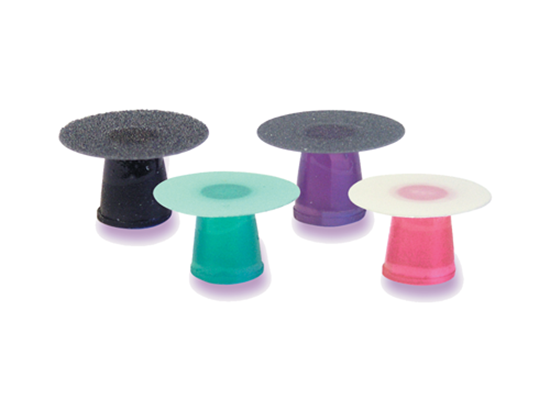
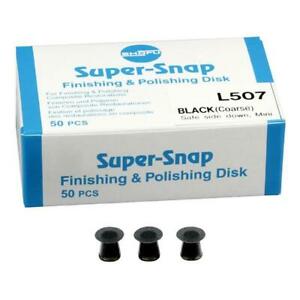
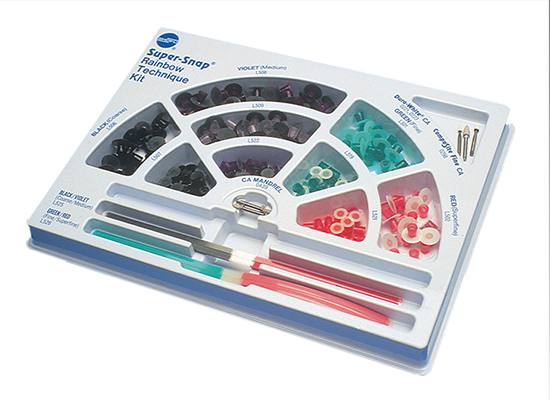
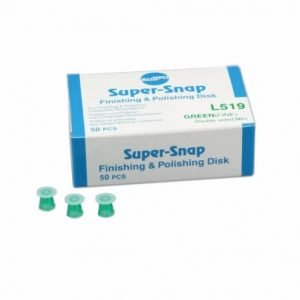








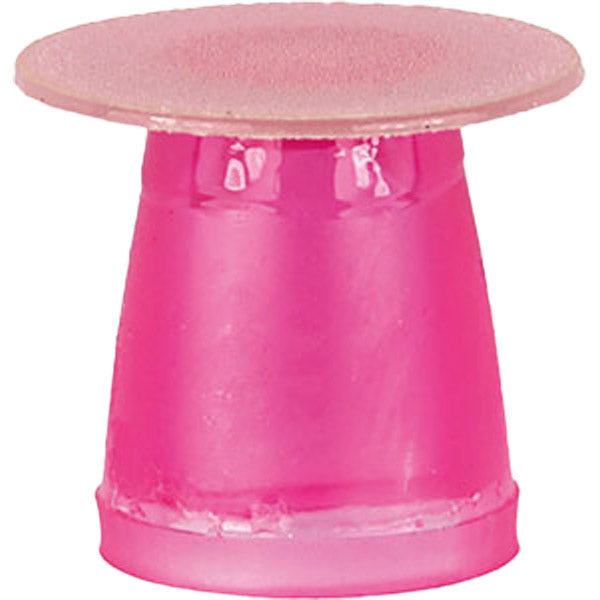


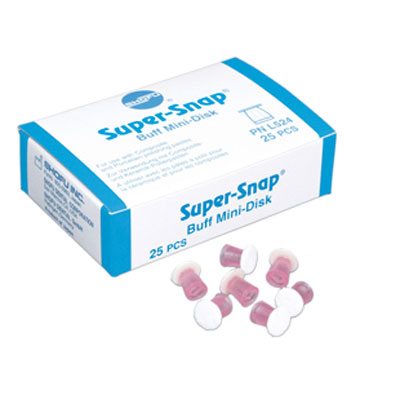


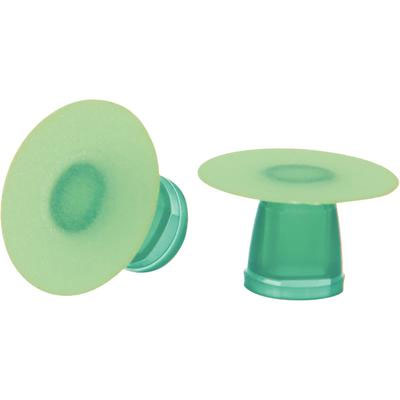


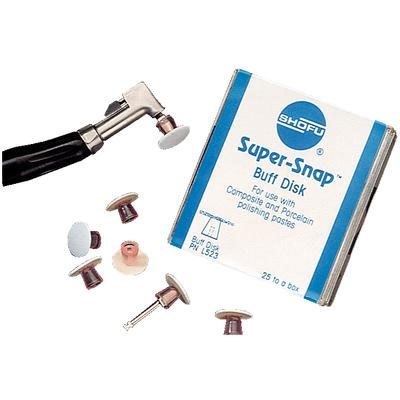
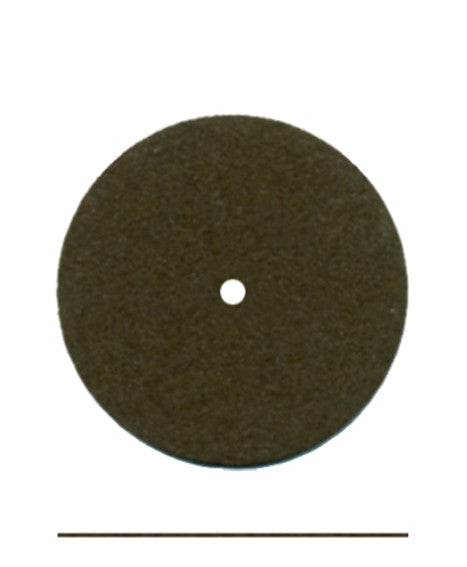



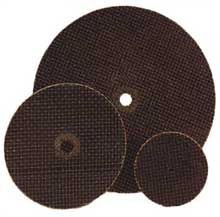




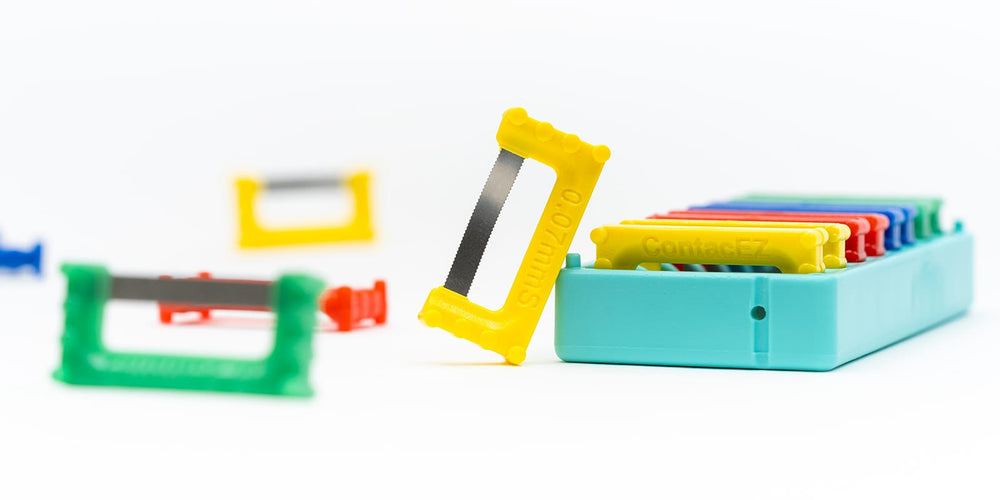


Discs and strips for contouring, finishing and polishing restorations, plus the separating and cut-off discs a laboratory uses to section metal and ceramic. Finishing discs are coated abrasive discs, usually aluminium oxide on a flexible backing, supplied in a grit sequence from coarse through medium, fine and superfine. Composite polishing discs are the standard way to finish anterior facial and incisal surfaces, because a flexible disc follows a convex contour that a rubber point or a bur cannot reach without flattening it.
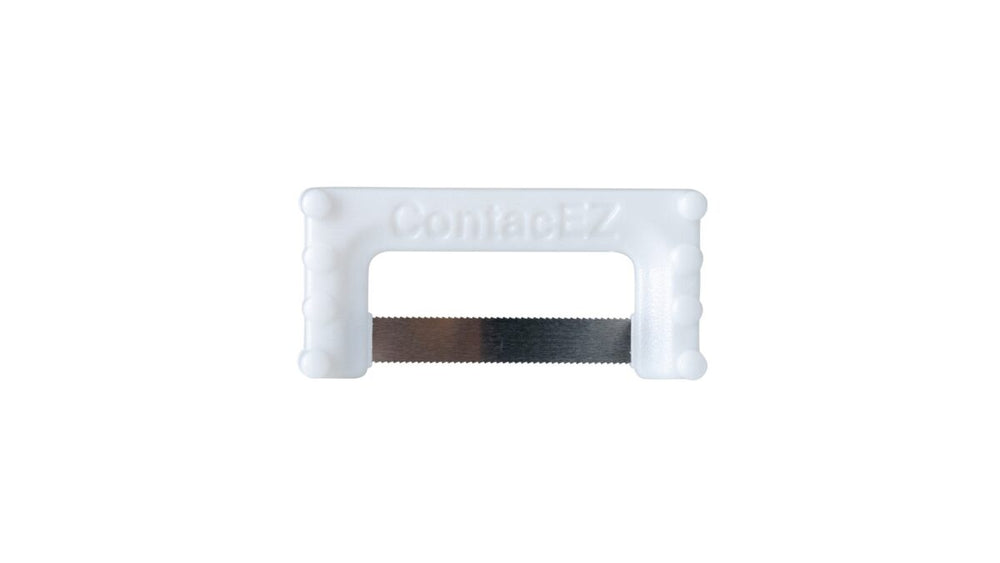
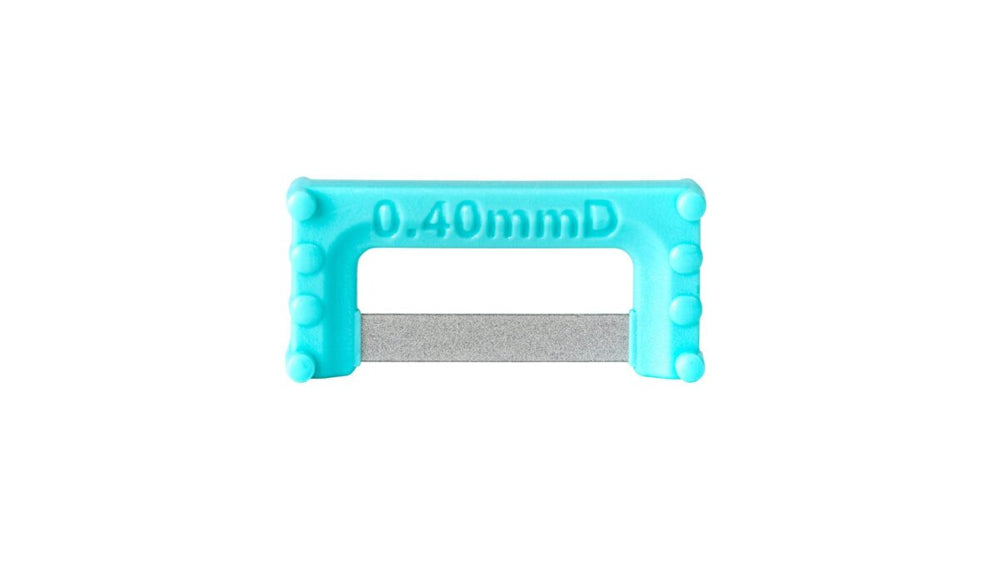
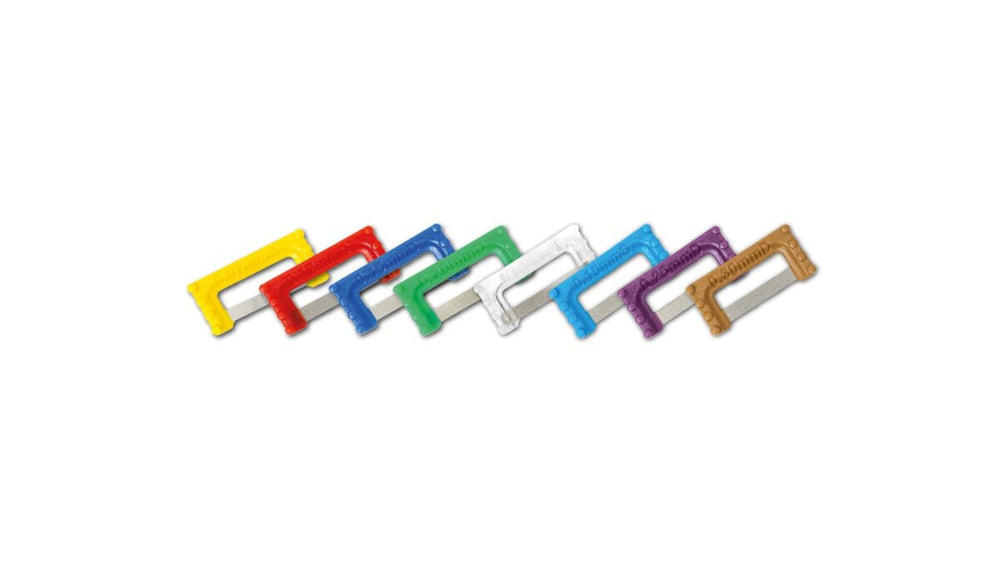
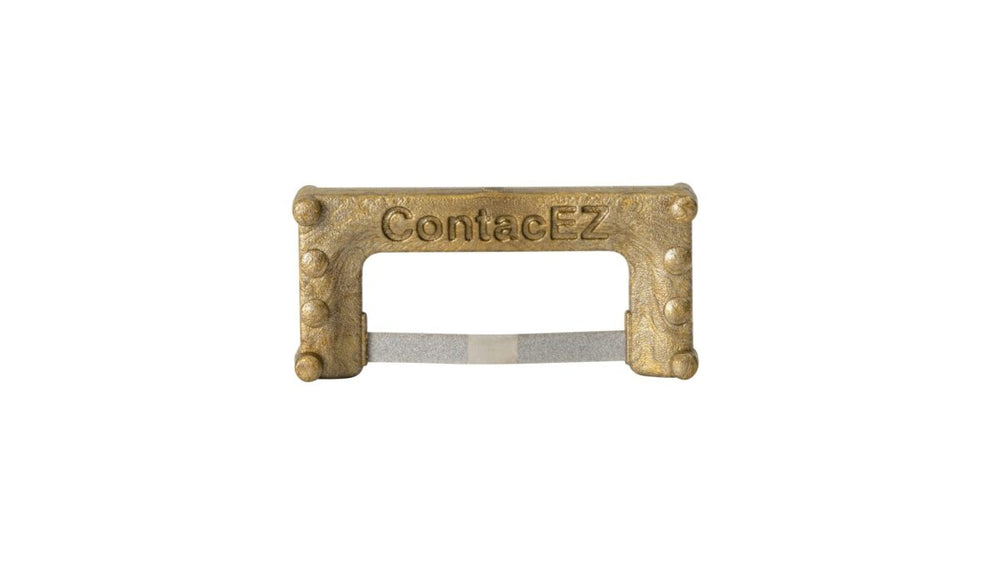
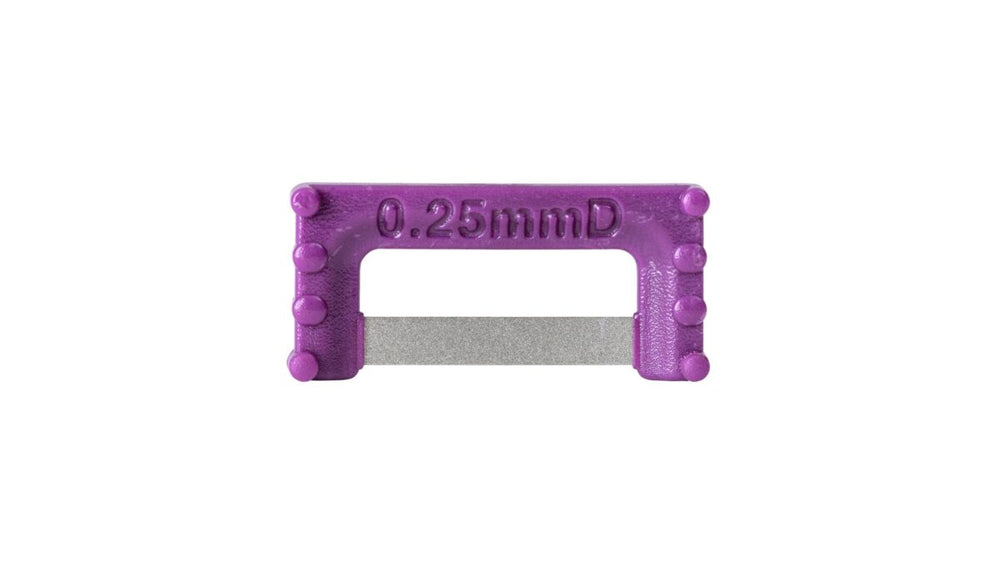
Polishing strips do the same job interproximally, where no rotary instrument fits. Abrasive strips are coated on one or both sides and come in widths that suit either the embrasure or a broad contact, while safe-side steel separating strips carry an uncoated edge so the adjacent tooth is protected. On the laboratory side, separating and cut-off discs in reinforced abrasive and diamond forms section sprues, metal frameworks and ceramic.
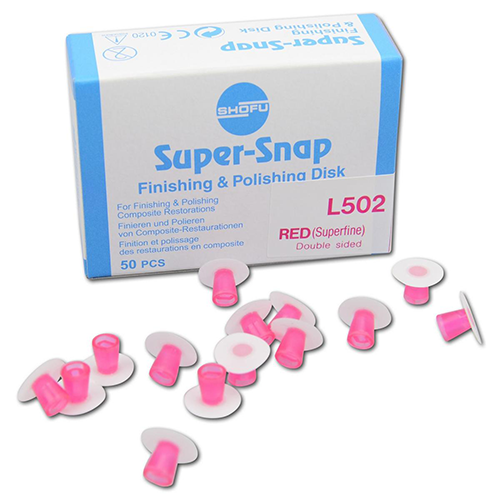
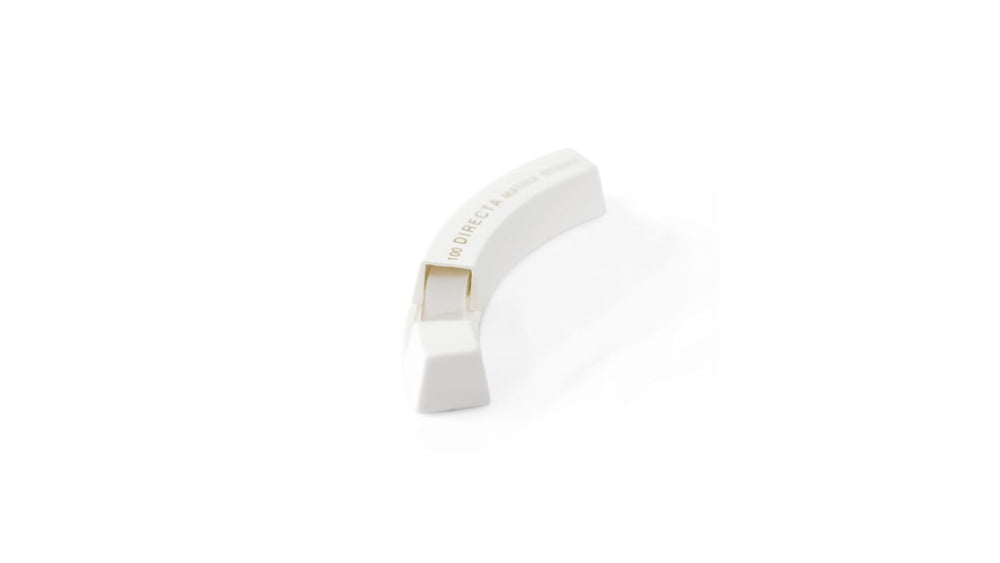
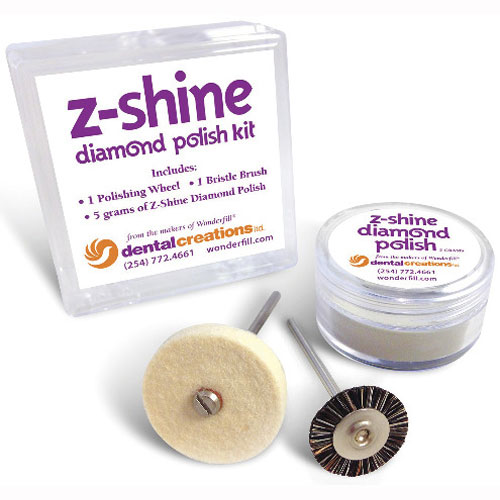
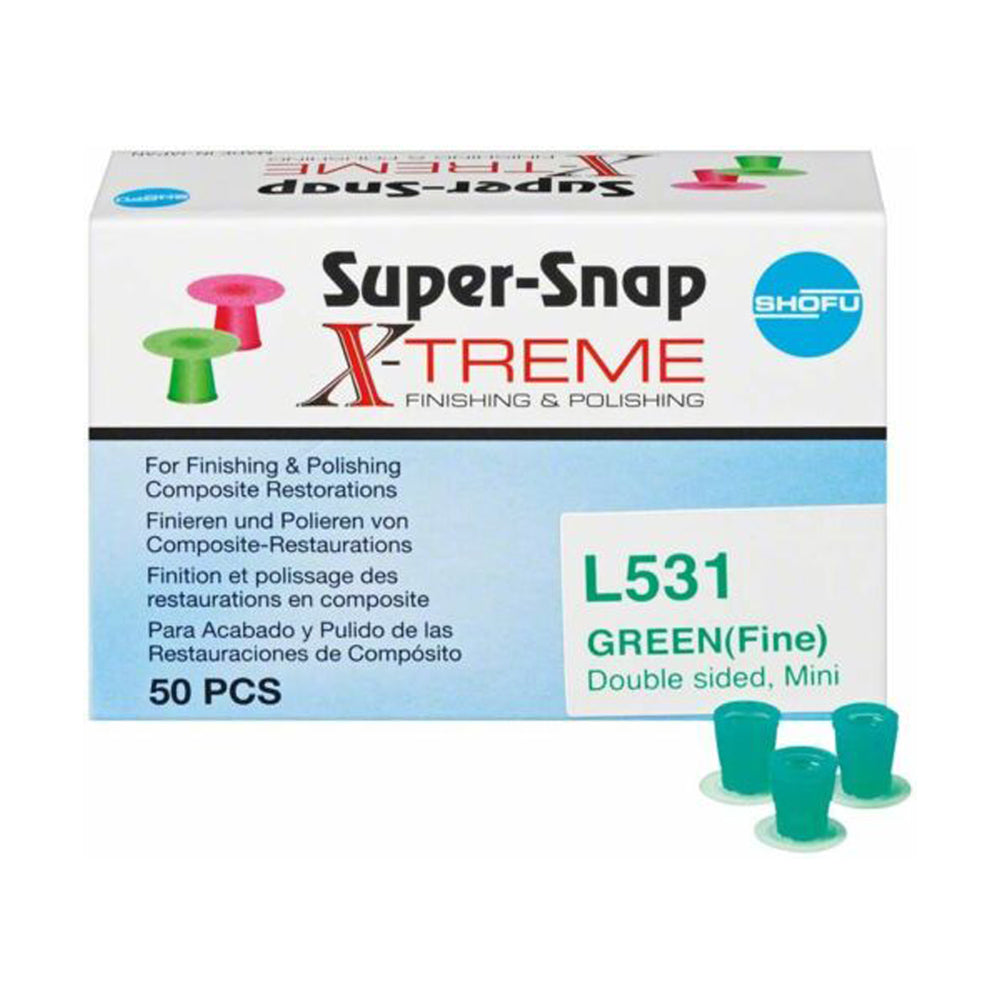
Brands here include Shofu and Shofu Dental Corp, with Super-Snap X-Treme mini disks in 100-count boxes and Super-Snap Polystrips in green and red for fine and superfine work and black and violet for coarse and medium, plus Dedeco Elite reinforced discs, Keystone Industries, Directa, Renfert, FGM, Dental Creations Ltd and Becht amalgam polishing and safe-side separating strips in 4 mm and 6 mm widths.
How to choose
- Grit sequence: start coarse only if you need to contour, then step through medium, fine and superfine without skipping, or the scratches stay.
- Diameter: mini disks for anterior and tight embrasures, standard diameters for broader facial surfaces and posterior access.
- Backing and mandrel: snap-on plastic centres protect the tooth surface, metal-centred discs give more rigidity, and the mandrel type must match your contra-angle.
- Strips: coated abrasive polishing strips for finishing contacts, safe-side steel separating strips when the neighbouring tooth must be protected.
- Material: choose discs graded for composite, and reserve reinforced separating and cut-off discs for metal and ceramic work on the bench.
- Pack size: 100-count boxes and 12-packs for daily finishing, single kits when you are trialling a system.
Frequently asked questions
How many disc grits do I need to polish a composite?
Most systems use four: coarse to contour, medium to refine, fine to smooth, superfine to shine. If the restoration was placed close to final contour you can begin at medium. Each grit must fully remove the scratches from the previous one before you step down.
What is the difference between finishing discs and polishing discs?
Finishing discs are the coarser end of the same family and remove material to establish contour and remove flash. Polishing discs use fine and superfine abrasives and remove almost nothing, working the surface to lustre. Most disc systems put both in one grit sequence.
When should I use a polishing strip instead of a disc?
Use a strip whenever the surface is interproximal and the contact stops the disc. Strips finish the flash left below the contact point after placing a Class II or Class III restoration. Safe-side strips are the safer choice when the adjacent tooth is intact.
Are separating discs the same as finishing discs?
No. Separating and cut-off discs are reinforced or diamond-coated discs made to section metal, ceramic and acrylic on the bench, and they are used in the laboratory handpiece with eye protection. Finishing discs are flexible coated abrasives for polishing restorations in the mouth.
How fast can I get discs and strips?
They ship from our Northern Virginia warehouse, and in-stock discs and strips ordered by 3 PM ET go out the same day. Disc boxes are small and light, so adding a spare grit or a second box of mini disks rarely changes delivery cost.