
Carbide Burs
1,424 products
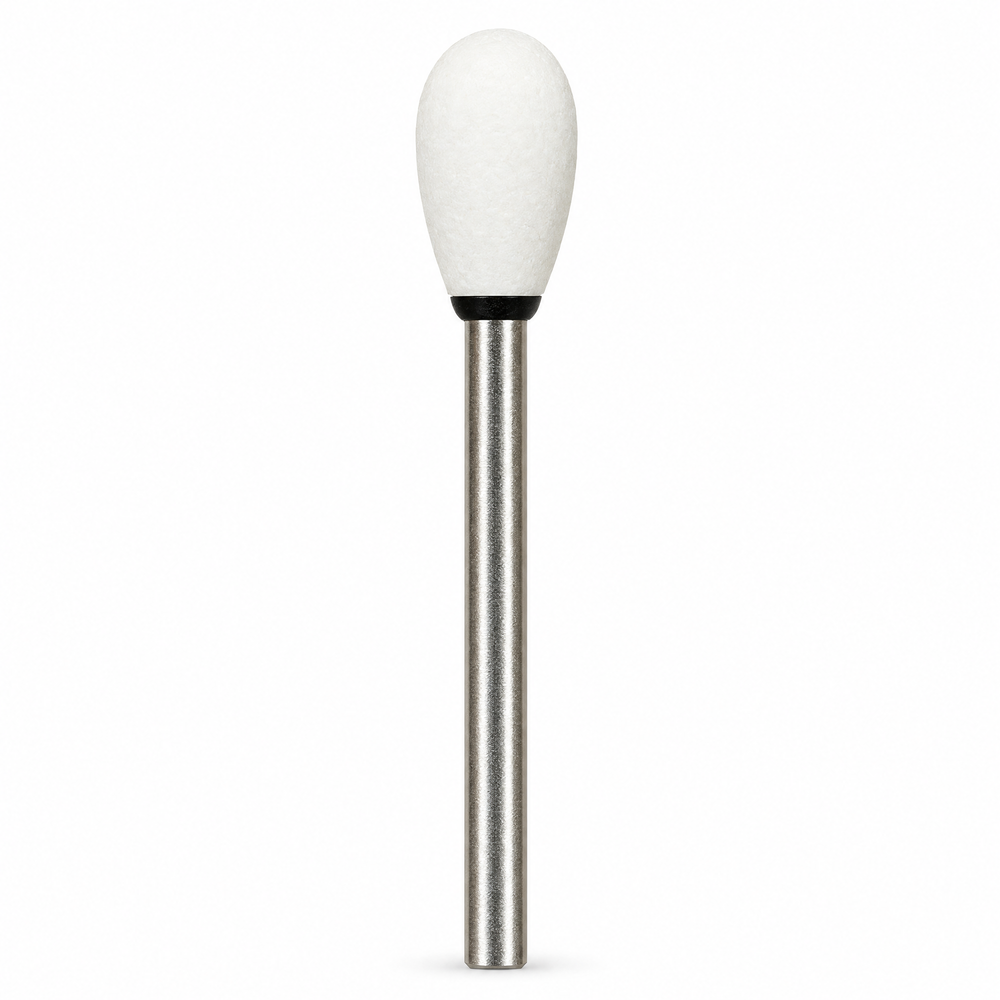
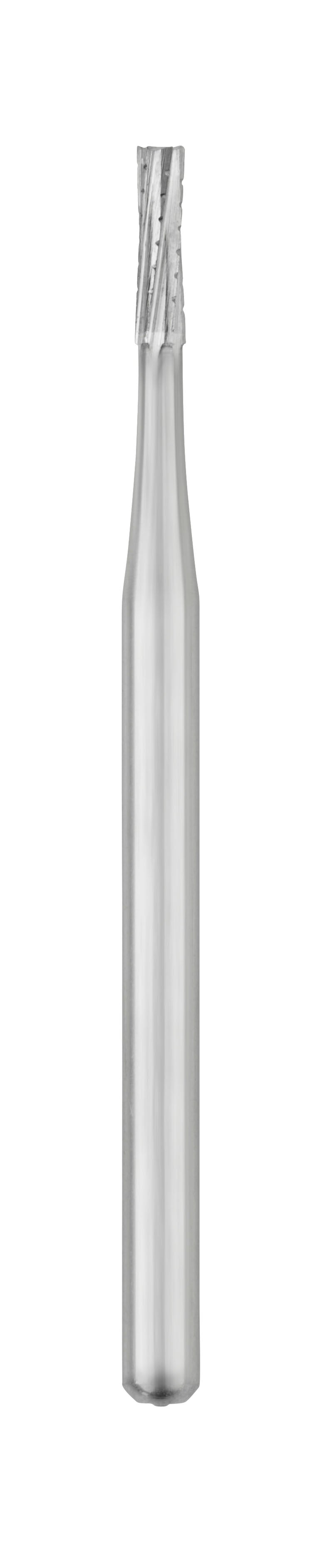

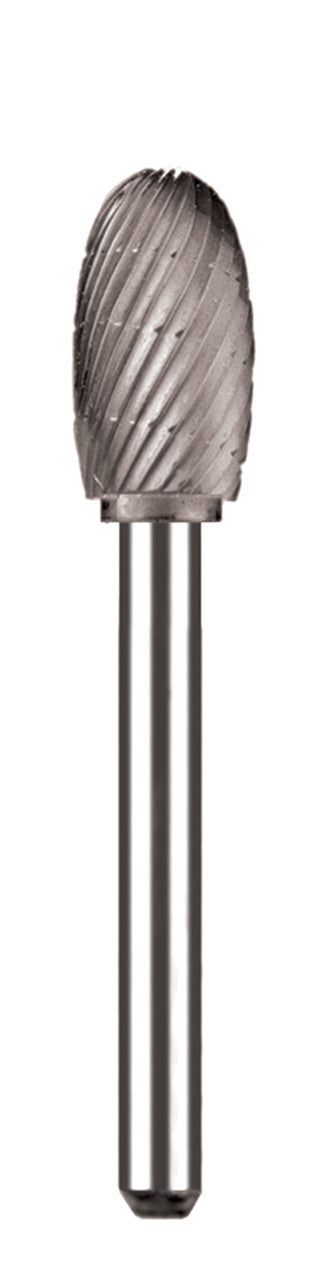


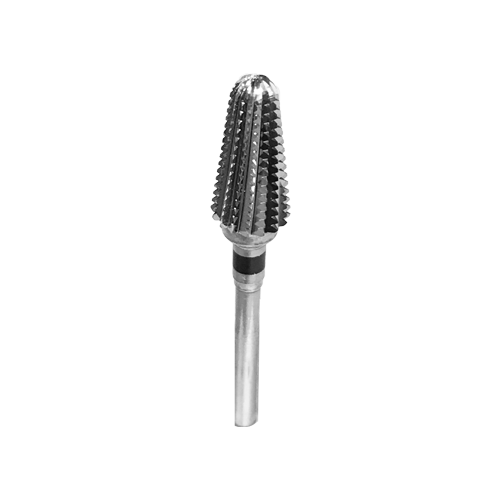

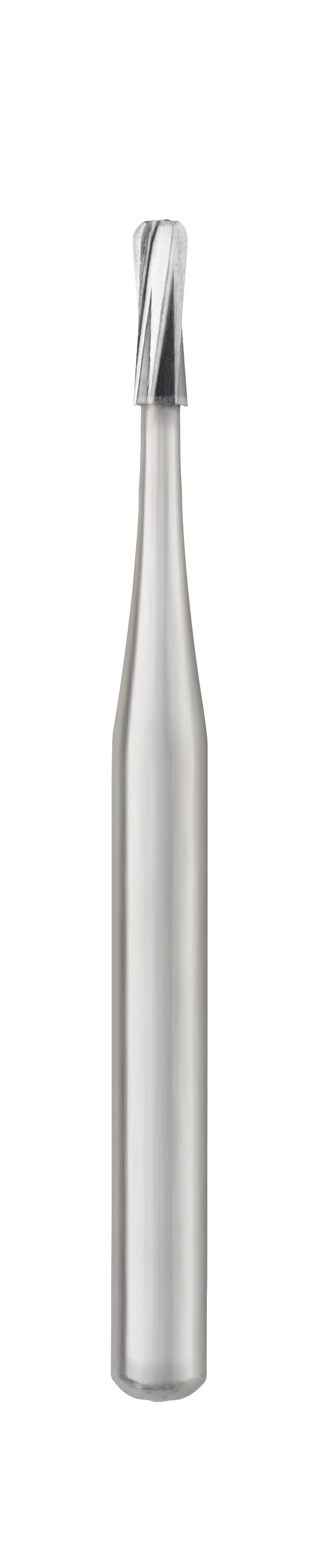


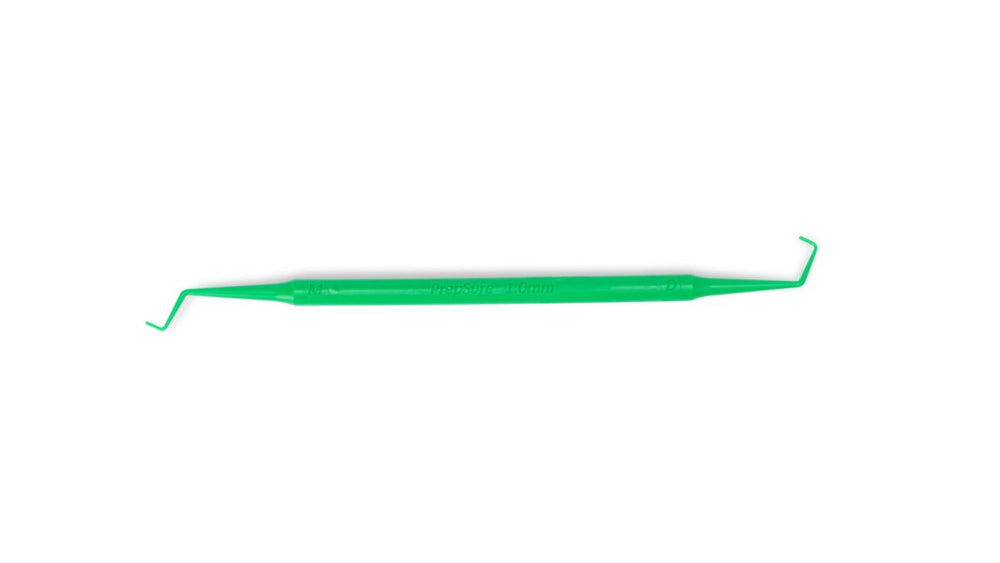


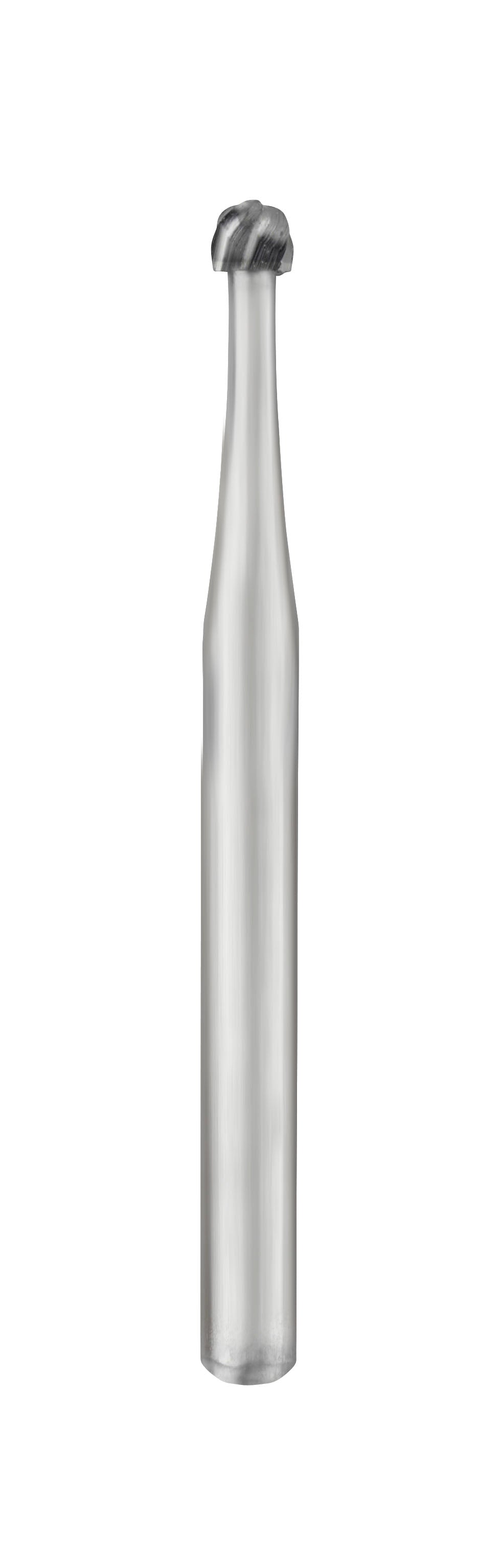
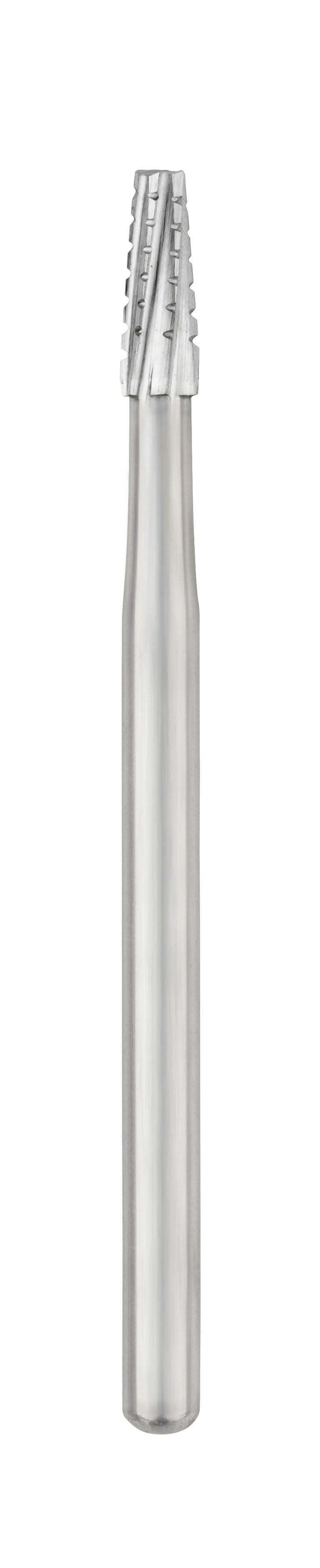







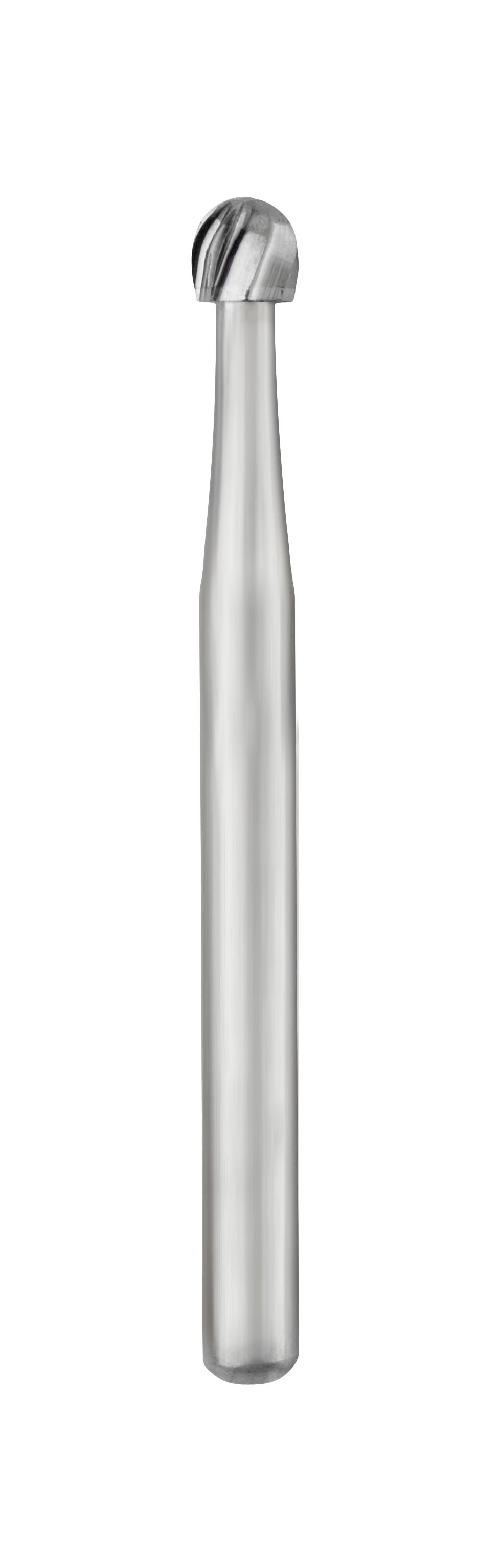
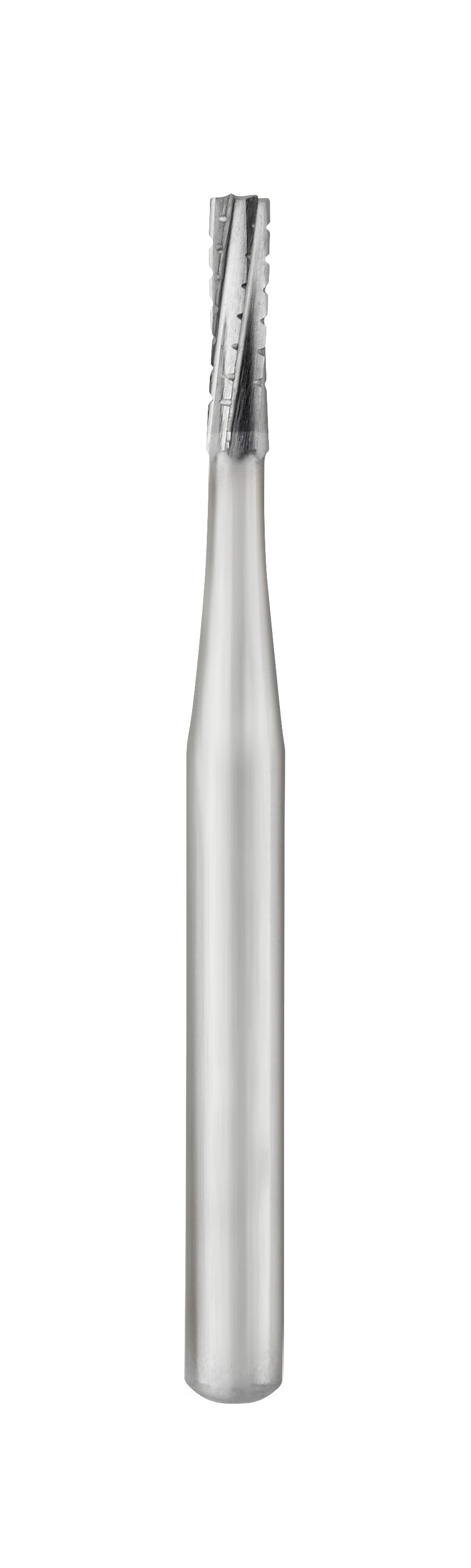


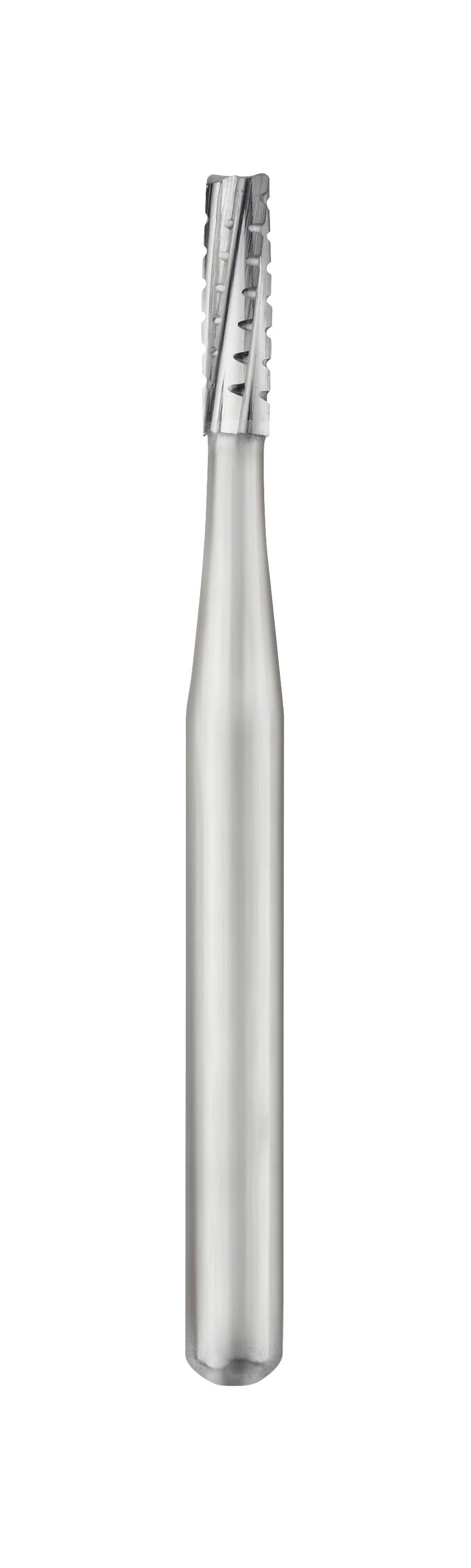


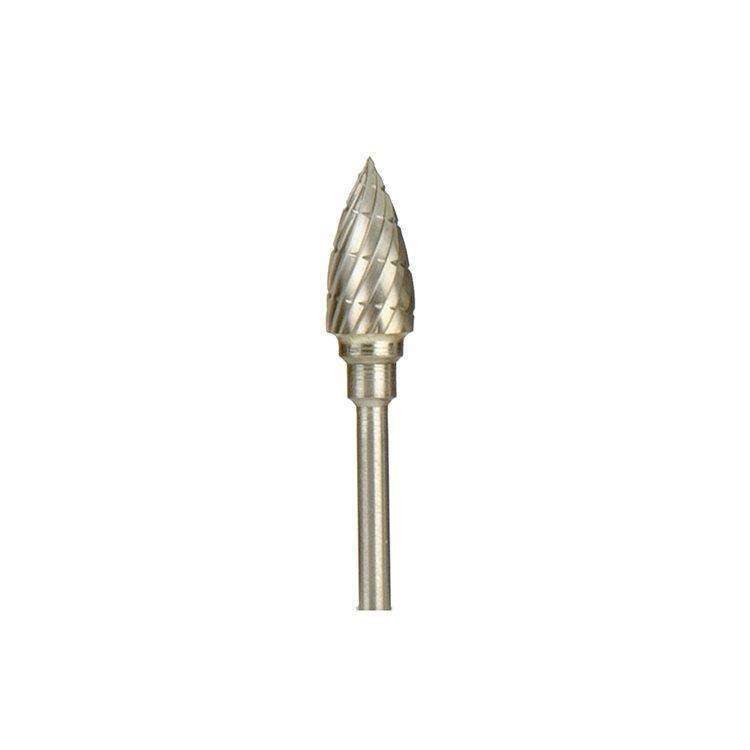
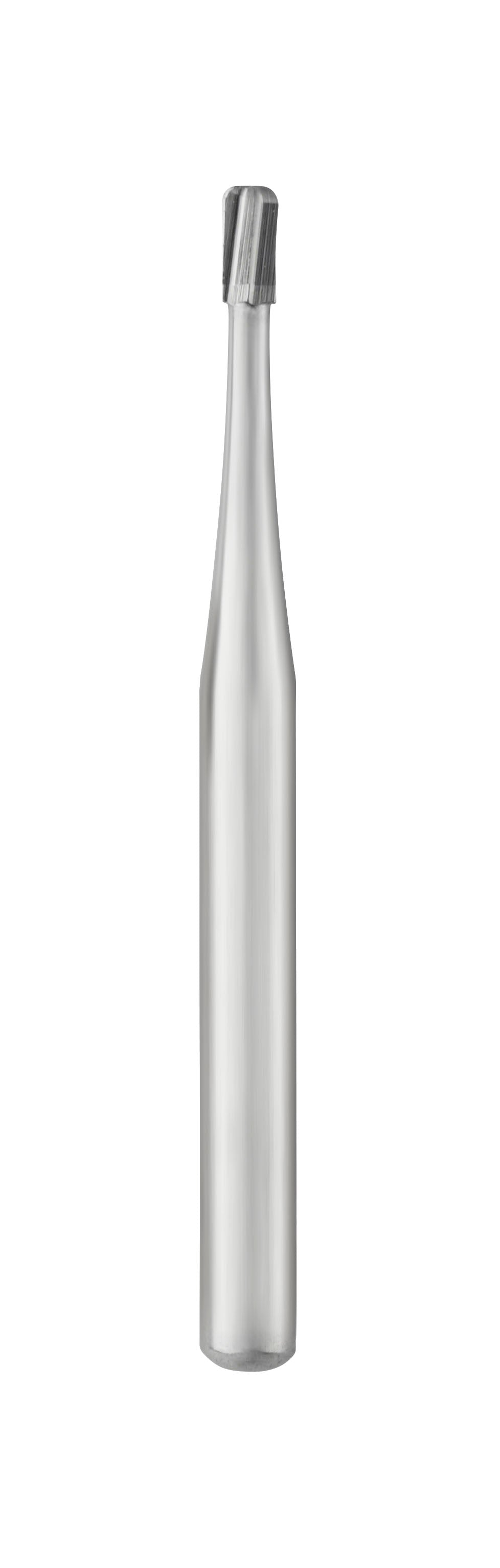

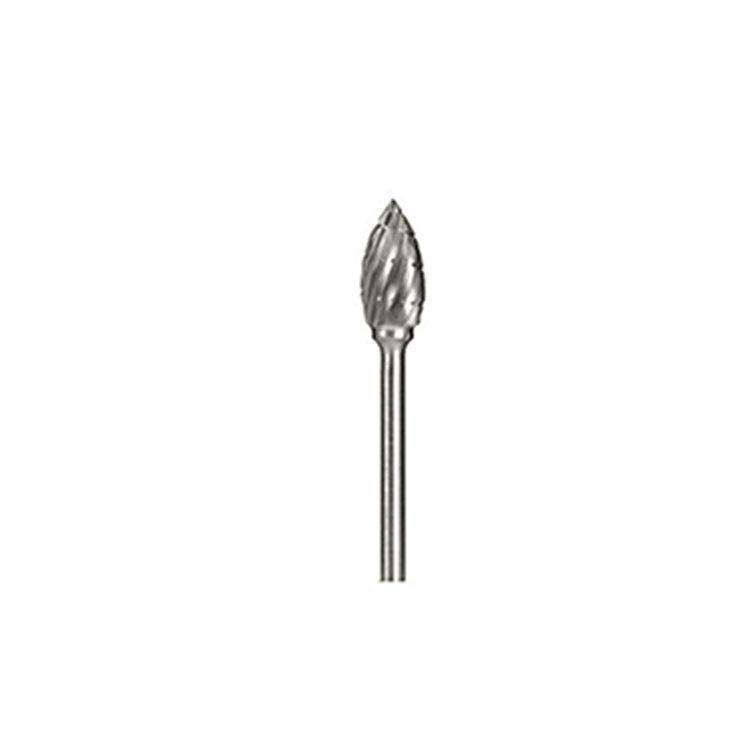
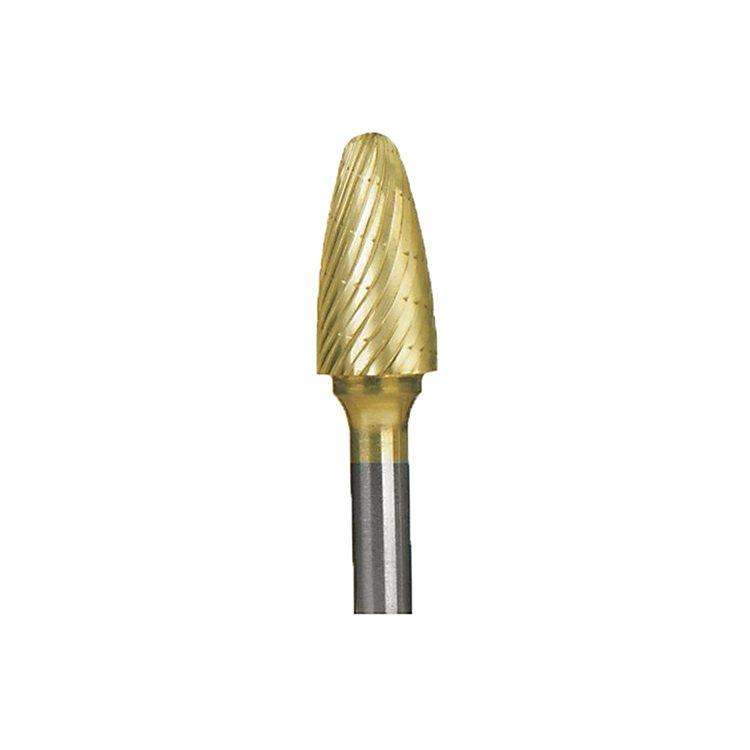





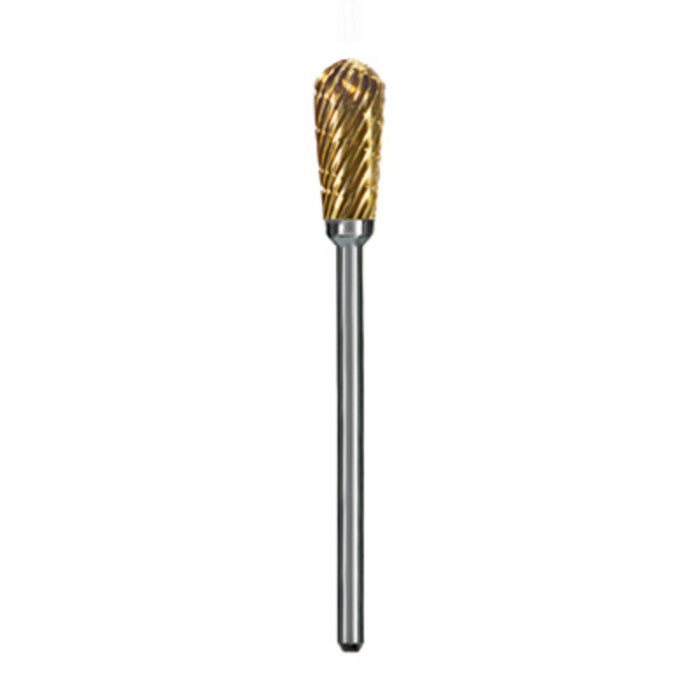


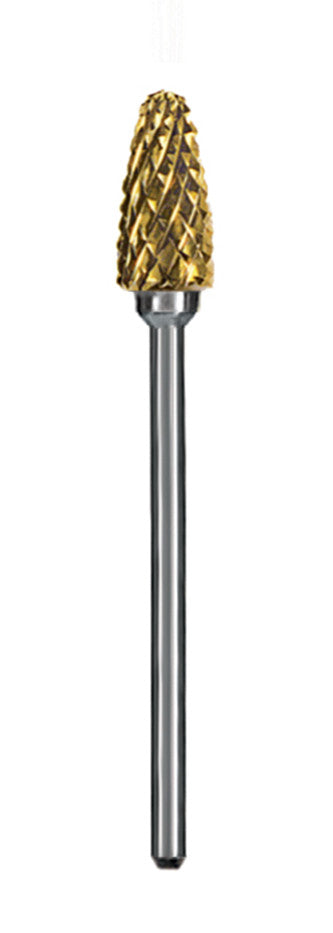


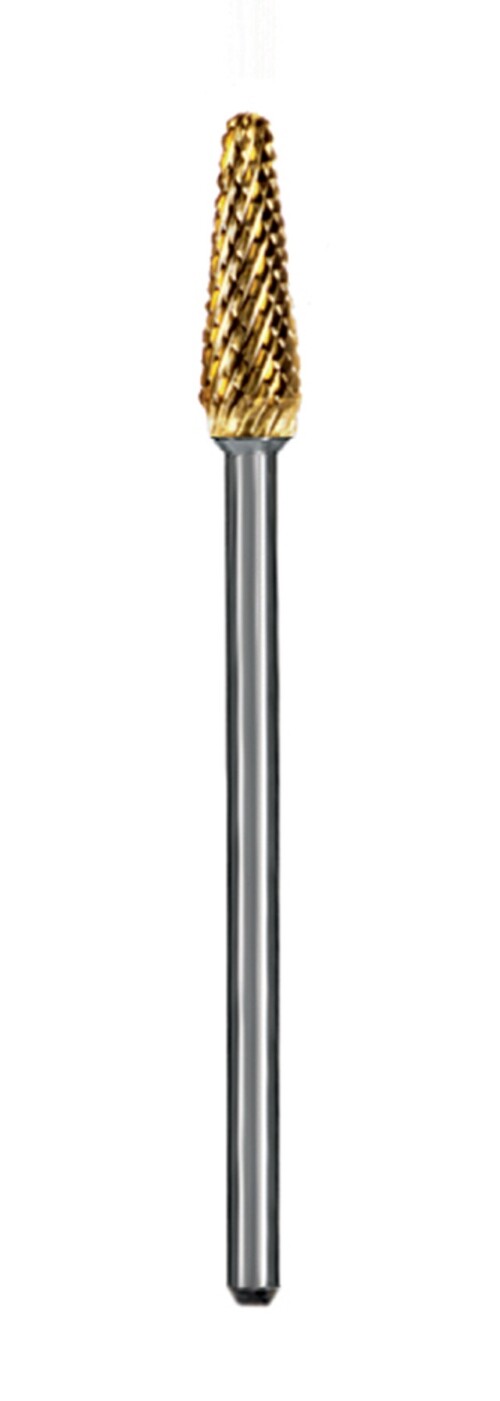
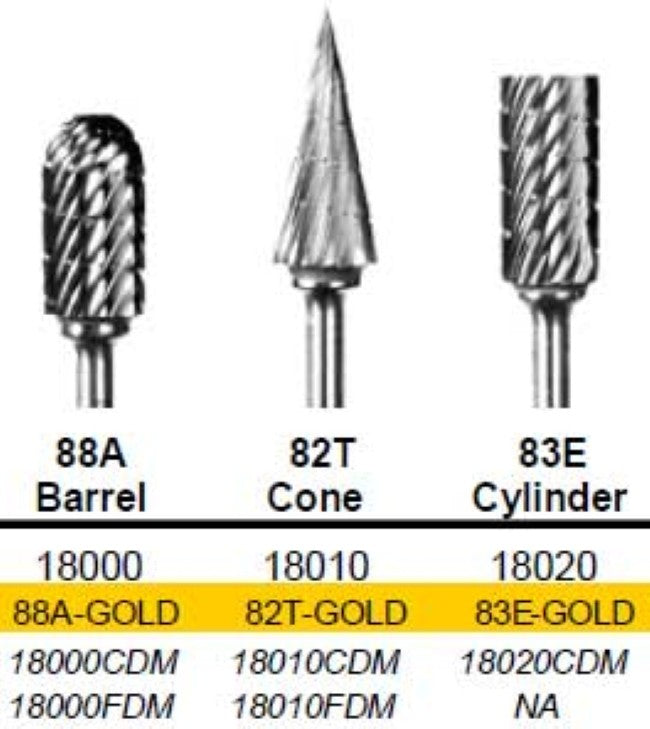
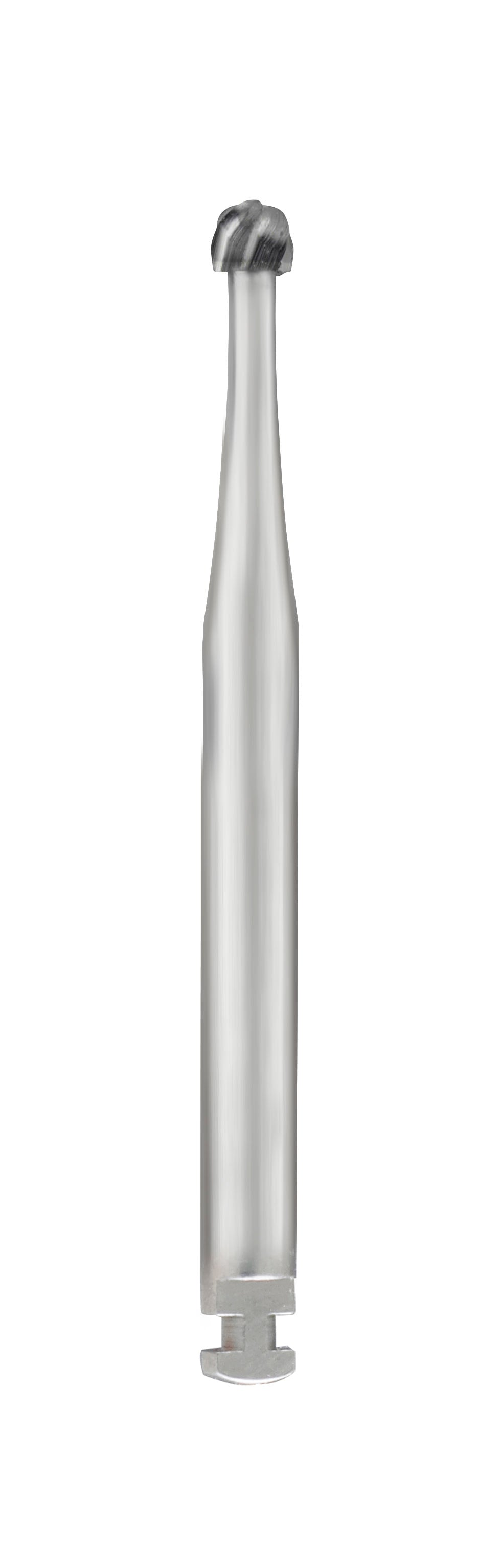


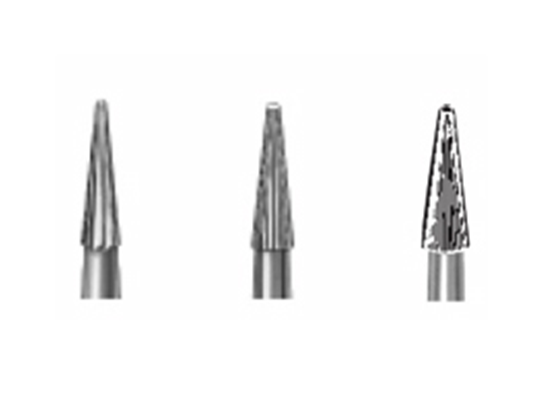

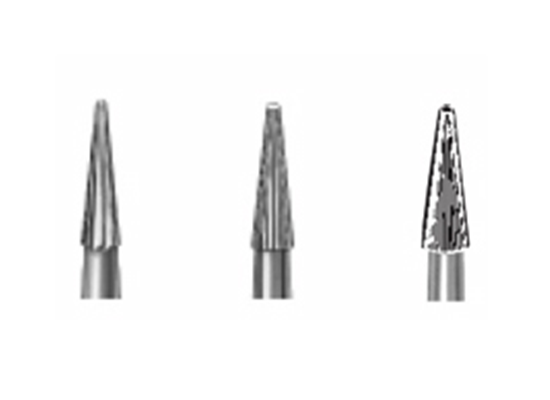

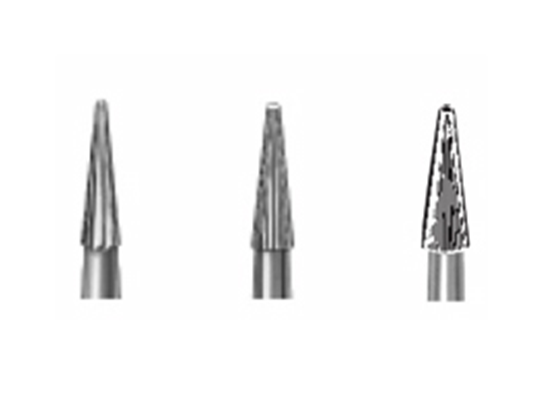

More than 1,400 carbide burs in friction grip, latch and straight handpiece formats, for cutting, trimming and finishing at the chair and on the bench. A carbide bur cuts with defined blades rather than abrasive particles, so it leaves a smoother surface than a diamond of comparable aggressiveness and holds its edge longer in metal, acrylic and composite. Blade count is the most useful number on the box: a six- or eight-blade operative bur or a crosscut bur is for removal, while a carbide finishing bur with 12, 20 or 30 blades refines a restoration that is already close to contour.
FG carbide burs run in the high-speed handpiece and cover most intraoral preparation and finishing. Slow-speed straight handpiece burs, such as an HP taper fissure crosscut, are the laboratory and denture-adjustment side of the same family. Short shank carbide burs buy access in the second molar region and for patients with limited opening. Most carbide dental burs here are sterilizable and meant for repeat cycles; single-patient use carbide burs are packaged for one appointment and then discarded.
The range includes Dedeco laboratory carbides, cross-cut and specialty shapes, SS White handpiece burs such as the HP taper fissure crosscut, Buffalo Dental TNT-coated dual cut carbides, Keystone Industries burs, and RMH3 Dental Supply FG white round burs in 12-packs. Carbide bur kits gather a working set of shapes in one block.
How to choose
- Blade count: six to eight blades or crosscut for removal, 12 blades for gross finishing, 20 and 30 blades for the final pass before polishing.
- Shank: FG carbide burs for the high-speed handpiece, RA latch for the contra-angle, HP straight for the lab handpiece and denture work.
- Shape: round for caries removal and access, pear and inverted cone for retention form, taper fissure and flat-end cylinder for walls, flame and needle for margins.
- Access: a short shank carbide bur for posterior reach and limited opening, standard length for routine work.
- Reprocessing: sterilizable carbide burs for shapes used all day, single-patient use carbide burs where a guaranteed sharp edge per appointment matters more.
- Format: singles and 10- or 12-packs for occasional shapes, or a carbide FG bur kit when you want the whole working set organised in one block.
Frequently asked questions
Carbide bur or diamond bur?
A carbide bur cuts with blades and produces a smoother, more defined surface, which is why finishing and metal trimming favour carbides. A diamond abrades and is faster on enamel, porcelain and zirconia. Many preparations use both: a diamond for the bulk, then a carbide finishing bur for the margin.
How many blades should a carbide finishing bur have?
Twelve blades for initial contouring of composite and metal, 20 blades for refining, and 30 blades for the final pass before rubber polishers or paste. More blades mean a finer surface and less cutting speed, so the sequence matters more than any single bur.
What is a crosscut carbide bur for?
Crosscut burs carry notches across the blades that break the chip and raise cutting efficiency in bulk material. They are used for crown removal, acrylic and denture reduction and rapid structure removal, and they leave a rougher surface that then needs a plain cut or multi-bladed finisher.
Can carbide burs be sterilized?
Standard carbide burs are sterilizable and designed for repeat cycles. Clean debris off before autoclaving, because baked-on material dulls blades faster than cutting does. Burs sold as single-patient use carbide burs are not intended for reprocessing and should be discarded after the appointment.
How quickly do carbide bur orders ship?
Stock ships from our Northern Virginia warehouse, and in-stock carbide burs ordered by 3 PM ET leave the same day. Because bur consumption is steady and predictable, most practices reorder their two or three highest-use shapes by the box on a standing schedule.