
Digital Lab & CAD/CAM
575 products


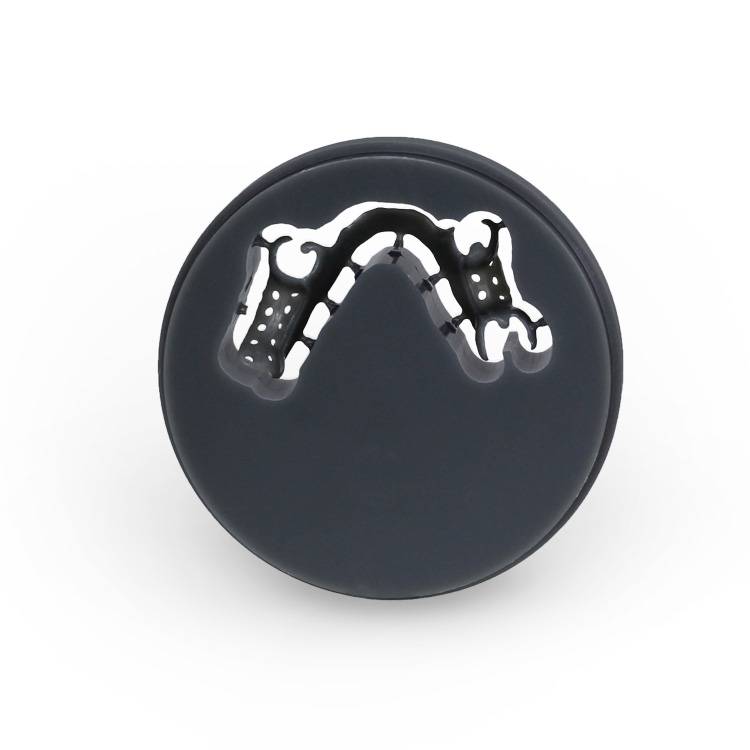
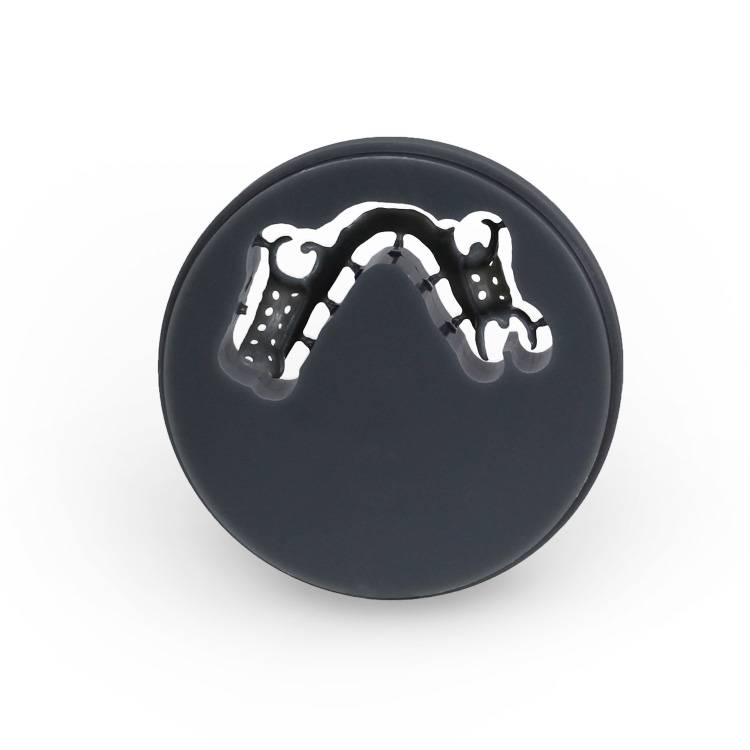


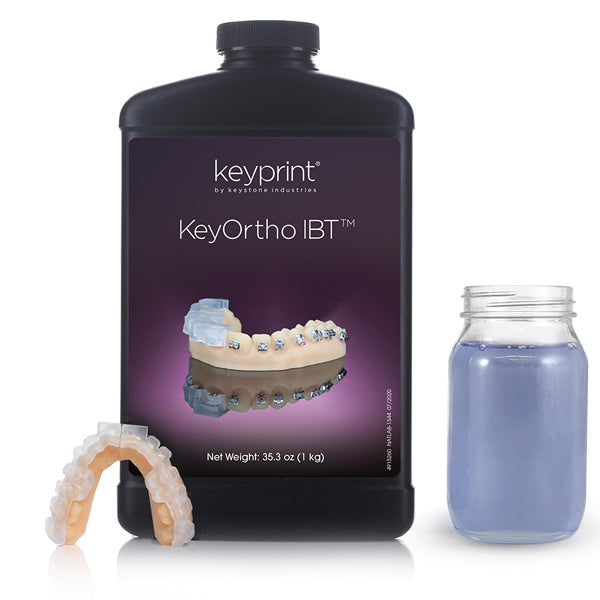






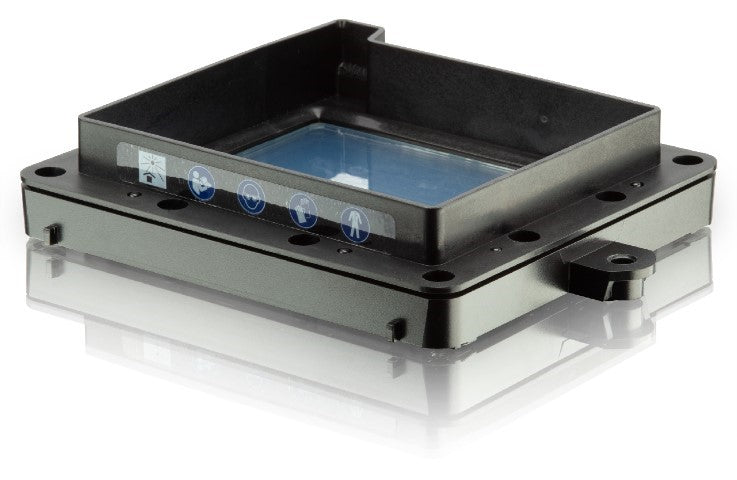




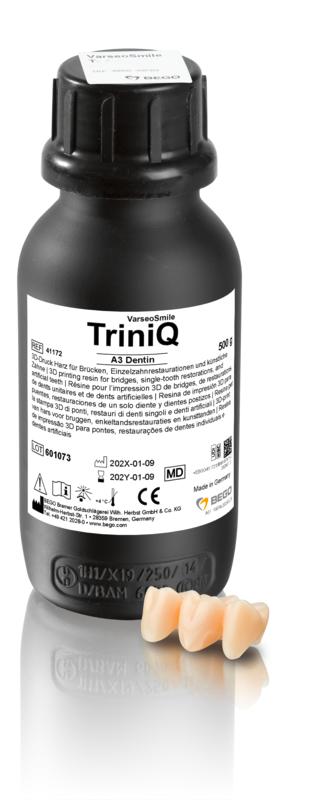


Digital production changed what a lab buys, not what it makes. This department carries the dental cad cam materials and the tooling around them: zirconia discs and blocks, PMMA and wax discs, hybrid ceramic blocks, 3D printing resins, milling burs and sintering accessories, across more than 800 listings.
The milling side starts with the puck. Zirconia is chosen by translucency class and layering, PMMA by whether it is a long-term temporary or a try-in, wax by disc thickness for pressable and castable work. Aidite supplies the zirconia, including 3D PRO discs in 98 mm formats; Harvest Dental covers wax and PMMA blanks; Shofu Dental Corp and others supply hybrid ceramic blocks for chairside and lab mills. Dedeco milling burs and the sintering trays and spatulas that follow the mill complete the workflow.
Printing sits alongside milling rather than replacing it: models, try-ins, trays, splints, surgical guides and denture bases are printed, while definitive crowns and frameworks are still mostly milled. Treat cad cam dental lab supplies as a consumables plan, not a one-off purchase; discs, burs, resin and sintering furniture all wear out on a predictable cycle.
How to choose
- Start from your mill and your open or closed system: disc diameter, thickness and the holder or mandrel style have to match the machine.
- Choose zirconia by indication. Higher translucency for anterior single units, higher strength classes for long-span frameworks, multilayer where you need a shade gradient without staining.
- Match the disc thickness to the tallest restoration in the nest, including the margin and the sprue, before you buy the cheaper thinner puck.
- Buy milling burs as consumables, in the shank sizes and grits your machine strategy calls for, and replace them on a cycle rather than on failure.
- For printing, pick the resin by indication and by the wavelength and printer it is validated for, not by price per kilogram.
- Budget the post-processing: sintering trays and beads, wash solvent and a cure unit are part of the material cost.
Frequently asked questions
What materials does a dental CAD/CAM lab actually stock?
Zirconia discs and blocks for definitive crowns and frameworks, PMMA for temporaries and try-ins, wax for pressable and castable work, hybrid ceramic blocks for chairside restorations, and 3D printing resins for models, trays, splints, guides and denture bases, plus milling burs and sintering furniture.
Milled or printed?
Milling is used for definitive restorations in zirconia, hybrid ceramic and PMMA because the material is industrially produced and fully dense. Printing is used where geometry and turnaround matter more than the last increment of strength: models, custom trays, splints, try-ins, surgical guides and denture bases.
How many units do I get from one disc?
It depends on the disc diameter and thickness, restoration height and how tightly the nest is packed. A standard 98 mm disc holds a full nest of single units, and thicker discs are used when copings or bridges need more vertical room. Nesting software gives the real count per puck.
Do milling burs have to come from the machine manufacturer?
Not necessarily, but the shank diameter, overall length and cutting geometry have to match what the machine and its milling strategy expect. Check the shank specification against your machine before substituting, and keep a spare set of each size you use, since bur wear shows up as poor margins.
How quickly do CAD/CAM supplies ship?
In-stock discs, blocks, burs and resins ordered by 3 PM ET ship the same day from our Northern Virginia warehouse. Discs ship in their sealed packaging; printing resins are light-sensitive and are shipped in the manufacturer's opaque bottles.