


Veratiq DentalShips in 3 business days
Veratiq Cemera Non-Eugenol Temporary Cement · 10 g automix syringe with tips
SKU 200-0227MFR# 27300
Size
10 g automix syringe with tips
10 g automix syringe with tips$19.95
Cemera is a non-eugenol temporary cement for provisional crowns and bridges, supplied as one 10 g automix syringe with eco tips in a sealed pouch. Made in Korea for Veratiq Dental.
Veratiq Cemera Non-Eugenol Temporary Cement is a temporary cement from Veratiq Dental, part of the Cemera line. Manufacturer part number 27300.
This page carries 1 size option: 10 g automix syringe with tips.
Find it on our Cements & Liners shelf, under Temporary Cements.
Orders placed before 3 PM ET ship the same day when the item is on our shelf (otherwise within 3 business days), and ground shipping is free over $10.
Product
- Manufacturer
- Veratiq Dental
- Manufacturer #
- 27300
- Item code
- 200-0227
Catalog path
- Marketplace
- Clinical
- Category
- Cements & Liners
- Subcategory
- Temporary Cements
Ordering
- Status
- Ships in 3 business days
More from Temporary Cements
Stocked in the same subcategory.


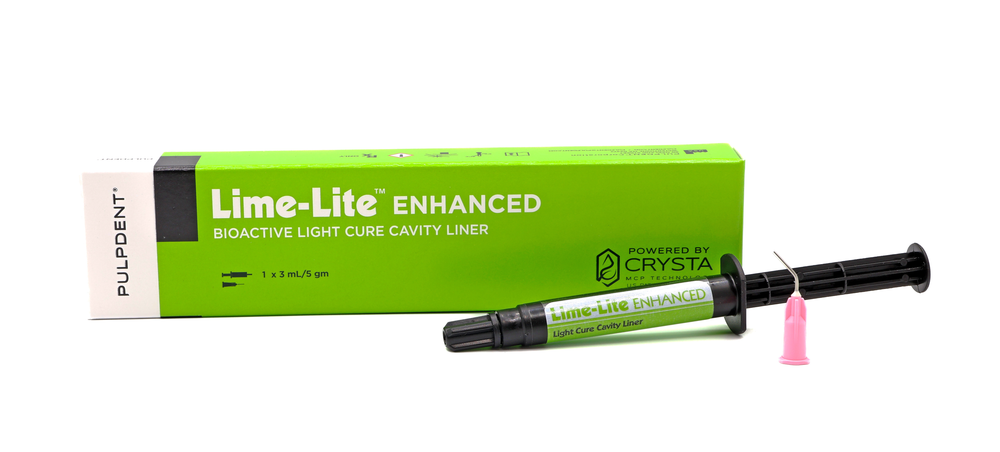
Pulpdent
Lime-Lite Enhanced Cavity Liner, 5 g/3 mL Syringe + 20 Tips
In stock
54 sold this monthfrom $44.69

Questions
What is Cemera used for?
Cemera is a non-eugenol temporary cement for provisional crowns and bridges, supplied as one 10 g automix syringe with eco tips in a sealed pouch.
Which size options are on this page?
This page carries 1 size option: 10 g automix syringe with tips. Pick one to see its price, part number and stock.
When does it ship?
In-stock orders placed before 3 PM ET ship the same day; anything not on our shelf ships within 3 business days.Ground shipping is free over $10.
About temporary cements
Provisional cementation means cementing a restoration with a luting agent whose retention is deliberately weak, so that the restoration can be removed later as planned. A final restoration is sometimes cemented temporarily too, which gives the patient a chance to judge its appearance and function first. These cements have weaker physical properties and a greater film thickness than the cements used permanently. The FDA classes zinc oxide-eugenol as a Class I device and dental cement other than zinc oxide-eugenol as Class II, both intended among other things to affix a temporary filling or a crown (21 CFR 872.3275).
A provisional cement holds a provisional restoration in place and protects the dental pulp while it is there. The shelf holds both the eugenol cements and the eugenol-free ones, as automix syringes and as powder and liquid.
Eugenol and eugenol-free
Zinc oxide-eugenol cement comes from mixing zinc oxide with eugenol, the oil of cloves, and is dispensed as a powder and liquid or sometimes as two pastes. The oil component is being reduced because it can affect the curing of the long-term cement that follows and reduce its bond strength.
What to look at when choosing a temporary cement
A review lists the qualities asked of a provisional cement: enough strength to retain the restoration for a short period, easy removal and cleaning from both tooth and restoration, and no effect on the adhesion of the long-term cement.
Some temporary cements contain fluoride, and a review notes that adding fluoride slightly increases the solubility of the cement.
Residue: a review notes that provisional cement left on the tooth is thoroughly removed before the final cement is applied. Zinc oxide-eugenol is also listed by the FDA as a material applied to a tooth to protect the tooth pulp.
Sources: Heboyan et al. 2023, Dental Luting Cements: An Updated Comprehensive Review (Molecules) · The Glossary of Prosthodontic Terms, 9th edition (J Prosthet Dent 2017) · FDA 21 CFR 872.3275, Dental cement
