

Sold out Solmetex
 Solmetex
Sold out
Solmetex Sterisil Stage 5 Microbiological Cartridge · 1,000 L (SS-1)
SKU 115-0119MFR# SS-1
$703.99
· Sold out
Capacity
1,000 L (SS-1)
Solmetex Sterisil Stage 5 Microbiological Cartridge: 4 items, 4 Capacity options, pack of 1. Select the capacity to see its part number.
Catalog code SS-1.
| Part no. | Capacity |
|---|---|
| SS-1 | 1,000 L (SS-1) |
| SS-3 | 3,000 L (SS-3) |
| SS-7 | 7,000 L (SS-7) |
| SS-10 | 10,000 L (SS-10) |
Product
- Manufacturer
- Solmetex
- Manufacturer #
- SS-1
- Item code
- 115-0119
Catalog path
- Category
- Infection Control
- Subcategory
- Waterline Treatment
Ordering
- Status
- Sold out
More from Waterline Treatment
In stock in the same subcategory. Not the same product — check the specs before you swap.


RMH3 Dental
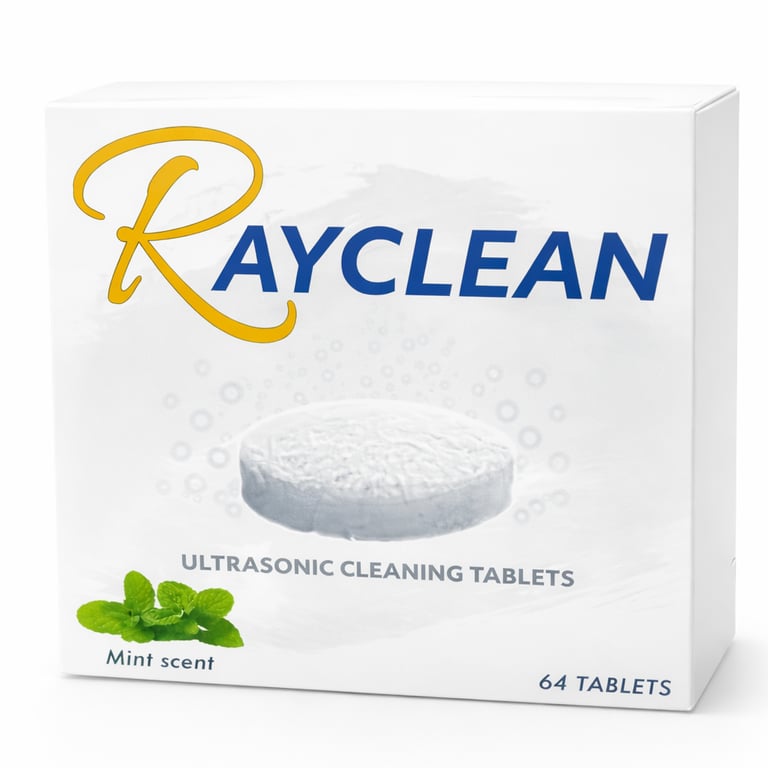
RayClean Ultrasonic Bio-Enzymatic Cleaning Tablets, 64/Box
In stock
1,036 sold this month$18.00

Questions
Which capacity options are on this page?
This page carries 4 capacity options: 1,000 L (SS-1), 3,000 L (SS-3), 7,000 L (SS-7), 10,000 L (SS-10). Pick one to see its price, part number and stock.
How many come in a pack?
1 per pack; the price shown is per pack.
How do I find a specific part number?
The table above lists every part number on this page with its capacity. Searching the part number (for example SS-1) on this site opens the right page.
When does it ship?
In-stock orders placed before 3 PM ET ship the same day. An item we don't keep on the shelf shows its own ship-by date on its page, and you can cancel it for a full refund until it ships.Ground shipping is free over $49.
About waterline filters
Dental unit waterline filters are in-line microfilters, which the CDC lists among the methods shown to be effective for treating dental unit water. The others are self-contained water systems combined with chemical treatment, and combinations of these treatments. The ADA lists filtration among the methods for improving dental unit water quality, while noting that these methods will not eliminate biofilms. The FDA tells practitioners to implement equipment and procedures such as separate reservoirs, chemical treatment protocols, use of filtration systems and sterile water delivery systems.
Dental unit waterlines are the plastic tubing that carries water to the high-speed handpiece, the air-water syringe and the ultrasonic scaler. Long narrow-bore tubing, inconsistent flow rates and the potential for retraction of oral fluids promote bacterial growth and the development of biofilm. Biofilm is a thin, slimy film of bacteria that sticks to moist surfaces. Without proper cleaning and disinfection, waterborne microorganisms collect in the line and form a biofilm that can become dislodged and enter the water stream.
CDC asks that all dental units use systems that treat water to meet drinking water standards, which it states as 500 CFU/mL of heterotrophic water bacteria. Independent reservoirs, or water-bottle systems, alone are not sufficient. Untreated dental units cannot reliably produce water that meets drinking water standards. Source water that is already low in bacteria will not clear the contamination if the biofilm is not controlled: removal or inactivation of waterline biofilm requires the use of chemical germicides. The products available include tablet systems, continuous release straws and cartridges, initial and periodic shock treatments, and centralized systems, and all of them are used and maintained according to the instructions for use.
How the types of waterline product differ
- Waterline Filters — Treats the incoming water to remove or inactivate microorganisms, for a single chair or for the whole practice.
- Waterline Cleaners — A germicide put through the line to deal with the biofilm; if a unit remains resistant to treatment over time, it may be necessary to replace waterlines or other water-bearing components.
- Waterline Test Kits — Measures the water instead of treating it: the only way to ensure a cleaning regimen is effective is to test the water coming out of the unit. If a result exceeds the recommended limit, the unit is treated according to the instructions for use and re-tested immediately after treatment.
- Waterline Tablets — A tablet form of the treatment, used and maintained according to the instructions for use.
- Water Distillers — Produces the distilled or deionized water a tabletop steam sterilizer turns into steam.
What to look at when choosing a waterline product
The unit first: CDC says to consult the dental unit maker for appropriate methods and equipment to maintain the quality of dental water, and to follow its recommendations for monitoring.
Compatibility: the FDA warns against cleaning and disinfection agents the device maker does not recommend, because material incompatibility could cause structural damage that increases the risk of biofilm formation or toxicity to patients.
Monitoring plan: the water management plan should include specific testing locations and frequencies and the actions to take based on test results.
Adherence: water treatment and monitoring products require strict adherence to maintenance protocols, and noncompliance with treatment regimens has been associated with microbial contamination persisting in treated systems.
Surgery is separate: sterile saline or sterile water is used as the coolant or irrigant for surgical procedures, because a conventional dental unit cannot reliably deliver sterile water.
Signs to watch: a musty odour, cloudiness or particulates in the water and clogging of lines may indicate biofilm formation.
Sources: CDC: Dental Unit Water Quality (Summary of Infection Prevention Practices in Dental Settings) · CDC: Best Practices for Dental Unit Water Quality · FDA: Dental Unit Waterlines · CDC: Guidelines for Infection Control in Dental Health-Care Settings — 2003 (MMWR RR-17) · ADA Oral Health Topics: Dental Unit Waterlines · CDC: Guideline for Disinfection and Sterilization in Healthcare Facilities (2008)