
Home
Clinical
Infection Control
Instrument Cleaning Solutions
Ultrasonic Cleaning Solutions
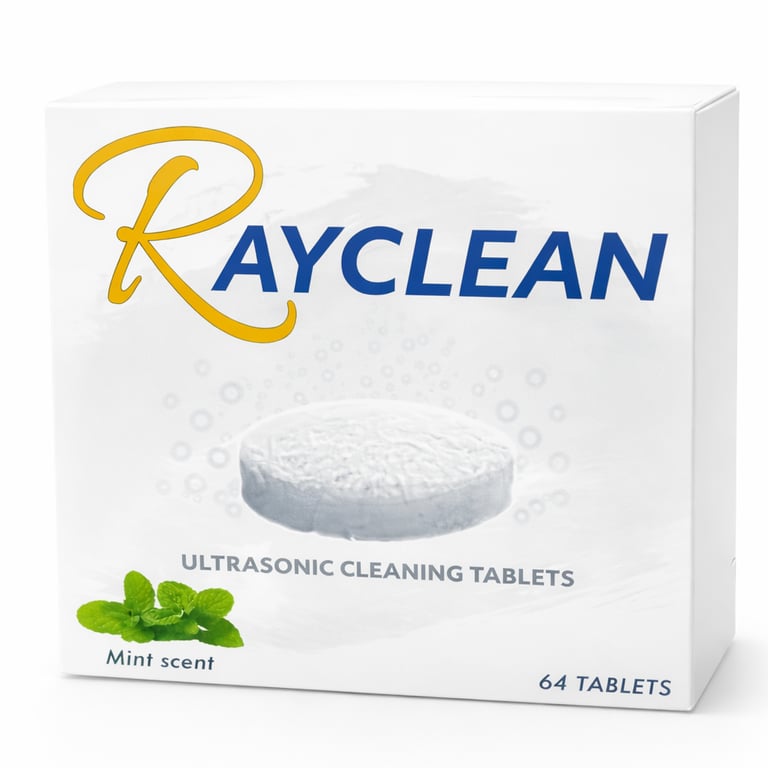
RayClean Ultrasonic Bio-Enzymatic Cleaning Tablets, 64/Box
Home
Laboratory
Infection Control
Instrument Cleaning Solutions
Ultrasonic Cleaning Solutions
RayClean Ultrasonic Bio-Enzymatic Cleaning Tablets, 64/Box
View all 15



RMH3 DentalIn stock
RayClean Ultrasonic Bio-Enzymatic Cleaning Tablets, 64/Box
SKU 001-1111MFR# RC-UST
RayClean Ultrasonic Bio-enzymatic Cleaning Tablets deliver advanced cleaning performance for dental instruments and medical equipment through scientifically formulated bio-enzyme technology that effectively removes debris, blood proteins, and tissue buildup. The non-corrosive, non-ionic formula protects valuable instruments from damage while extending their operational lifespan, making it an economical choice for busy dental and medical practices. These biodegradable tablets are environmentally safe without sacrificing cleaning efficacy, offering versatile application across dental instruments, metal trays, eyewear, and equipment in a convenient 64-tablet box.
| Type | Instrument Cleaner |
|---|
Product
- Manufacturer
- RMH3 Dental
- Manufacturer #
- RC-UST
- Item code
- 001-1111
- UPC / Barcode
- RC-UST
Catalog path
- Marketplace
- Clinical · Laboratory
- Category
- Infection Control
- Subcategory
- Instrument Cleaning Solutions
Ordering
- Status
- In stock
- Weight
- 0.56 lb
More from Instrument Cleaning Solutions
Stocked in the same subcategory.

RMH3 Dental
RayClean Tartar, Stain & Permanent Cement Remover, Ultrasonic Solution — 1 Gallon
001-1113
$17.50

Keystone Industries
Keystone EPR General Purpose Non-Ammoniated Ultrasonic Solution, 1 Gallon Concentrate
010-3997
$21.48


RMH3 Dental
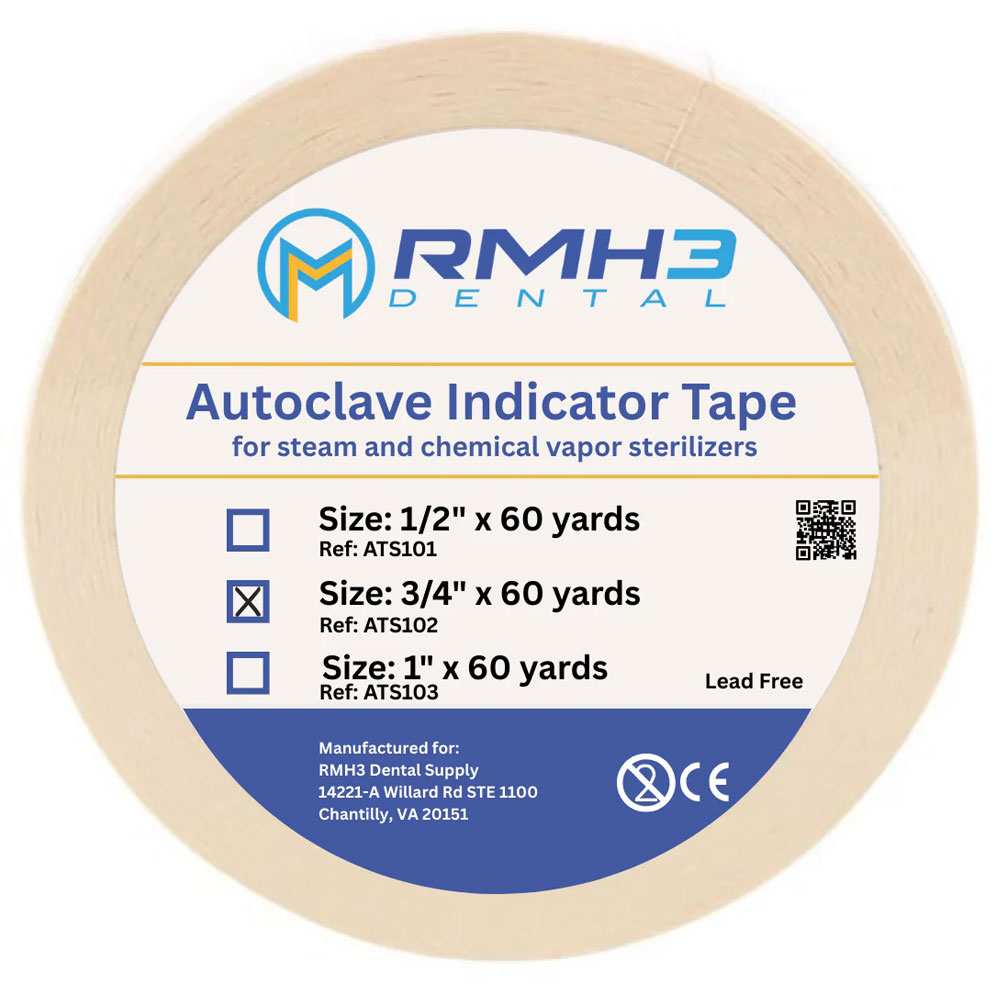
Autoclave Sterilization Indicator Tape, 60-Yard Roll
In stock
823 sold this monthfrom $3.96
Questions
What is it used for?
RayClean Ultrasonic Bio-enzymatic Cleaning Tablets deliver advanced cleaning performance for dental instruments and medical equipment through scientifically formulated bio-enzyme technology that effectively removes debris, blood proteins, and tissue buildup.
How many come in a pack?
64 per pack; the price shown is per pack.
When does it ship?
In-stock orders placed before 3 PM ET ship the same day. An item we don't keep on the shelf shows its own ship-by date on its page, and you can cancel it for a full refund until it ships.Ground shipping is free over $49.
About ultrasonic solutions
Ultrasonic cleaning solutions go in an ultrasonic cleaner, which removes debris from instruments by cavitation: waves of acoustic energy in the bath. The waves disrupt the bonds that hold particulate matter to surfaces. The FDA lists an ultrasonic cleaner for medical instruments as a Class I device, and the entry covers the solutions intended for use with it for cleaning and sanitizing instruments. Using automated equipment can be more efficient and safer than cleaning contaminated instruments by hand.
Cleaning is the first step of instrument reprocessing: it removes debris and organic contamination from instruments. Blood, saliva and other contamination left on an instrument can cause the disinfection or sterilization process to fail. Debris is removed either by scrubbing with a surfactant, detergent and water, or by an automated process such as an ultrasonic cleaner or washer-disinfector using chemical agents. After cleaning, instruments are rinsed with water to remove chemical or detergent residue.
CDC asks that automated cleaning equipment be used to remove debris, to improve cleaning effectiveness and decrease worker exposure to blood. When manual cleaning cannot be done at once, instruments are placed in a puncture-resistant container and soaked with a detergent, a disinfectant-detergent or an enzymatic cleaner, which prevents patient material drying on them. A liquid chemical sterilant or high-level disinfectant such as glutaraldehyde is not recommended as a holding solution.
How the types of instrument cleaning solution differ
- Ultrasonic Solutions — A solution for an ultrasonic bath, a device that removes debris by a process called cavitation. Automated cleaning of this kind does not require presoaking or scrubbing of instruments.
- Enzymatic Cleaners — A detergent with enzymes in it: enzymatic cleaners are not disinfectants. Neutral pH detergent solutions that contain enzymes are compatible with metals and other materials used in medical instruments.
- Cleaning Accessories & Solutions — What hand cleaning is done with: a long-handled brush that keeps the hand away from sharp instruments, and heavy-duty gloves.
- General Cleaning Liquids — A plain detergent or surfactant solution, the kind scrubbing is done with.
What to look at when choosing an instrument cleaning solution
Method first: what to weigh in selecting cleaning methods and equipment is how well the method works, whether it suits the items being cleaned, and the occupational health and exposure risks.
Material compatibility: a neutral or near-neutral pH detergent is commonly used for instruments, while alkaline-based cleaners dissolve protein and fat residues efficiently but can be corrosive. Two studies found no difference in cleaning efficiency between enzymatic and alkaline-based cleaners, and another found no significant difference between enzymatic and non-enzymatic cleaners in microbial cleaning efficacy.
Residue: enzymes and chemicals are rinsed from the equipment, because residue can lead to adverse reactions.
Checking the result: no real-time test exists that can be used in a clinical setting to verify cleaning, so at a minimum every instrument is individually inspected and has to be visibly clean.
Sources: CDC: Best Practices for Sterilization in Dental Settings · CDC: Guidelines for Infection Control in Dental Health-Care Settings — 2003 (MMWR RR-17) · CDC: Sterilization and Disinfection (Summary of Infection Prevention Practices in Dental Settings) · FDA 21 CFR 880.6150, Ultrasonic cleaner for medical instruments · CDC: Guideline for Disinfection and Sterilization in Healthcare Facilities (2008)
