
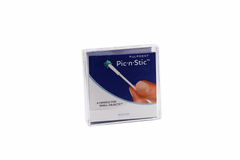
Sold out

Shade
Clear, 3 g
Clear, 3 g$51.00
Radiopaque Toothshade, 5 g$65.59
Parkell C&B METABOND L-Powder: 2 items, 2 Shade options. Select the shade to see its part number.
| Part no. | Shade |
|---|---|
| S396 | Radiopaque Toothshade, 5 g |
| S399 | Clear, 3 g |
Product
- Manufacturer
- Parkell
- Manufacturer #
- S399
- Item code
- 108-0190
- UPC / Barcode
- 810000529230
Catalog path
- Category
- Cements & Liners
- Subcategory
- Permanent Cements
Ordering
- Status
- Sold out
More from Permanent Cements
In stock in the same subcategory. Not the same product — check the specs before you swap.

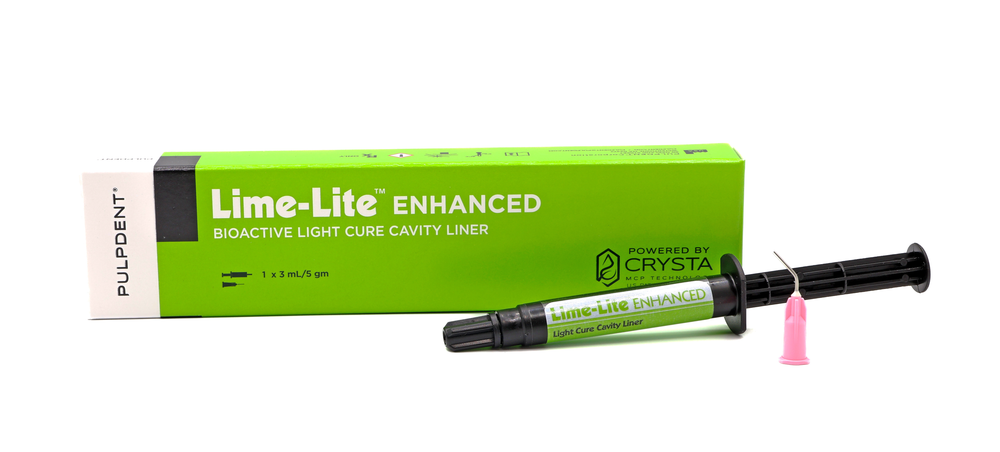
Pulpdent
Lime-Lite Enhanced Cavity Liner, 5 g/3 mL Syringe + 20 Tips
In stock
92 sold this monthfrom $44.29


Questions
Which shade options are on this page?
This page carries 2 shade options: Radiopaque Toothshade, 5 g, Clear, 3 g. Pick one to see its price, part number and stock.
How do I find a specific part number?
The table above lists every part number on this page with its shade. Searching the part number (for example S396) on this site opens the right page.
When does it ship?
In-stock orders placed before 3 PM ET ship the same day. An item we don't keep on the shelf shows its own ship-by date on its page, and you can cancel it for a full refund until it ships.Ground shipping is free over $49.
About resin cements
Resin cements are the most recent luting material developed for dentistry, and they can form a chemical bond with dentine and enamel. They divide into adhesive cements, used after the tooth is etched with phosphoric acid and an adhesive is applied, and self-adhesive cements, which call for neither step except on enamel. A self-adhesive cement carries components such as MDP that bond to the tooth and to the restoration at the same time, and a review notes that glass ceramics still need the etching and silane layer. They are also grouped as chemical-cure, light-cure or dual-cure, and a dual-cure cement holds both chemical and light initiators, so its catalyst finishes hardening the cement where light cannot reach.
A luting agent is any material used to attach or cement indirect restorations to prepared teeth. A review lists the long-term cements as zinc phosphate, zinc polycarboxylate, glass ionomer, resin-modified glass ionomer and resin cement. They fall into two families by composition, water-based and resin-based.
How the types of permanent cement differ
- Glass Ionomer & RMGI Cements — Water-based, and it releases fluoride. The resin-modified kind sets by an acid-base reaction and by polymerisation together, and ISO 9917-2 is the standard for those.
- Resin Cements — Resin-based rather than water-based, and chemically similar to composite filling material. A restoration cemented adhesively has to be sectioned to come off.
- Dental Cements — A water-based cement of this kind sets by an acidic reaction and holds the restoration without bonding to it. A crown cemented with zinc phosphate or polycarboxylate can be removed with care instead of being sectioned.
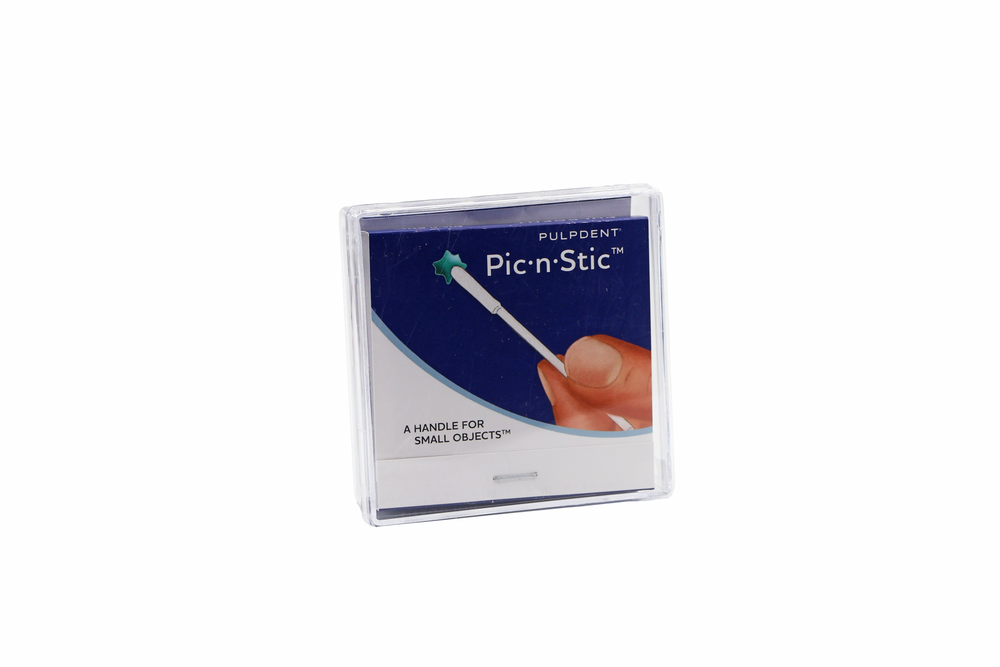
- Cement Application Accessories — Pick-up sticks, an applicator and try-in paste rather than the cement itself.
- Bases & Liners — Zinc phosphate and polycarboxylate cements that are also filed under bases and liners.
What to look at when choosing a permanent cement
Film thickness: the ADA standard for dental cements sets a maximum of 25 microns for a luting cement.
How it is supplied: these cements come hand-mixed or encapsulated for mechanical mixing. A review notes that modifying the powder-to-liquid ratio can increase the solubility of a luting agent threefold, and calls that a frequent cause of clinical failures.
Age and track record: zinc phosphate has been in use since 1878 and has high compressive strength and a reasonable working time, with high solubility in oral fluid, low tensile strength and the potential for hypersensitivity from its initially low pH among its drawbacks.
Light reaching the cement: a review reports light-cured cements being used for restorations under 1.5 mm thick that let enough light through, and the chemical cure of a dual-cure cement being what sets it under zirconia and thick ceramic. Excess cement: a review notes that removing resin cement completely from margins that are hard to reach is a problem for restorations with margins below the gum line.
Standard: ISO 4049 covers polymer-based luting materials for cementing inlays, onlays, veneers, crowns and bridges, but not those with an adhesive component inside the material. FDA class: zinc oxide-eugenol is a Class I device and dental cement other than zinc oxide-eugenol is Class II (21 CFR 872.3275).
Sources: The Glossary of Prosthodontic Terms, 9th edition (J Prosthet Dent 2017) · Heboyan et al. 2023, Dental Luting Cements: An Updated Comprehensive Review (Molecules) · ADA Oral Health Topics: Materials for Direct Restorations · ISO 9917-2:2017, Dentistry — Water-based cements — Part 2: Resin-modified cements · ISO 9917-1:2025, Dentistry — Water-based cements — Part 1: Acid-base cements · ISO 4049:2019, Dentistry — Polymer-based restorative materials · FDA 21 CFR 872.3275, Dental cement
