


Pack
100
100$17.30
1000$114.95
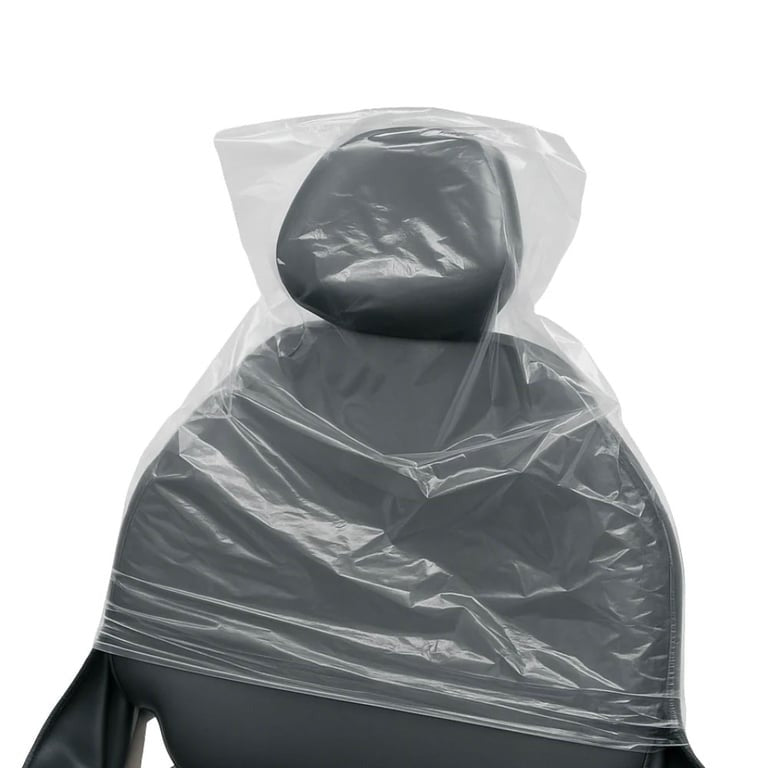
The Keystone Biohazard Bag 100Ea is a dental laboratory product supplied by Keystone for professional dental and lab use. Catalog code 9075450.
Keystone Biohazard Bags is a biohazard & sharps disposal from Keystone Industries.
This page carries 2 pack options: 100, 1000.
Find it on our Infection Control shelf, under Waste & Sharps.
Orders placed before 3 PM ET ship the same day when the item is on our shelf (otherwise within 3 business days), and ground shipping is free over $10.
Product
- Manufacturer
- Keystone Industries
- Manufacturer #
- 9075450
- Item code
- 010-2395
Catalog path
- Marketplace
- Laboratory
- Category
- Infection Control
- Subcategory
- Waste & Sharps
Ordering
- Status
- Ships in 3 business days
More from Waste & Sharps
Stocked in the same subcategory.


RMH3 Dental
RayClean Ultrasonic Bio-Enzymatic Cleaning Tablets, 64/Box
In stock
402 sold this month$18.00

RMH3 Dental
Barrier Film, 4" × 6" with Nonstick Edge — 1200/Roll
In stock
386 sold this monthfrom $7.55

Questions
What is Keystone Biohazard Bags used for?
The Keystone Biohazard Bag 100Ea is a dental laboratory product supplied by Keystone for professional dental and lab use.
Which pack options are on this page?
This page carries 2 pack options: 100, 1000. Pick one to see its price, part number and stock.
When does it ship?
In-stock orders placed before 3 PM ET ship the same day; anything not on our shelf ships within 3 business days.Ground shipping is free over $10.
About biohazard and sharps disposal
OSHA defines contaminated sharps as any contaminated object that can penetrate the skin, including needles, scalpels, broken glass and the exposed ends of dental wires. Under OSHA, contaminated sharps are discarded as soon as feasible into containers that are closable, puncture resistant, leakproof on the sides and bottom, and labelled or colour-coded. During use those containers are kept easily accessible and as close as is feasible to the area where sharps are used, upright, and replaced routinely rather than allowed to overfill. The FDA describes sharps disposal containers as rigid puncture-resistant plastic or metal with leak-resistant sides and bottom and a tight-fitting lid whose opening takes a sharp but is not large enough for a hand, and generally regulates them as class II devices. They are marked with a line showing when the container is about three-fourths full, at which point it is closed and sealed; a full container is never opened, emptied or manually cleaned.
Most soiled items in a dental office are general medical waste — used gloves, masks, gowns and lightly soiled gauze or cotton rolls — and non-regulated medical waste can be disposed of with ordinary waste. Waste that carries a substantial risk of causing infection during handling and disposal is regulated medical waste, and it requires special storage, handling, neutralization and disposal. In dental offices that is a small share: the 2003 CDC guidelines put regulated medical waste at 1% to 2% of total waste. OSHA defines regulated waste to include liquid or semi-liquid blood, items caked with dried blood that can release it during handling, contaminated sharps, and pathological and microbiological wastes containing blood.
Regulated medical waste with no sharp items can be contained in a single leak-resistant biohazard bag, while sharp items go into puncture-resistant containers with a biohazard label. Any facility generating regulated medical waste should have a plan for its management that complies with federal, state and local regulations.
How sharps disposal and amalgam recovery differ
- Biohazard & Sharps Disposal — Takes the objects that can penetrate the skin, at the point where they are used. Warning labels on containers of regulated waste are fluorescent orange or orange-red with lettering and symbols in a contrasting colour, and red bags or red containers may be substituted for labels.
- Amalgam & Mercury Recovery — Keeps amalgam out of the drain rather than out of the bin: chair-side traps, vacuum pump filters and separators retain it and their contents are recycled. Amalgam waste does not go into biohazard containers, infectious waste containers or regular garbage.
What to look at when choosing waste and sharps containers
Placement: used disposable syringes and needles, scalpel blades and other sharp items go into appropriate puncture-resistant containers located as close as possible to the area where the items are used. Sharps containers are disposed of according to state and local regulated medical waste rules.
Labelling: warning labels are affixed to containers of regulated waste, and regulated waste that has been decontaminated need not be labelled or colour-coded.
Transport: a container is closed immediately before removal or replacement to prevent spillage or protrusion of contents, and placed in a secondary container if leakage is possible.
Line cleaners: lines that discharge amalgam process wastewater must not be cleaned with oxidizing or acidic cleaners, including bleach, chlorine, iodine and peroxide with a pH lower than 6 or greater than 8.
Teeth with amalgam: extracted teeth with amalgam are never included in waste that will be treated with heat or incineration for final disposal.
Who the separator rule covers: it does not apply to offices that do not place or remove amalgam except in limited emergency or unanticipated circumstances, to mobile dental units, or to offices that do not discharge amalgam process wastewater to a treatment works.
Sources: CDC: Best Practices for Environmental Infection Prevention and Control · CDC: Guidelines for Infection Control in Dental Health-Care Settings — 2003 (MMWR RR-17) · OSHA 29 CFR 1910.1030, Bloodborne pathogens · FDA: Sharps Disposal Containers in Health Care Facilities · EPA: Dental Effluent Guidelines (40 CFR Part 441) · ADA Oral Health Topics: Amalgam Separators and Waste Best Management Practices · CDC: Standard Precautions (Summary of Infection Prevention Practices in Dental Settings)
