


DharmaShips in 3 business days
Dharma Steryx Disinfectant Solution · 1 gallon
SKU 076-1126MFR# 40-00001
Pack
1 gallon
1 gallon$21.99
No description available yet.
Product
- Manufacturer
- Dharma
- Manufacturer #
- 40-00001
- Item code
- 076-1126
Catalog path
- Marketplace
- Clinical
- Category
- Infection Control
- Subcategory
- Surface Disinfectants & Wipes
Ordering
- Status
- Ships in 3 business days
More from Surface Disinfectants & Wipes
Stocked in the same subcategory.


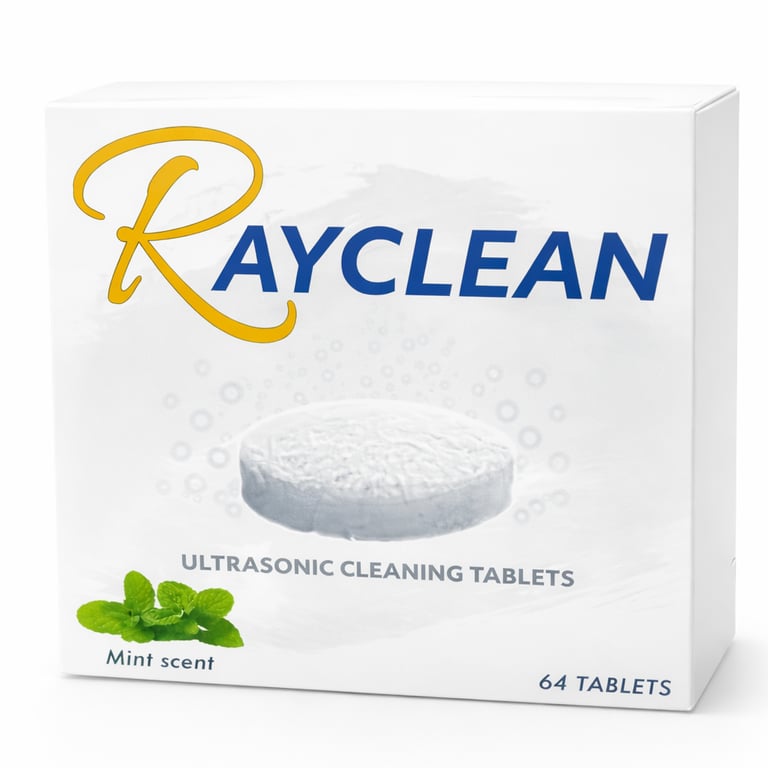
RMH3 Dental
RayClean Ultrasonic Bio-Enzymatic Cleaning Tablets, 64/Box
In stock
522 sold this month$18.00


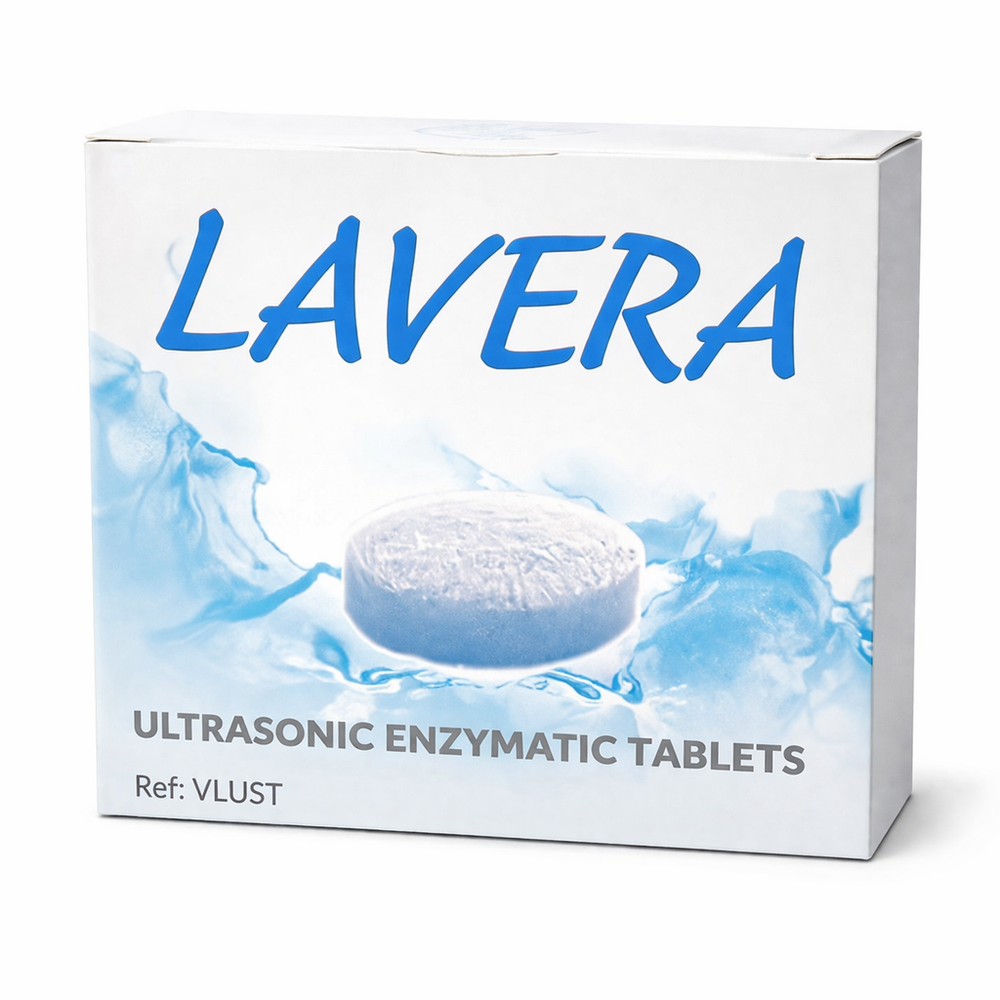
Veratiq Dental
Veratiq Lavera Ultrasonic Enzymatic Cleaning Tablets, 64 Tablets/Box
In stock
18 sold this month$12.47
About surface disinfectants
For disinfection, CDC calls for EPA-registered hospital disinfectants, or detergents and disinfectants with label claims for use in health care settings. The FDA has a device entry for a general purpose disinfectant, a germicide intended to process noncritical medical devices and equipment surfaces, classified as Class I. Housekeeping surfaces such as floors, walls and sinks carry less risk of disease transmission and can be cleaned with soap and water, or cleaned and disinfected if visibly contaminated with blood.
A disinfectant is a substance, or mixture of substances, that destroys or irreversibly inactivates bacteria, fungi and viruses, but not necessarily bacterial spores, on inanimate surfaces such as hard surfaces. Cleaning comes first: it removes debris and organic contamination from surfaces, and if a surface is not cleaned first the disinfection process can be compromised. A disinfectant product is not used as a cleaner unless the label indicates the product is suitable for such use.
EPA regulates the low- and intermediate-level disinfectants used on environmental surfaces, while the FDA regulates the liquid chemical sterilants and high-level disinfectants used on heat-sensitive semicritical devices. A low-level disinfectant is EPA-registered without a tuberculocidal claim and may carry a hepatitis B or HIV claim instead; an intermediate-level disinfectant is registered with a tuberculocidal claim. The tuberculocidal claim is used as a benchmark: mycobacteria are among the most resistant organisms, so a germicide with that claim is considered capable of inactivating a broad spectrum of pathogens. High-level disinfectants such as glutaraldehyde are used as chemical sterilants and, because of their toxic nature, should never be used on environmental surfaces. CDC does not test, evaluate or otherwise recommend specific chemical germicides.
How wipes and liquid disinfectants differ
- Disinfecting Wipes — One of the forms an EPA-registered disinfectant comes in, alongside liquids, sprays and powders.
- Surface Disinfectants — A liquid used at the amount, dilution and contact time the maker gives. Fresh cleaning and disinfecting solutions are prepared daily and according to the recommendations of the maker.
What to look at when choosing a surface disinfectant
Contact time: the contact time is the time the product must remain on the surface for it to be effective, the surface should be visibly wet for the entire contact time, and that may mean reapplying the product.
Label claims: each registered product lists the microorganisms it is effective against, and where a label does not include directions for a given pathogen, EPA has not reviewed data on whether the product is safe and effective used that way.
Registration number: the number is a unique identifier of the product, and because the same product can be sold under different names, the number is how to identify it accurately.
Level needed: a clinical contact surface that is not barrier-protected is cleaned and disinfected after each patient with an EPA-registered hospital disinfectant, intermediate-level if visibly contaminated with blood.
Active ingredient: alcohols are tuberculocidal, fungicidal and virucidal but do not destroy bacterial spores, and their cidal activity drops sharply when diluted below 50% concentration.
Material compatibility: makers of dental devices and equipment should provide information on material compatibility with liquid chemical germicides and on whether equipment can be safely immersed for cleaning.
Handling: chemical- and puncture-resistant utility gloves offer more protection than patient examination gloves when hazardous chemicals are used, and the Safety Data Sheet covers the correct procedures.
Sources: EPA: Selected EPA-Registered Disinfectants · CDC: Best Practices for Environmental Infection Prevention and Control · CDC: Sterilization and Disinfection (Summary of Infection Prevention Practices in Dental Settings) · CDC: Guideline for Disinfection and Sterilization in Healthcare Facilities (2008) · FDA 21 CFR 880.6890, General purpose disinfectants · CDC: Guidelines for Infection Control in Dental Health-Care Settings — 2003 (MMWR RR-17)
