
Pit & Fissure Sealants
10 products

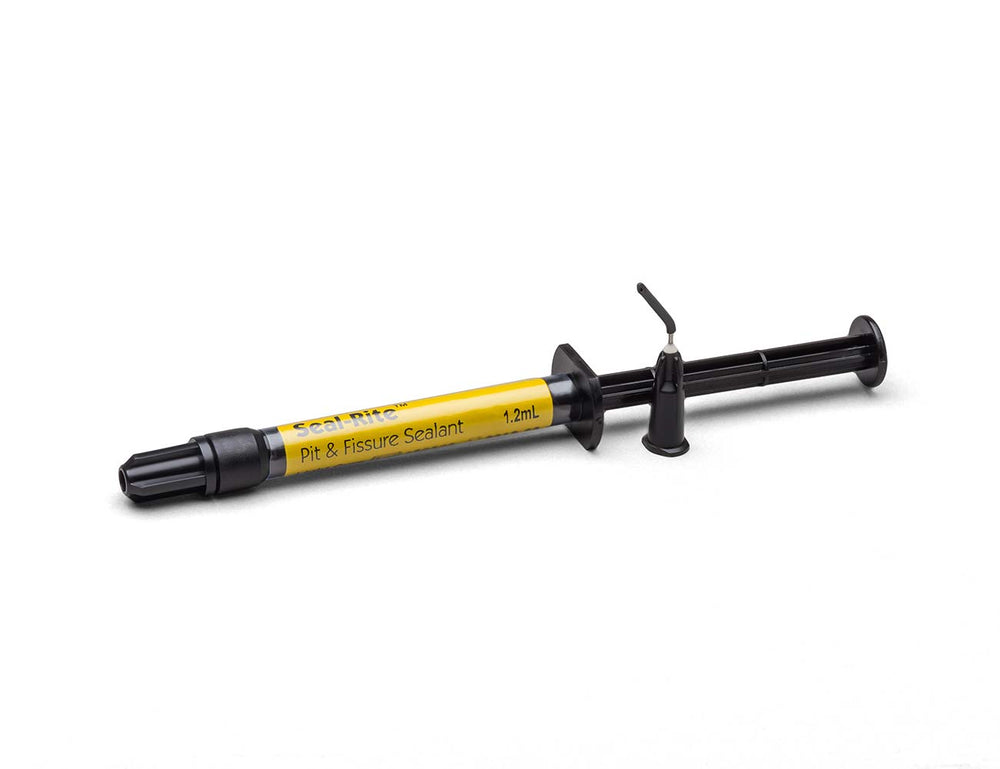



About pit and fissure sealants
Sealants are generally placed on the tooth in liquid form and then cured either chemically or with light activation. The tooth surface is first treated with an acid etch, to improve wetting of the tooth with the liquid sealant and the mechanical retention of the sealant. A sealant must also be of low enough viscosity to wet the tooth and flow readily into the pits and fissures. Traditional sealants are hydrophobic bis-GMA based materials that need a dry field; moisture-tolerant resin sealants have been developed that can be placed on slightly moist teeth.
The material that goes into the fissure and sets there. A review gives long endurance as the most significant advantage of resin-based sealing materials and fluoride release as the most significant advantage of glass ionomer sealants.
Sources: ADA Oral Health Topics: Dental Sealants · Priscilla et al. 2022, Moisture Tolerant Pit and Fissure Sealant: A Literature Review (Int J Clin Pediatr Dent) · FDA 21 CFR 872.3765, Pit and fissure sealant and conditioner