
Restorative & Cosmetic
1385 products

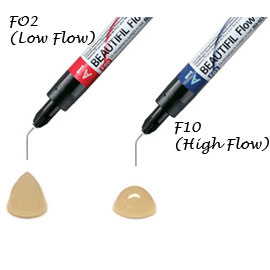
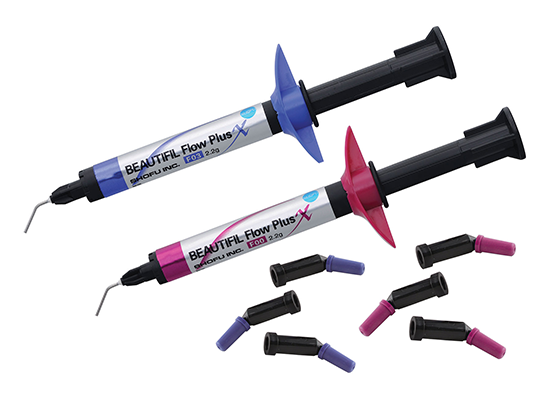
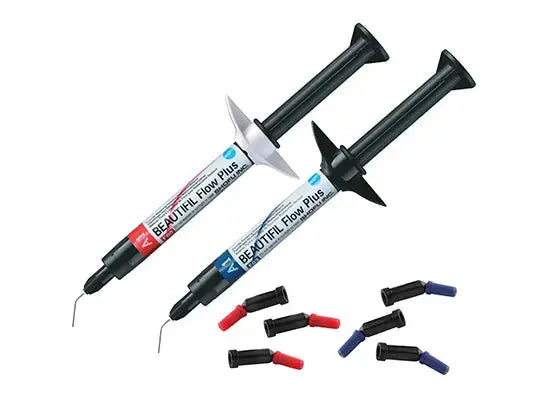
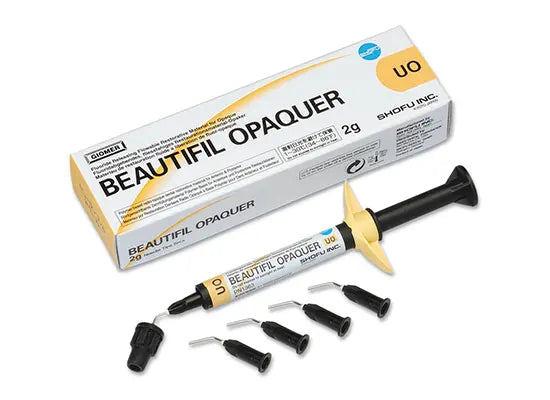


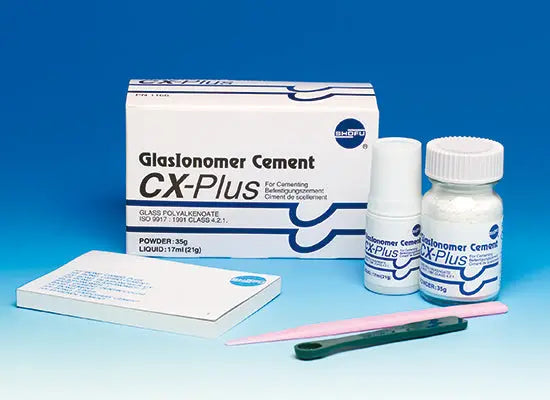
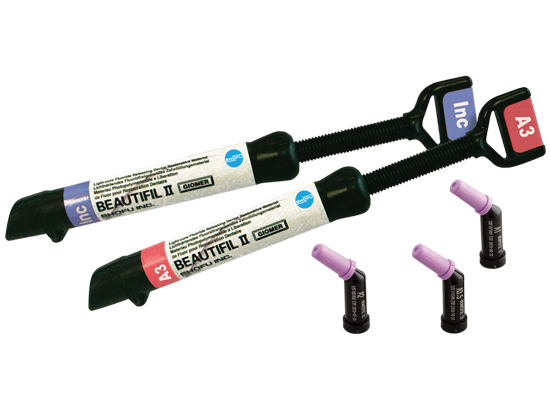


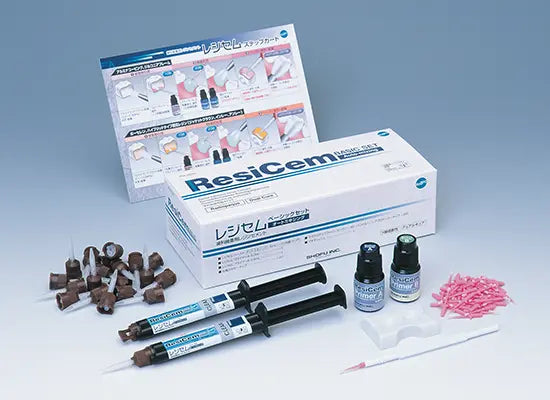


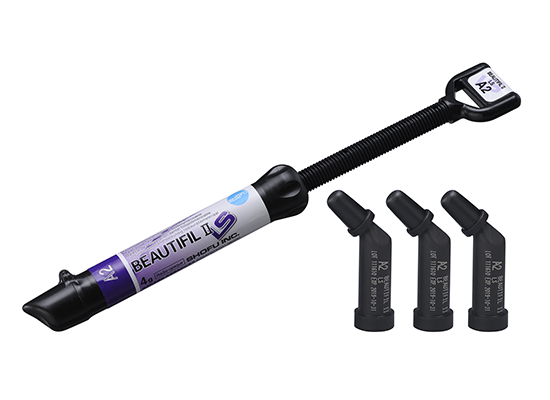

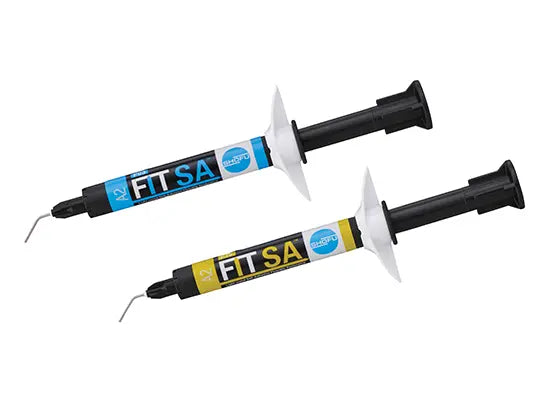

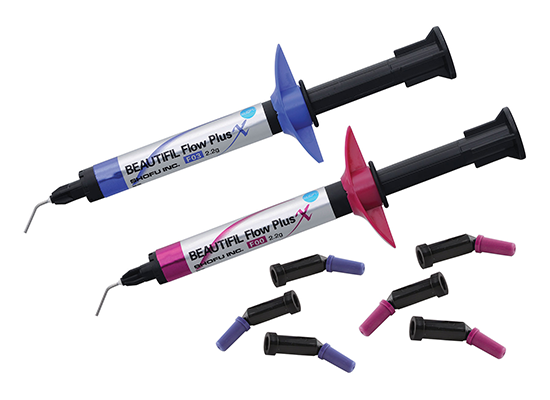

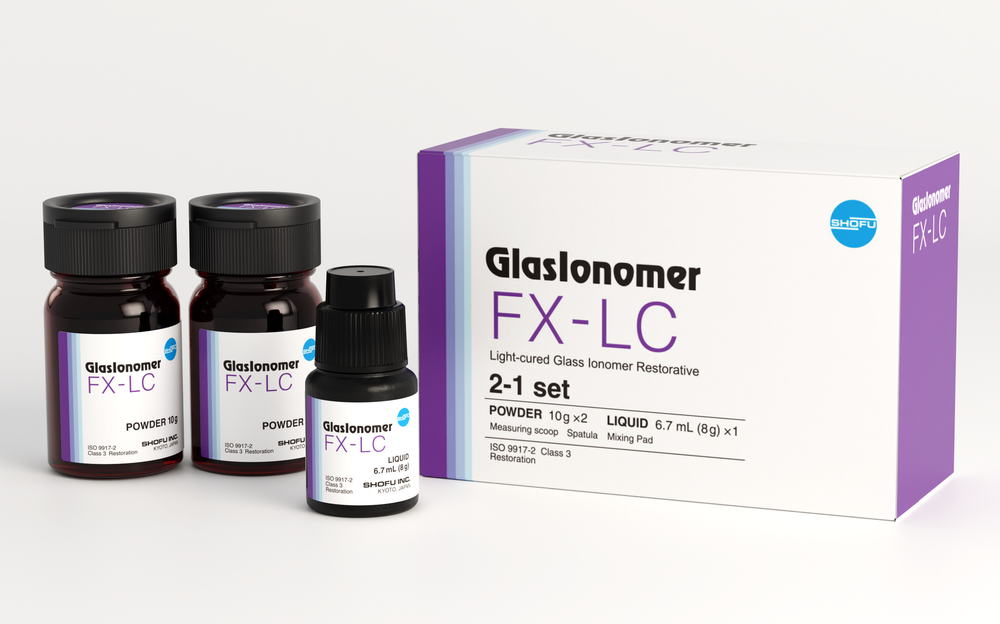


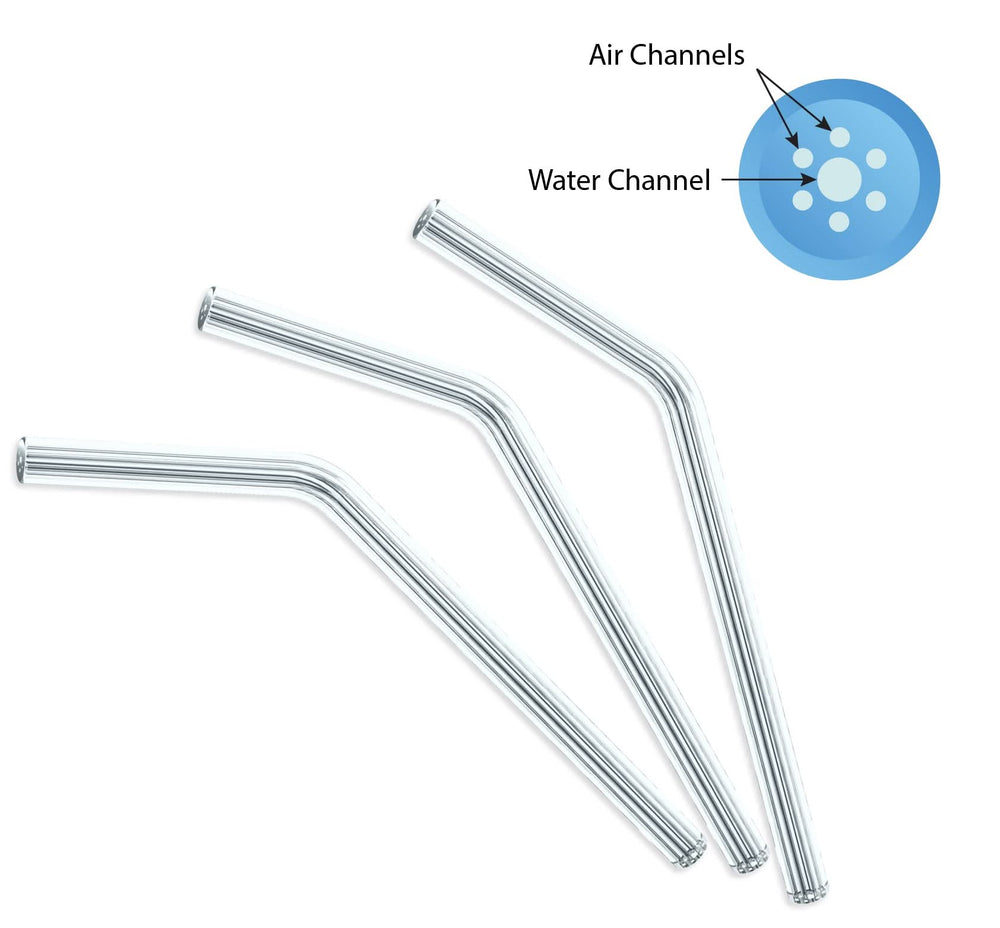


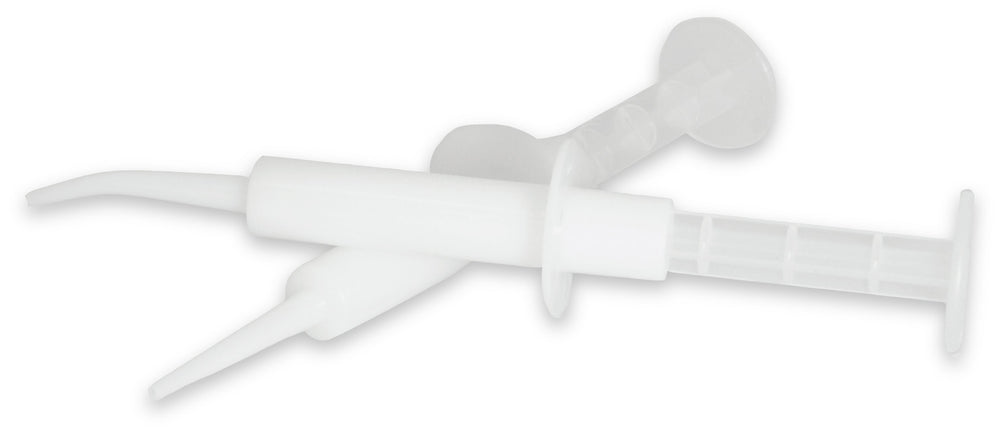


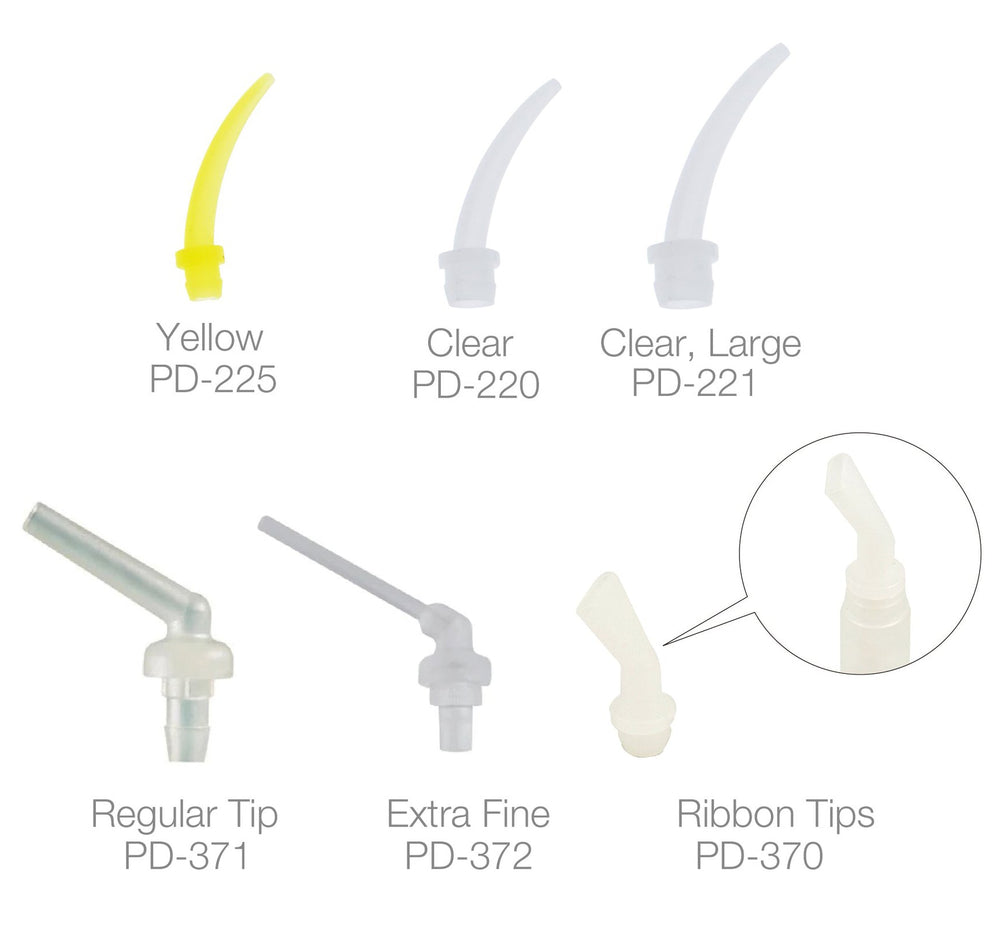


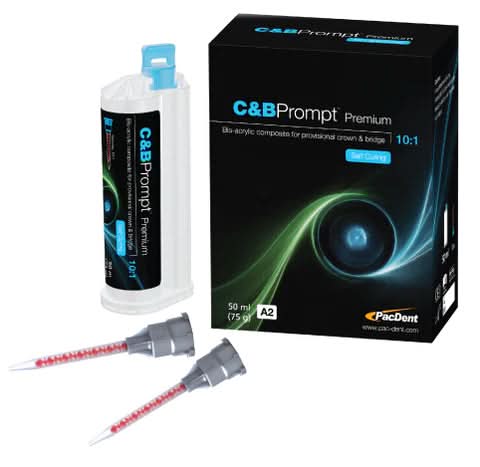

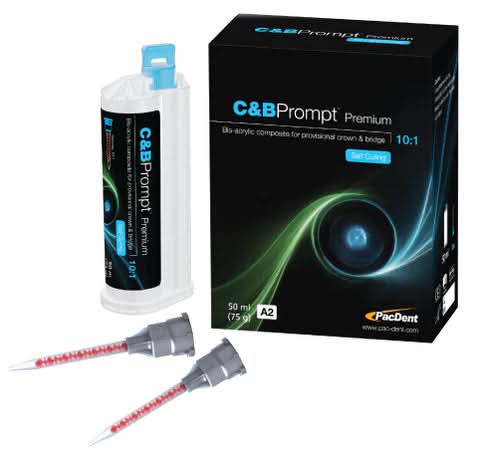
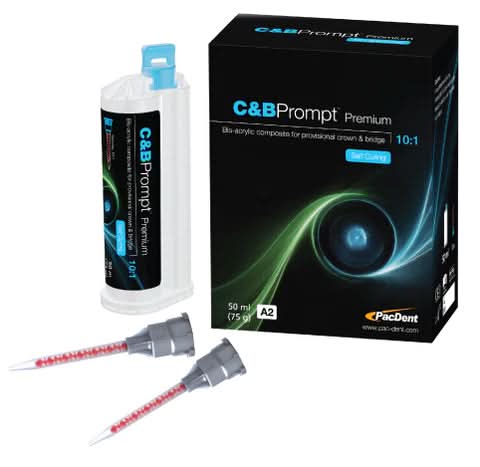
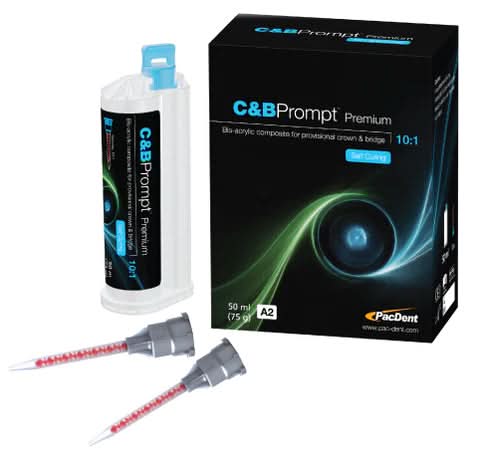


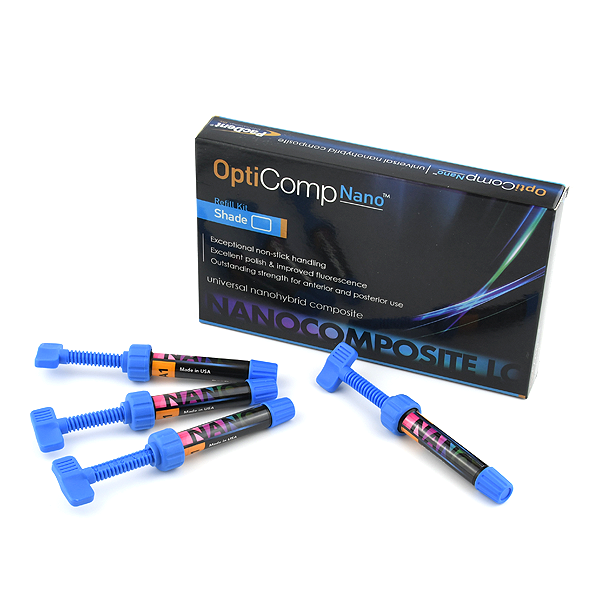




This department covers the restorative dental supplies a practice consumes chairside: composites and amalgam, bonding agents and etchants, cements, liners and bases, core build-up materials and posts, matrix systems and retraction, temporary crown and bridge materials, articulating and occlusion products and the tips and guns that deliver them. It runs to more than 1,400 listings from RMH3 Dental Supply, FGM, Cargus, Parkell, Pac-Dent, Veratiq Dental, HDI-DENU and Keystone Industries.
The direct restorative sequence is what most of it serves. Isolate, etch or self-etch, apply the adhesive, place the composite in increments or as a bulk fill, cure, shape and polish, then check the occlusion. Composite dental supplies here run from flowable and universal nano-hybrid materials to bulk fill and amalgam alloy, with light-cure adhesives such as Shofu Beautibond Xtreme in unit dose covering the bonding step.
Indirect and cosmetic work is supported alongside it: temporary crown material and temp cements for the provisional stage, ceramic primers for cementation, Keystone Superoxol 35 percent hydrogen peroxide for bleaching, and occlusion marking including spray and articulating papers for checking the restoration before the patient leaves.
How to choose
- Buy the restorative sequence as a system: the etchant, the adhesive and the composite have to be compatible in etch mode and cure chemistry.
- Choose the composite by cavity: flowable for lining and small preparations, universal for most direct work, bulk fill where increment time is the constraint.
- Pick your delivery form deliberately. Syringes are cheaper per gram; unit-dose compules and capsules are faster and cleaner between patients.
- Match the shade system across the restoration, and stock the middle shades deeply rather than stocking every shade shallowly.
- Add the matrix, wedge and retraction material to the same order; a restoration is only as good as the contact and the isolation.
- Finish the plan with occlusion marking and polishing, which is what the patient actually notices about the restoration.
Frequently asked questions
What counts as restorative dental supplies?
Everything used to restore a tooth chairside: etchants and bonding agents, composites and amalgam, cements, liners and bases, core build-up materials and posts, matrices, wedges and retraction cord, temporary crown and bridge materials, plus the finishing, polishing and occlusion-marking products used to complete the restoration.
How do I keep composite and adhesive compatible?
Match the etch mode and the cure chemistry. A light-cure adhesive with no chemical activator should not be used under a self-cure or dual-cure core material unless the manufacturer supplies an activator, and total-etch, self-etch and selective-etch protocols each have their own technique in the adhesive's instructions.
Which shades should a practice stock?
Most direct restorative work is done in a handful of mid shades, typically around A1, A2, A3 and A3.5, so stock those deeply and keep single syringes or a small kit for the extremes. Buying an economy kit of the common shades is usually cheaper than buying each shade separately.
Syringes or unit-dose compules?
Syringes cost less per gram and suit a practice that uses a shade steadily. Compules and capsules reduce cross-contamination handling, deliver directly into the preparation and waste less when a shade is used occasionally, which often makes them cheaper in practice for the shades you touch rarely.
How fast do restorative orders ship?
In-stock restorative items ordered by 3 PM ET ship the same day from our Northern Virginia warehouse. Light-cured materials ship in their light-protective packaging, and refrigeration and expiry instructions on the product label should be followed on arrival.