
Mounted Points & Stones
398 products
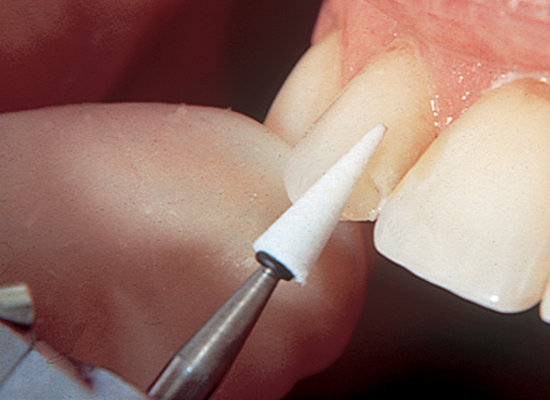


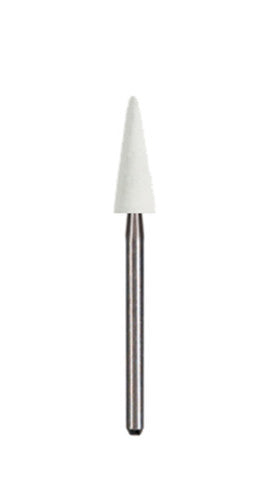


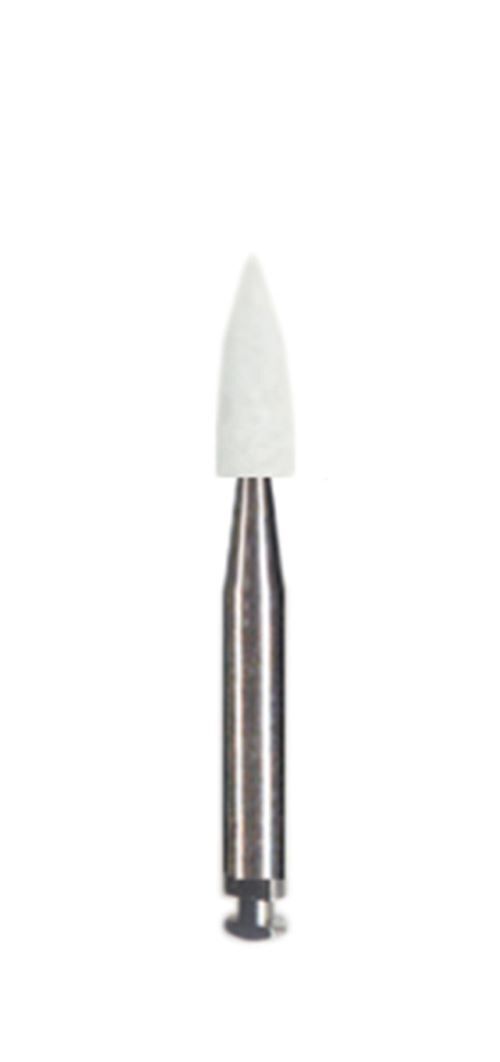


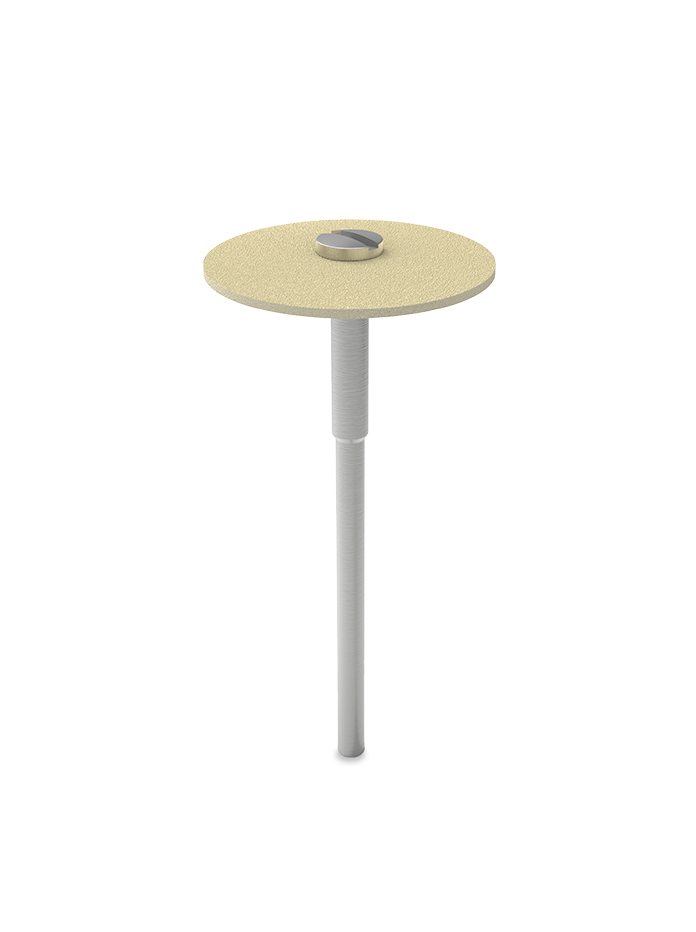
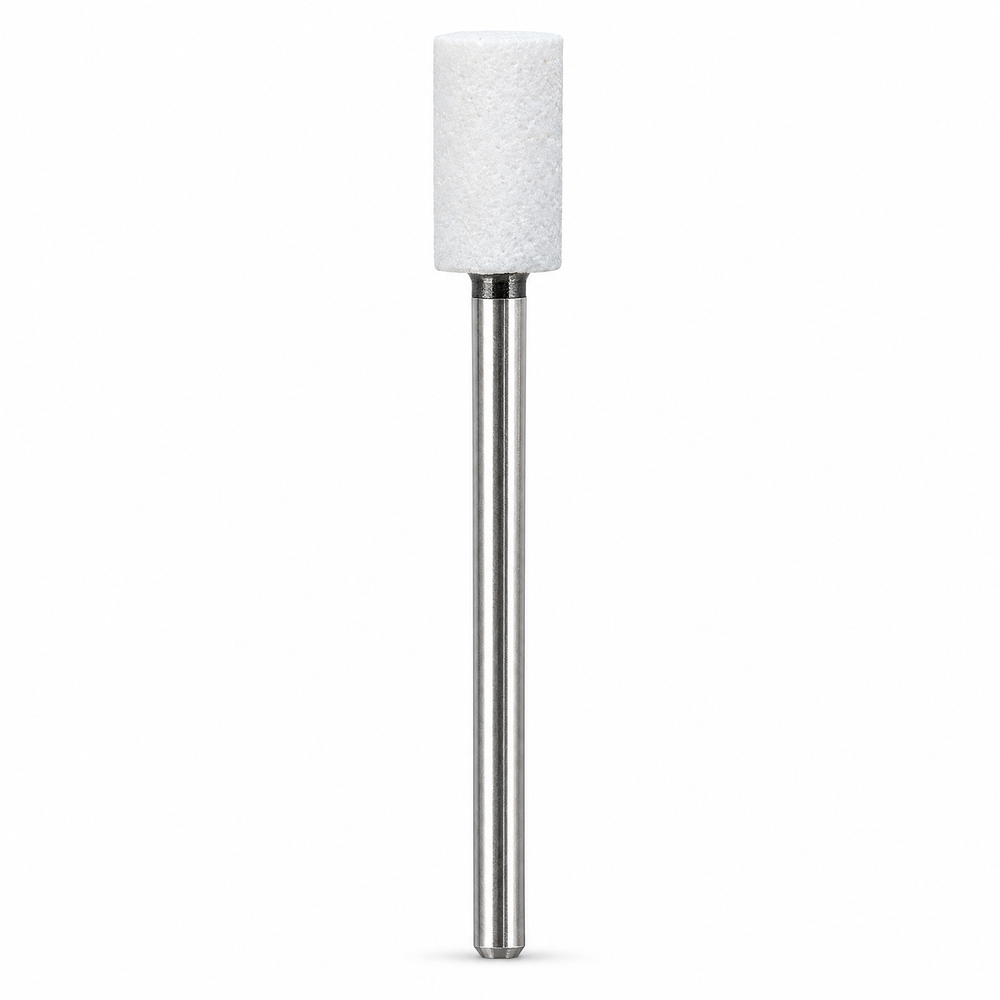




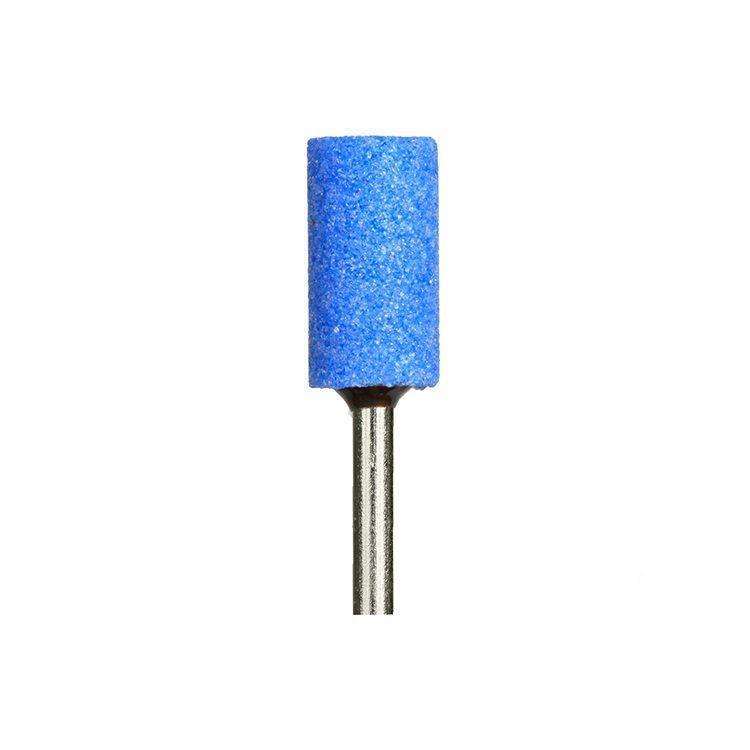


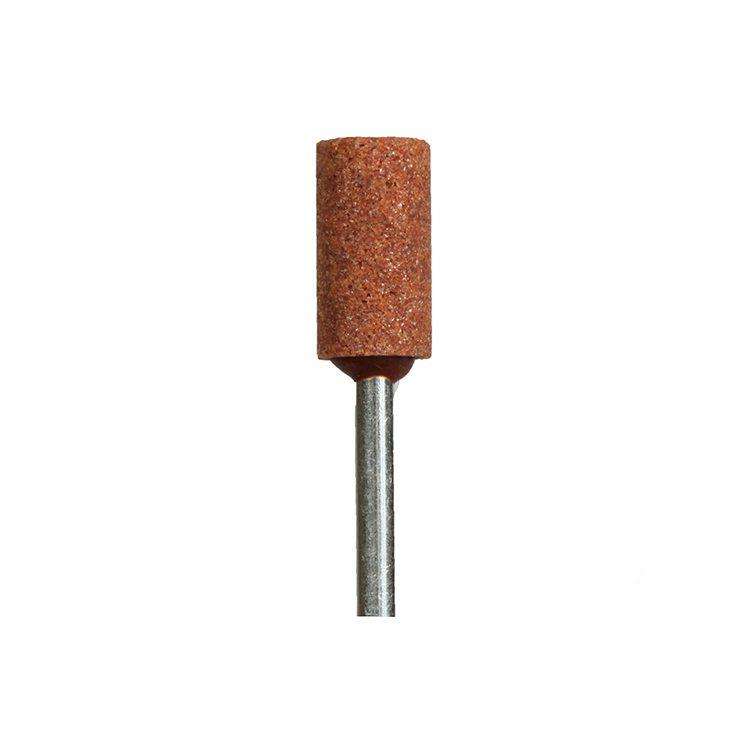
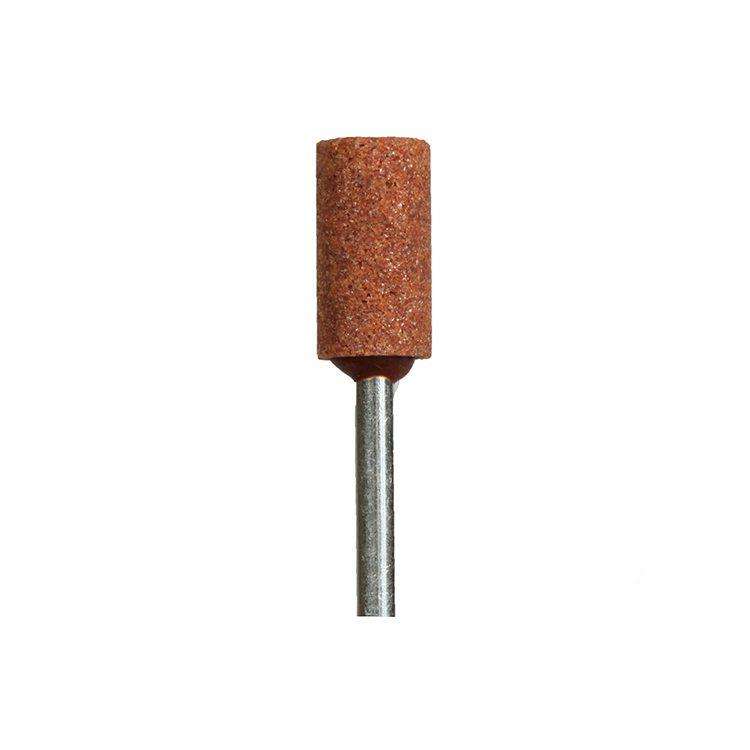

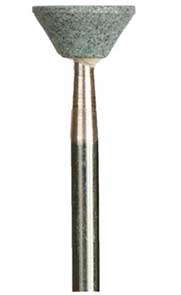


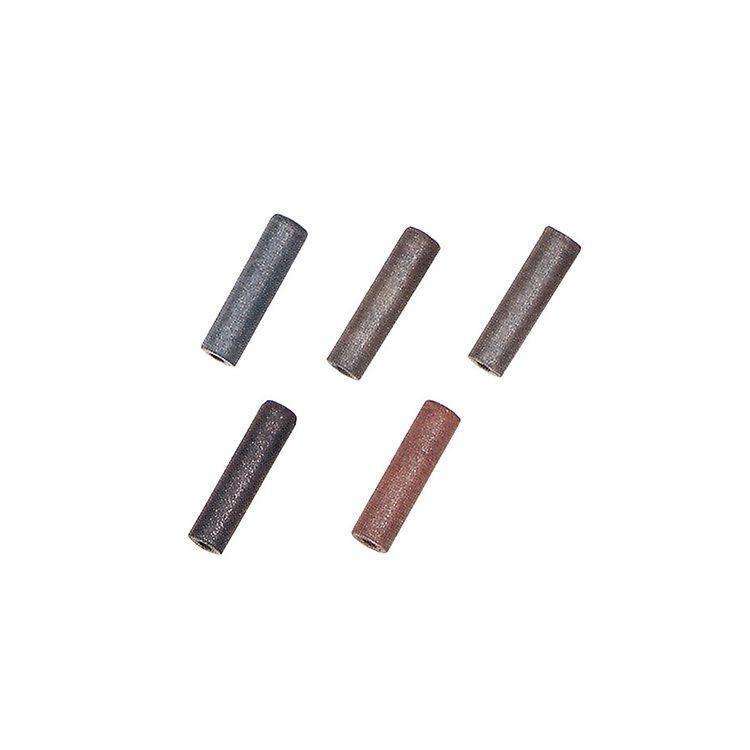
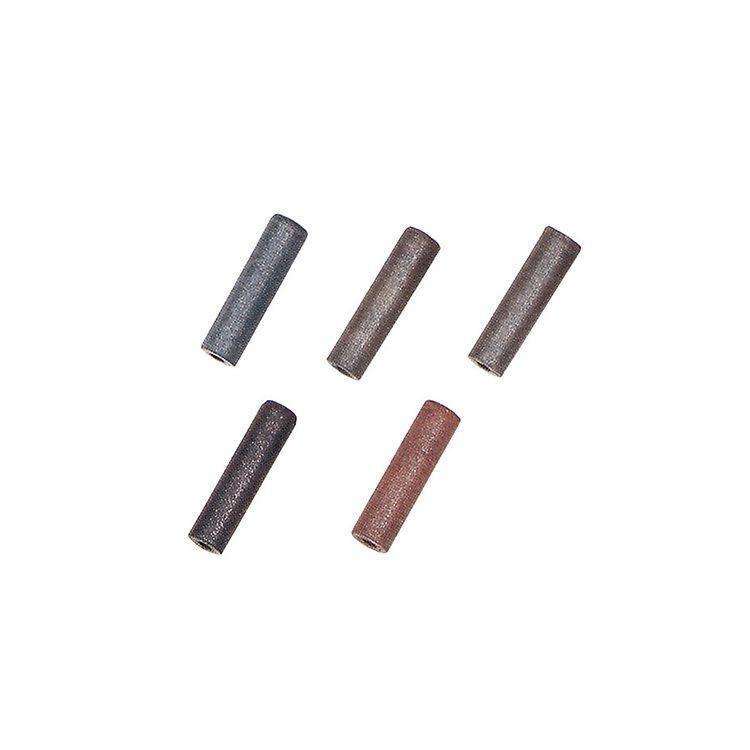


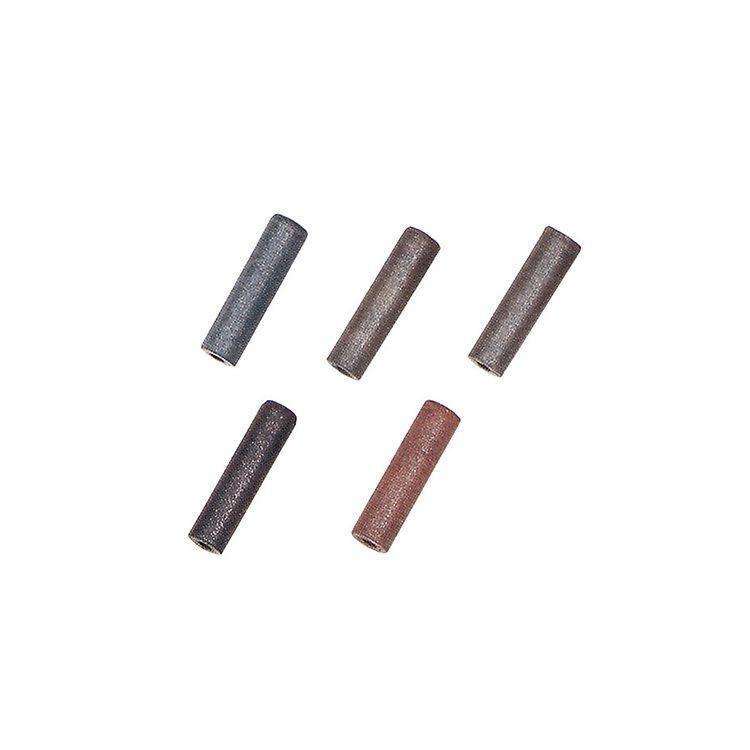





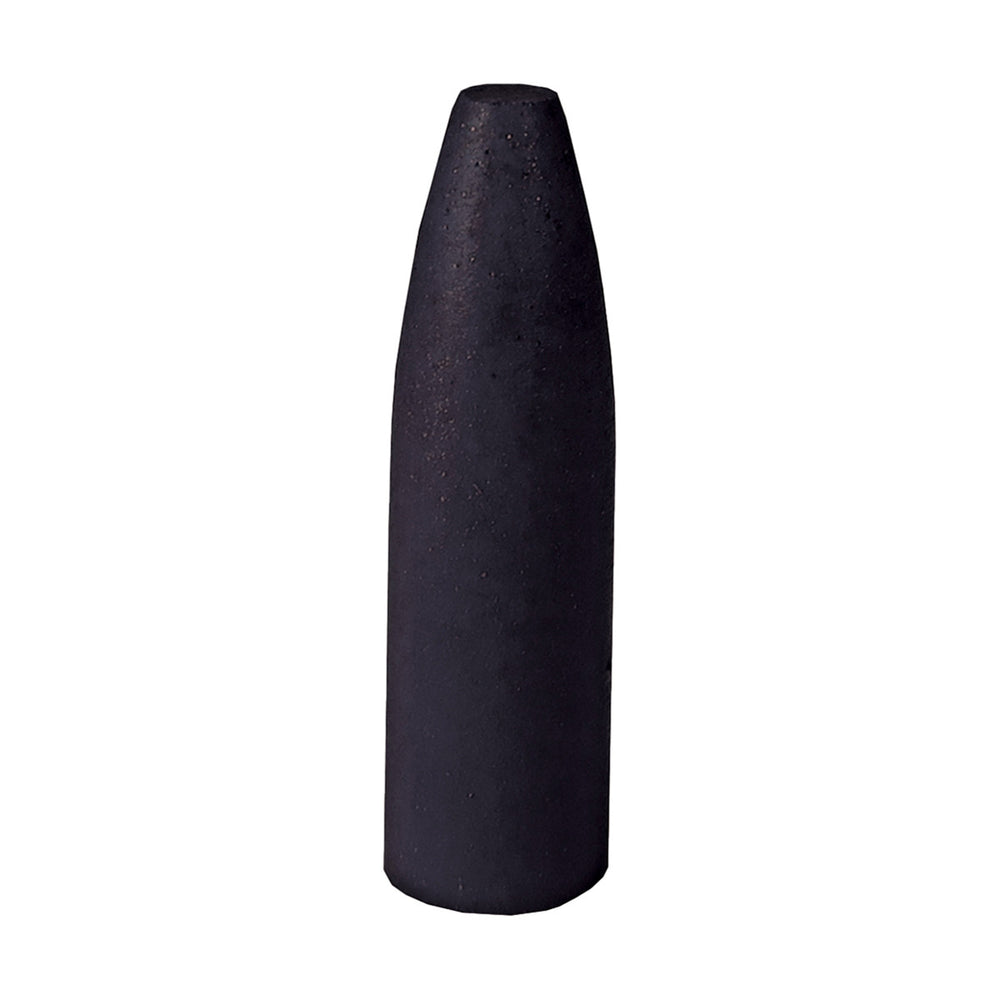


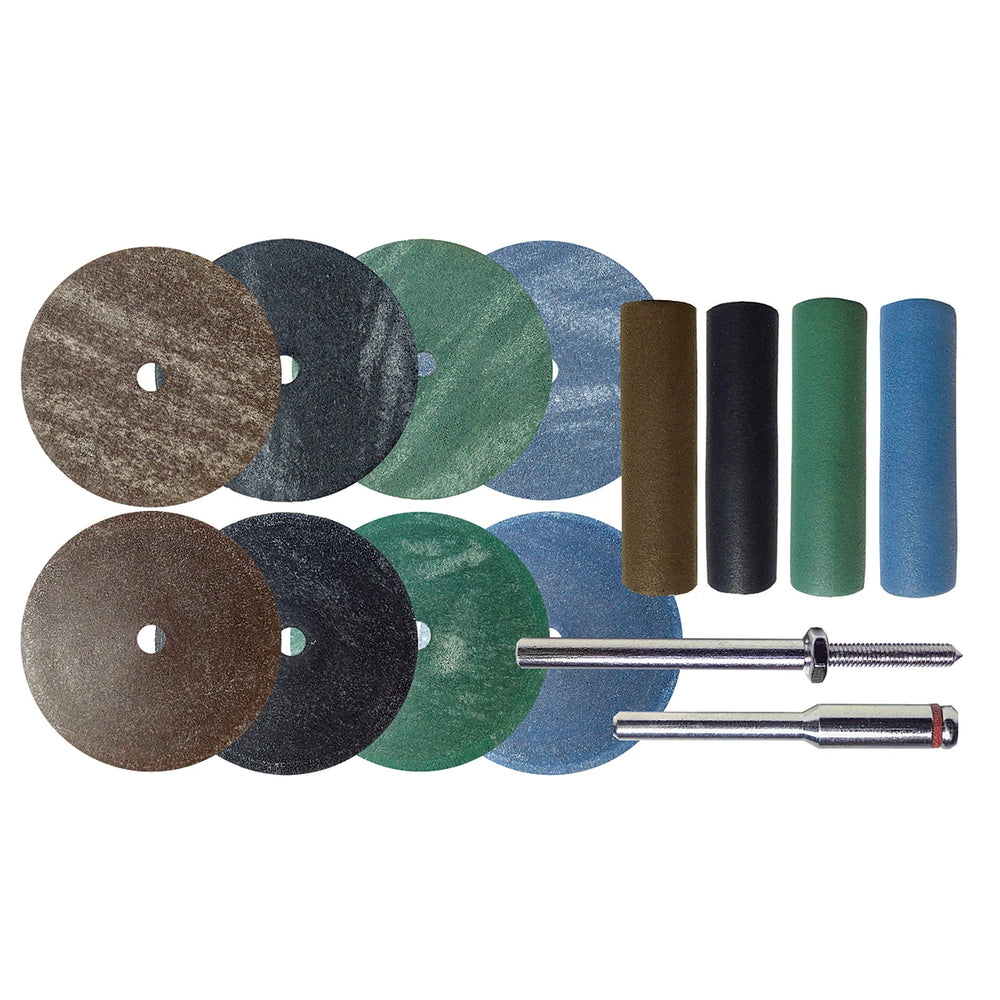


Mounted points and stones are abrasive heads bonded to a shank, used for grinding, adjusting and pre-polishing where a bladed bur would be too aggressive or would clog. The abrasive type sets the job. White stones, usually aluminium oxide, are the standard for adjusting enamel, porcelain and composite intraorally and for smoothing metal and acrylic on the bench. Green stones are the coarser silicon carbide family, used for rapid reduction of metal, acrylic and stone rather than for finishing. Pink and other bonded stones sit between the two.
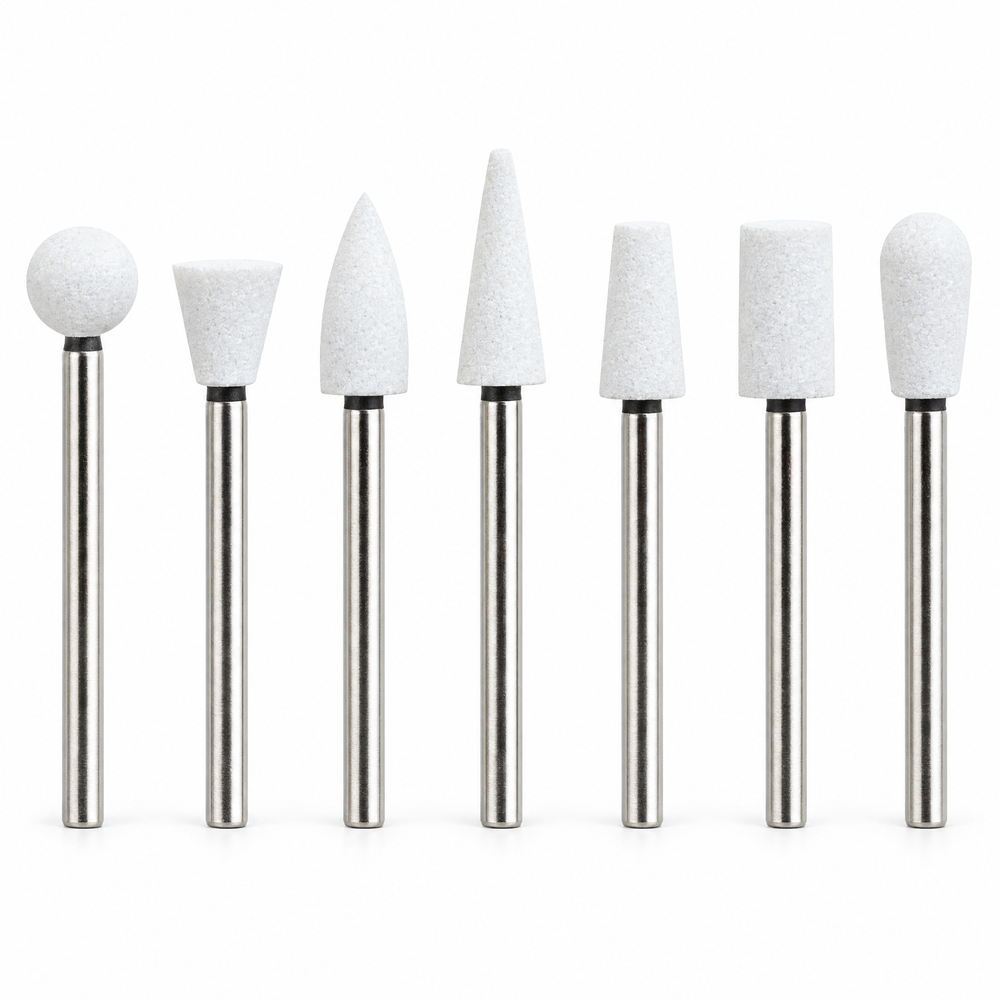
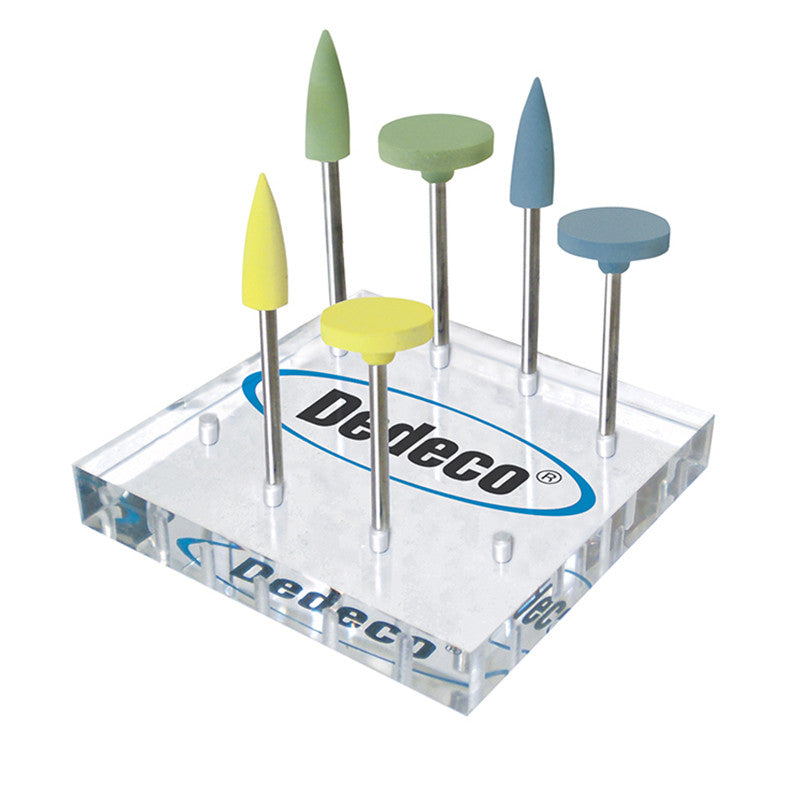
Shape and shank decide access. Cylinder, flame, inverted cone, cone, barrel and disc forms each address a different surface, FG friction grip shanks run intraorally in the high-speed handpiece, and HP straight shanks fit the laboratory handpiece for denture, model and framework work. Mounted rubber points are the softer, impregnated end of the same shelf and are the step after a stone, taking the ground surface toward a polish.
Stocked lines include Shofu White Lab Series aluminium oxide stones for the HP handpiece in 72-count packs, Shofu Dura-Green for the contra-angle, Harvest Dental YelloStone cones, discs and barrels in several sizes, Keystone Industries NK green mounted points, Dedeco mounted stones and rubber points, and the RMH3 Dental Supply FG white stones in cylinder, flame and inverted cone shapes, available in 12-packs or as a seven-shape kit.
How to choose
- Abrasive: white stones for adjusting enamel, porcelain, composite and for fine metal work; green stones for fast reduction of metal, acrylic and stone.
- Shank: FG for intraoral adjustment in the high-speed handpiece, CA or RA for the contra-angle, HP for the laboratory straight handpiece.
- Shape: cylinder for flat surfaces, flame for margins and embrasures, inverted cone for undercuts and grooves, cone and barrel for bulk reduction, disc for separating and flanges.
- Size: small heads for intraoral occlusal adjustment, larger barrels and discs for laboratory bulk work.
- Sequence: stone first to shape, then a mounted rubber point and a polisher, rather than trying to shine with the stone itself.
- Pack size: 12-packs or a multi-shape kit for a chairside set, 72-count packs for a lab bench that runs one shape all day.
Frequently asked questions
Are white stones dental instruments or laboratory instruments?
Both. White stones are aluminium oxide abrasives used chairside to adjust occlusion on enamel, porcelain and composite, and at the bench to trim metal and acrylic. They cut more gently than a diamond and leave a surface that a rubber point can take to polish.
White stones or green stones?
Green stones are coarser silicon carbide and are for fast removal of metal, acrylic and stone on the bench. White stones cut more finely and are the usual choice intraorally and for the last shaping pass. Using a green stone where a white stone belongs leaves work for the polisher.
What is the difference between a mounted stone and a mounted rubber point?
A mounted stone is a hard bonded abrasive that removes material. A mounted rubber point carries abrasive in a flexible matrix, removes very little, and refines the surface the stone produced. They are sequential steps rather than alternatives.
Do mounted stones need to be dressed?
Yes. Bonded stones load with debris and lose their shape with use, so dressing them on a dressing stone restores both the cutting surface and the geometry. A loaded stone generates heat rather than cutting, which is the usual cause of burnishing instead of grinding.
How quickly do these ship?
Mounted points and stones ship from our Northern Virginia warehouse, and in-stock items ordered by 3 PM ET go out the same day. Shapes used at the bench all day are usually ordered in the larger packs, with chairside shapes kept as 12-packs.