
Sealers & Cements
54 products






Sealers and cements fill what the gutta percha cannot: the irregularities, lateral canals and the interface between core material and dentine. Chemistry is the first decision. A bioceramic root canal sealer is calcium silicate based, sets in the presence of moisture, bonds to dentine, is highly biocompatible and is the usual choice for single-cone technique. Resin-based sealers give strong adhesion and a long working time. Zinc oxide eugenol and Roth-type cements remain the traditional root canal sealer for lateral condensation, and they are the easiest to retreat.
The shelf also carries the repair and temporisation materials that sit next to sealing in the same appointment. MTA and bioceramic repair cements are used for perforation repair, apexification, pulp capping and root-end filling, supplied as capsules, powder and liquid, or ready-to-use syringes, with fine applicators for placing them. Temporary filling materials close the access cavity between visits, and they need enough seal and compressive strength to survive until the definitive restoration.
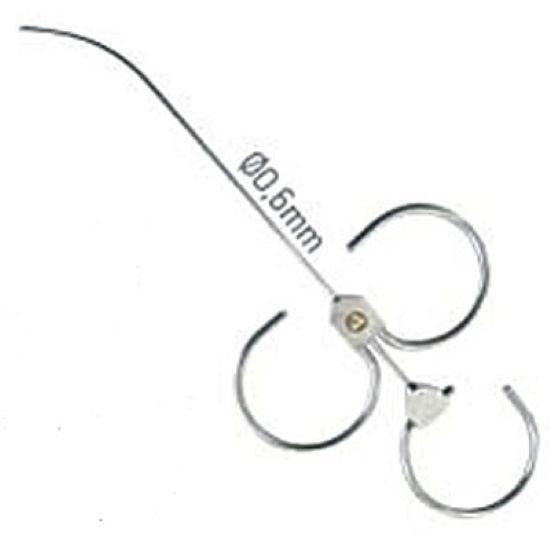
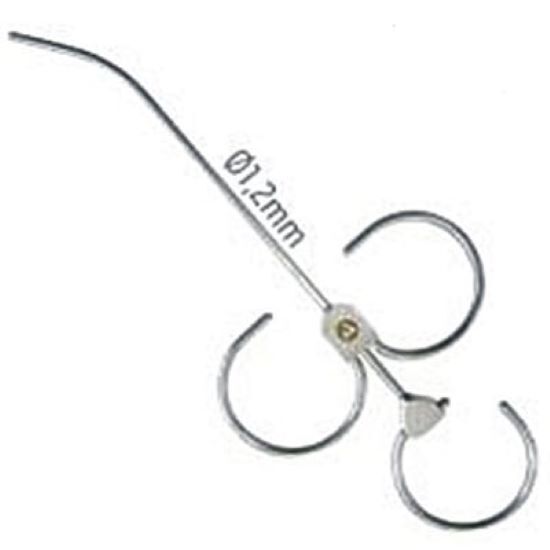
Brands here include Angelus, with MTA Fillapex bioceramic root canal sealer in 12 g tubes and base-and-catalyst kits, MTA Repair HP in two- and five-patient capsule kits, Bio-C Repair ready-to-use syringes and MTA applicators in small and medium tips; Parkell MetaSEAL endodontic sealer kits; Dentonics Roth root canal cement powder; plus Pulpdent, DiaDent, Pac-Dent, Directa and Keystone Industries materials.
How to choose
- Chemistry: bioceramic for biocompatibility and single-cone sealing, resin-based for adhesion, zinc oxide eugenol when easy retreatment matters.
- Technique: single cone and warm vertical suit sealers designed for thicker films; lateral condensation works with traditional cements.
- Delivery: ready-to-use syringes and capsules for consistency and speed, powder and liquid when you want to control the mix.
- Retreatability: consider how the material will be removed if the case has to be reopened before you standardise on it.
- Repair materials: MTA or bioceramic repair cement plus a matched applicator tip size for perforations, apexification and root-end fills.
- Temporisation: a temporary filling material with the seal and strength to last the interval between visits.
Frequently asked questions
What is a bioceramic root canal sealer?
A calcium silicate based sealer that sets using moisture already present in the canal, bonds to dentine, is dimensionally stable and is highly biocompatible. It is the usual pairing with a single-cone obturation technique, since the sealer takes on more of the sealing role than in lateral condensation.
Bioceramic or resin-based root canal sealer?
Bioceramic sealers are biocompatible, hydrophilic and dimensionally stable but are harder to remove during retreatment. Resin-based sealers adhere well, offer a long working time and are more familiar to remove. Technique usually decides: single cone favours bioceramic, lateral condensation works with either.
What is MTA used for?
Mineral trioxide aggregate is used for perforation repair, pulp capping, apexification and root-end filling. It sets in the presence of moisture and blood, seals well against dentine and is biocompatible, which is why it is chosen for sites a conventional cement would not tolerate.
Do I need a separate temporary filling material?
Yes, if the case is multi-visit. The temporary must seal the access cavity against saliva and survive occlusal load between appointments; a failed temporary re-contaminates a canal that was disinfected at the previous visit and can undo the entire appointment.
How fast do sealers ship?
Sealers and cements ship from our Northern Virginia warehouse, and in-stock items ordered by 3 PM ET go out the same day. Check the expiry dating on your shelf before reordering, since sealer tubes and capsules are used slowly and are usually the item that expires first.