
Endodontic Equipment
94 products


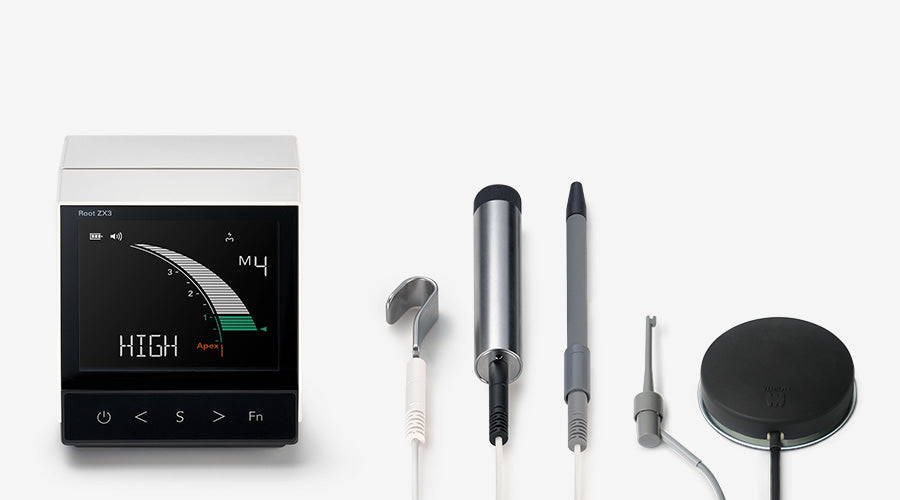

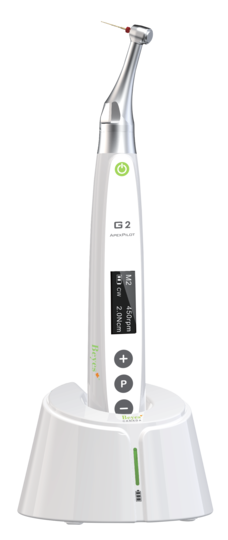


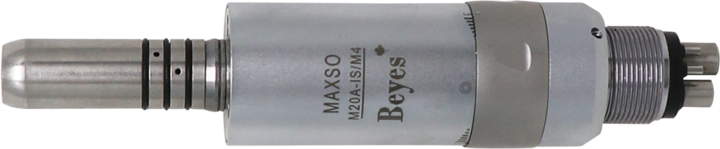
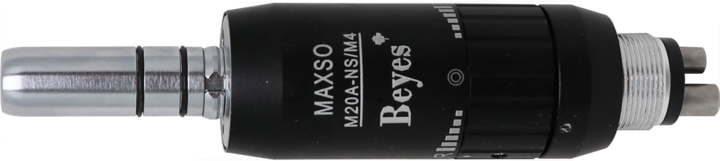


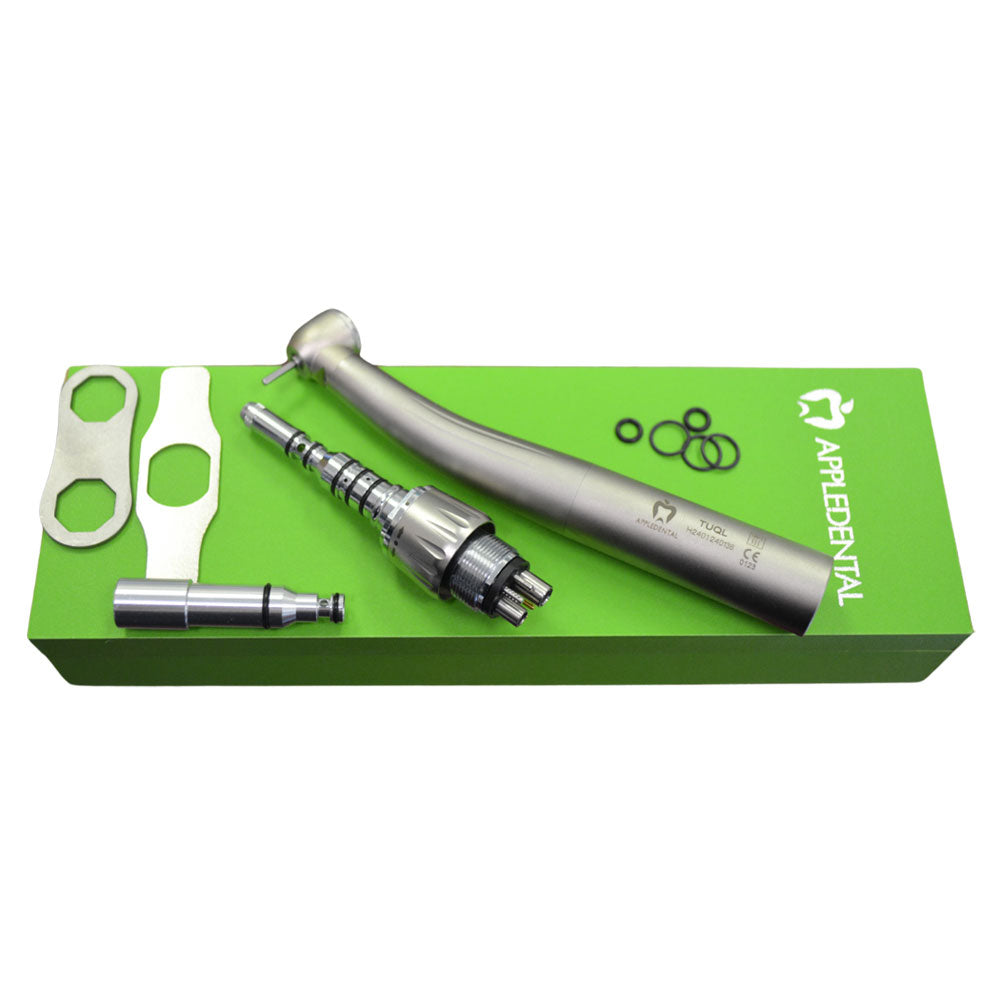


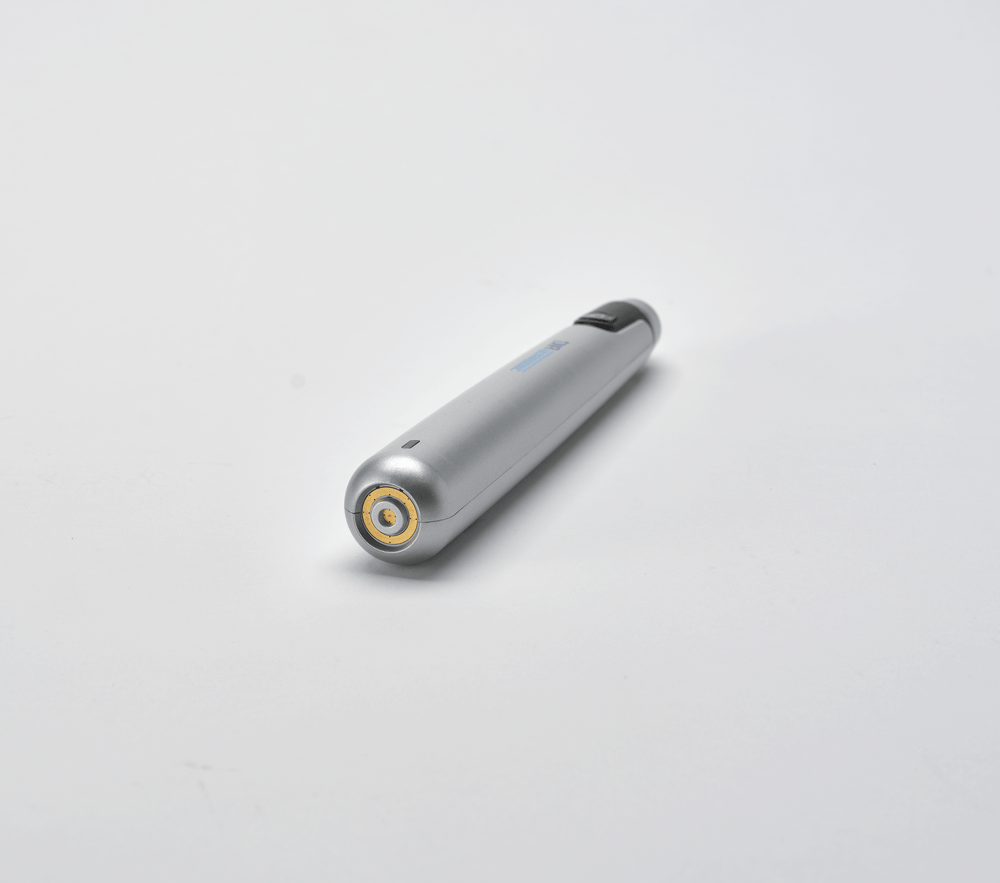

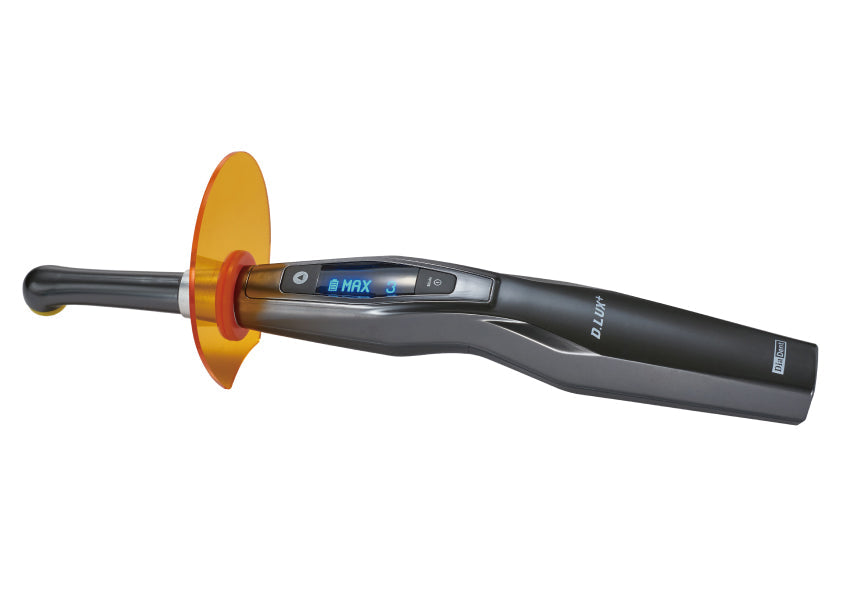




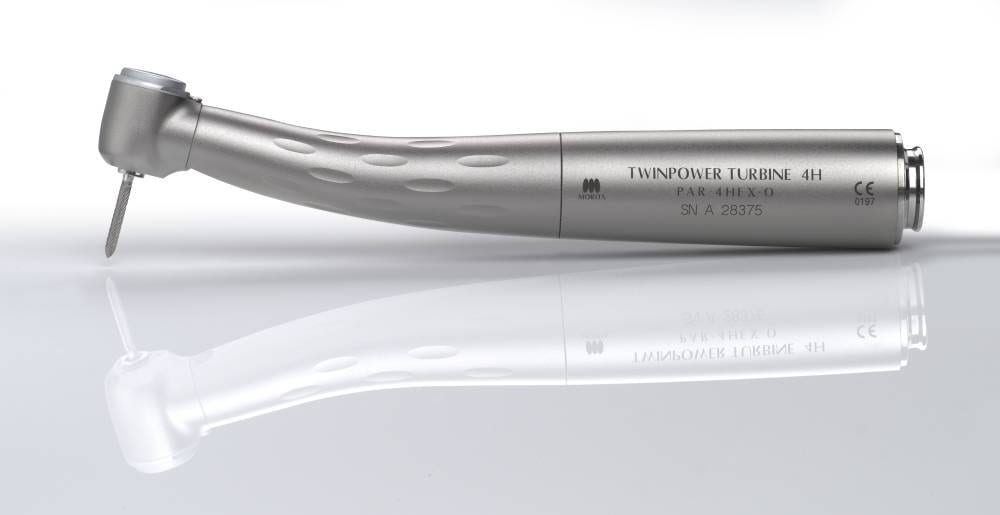




The durable side of endodontics: endo motors, apex locators, endodontic handpieces, and the batteries, chargers, heads and accessories that keep them running. An endo motor drives NiTi rotary and reciprocating files at a controlled speed and torque, which is what makes rotary instrumentation predictable; torque limiting and auto-reverse protect the file in a curved canal. Cordless handpiece-style motors are used chairside because they are lighter and are not tethered to a control box.
An apex locator determines working length electronically by measuring impedance between a file in the canal and a lip clip, and it is used with, not instead of, a radiograph. Combined units put an apex locator and a motor together so the file stops or reverses as it approaches the apex, which suits a practice that wants one device and one charging routine on the endo cart. File-driving handpiece heads and reduction contra-angles are matched to the motor, so the head and coupling matter as much as the unit.
Stocked brands include J-Morita, with TwinPower turbines and couplings, Beyes Dental, DiaDent, including D-Lux and Duo line handpieces, batteries, chargers and light protectors, Guilin Woodpecker Medical Instrument Co., Jinme and Pac-Dent. Parts and accessories are a large part of this shelf, so a worn battery or head can usually be replaced rather than the whole unit.
How to choose
- Motor type: cordless handpiece style for chairside freedom, corded or console units when you want a shared control box on the cart.
- Control: torque limiting, adjustable speed and auto-reverse, plus file library presets if you run a named rotary system.
- Combined or separate: a unit with a built-in apex locator reduces cart clutter, separate devices are easier to replace one at a time.
- Handpiece head: the reduction contra-angle and coupling must match both the motor and the files you use.
- Power: battery type, runtime and whether replacement batteries and chargers are stocked for that model.
- Parts availability: check that heads, batteries, chargers and protectors are separately available before standardising on a system.
Frequently asked questions
Do I still need radiographs if I have an apex locator?
Yes. An apex locator measures impedance and gives a reliable working length reading, but a radiograph confirms canal anatomy, curvature and file position. Standard practice is to use the apex locator for length determination and a radiograph to verify before shaping and before obturation.
What torque setting should an endo motor use?
Use the torque and speed the file manufacturer specifies for the system you run, since the limits are set to the fatigue behaviour of that alloy and taper. Running a file faster or at higher torque than specified is the common cause of separation in curved canals.
Should I buy a combined apex locator and endo motor?
A combined unit saves cart space and lets the motor slow or reverse as the file nears the apex, which suits a single-operator endo setup. Separate devices cost less to replace individually and let you keep the apex locator when you change file systems.
Can I replace the battery or head instead of the whole unit?
Often yes. Batteries, chargers, handpiece heads and light protectors are stocked as individual parts for several of the lines here, and a unit whose runtime has fallen off is usually a battery problem rather than a motor problem. Check the part matches your exact model.
How is equipment shipped?
Equipment ships from our Northern Virginia warehouse, and in-stock units and parts ordered by 3 PM ET go out the same day. Because equipment is bought once and then maintained, it is worth ordering a spare battery or head with the unit if the model is one you plan to standardise on.