
3D Printing Resins
93 products


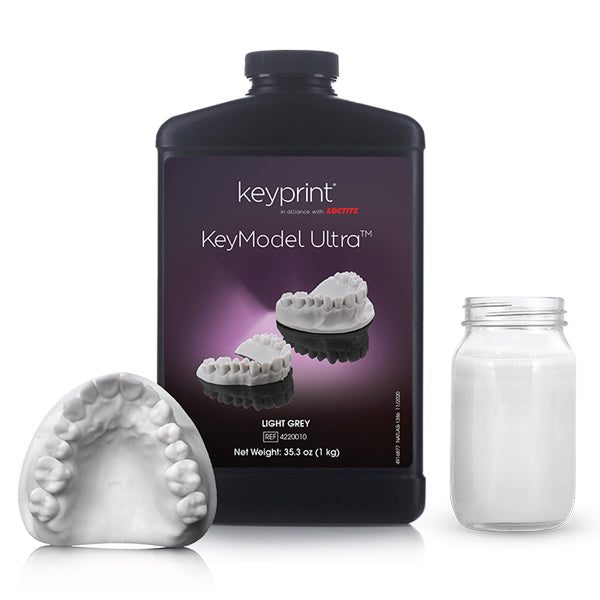

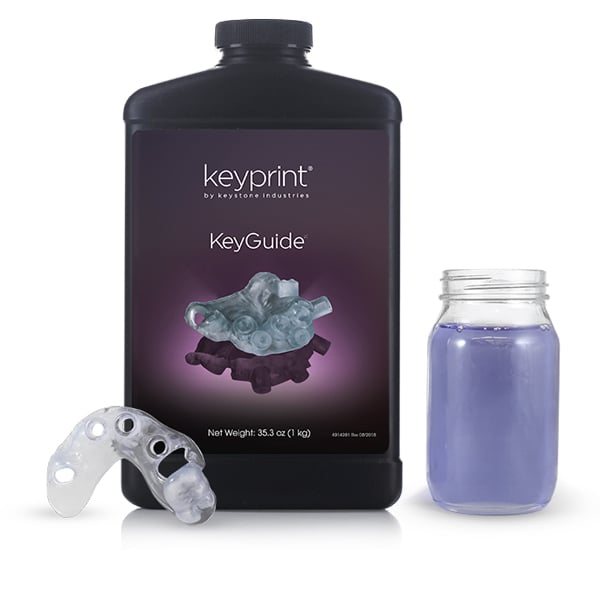
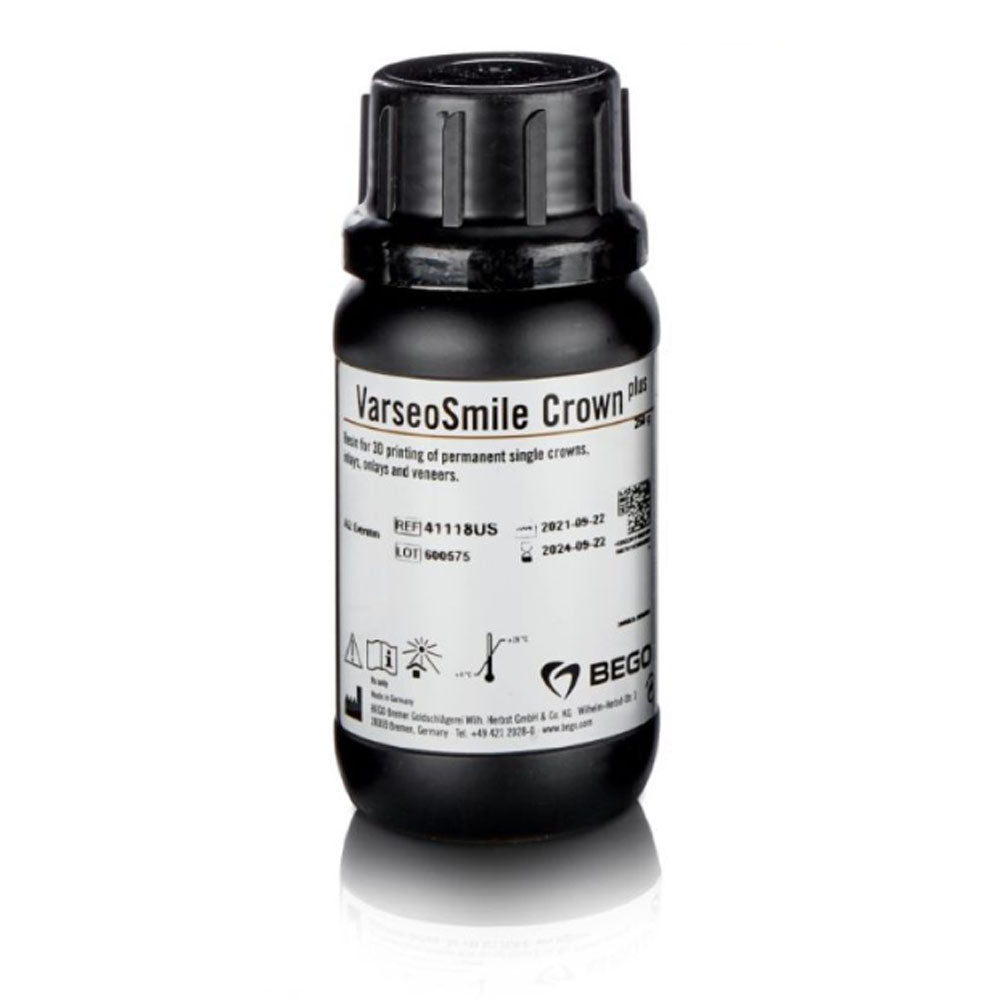
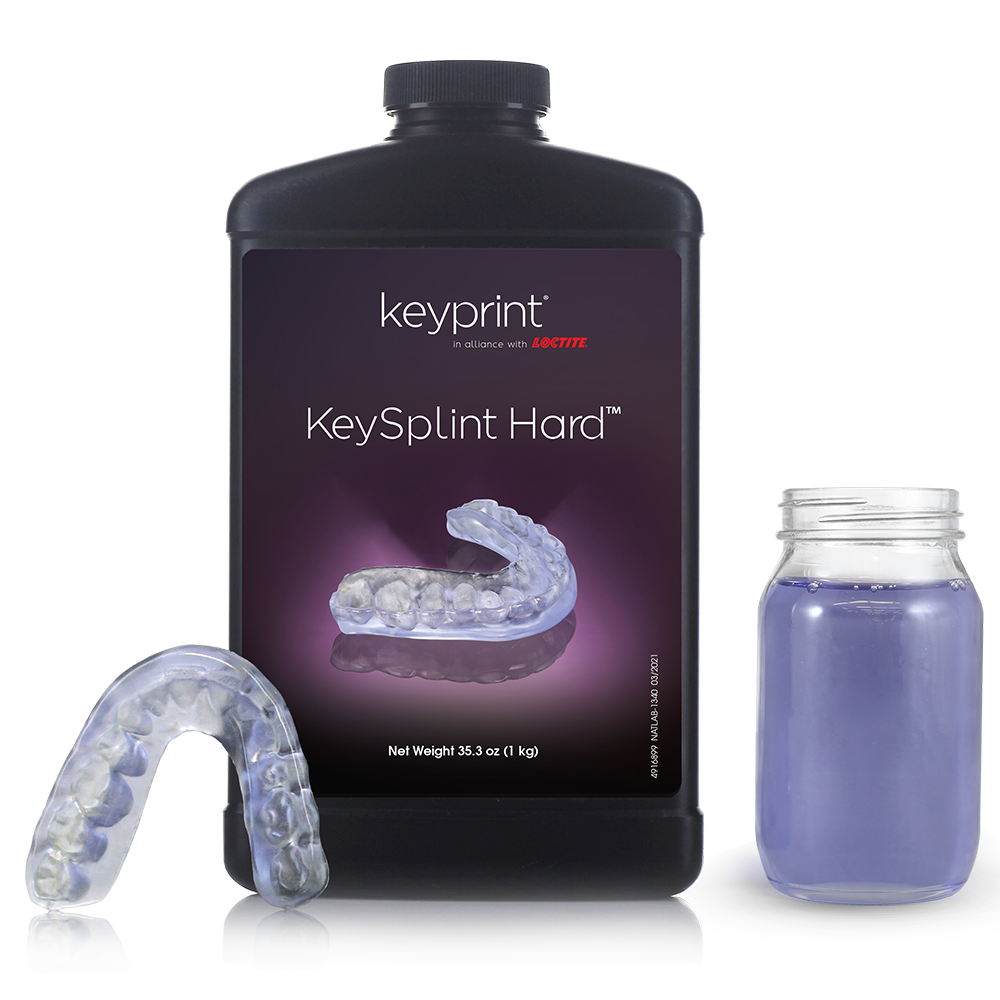


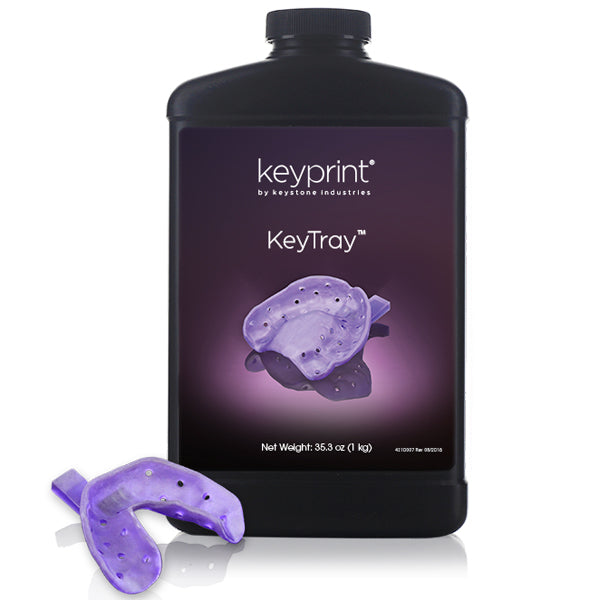
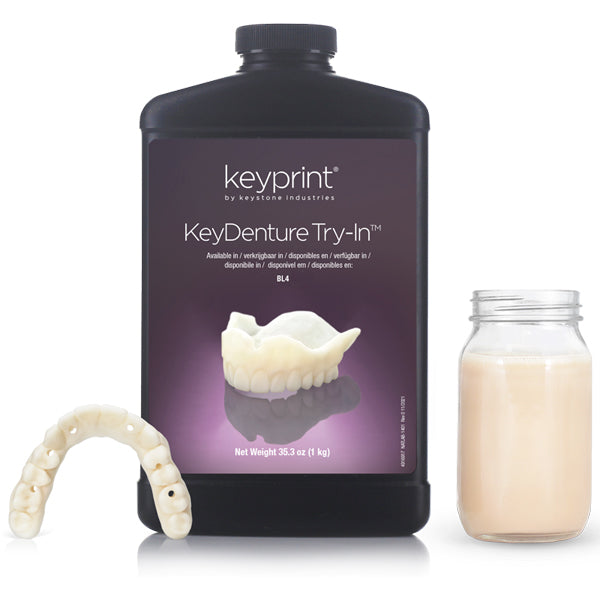
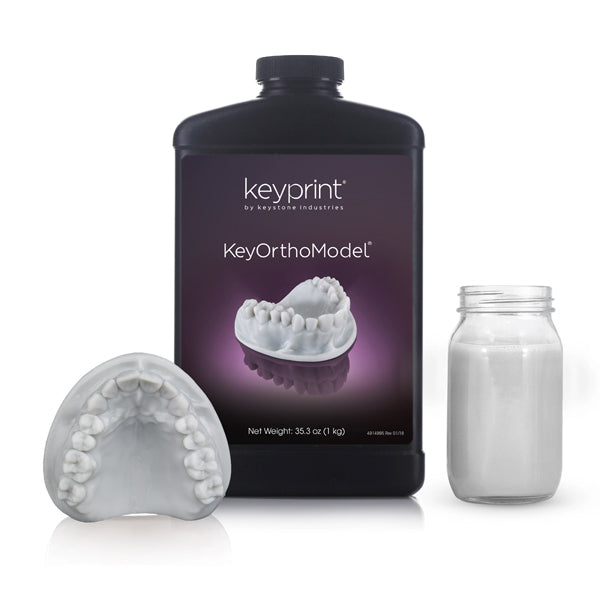


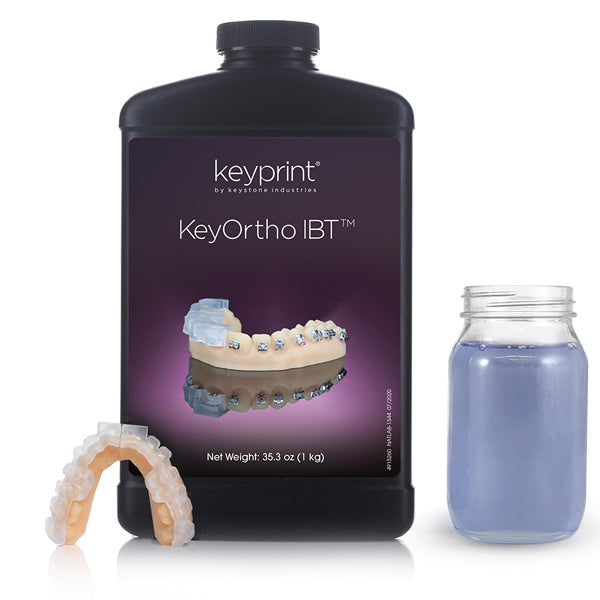
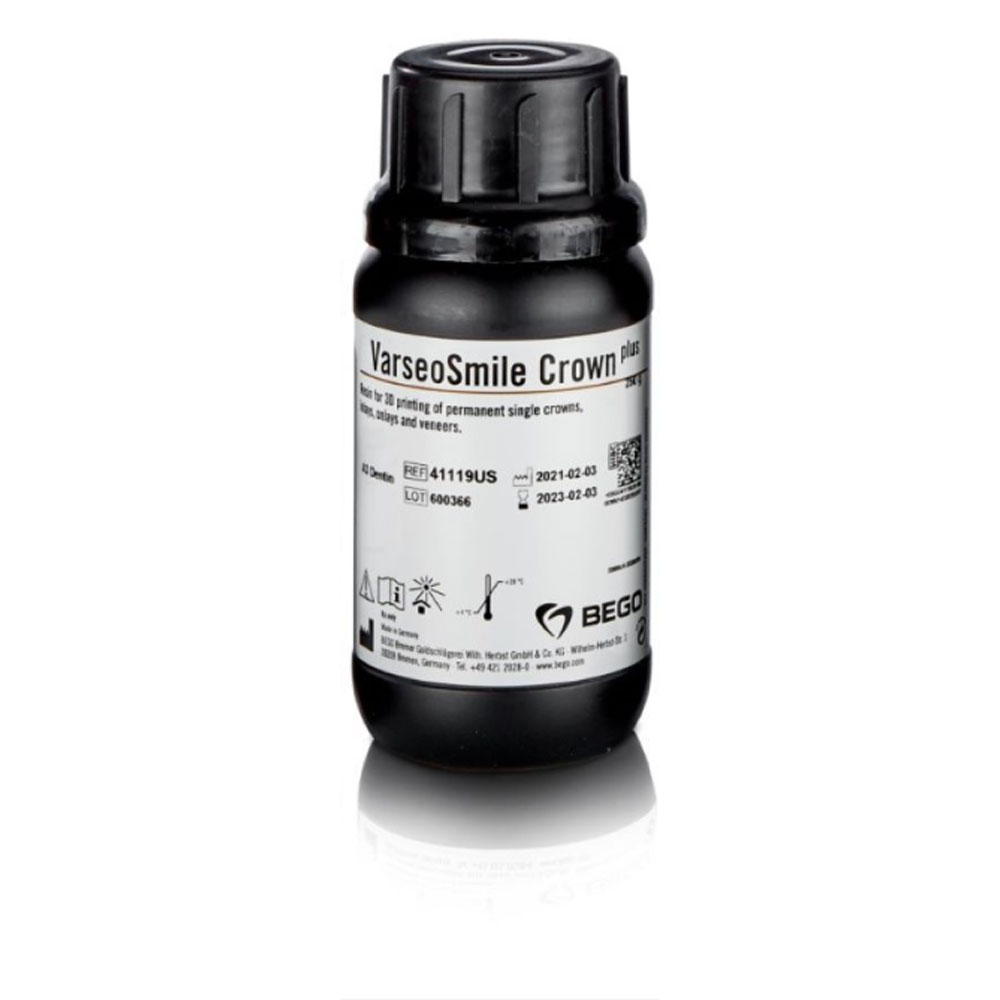
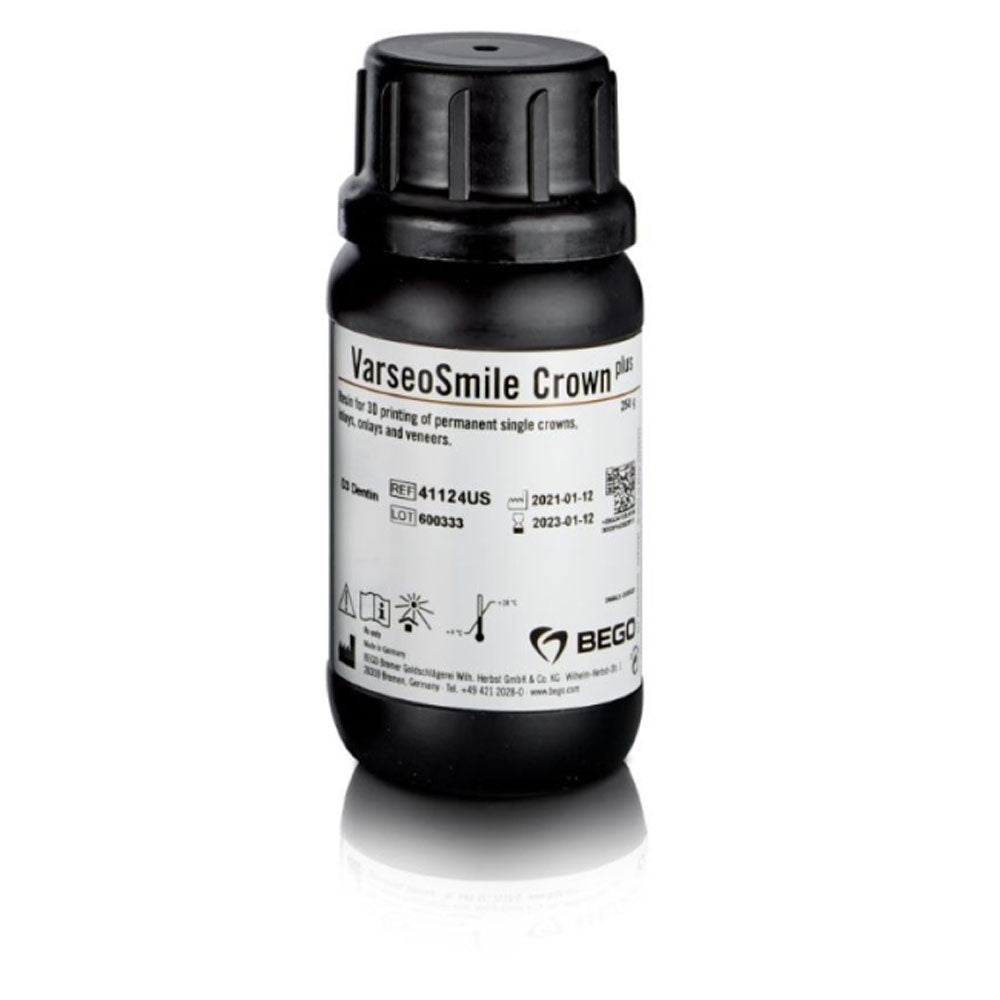

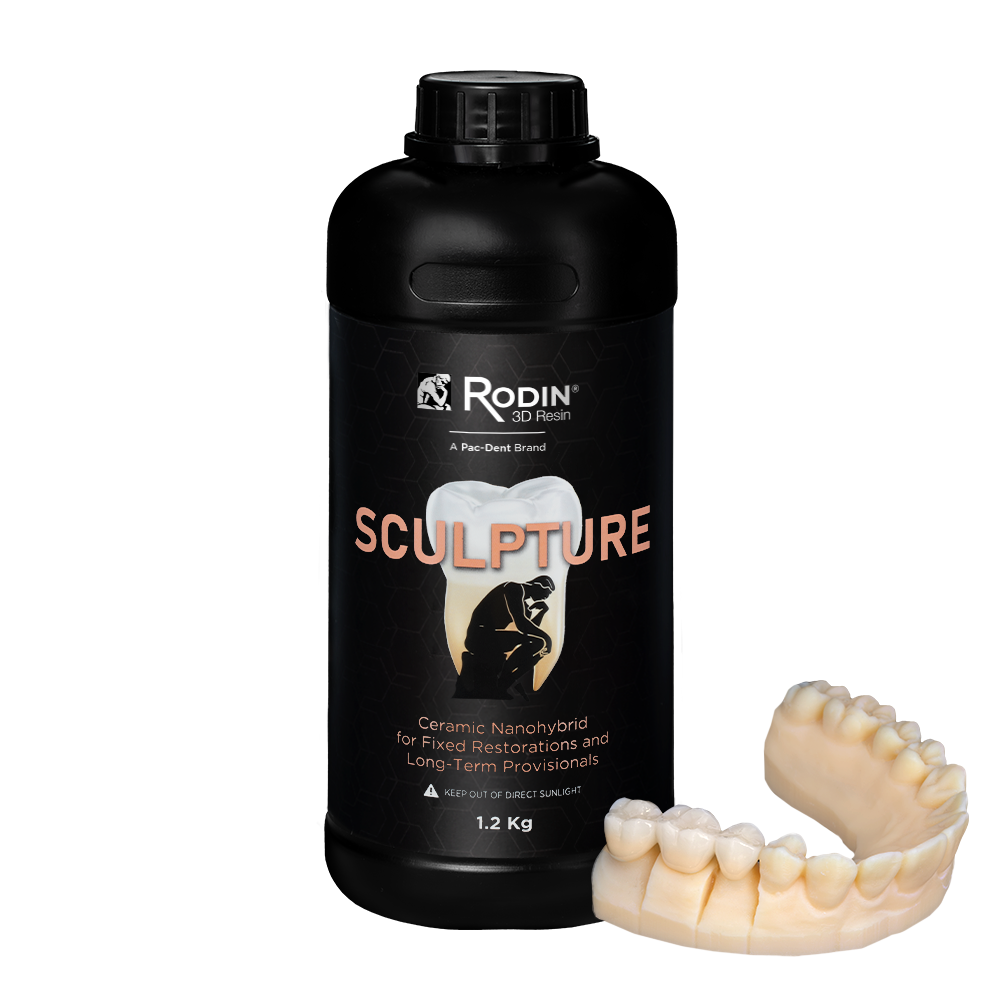
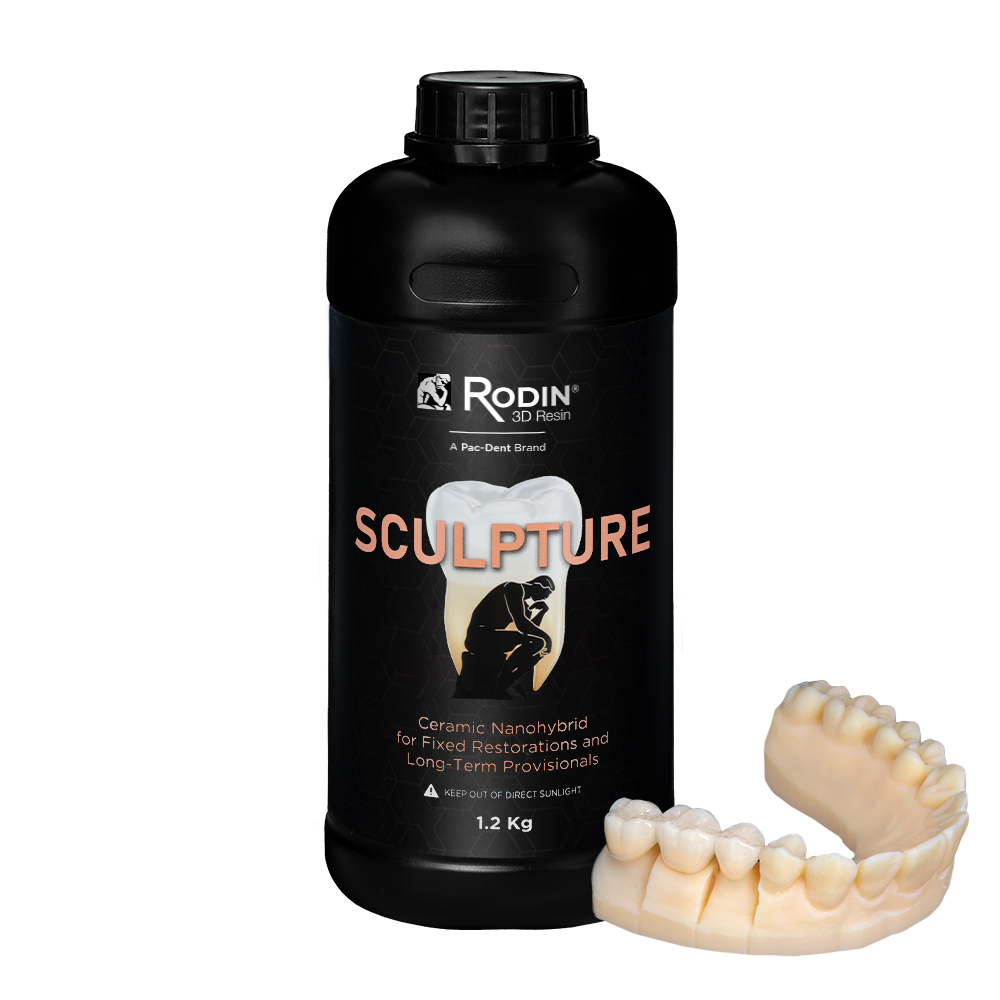


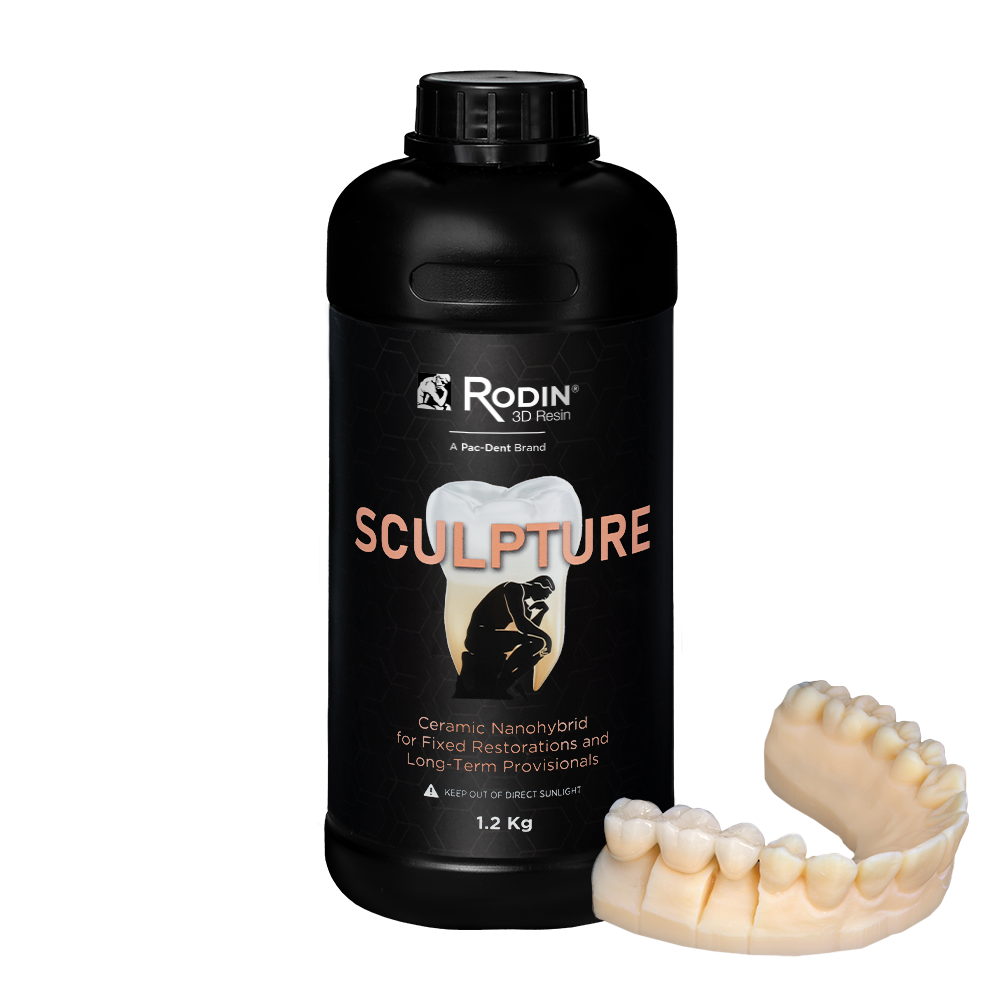

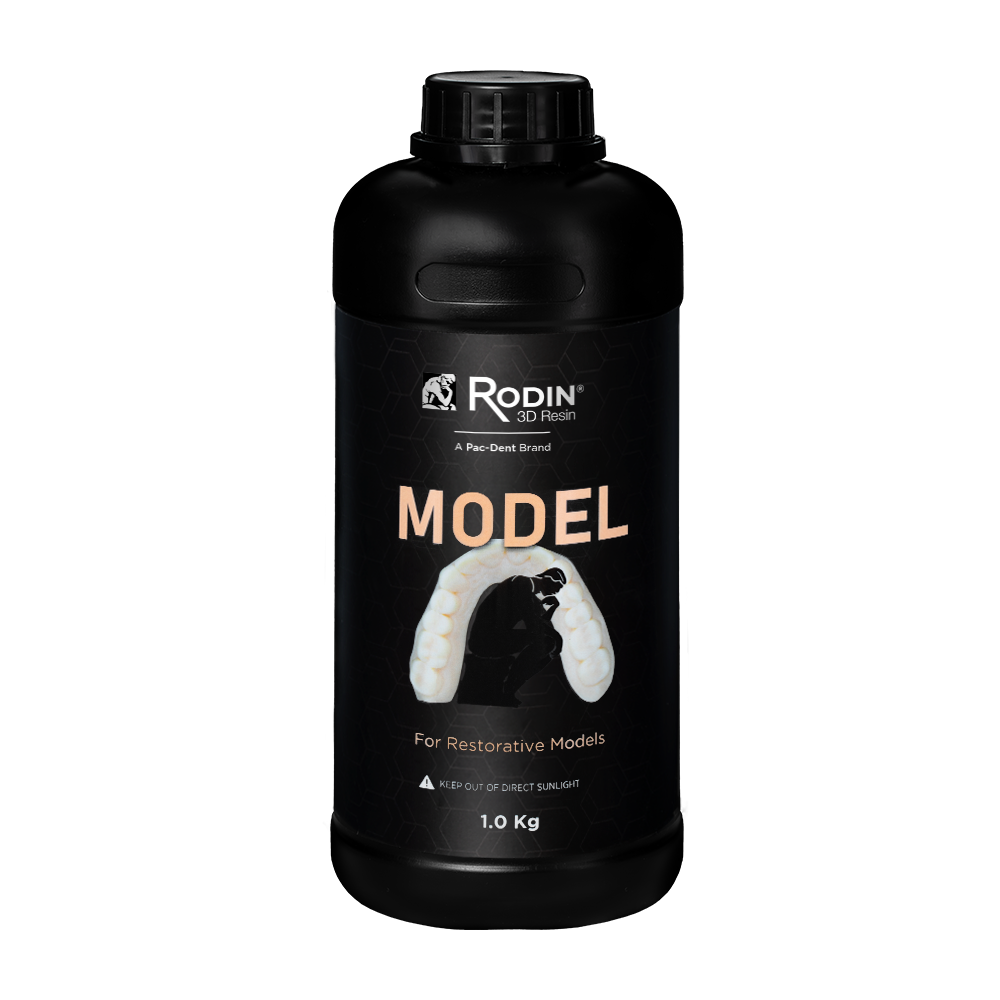

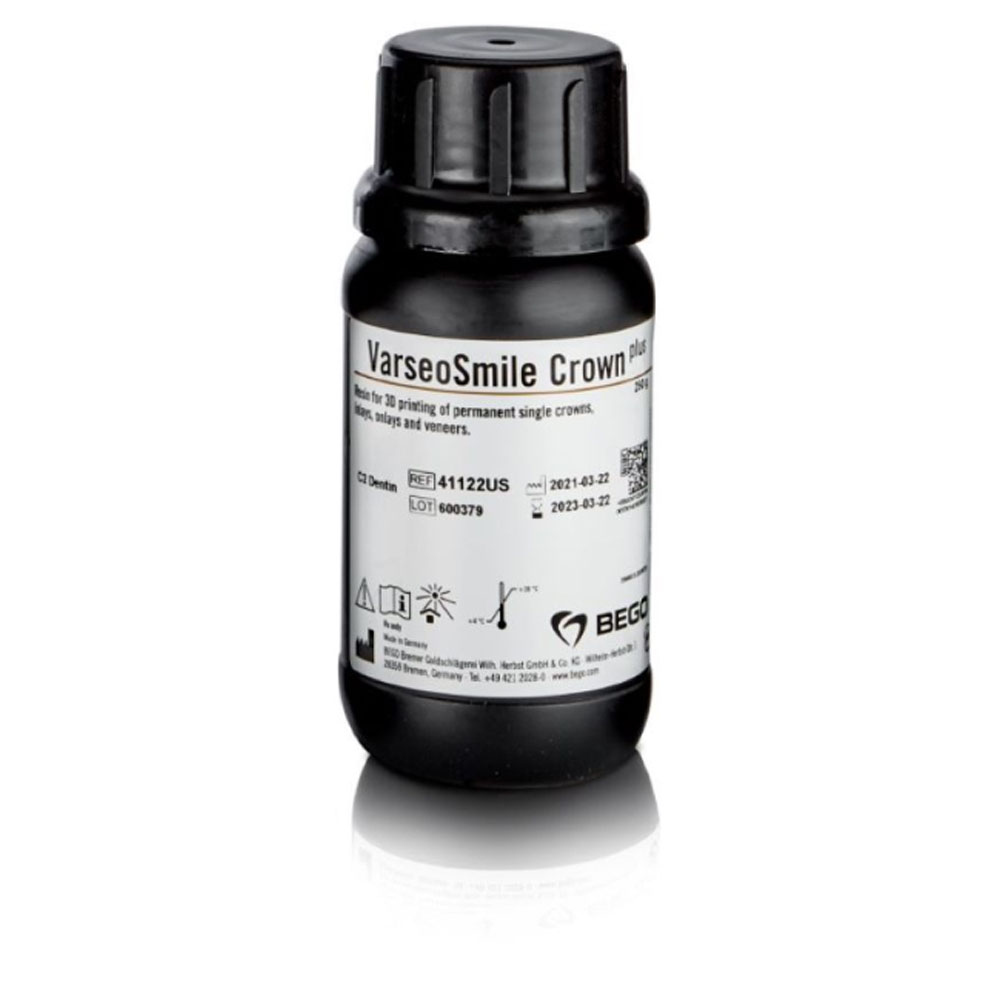
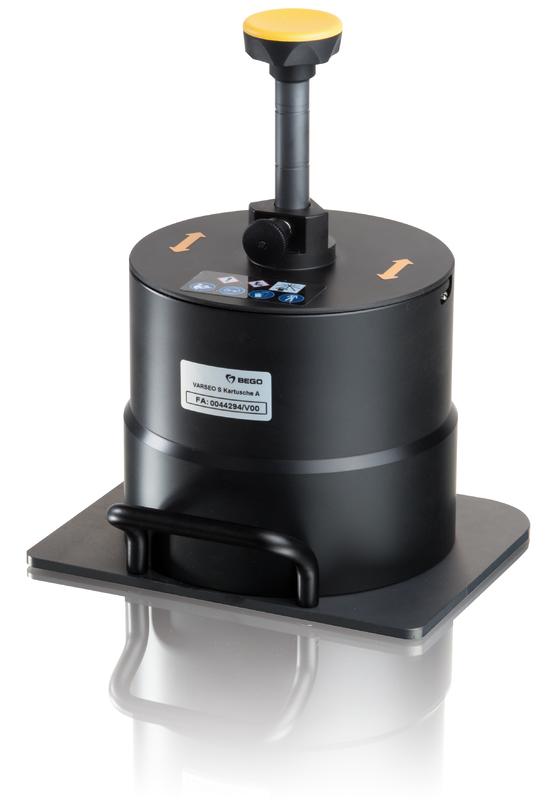


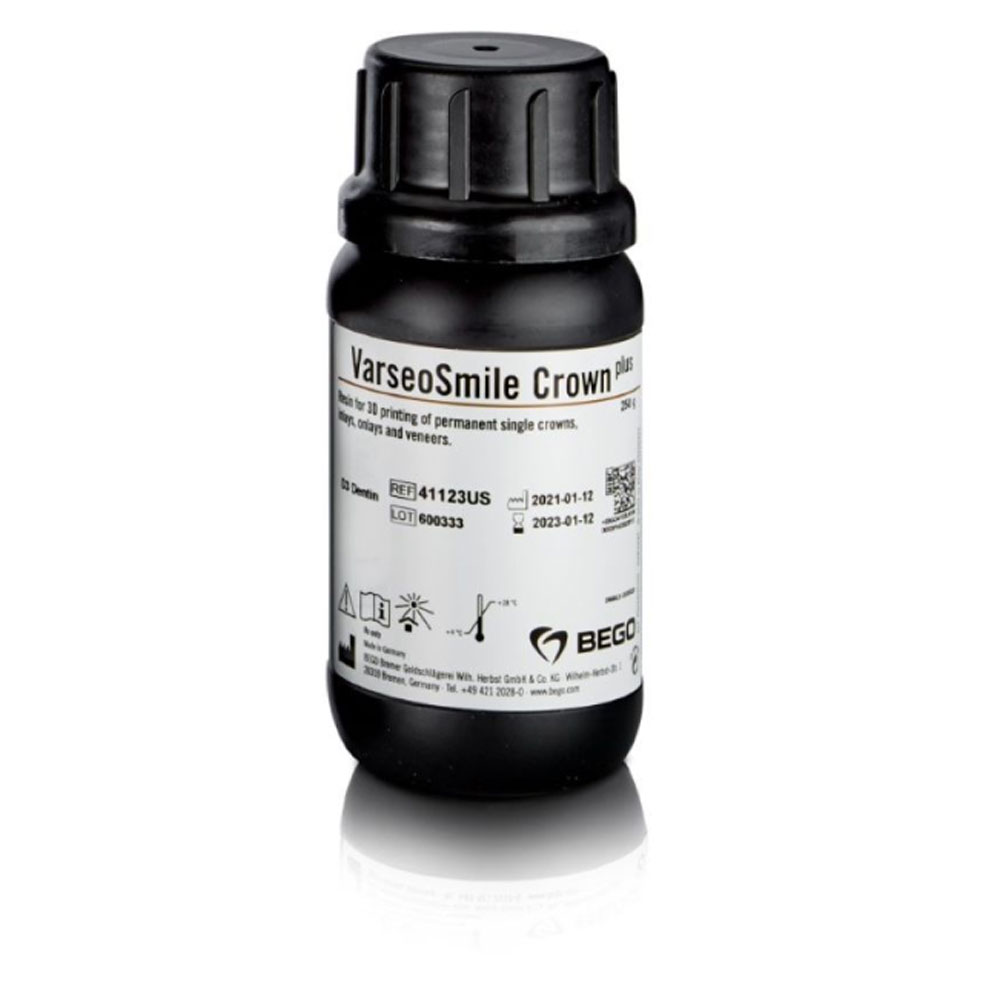


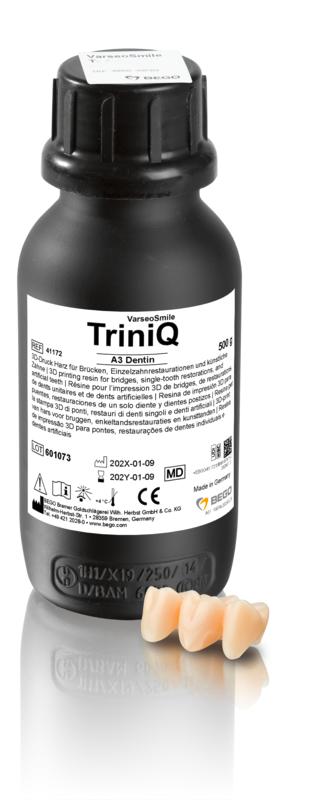

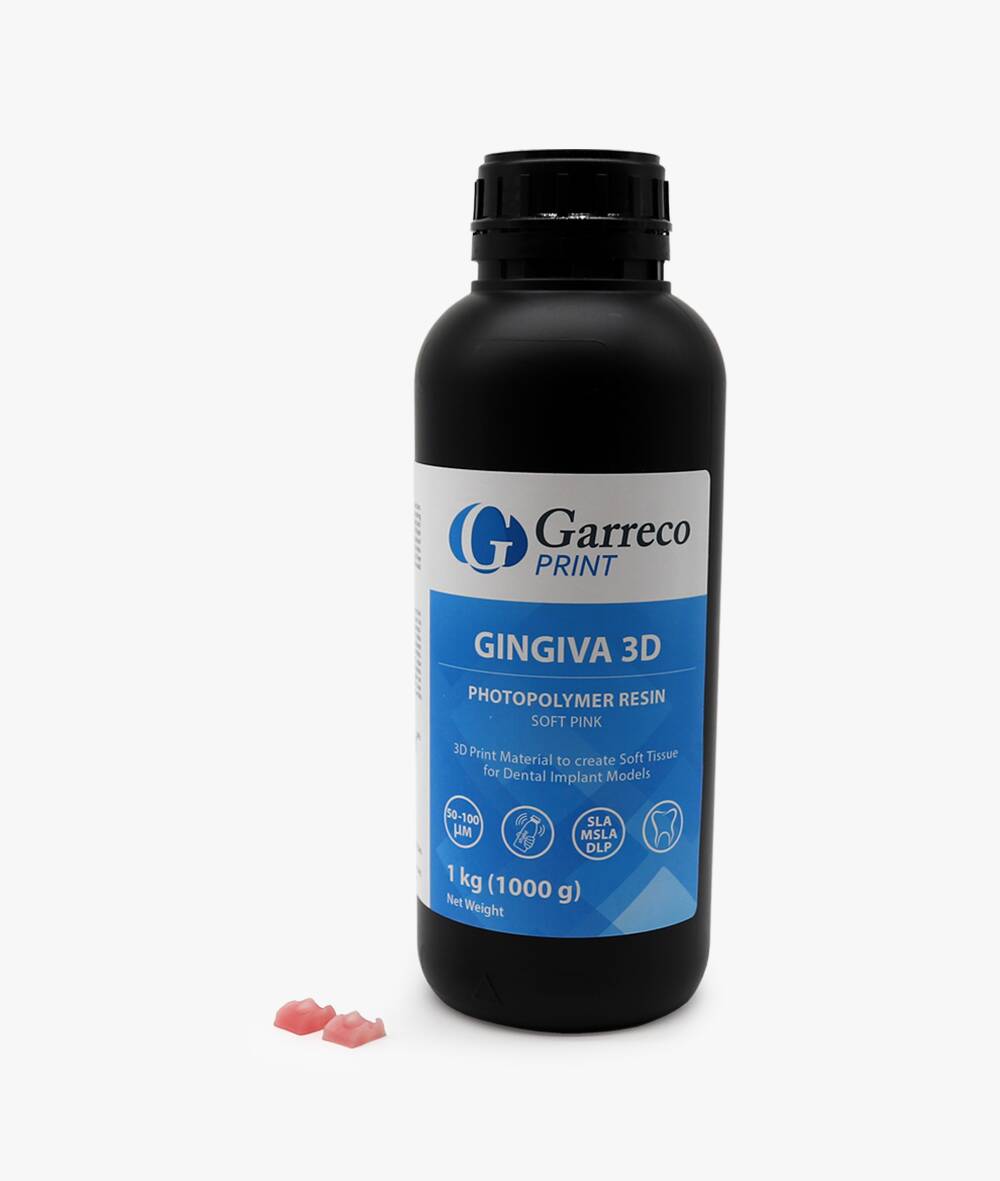
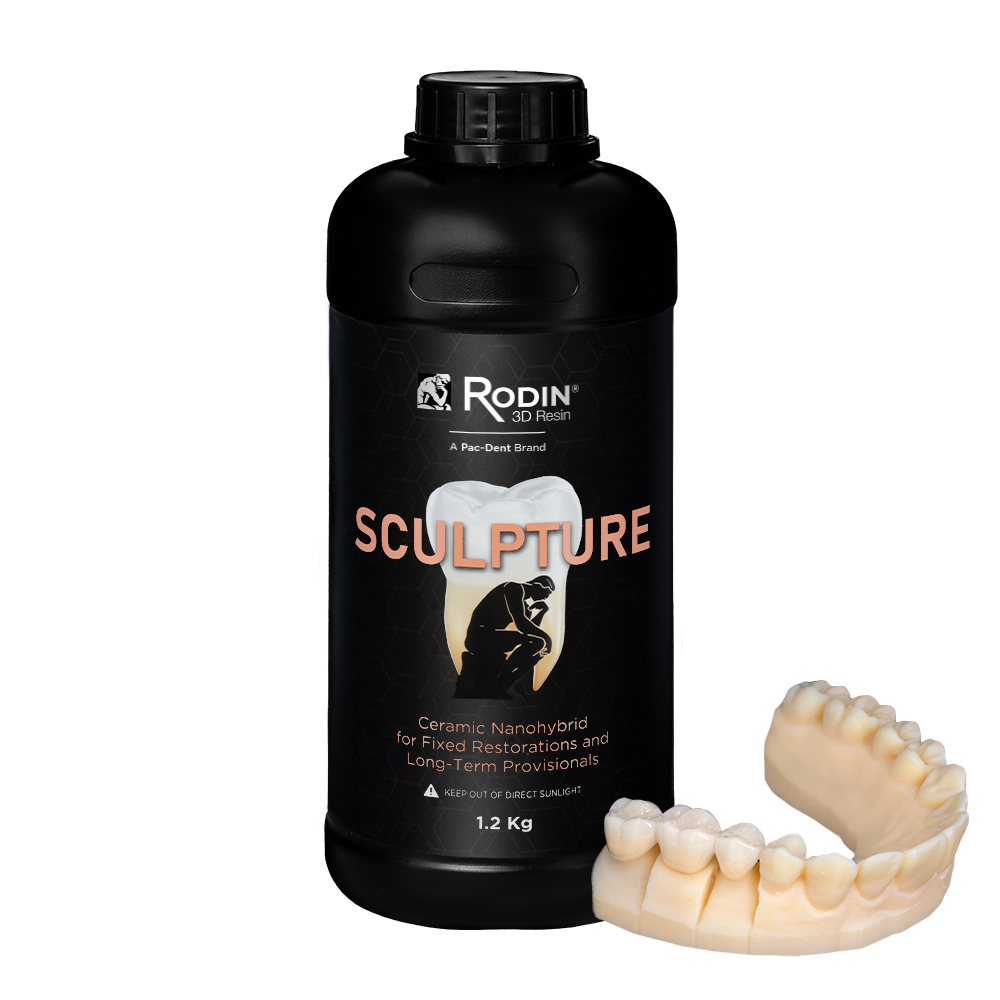


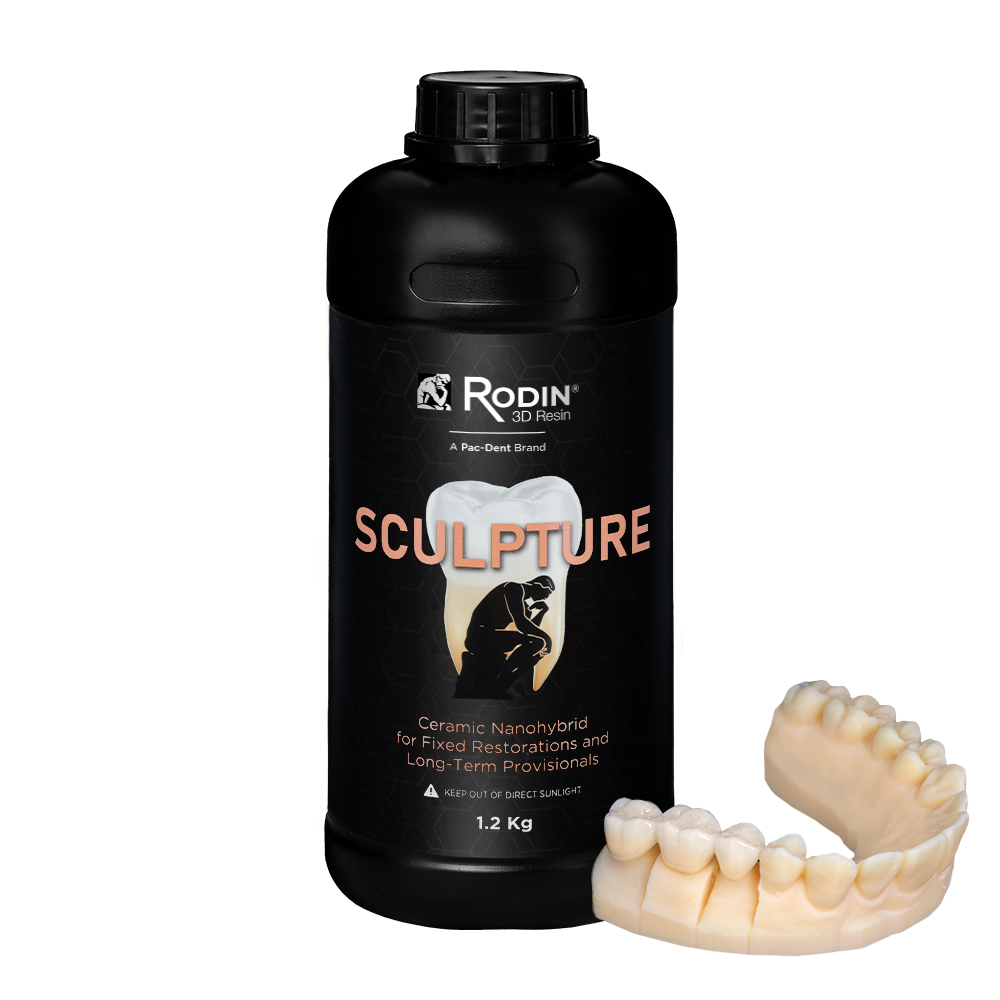
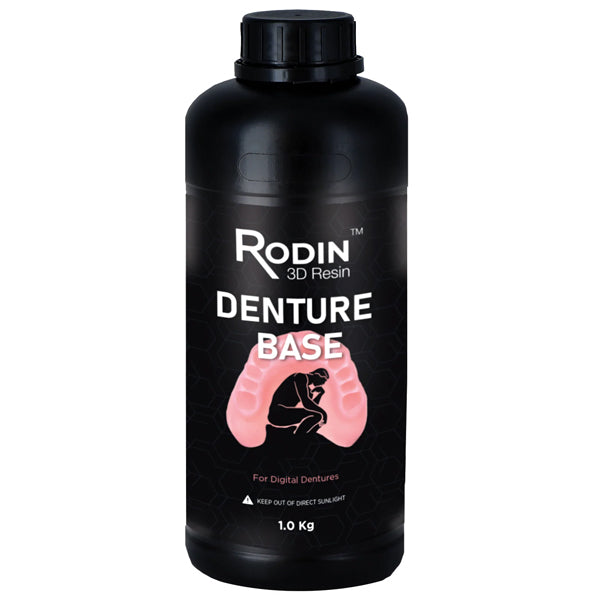

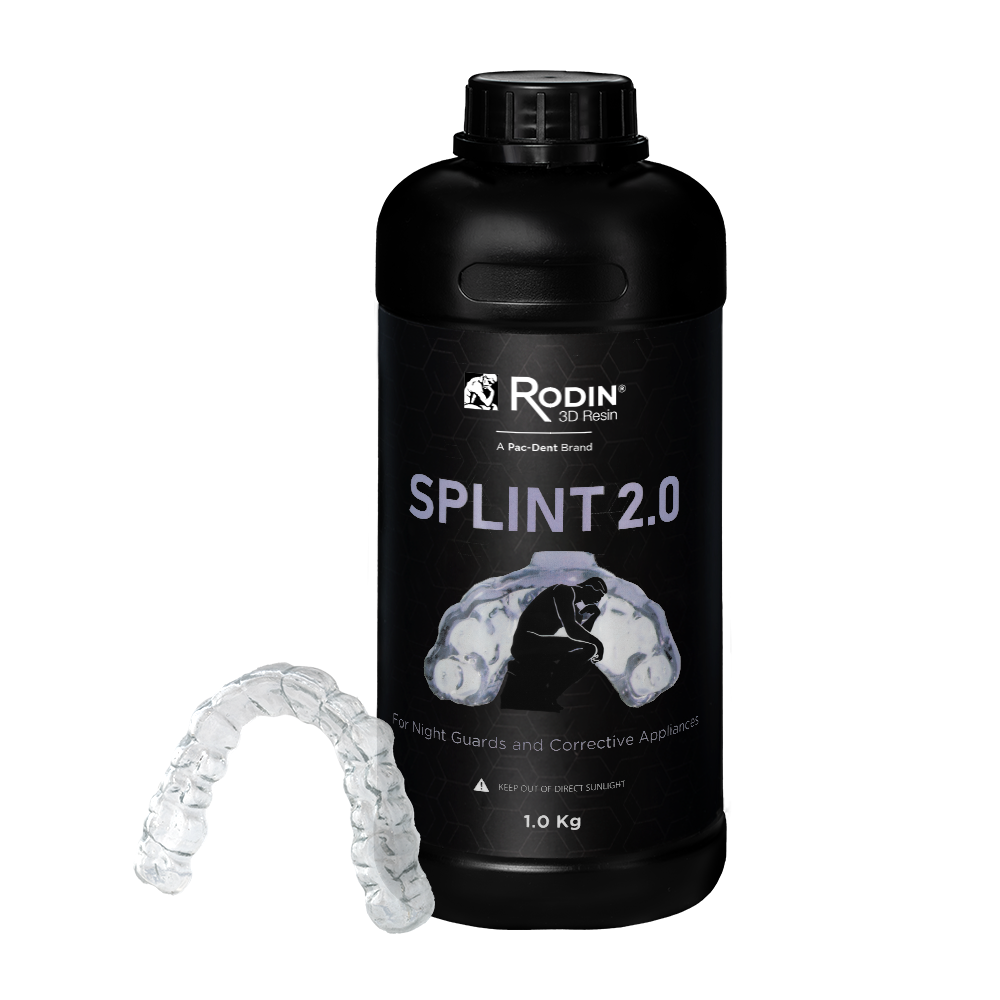


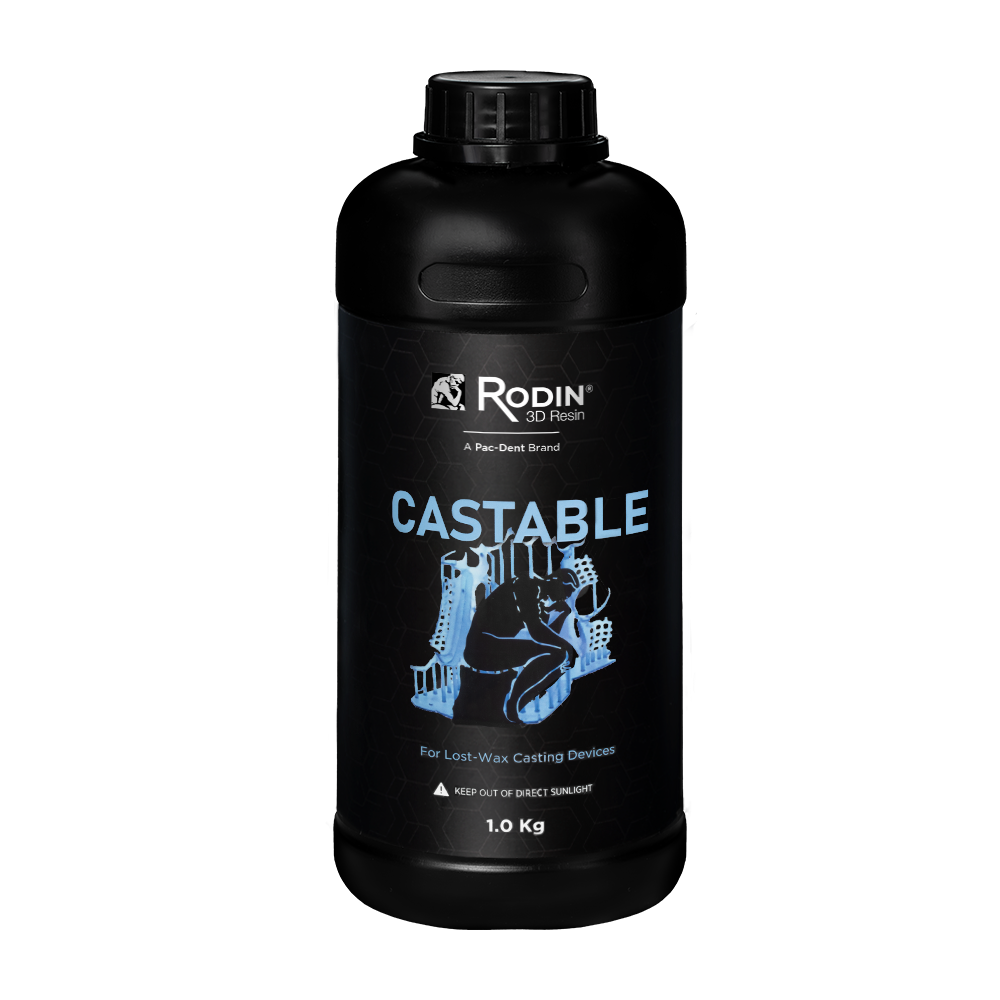


Dental 3d printing resin is bought by indication, not by colour. This shelf carries about 90 listings from Pac-Dent, Bego, Keystone Industries and Garreco Dental across permanent crown and bridge resin, model resin, denture base resin, night guard resin, temporary crown resin, castable resin and surgical guide resin.
Model resin dental work is the highest-volume category in most labs: Keystone's KeyPrint KeyModel Ultra is stocked in ivory and light grey in 1 kg and 4 kg bottles for dies and working models where dimensional accuracy and a matte, readable surface matter more than strength. Splint and night guard resins such as KeySplint Soft and KeySplint Hard cover occlusal appliances, KeyDenture Try-In prints shade-matched try-ins, KeyTray prints custom impression trays and KeyOrtho IBT prints indirect bonding trays.
Surgical guide resin is a separate class again: it is a biocompatible, sterilizable, translucent material so the osteotomy sleeve seats accurately and the surgeon can see the tissue beneath. Whatever the indication, the resin has to match the printer's wavelength and the validated print profile; a resin that is not validated for your machine will print, but the accuracy and the mechanical numbers behind it no longer apply.
How to choose
- Choose by indication first: model, try-in, tray, splint, guide, temporary, permanent crown and bridge, castable and denture base are different chemistries.
- Check the resin is validated for your printer's wavelength and has a published print profile before ordering a large bottle.
- For anything that enters the mouth, confirm the biocompatibility class and sterilization method the manufacturer specifies.
- Size the bottle to your throughput: 0.5 kg and 1 kg for occasional indications, 4 kg for the model resin you print every day.
- Match the post-processing you own. Wash solvent and a cure unit with the right wavelength and time are part of the material's performance, not an optional extra.
- Pick the shade or colour last, and keep it consistent so operators can tell resins apart on the shelf.
Frequently asked questions
Which 3D printing resin should I use for models?
A dedicated model resin, chosen for dimensional accuracy and a matte, low-glare surface that reads well under a scanner and a loupe. Model resins are supplied in neutral tones such as ivory and light grey and in large bottles because models are the highest-volume thing most labs print.
What makes surgical guide resin different?
It is a biocompatible, sterilizable material with enough translucency to see tissue and sleeve position, and enough rigidity to keep the drill path accurate under load. It must be printed on a validated profile and post-processed exactly as specified, because guide accuracy depends on the full workflow, not just the resin.
Can I use any resin in my printer?
Only resins matched to your printer's light source wavelength and with a validated exposure profile. Off-profile printing changes the degree of conversion, which changes accuracy, strength and residual monomer. Check the manufacturer's supported printer list before buying, especially for intraoral indications.
How should printing resins be stored?
In their opaque bottles, tightly closed, at room temperature and away from daylight and UV. Shake or roll the bottle thoroughly before pouring, since fillers and pigments settle. Filter and return unused resin from the vat rather than leaving it in the machine for long periods.
How do resins ship?
In the manufacturer's light-blocking bottles, in 0.5 kg, 1 kg and 4 kg sizes depending on the line. In-stock resin ordered by 3 PM ET ships the same day from Northern Virginia, and heavier 4 kg bottles are packed to keep the closure from loosening in transit.