
Diamond Rotary Instruments
481 products
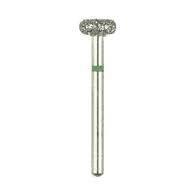


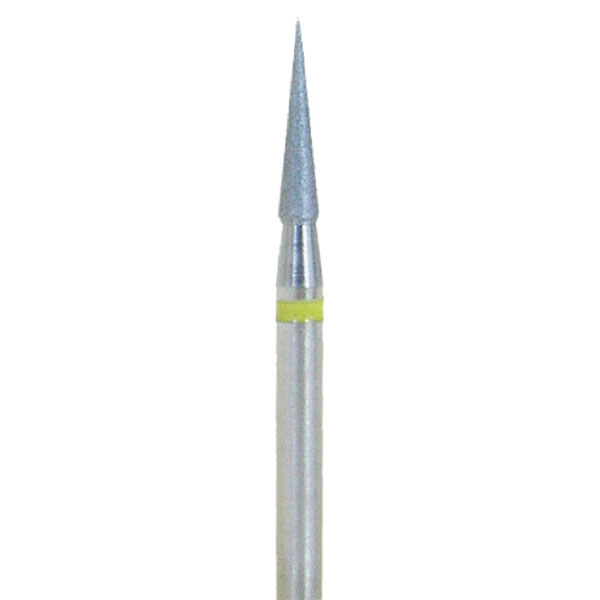


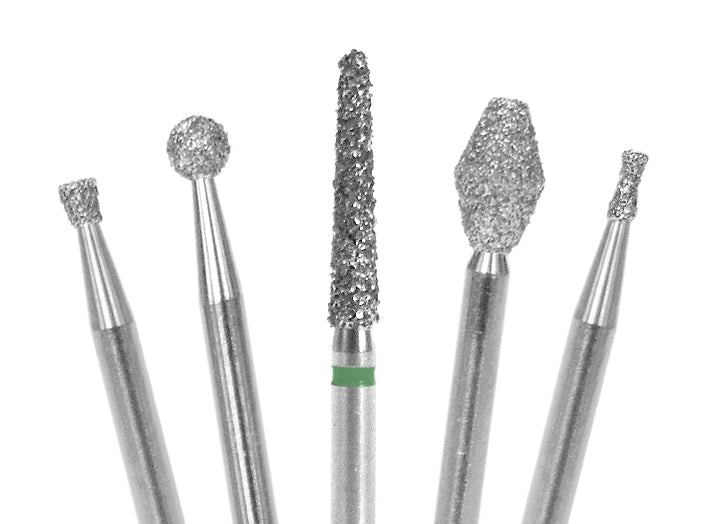


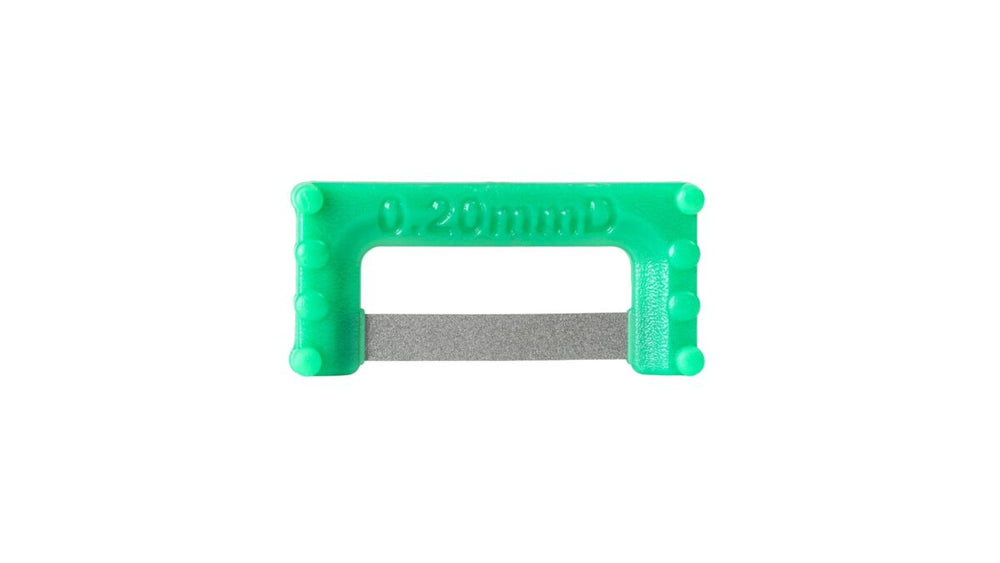

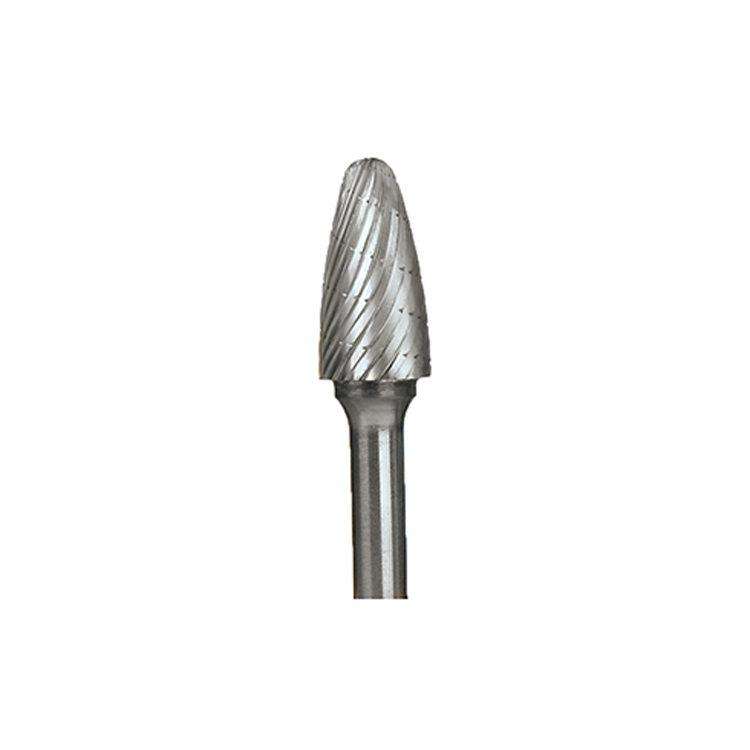


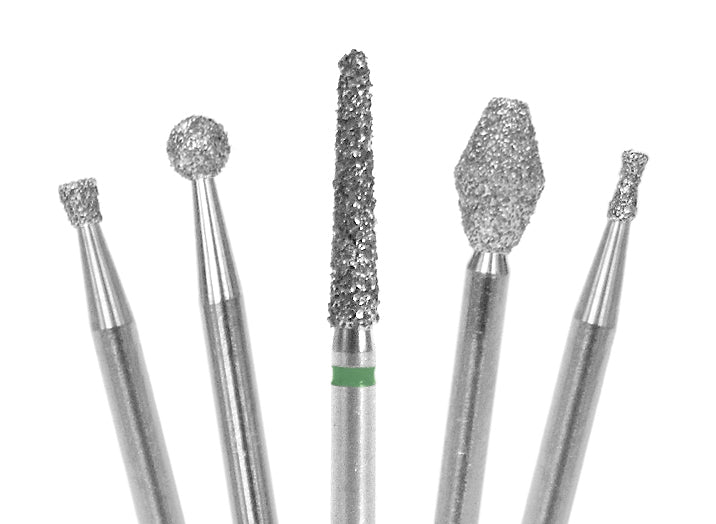
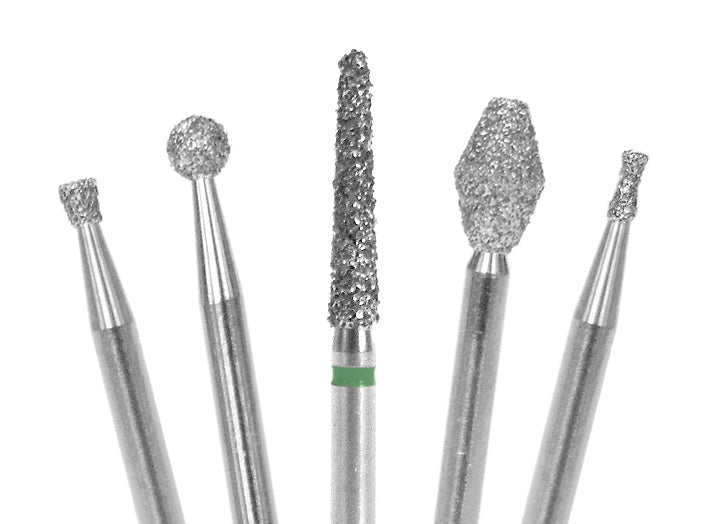


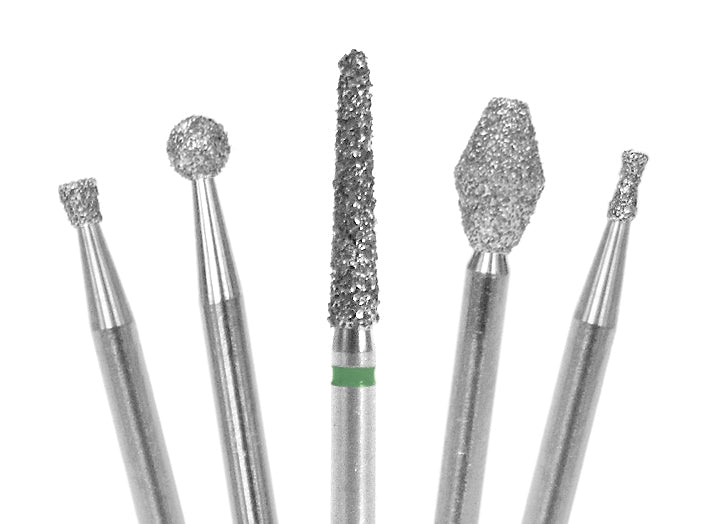
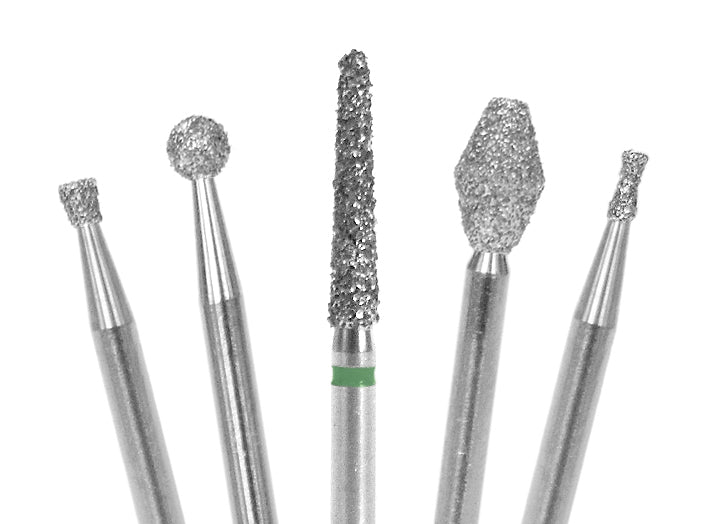


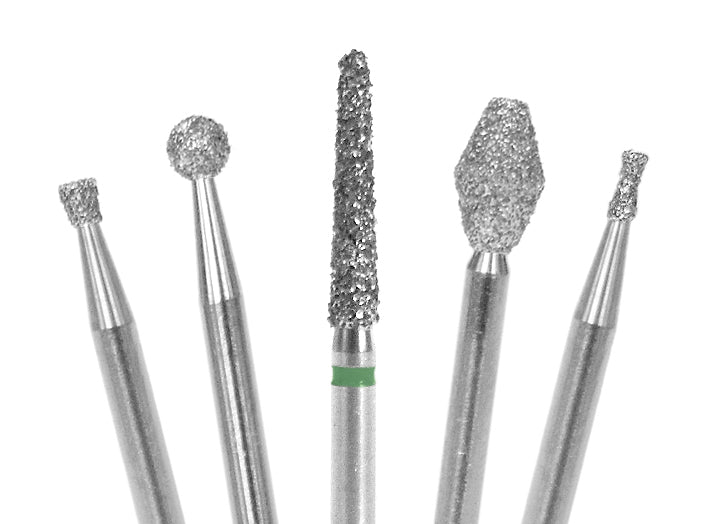

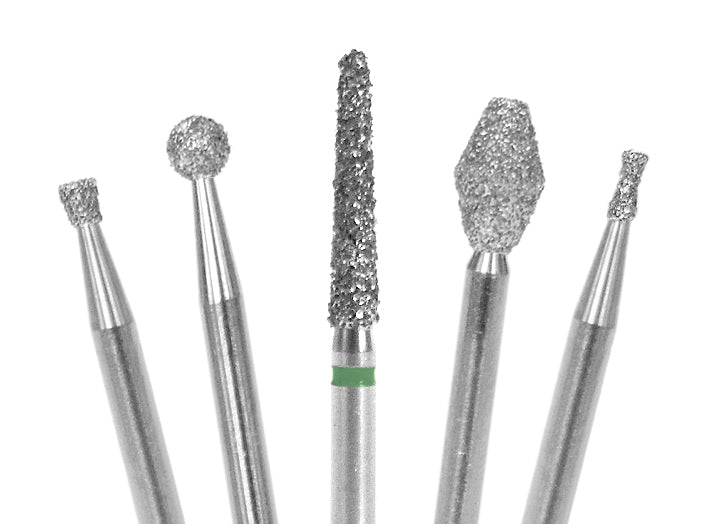
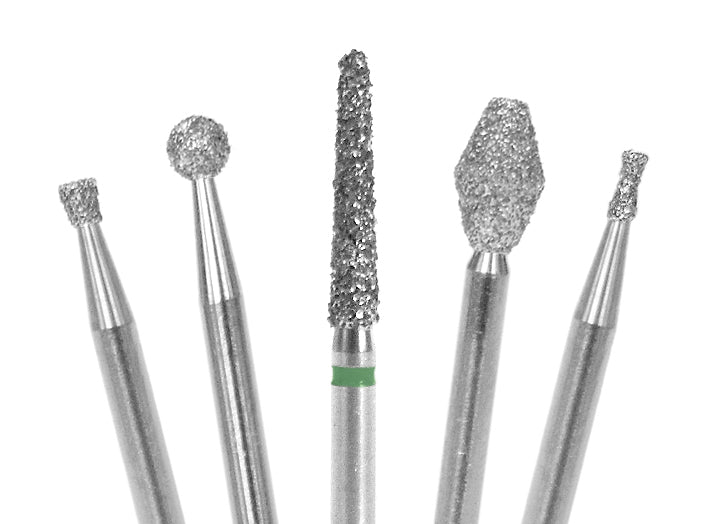


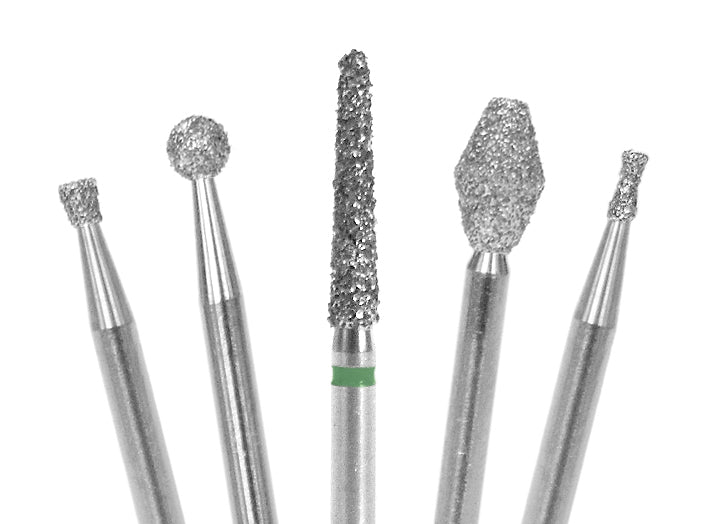


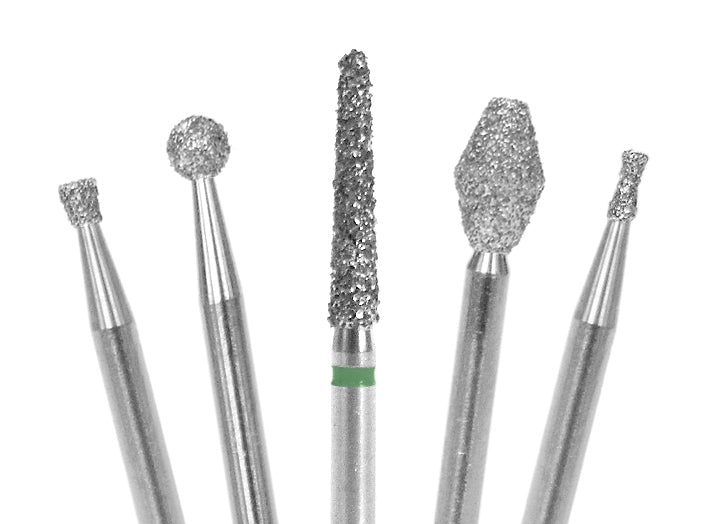

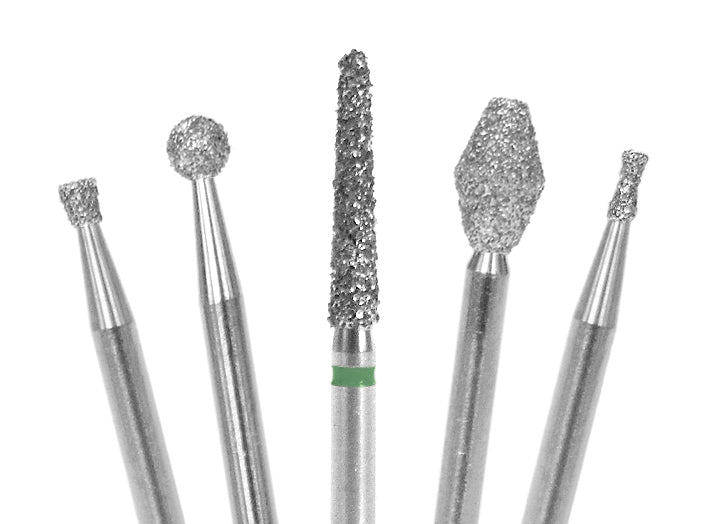
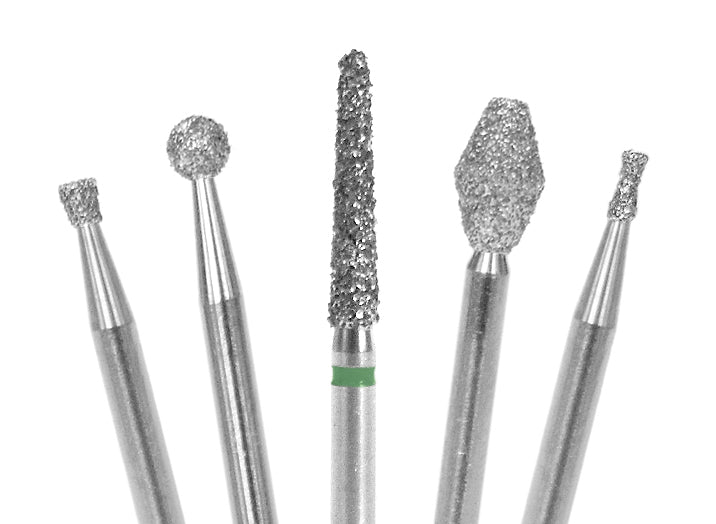


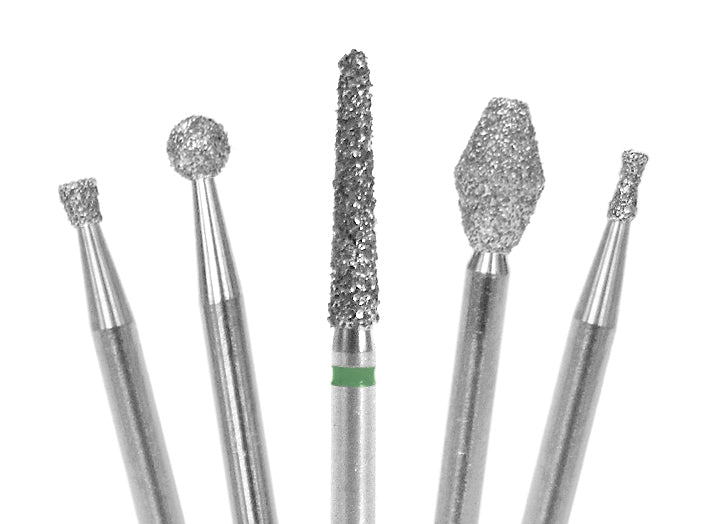
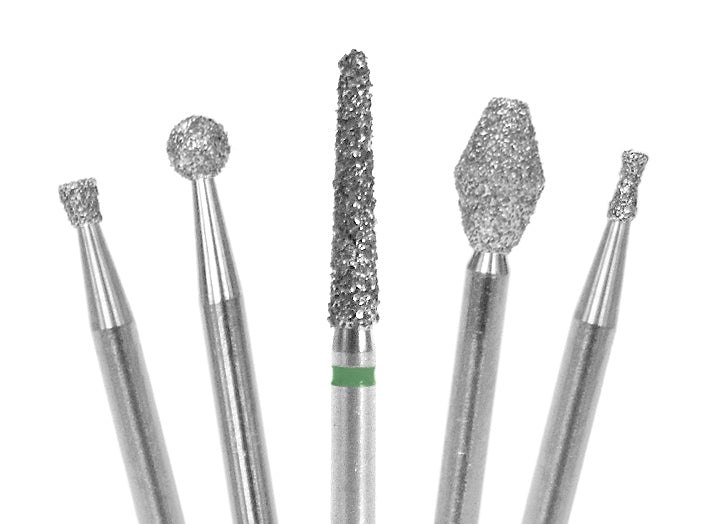


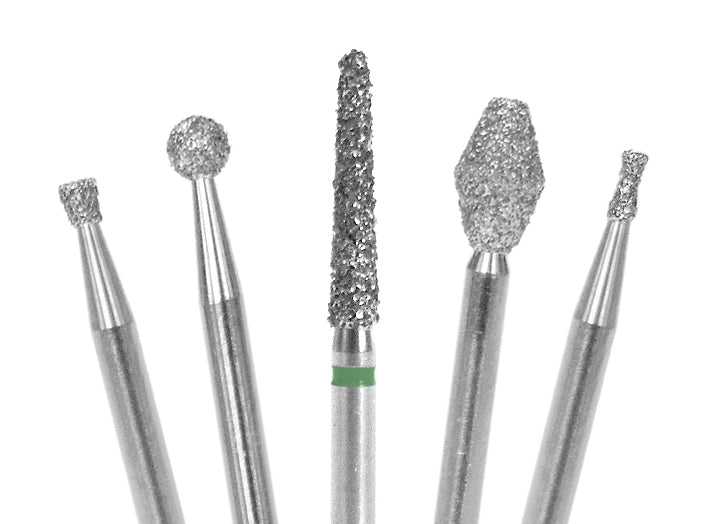

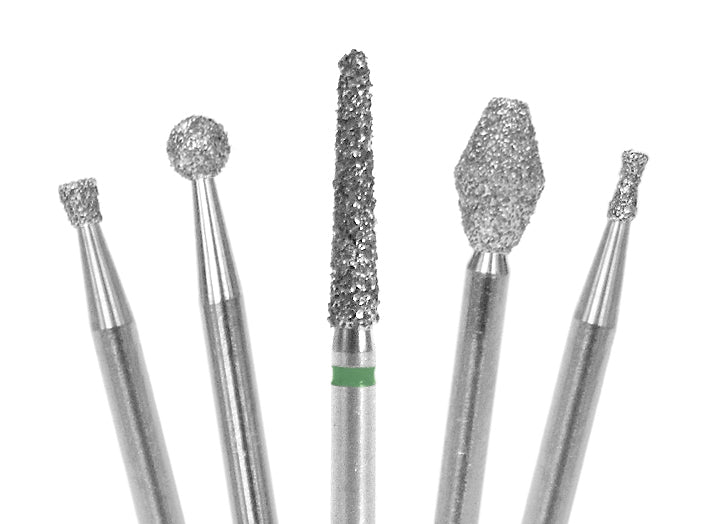
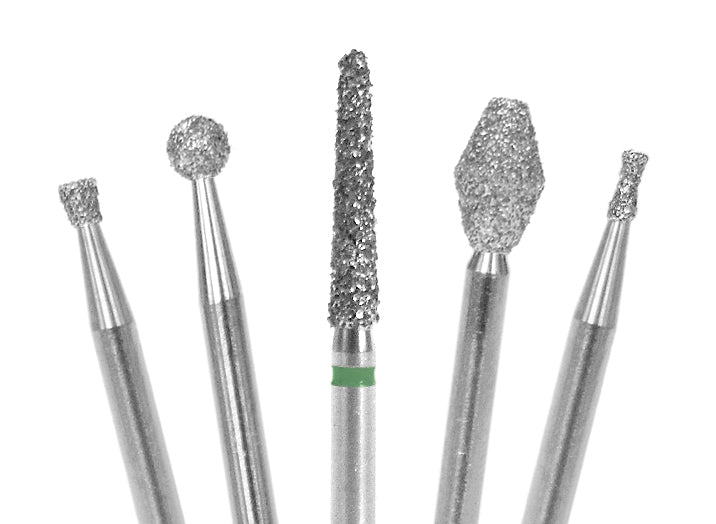


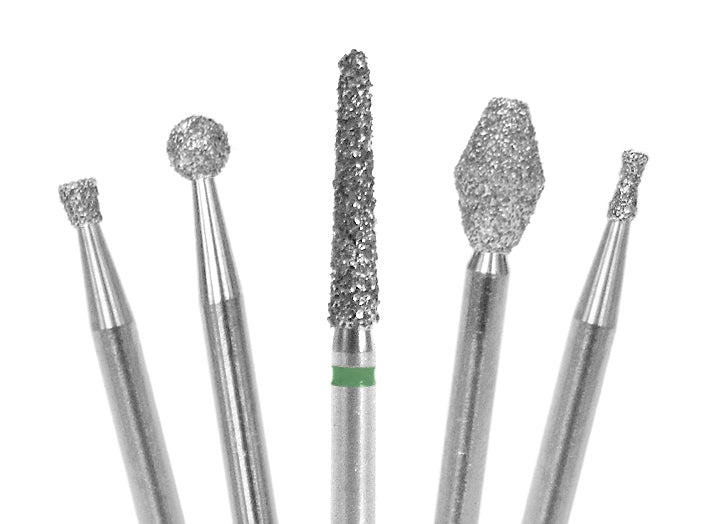


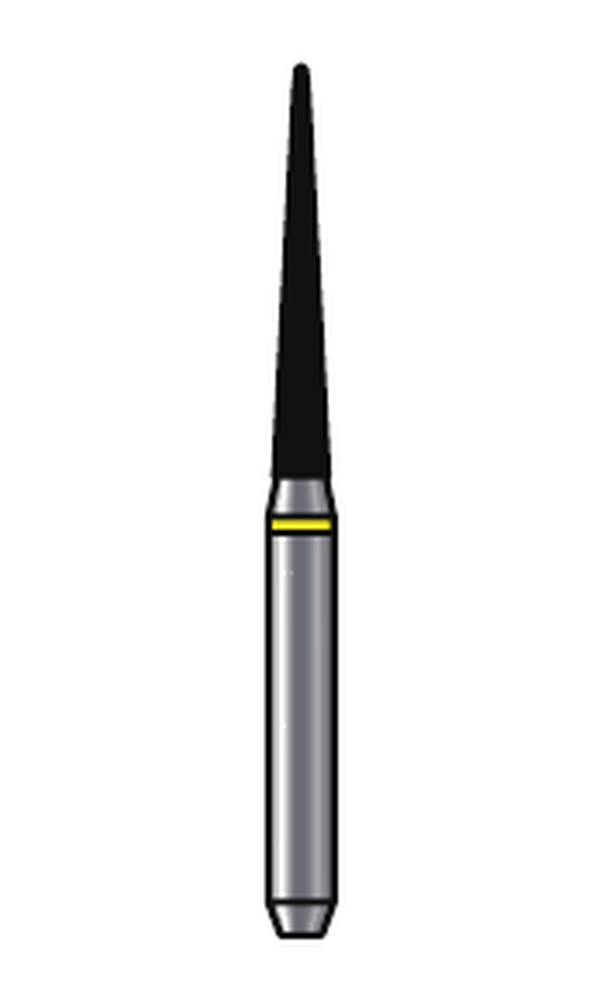


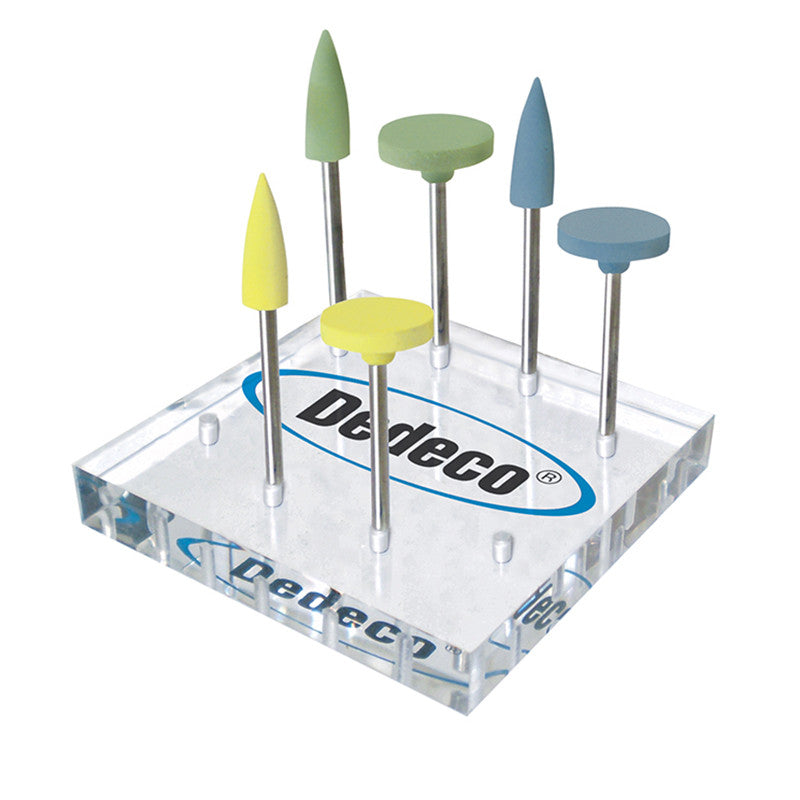
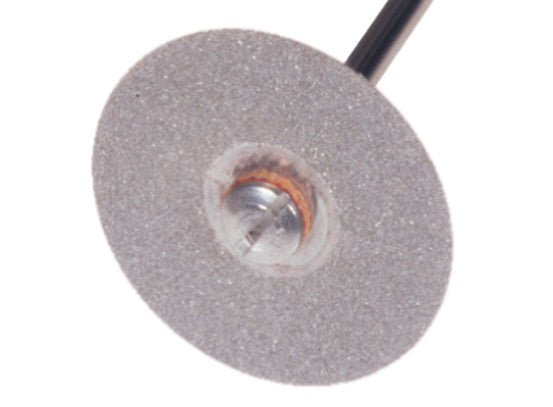
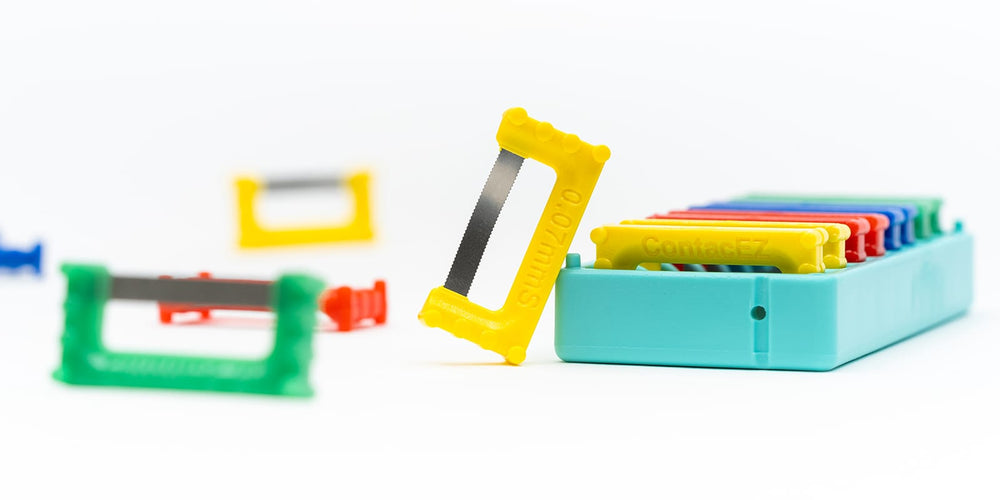
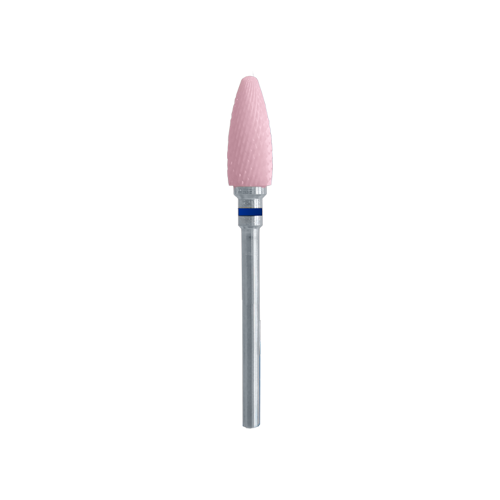


Diamond burs, discs, wheels and interproximal strips for preparation, reduction and finishing on enamel, porcelain, zirconia and composite. A diamond instrument abrades rather than cuts, so grit size, not blade count, sets its behaviour. Coarse and super-coarse diamonds take bulk off fast and leave a rough surface, medium grit is the general preparation workhorse, fine grit diamond burs refine the preparation and the restoration, and extra-fine grits run just before rubber points and polishing paste. Working down the grits in order is what keeps a margin crisp.
Shape and shank decide the rest. Round, flame, taper, torpedo, pear, acorn and rounded-edge taper heads each produce a different form, short shank versions help in the posterior, and FG friction grip covers intraoral high-speed work while HP and mandrel-mounted diamond discs and wheels serve the laboratory. Diamond discs section metal and ceramic, and interproximal strips finish contacts by hand where a rotary instrument cannot reach safely.
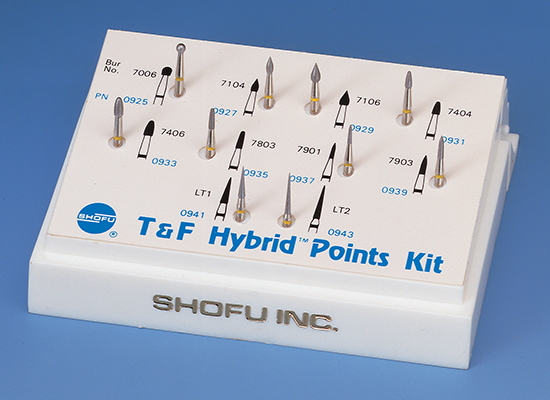
The shelf includes the Pro-Cut Diamonds shapes, from rounded edge taper and torpedo to flame, bud, pear, acorn, grenade and minimally invasive forms, alongside Dedeco laboratory diamonds, Shofu Dental Corp instruments, Beyes Dental, Directa, Garreco Dental, Buffalo Dental, Keystone Industries and RMH3 Dental Supply.
How to choose
- Grit: coarse for bulk reduction, medium for routine preparation, fine grit diamond burs and extra-fine for finishing and margin refinement.
- Shape: taper and torpedo for axial walls, flame for margins and embrasures, wheel and football forms for occlusal and lingual reduction, round for access.
- Shank: FG for the high-speed handpiece intraorally, HP and mandrel-mounted discs and wheels for laboratory trimming and separating.
- Access: short shank heads for posterior teeth and limited opening, standard lengths for everything else.
- Format: singles for shapes you replace often, multi-packs for daily shapes, or a diamond bur kit when you want a full grit and shape sequence in one block.
- Substrate: diamonds are the right choice on enamel, porcelain and zirconia, while carbides usually finish metal and composite more cleanly.
Frequently asked questions
What grit diamond bur should I use for crown preparation?
Use a coarse or medium grit to establish reduction and the axial walls, then repeat the same shape in a fine grit to refine the surface and the margin. Finishing with a fine grit diamond bur gives the impression material or scanner a cleaner margin to record.
How long does a diamond bur last?
Diamond instruments lose bonded particles with every use and go dull gradually, so they are retired on performance rather than a fixed cycle count. If a bur needs more pressure than it did when new, replace it; pushing a worn diamond generates heat and rounds the preparation form.
What is in a diamond bur kit?
A kit gathers the shapes and grits for one procedure sequence, typically a reduction diamond, an axial wall taper, a margin instrument and a fine grit finisher, held in a sterilizable block. Kits suit a practice standardising a preparation protocol across operatories.
Diamond discs or abrasive separating discs for the lab?
Diamond discs section ceramic, zirconia and hard metal cleanly and hold their edge. Abrasive separating discs cost less and remain the usual choice for routine metal cutting. Both mount on a mandrel, should be run at the speed the maker specifies, and require eye protection.
When will my order arrive?
Orders leave our Northern Virginia warehouse, and in-stock diamonds ordered by 3 PM ET ship the same day. Most East Coast practices see ground delivery in one to two business days, so a small buffer of your two most-used shapes is usually enough.