
Chemicals & Solutions
167 products

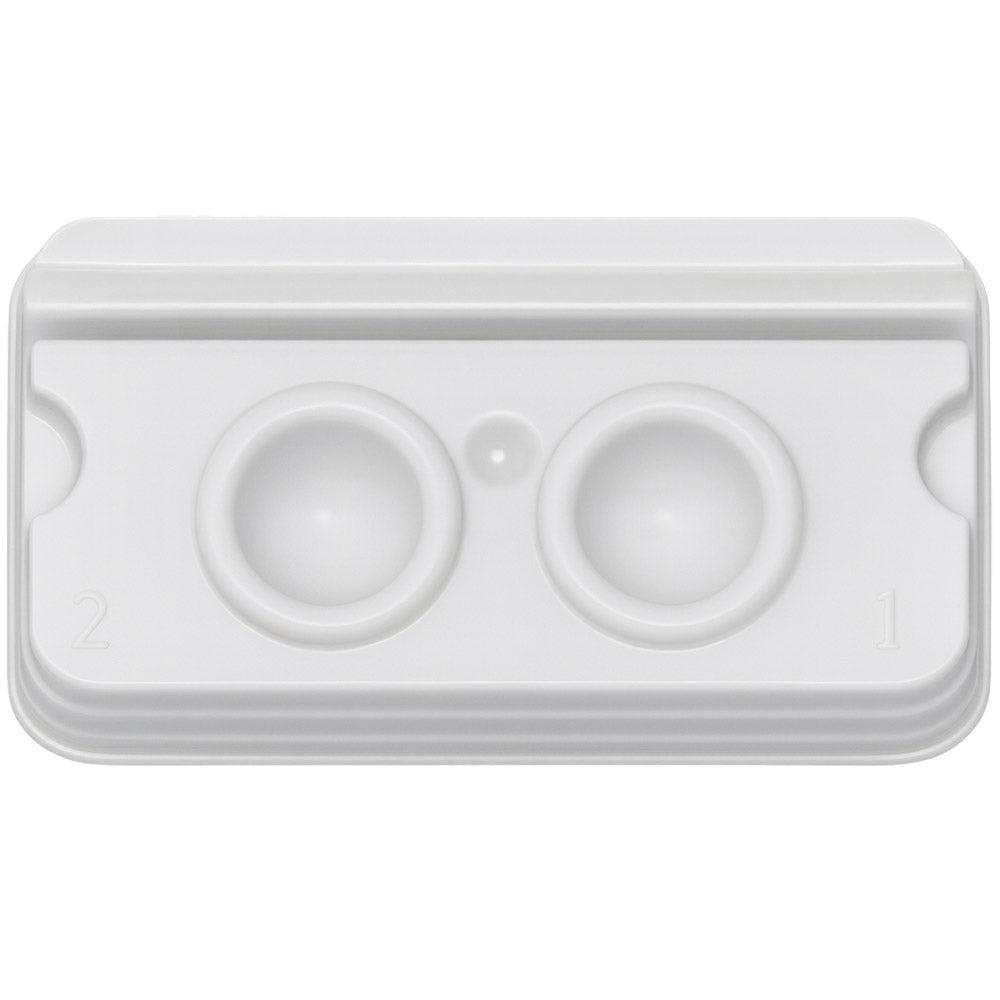
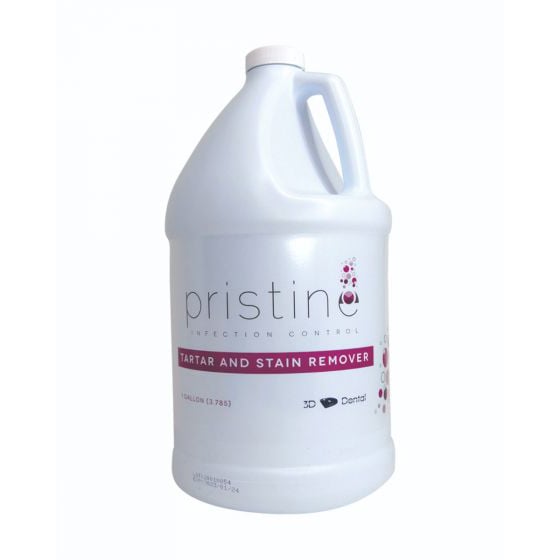




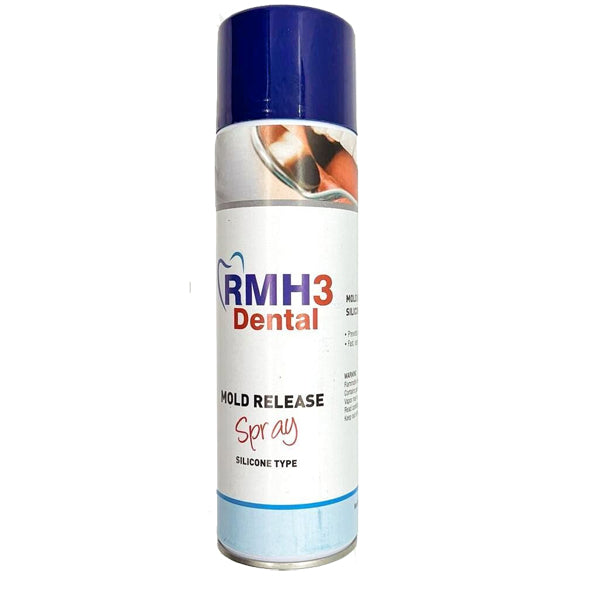
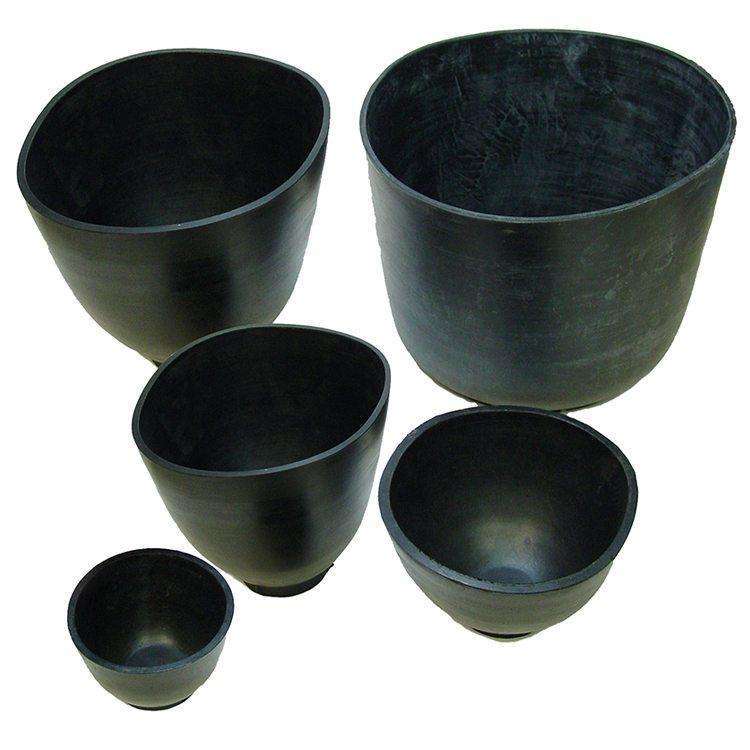


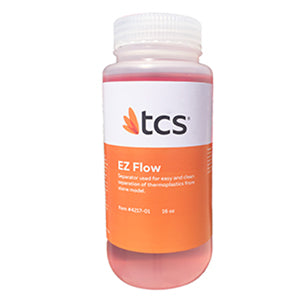







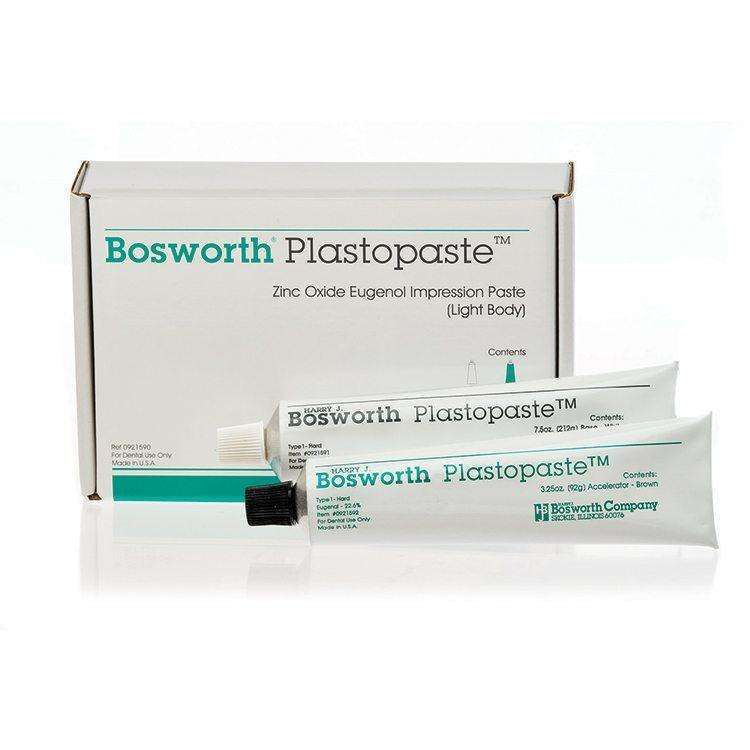
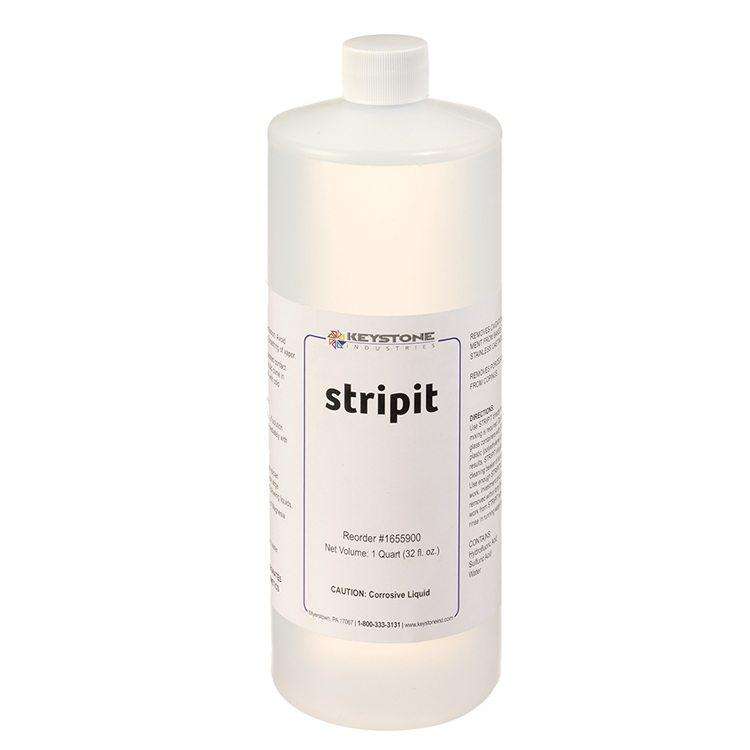

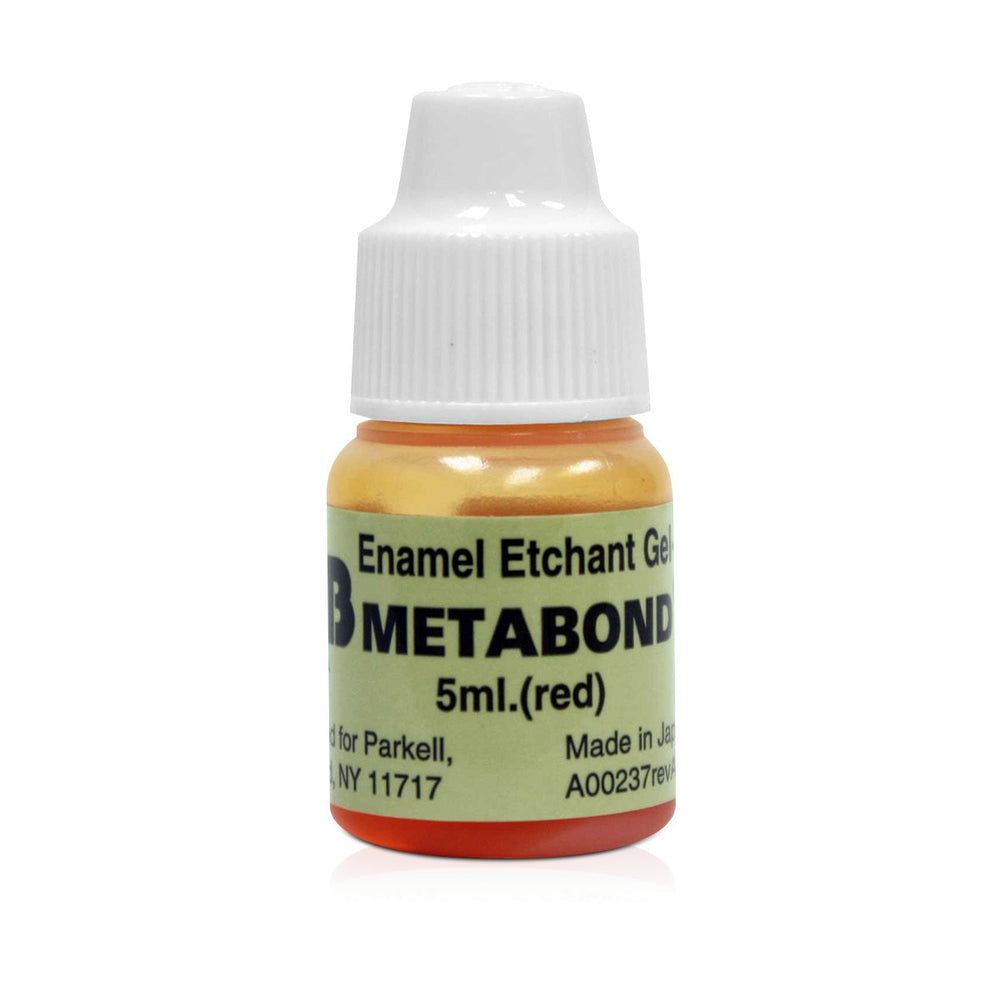
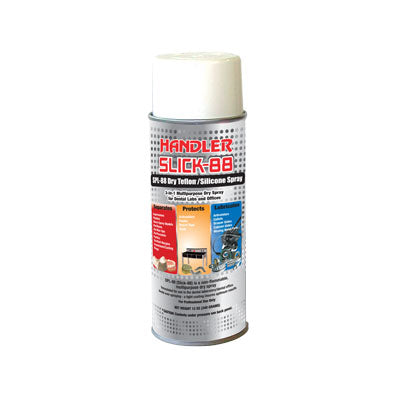





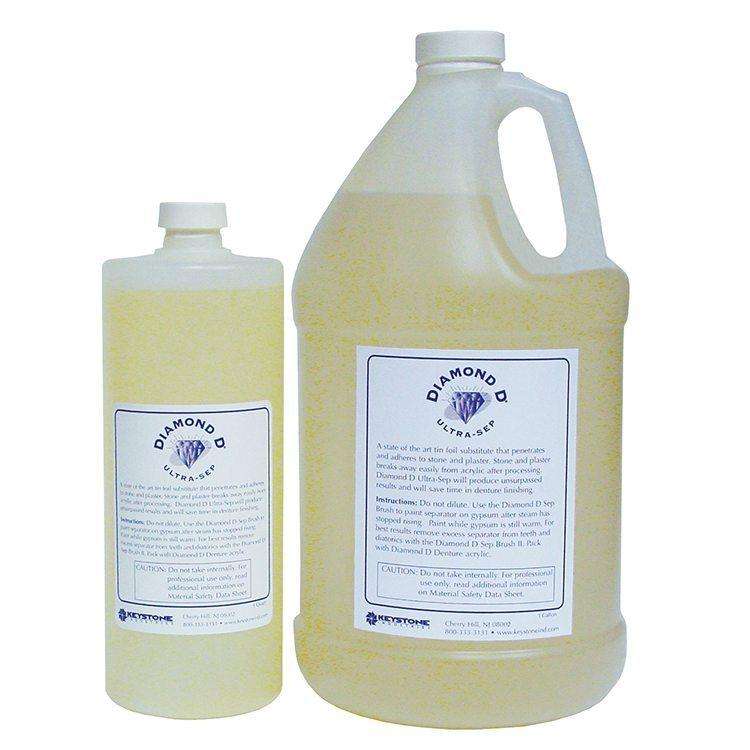


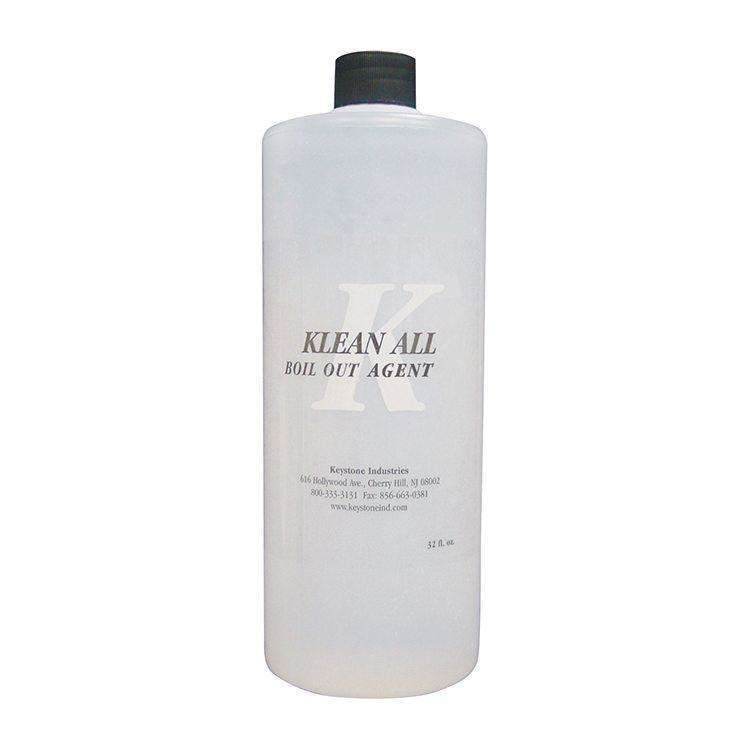

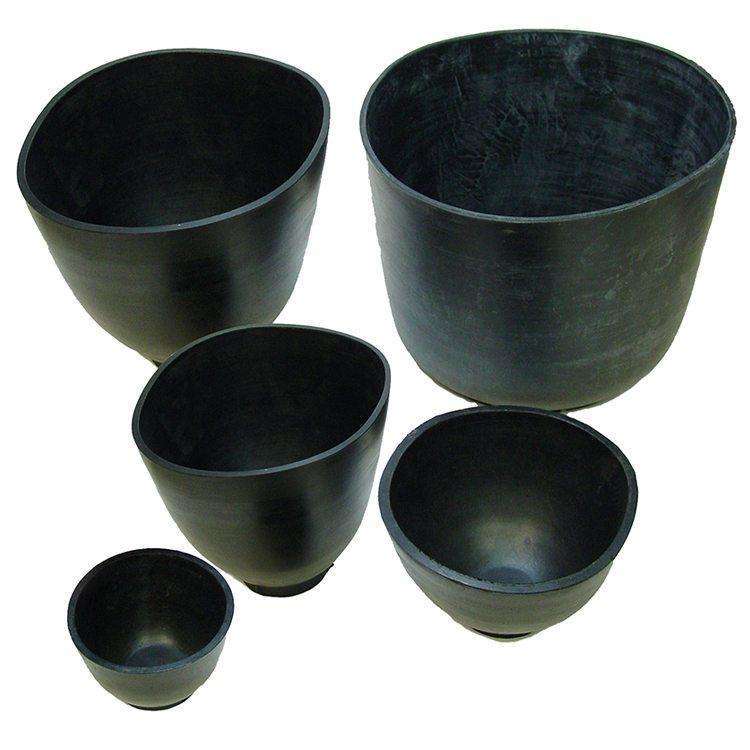



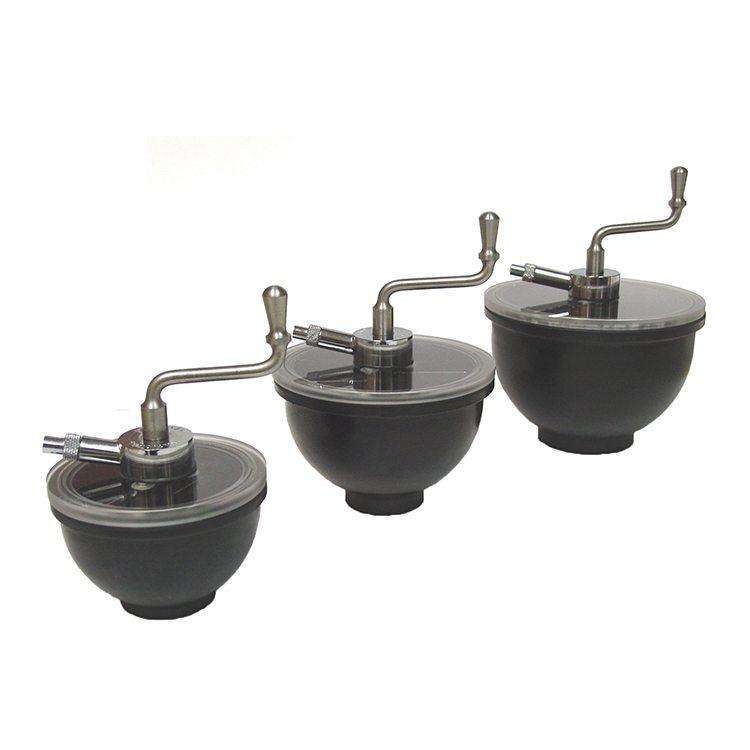
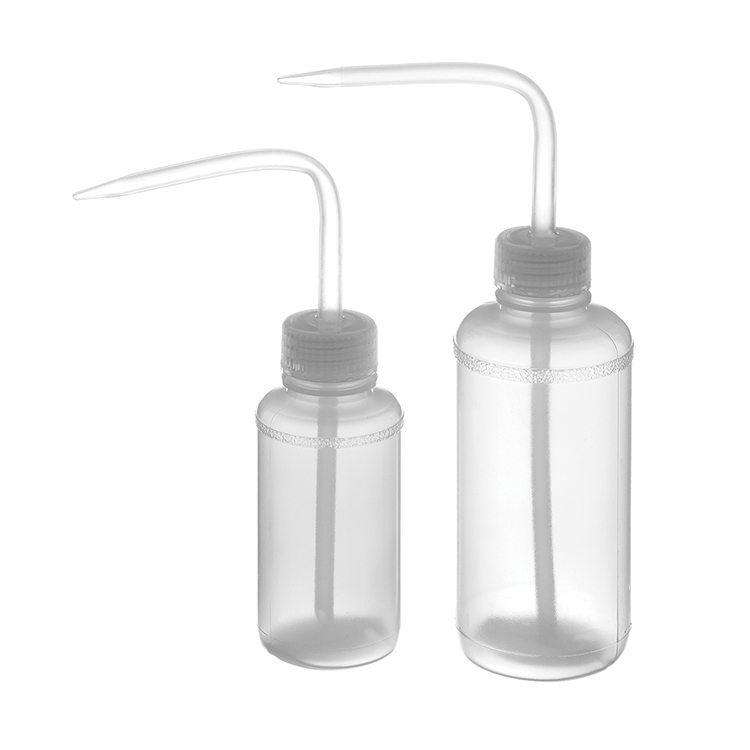
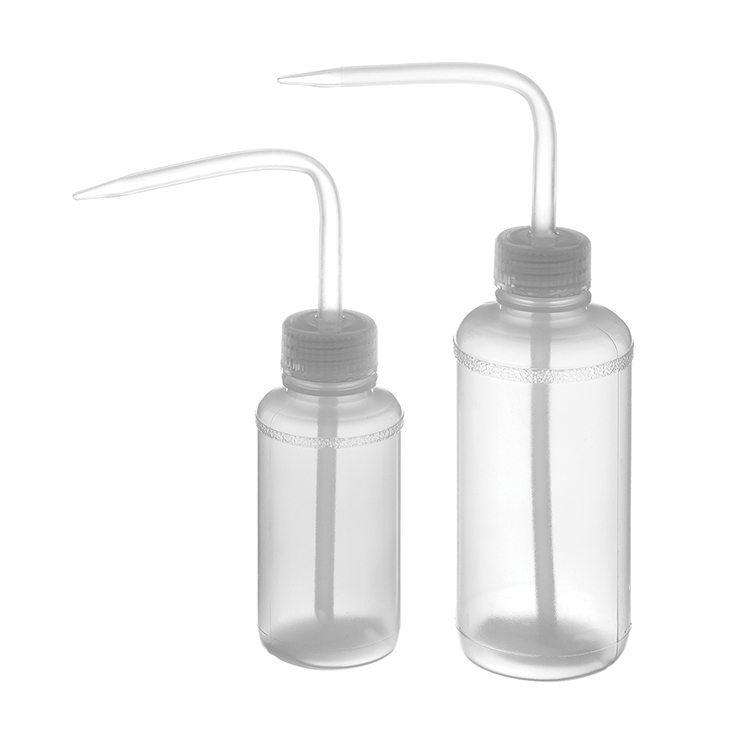
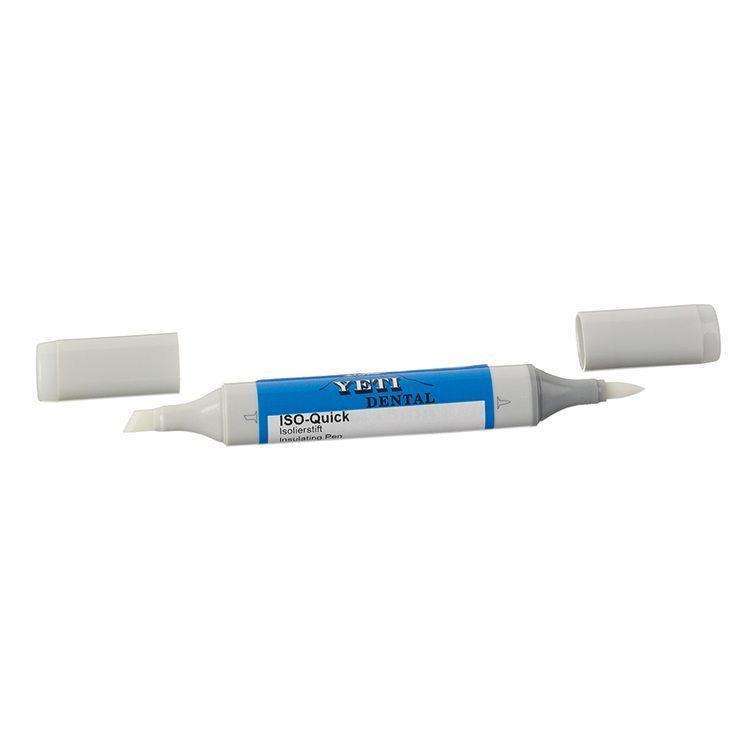
Dental lab chemicals are the liquids between every other step: the separator that lets a cast release, the debubblizer that gives a bubble-free pour, the accelerator that shortens a set, the etchant that prepares a surface and the cleaner that gets gypsum out of a bowl. This department holds about 170 listings from Keystone Industries, Garreco Dental, Whip Mix, Zest Dental Solutions, Renfert, Dentonics, Pulpdent and Parkell.
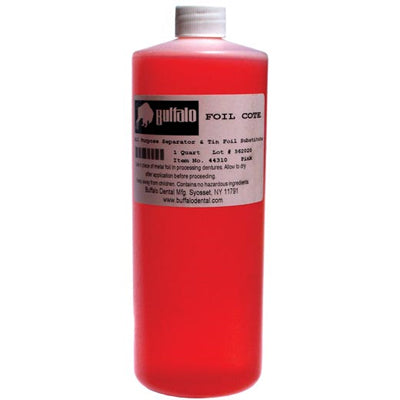
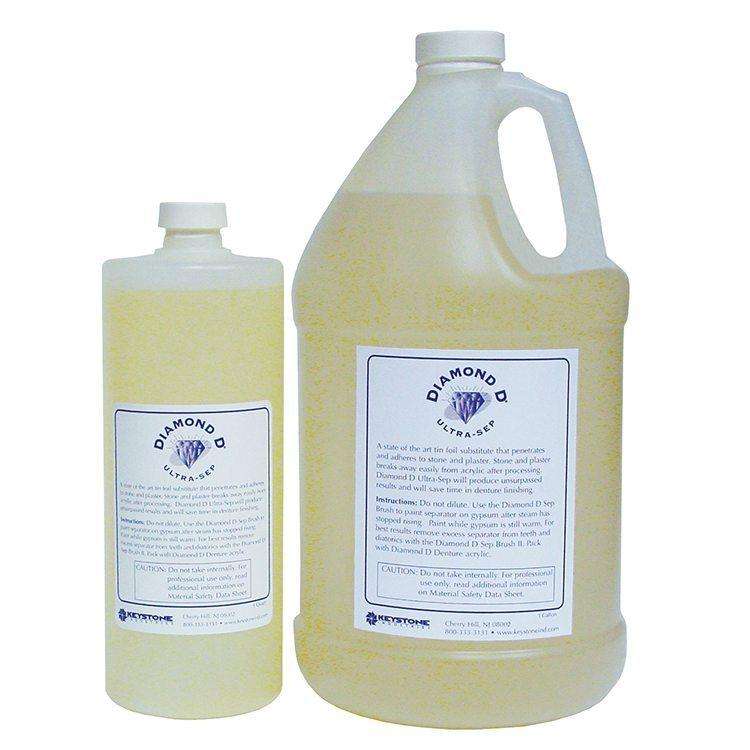
Separating agents split by what they separate. An alginate-to-stone separator, a stone-to-stone separator and a tinfoil substitute for acrylic against plaster are different chemistries, and the wrong separating agent either fails to release or contaminates the surface. Foil-substitute liquids, silicone lubricants and separating films cover the acrylic side; model separators and mould releases cover gypsum and thermoplastics.
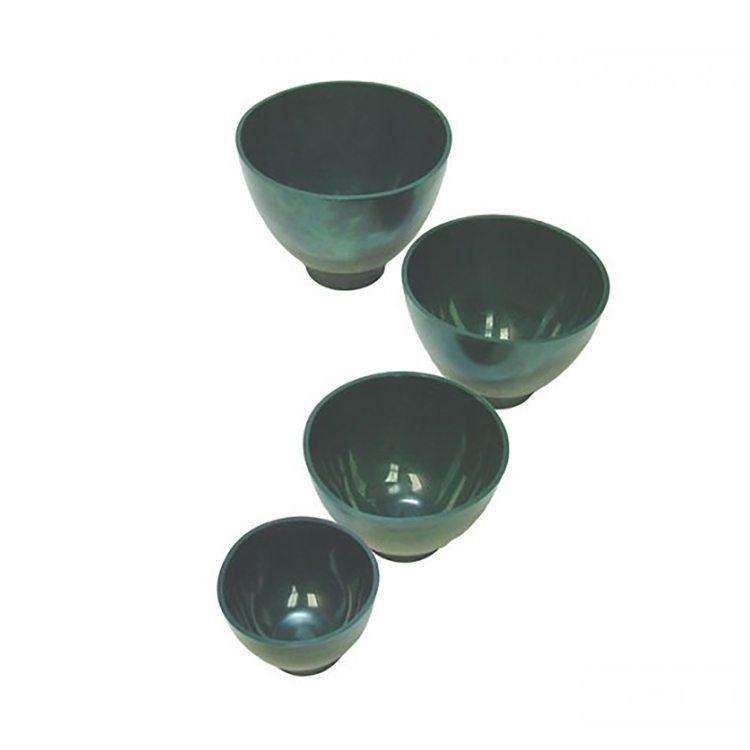
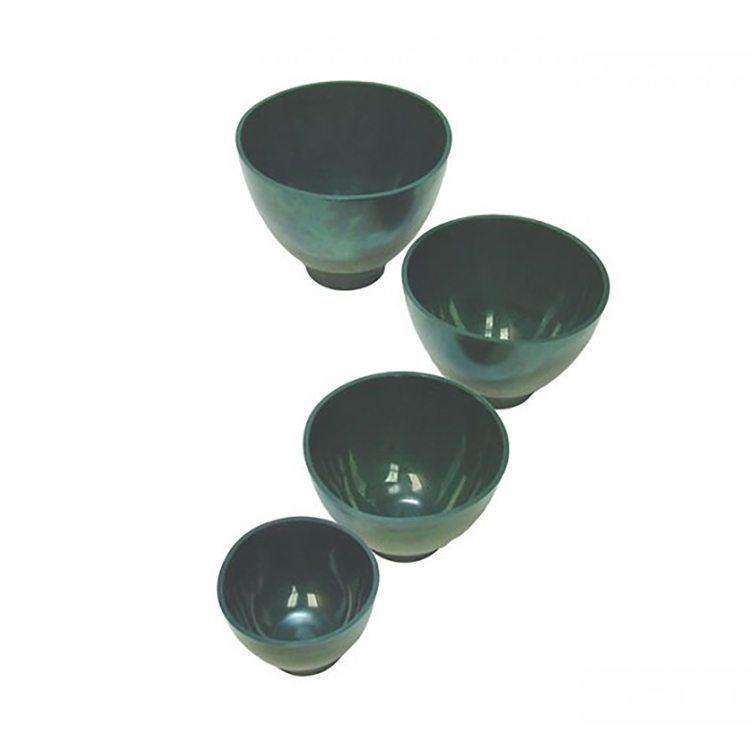
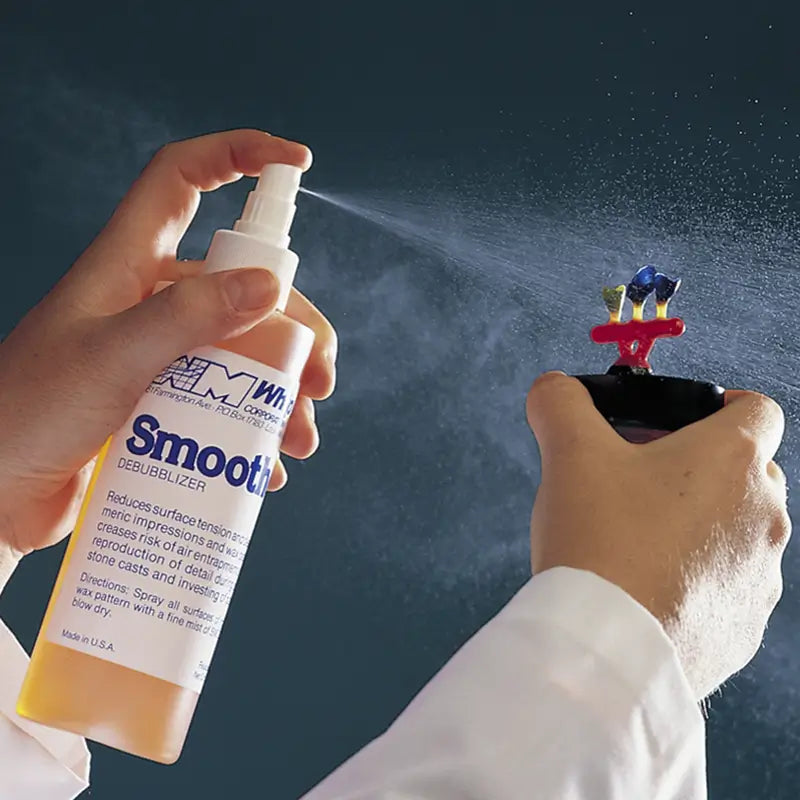
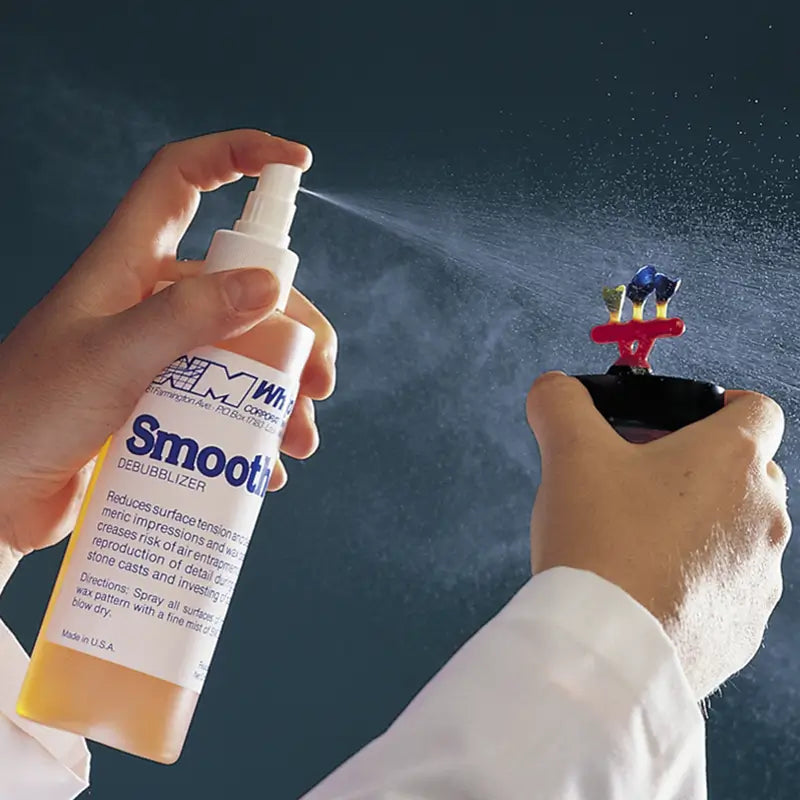
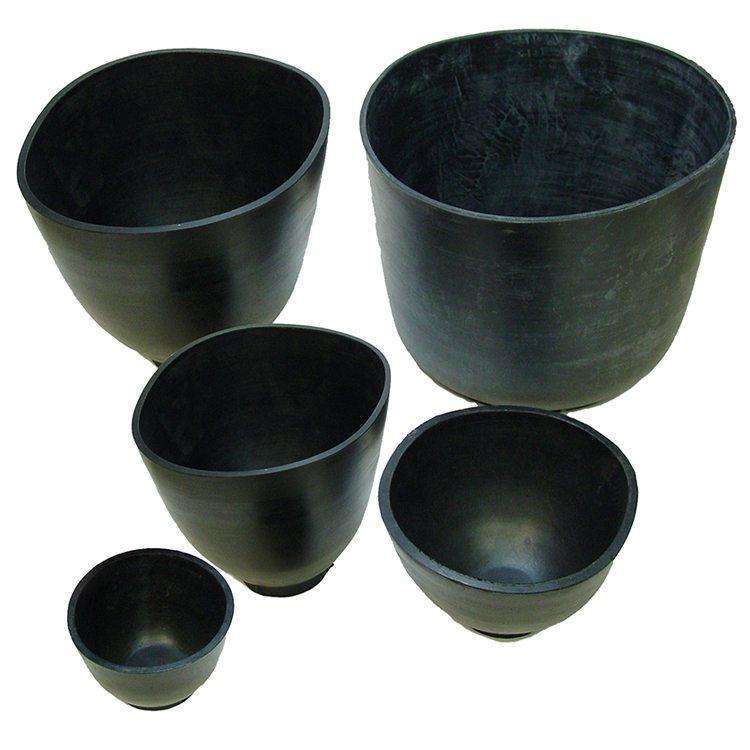
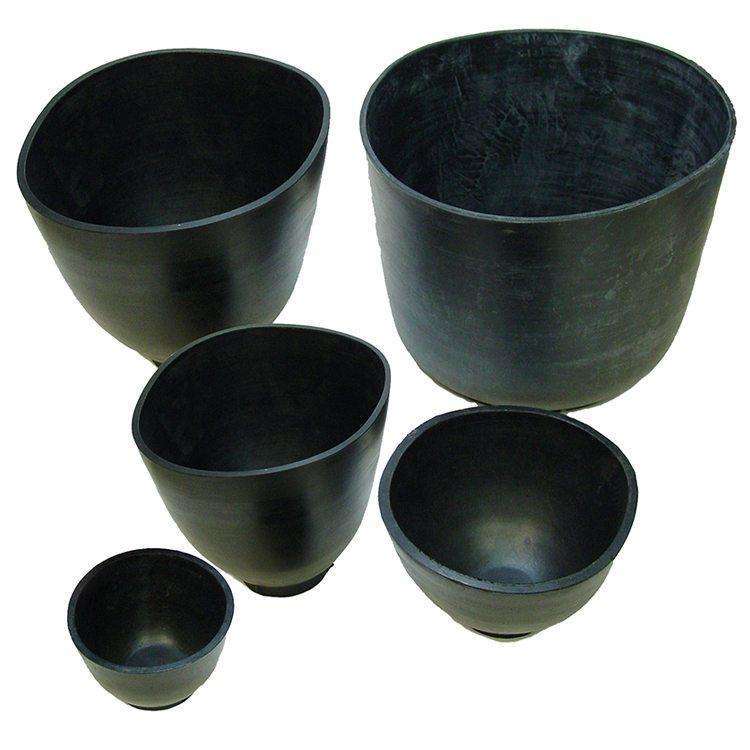
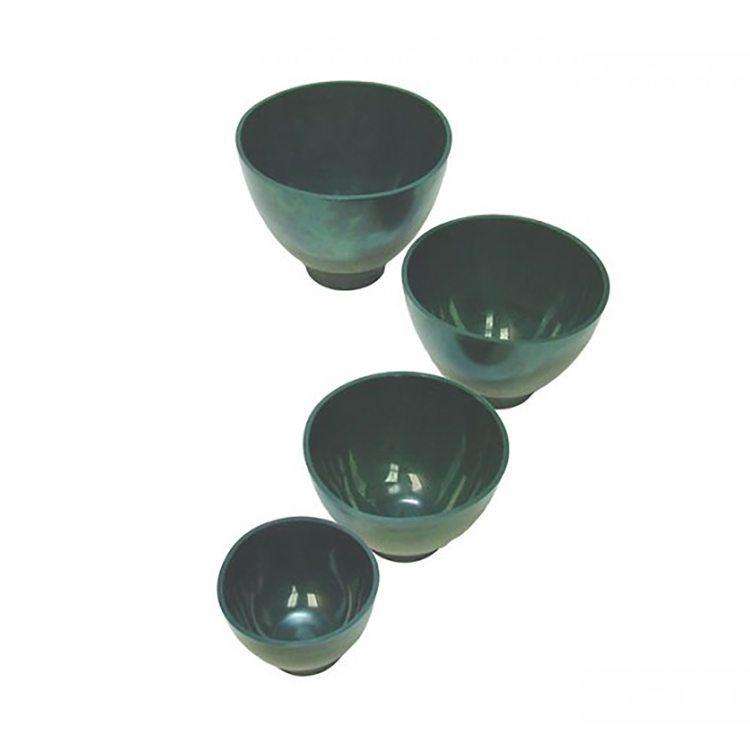
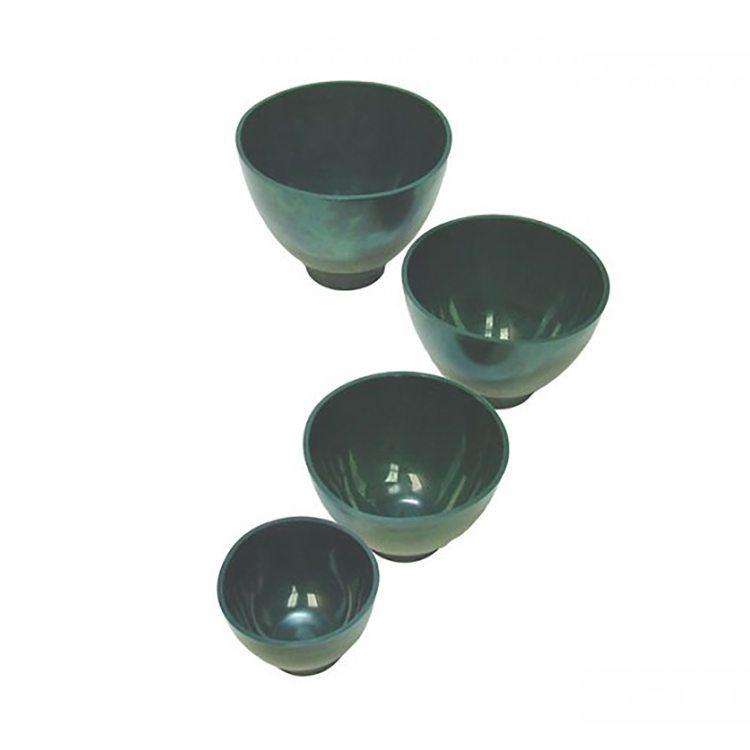
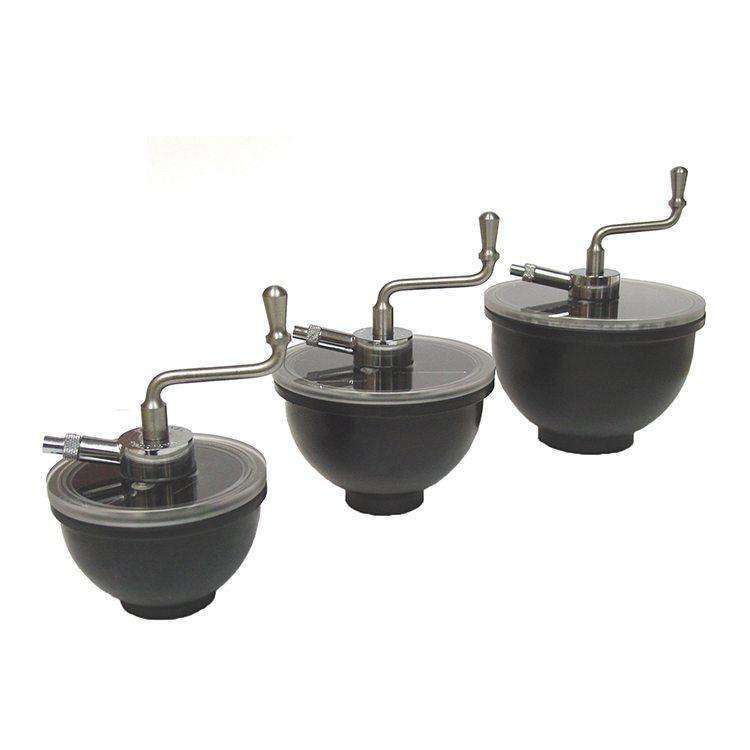
Surfactants and debubblizers are sprayed on an impression before the pour so the stone wets the surface instead of trapping air at the margin, and they are stocked as trigger sprays and 32 oz refills. Model treatments such as gloss and hardener finish the cast. Alongside them sit mixing bowls and wells, etching gels and acids, and cleaning and disinfecting solutions.
How to choose
- Buy the separator for the specific pair of materials: alginate to stone, stone to stone, or acrylic to plaster.
- Choose the applicator as well as the liquid. Trigger sprays and mist bottles apply a thinner, more even film than a brush, and refills are cheaper per ounce.
- For accurate margins, treat a surfactant or debubblizer as mandatory rather than optional on every impression you pour.
- Check the etchant concentration and gel viscosity against the job; a gel that runs is harder to control than one that stays where it is placed.
- Match the cleaner to the residue: gypsum, alginate, wax and set stone each need a different solvent or soak.
- Buy the size you turn over. Gallon containers are cheaper per ounce but only if the chemistry is used before it degrades.
Frequently asked questions
What is a separating agent?
A film-forming liquid applied between two materials so they release cleanly after set, without chipping the cast or locking the case in the flask. Different pairs need different chemistries: alginate to stone, stone to stone, and acrylic to plaster, where a tinfoil substitute keeps monomer from penetrating the mould.
What does a debubblizer or surfactant do?
It lowers the surface tension of an impression so that stone wets it instead of beading away, which removes the small voids that show up at margins and in fine detail. It is sprayed on, blown to a thin film with no pooling, and the model is poured immediately afterwards.
What removes set gypsum and alginate from impression trays and lab tools?
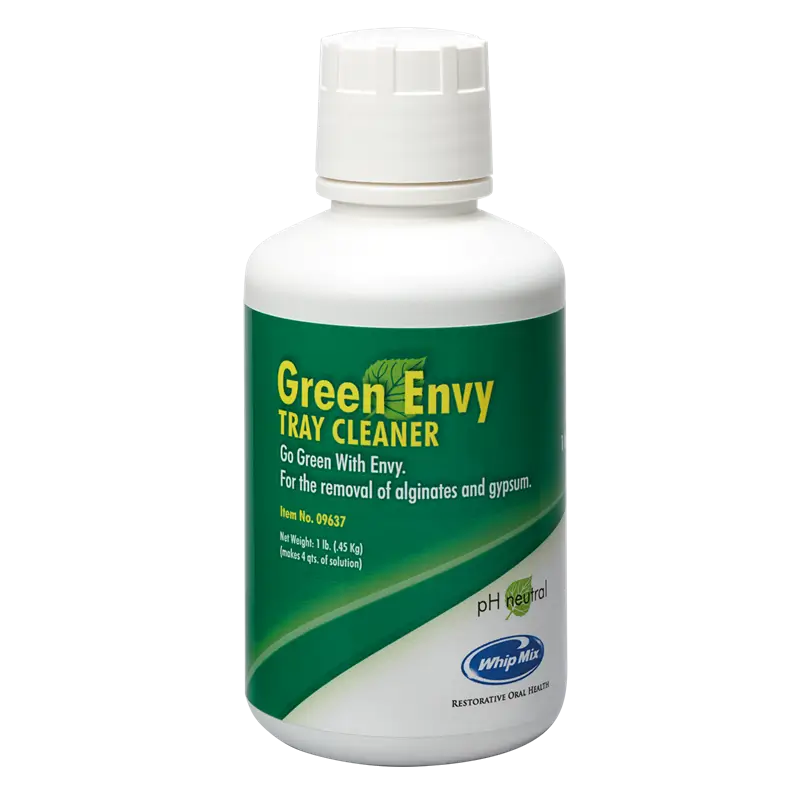
A tray cleaner is a soak that dissolves set gypsum, alginate and investment residue from metal trays, spatulas and bowls without scrubbing. Trays go into the solution after use, sit for the labelled time, then rinse and go to sterilization. Products for this job are on the Cleaning & Disinfecting Solutions shelf in this department.
What is a quick dump rinse?
A dilute cleaning or neutralising bath that instruments or cases are dipped and rinsed in between steps, rather than soaked in. It is used to carry off residue quickly so the next step starts on a clean surface, and it is replaced on a schedule because it loads up fast.
How do lab chemicals ship?
In-stock chemicals ordered by 3 PM ET ship the same day from our Northern Virginia warehouse. Flammable liquids, aerosols and acids are packed to carrier rules and may be routed on a ground service, so a large liquid order can arrive separately from the rest of an order.