
Burs, Rotary & Finishing
3316 products


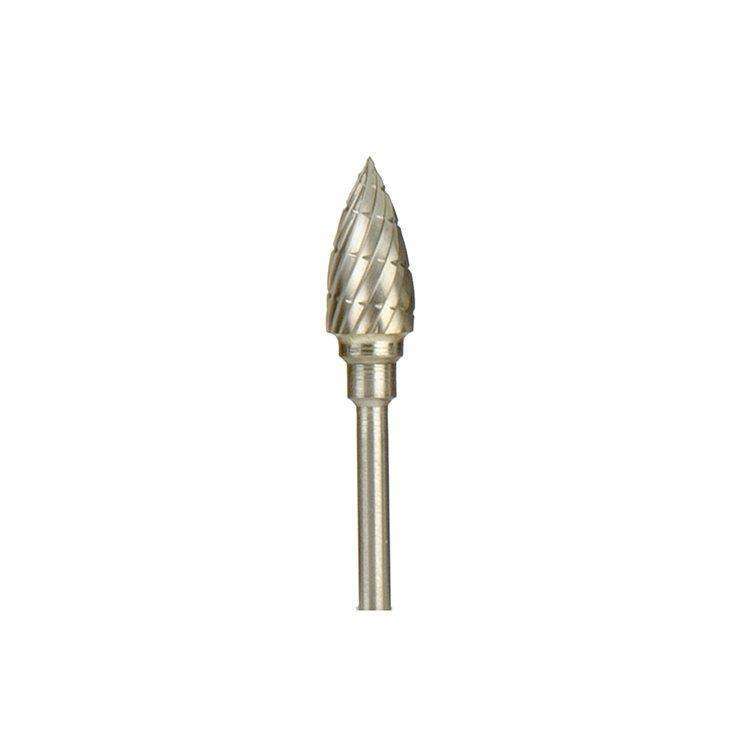


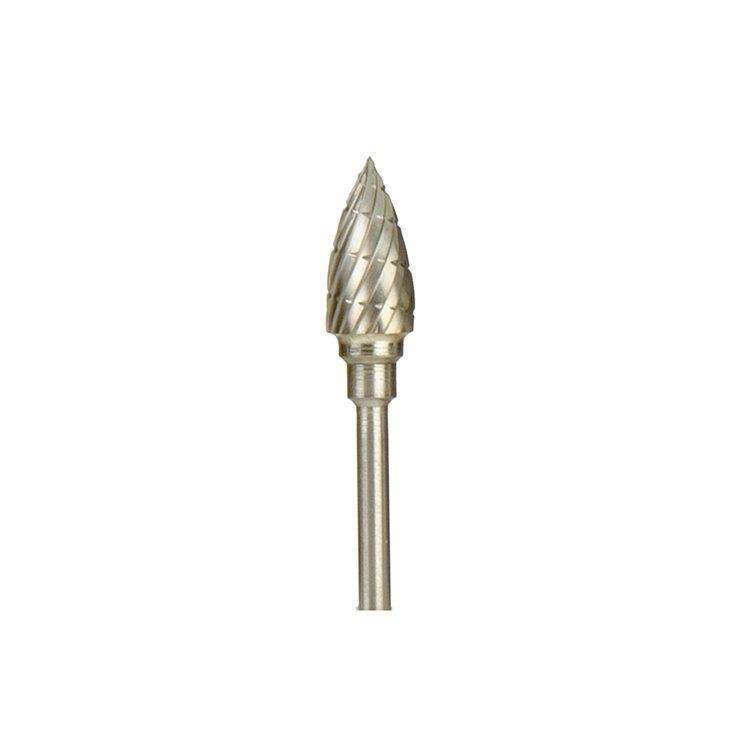
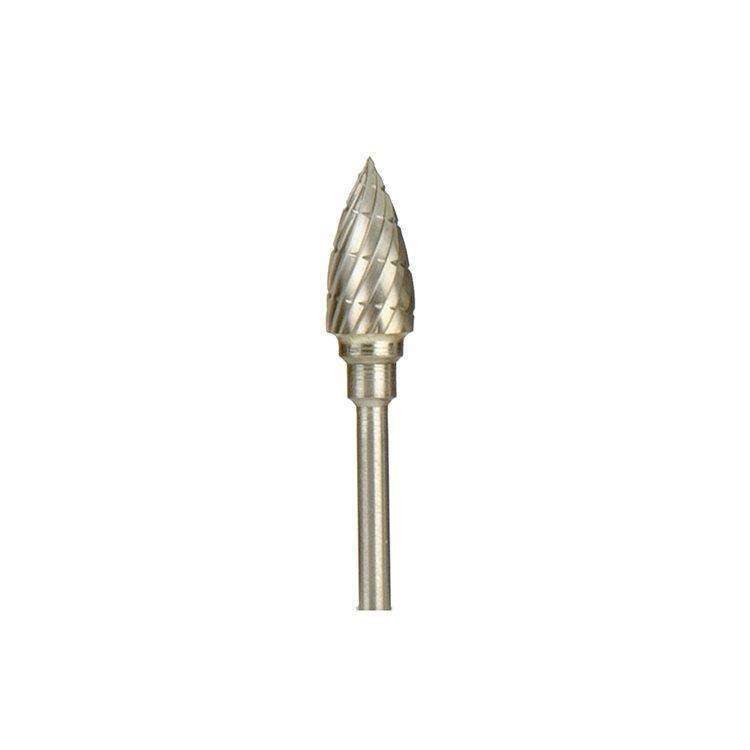
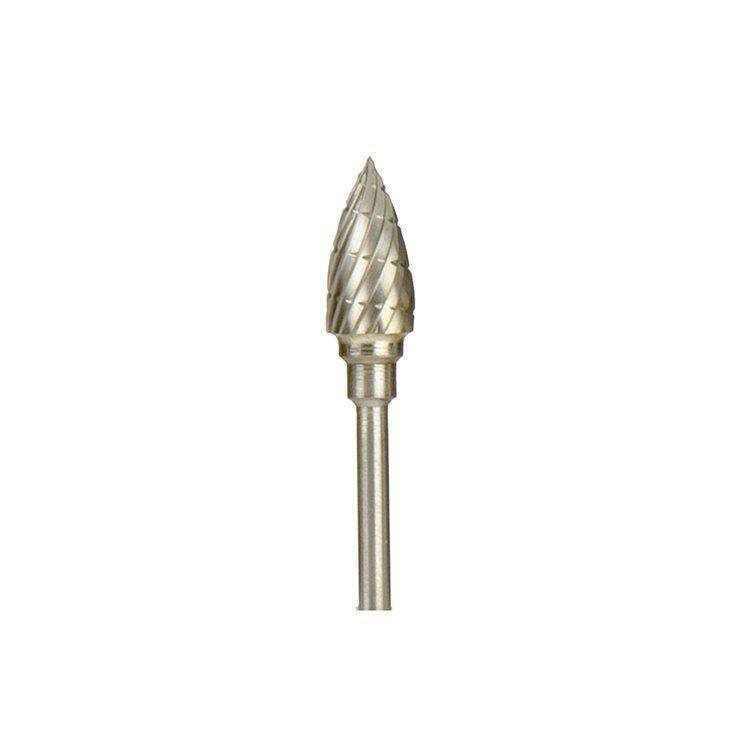


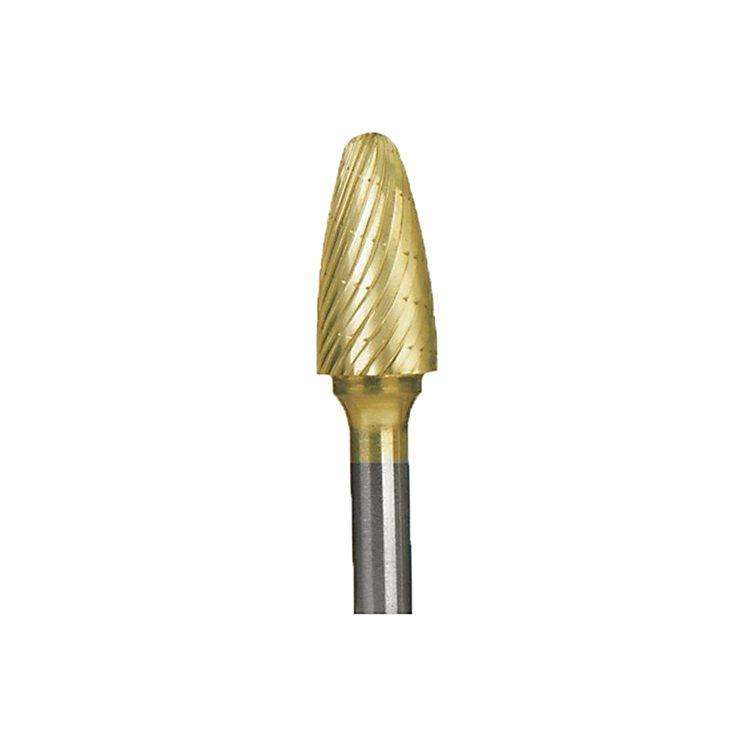


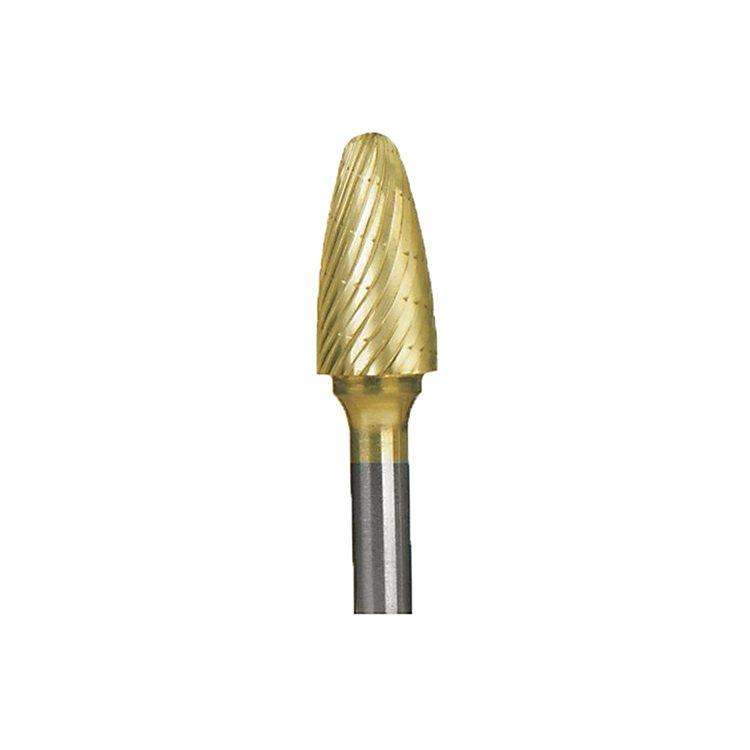


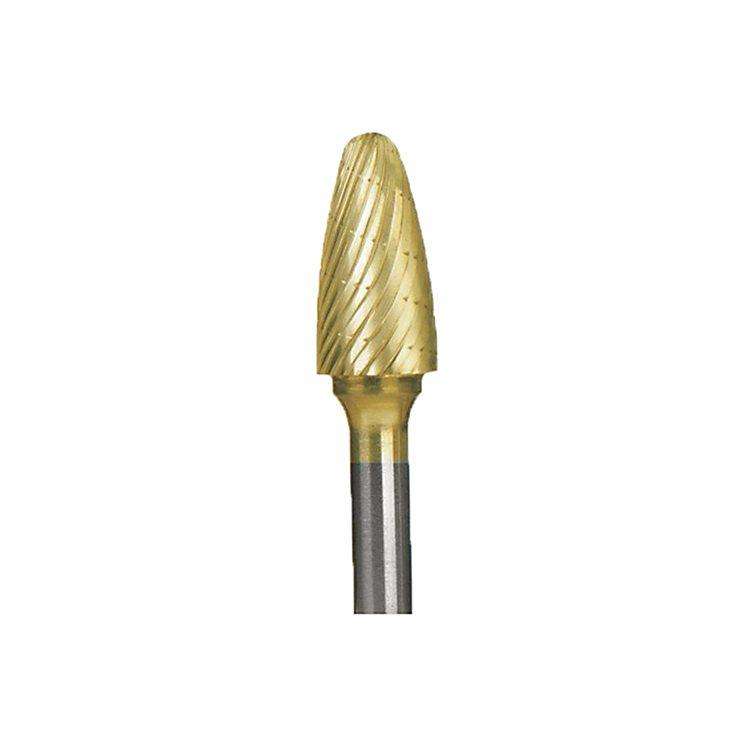


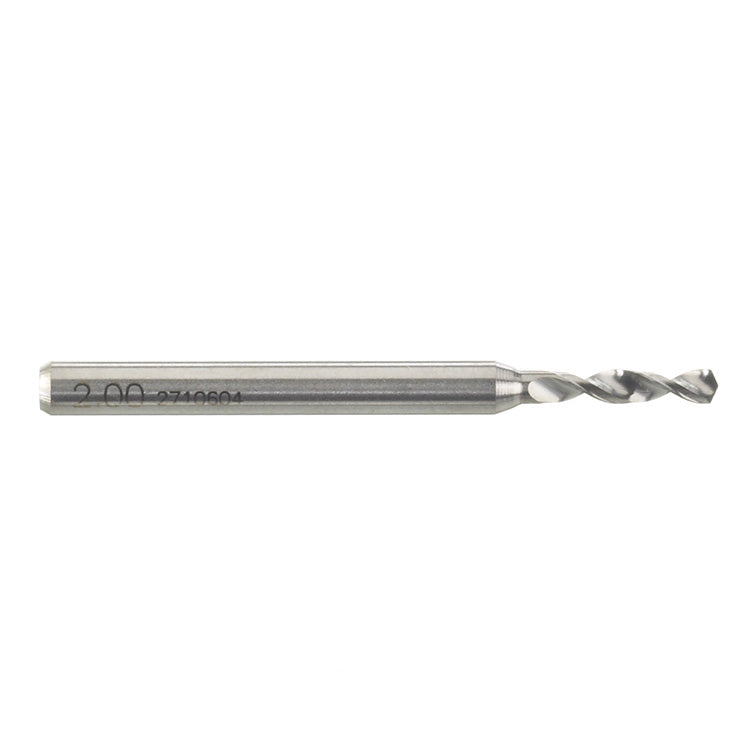
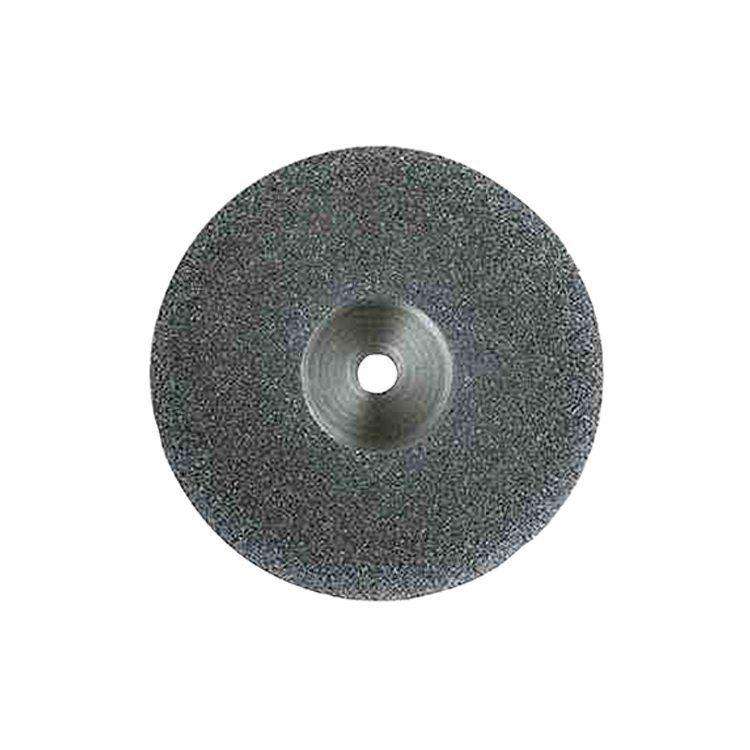

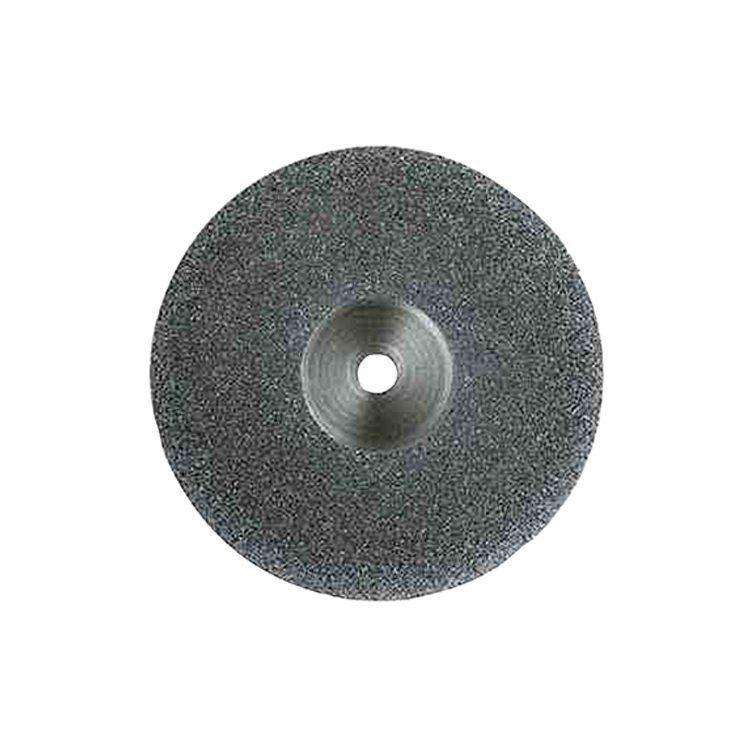
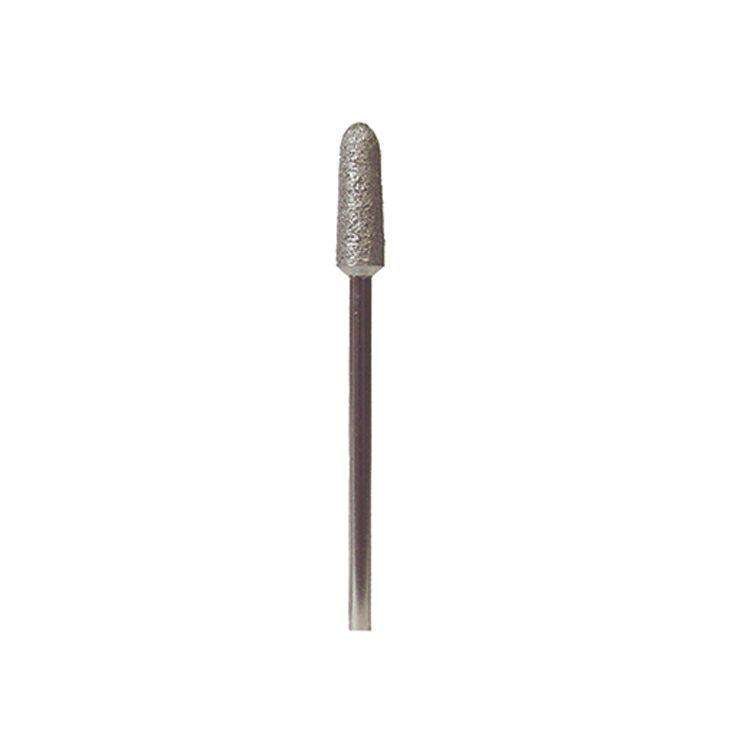

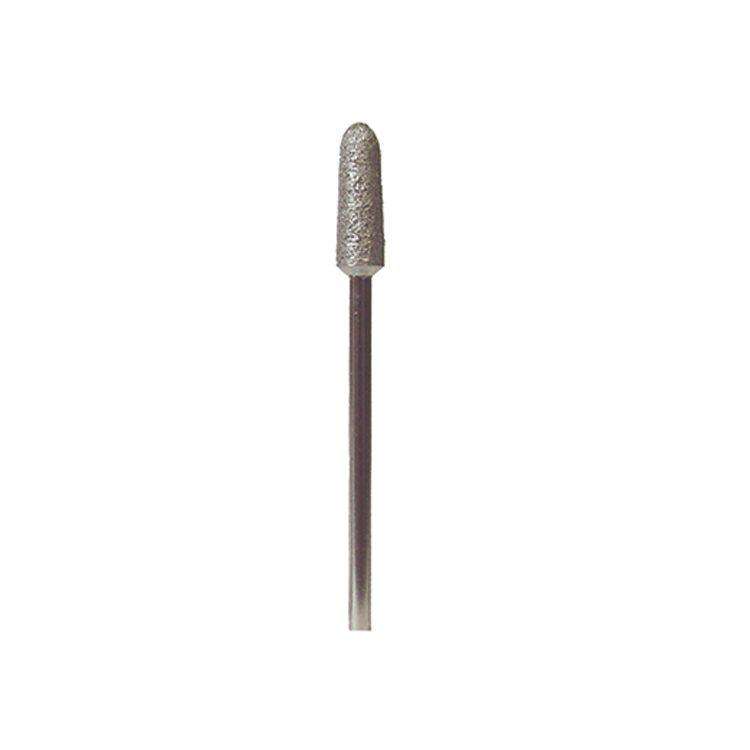


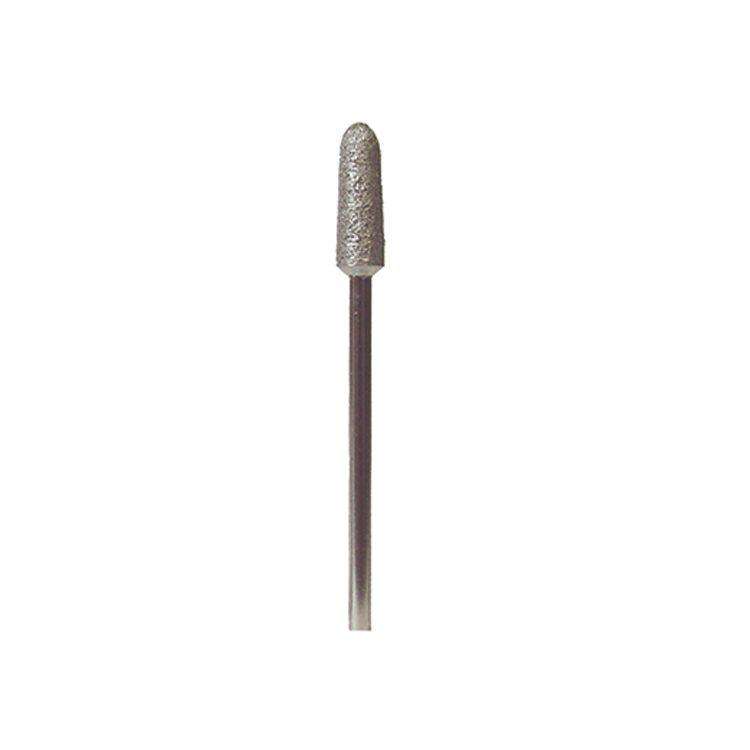
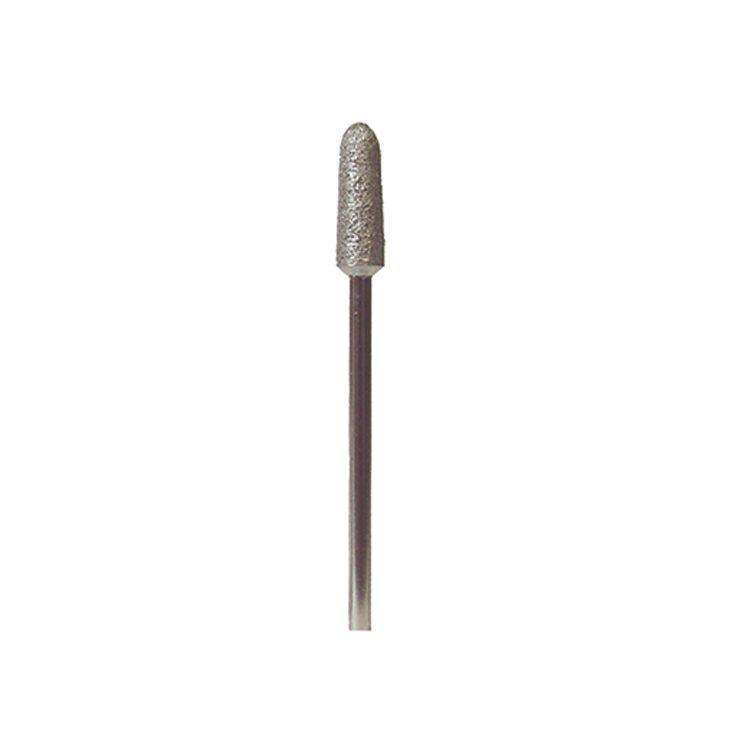
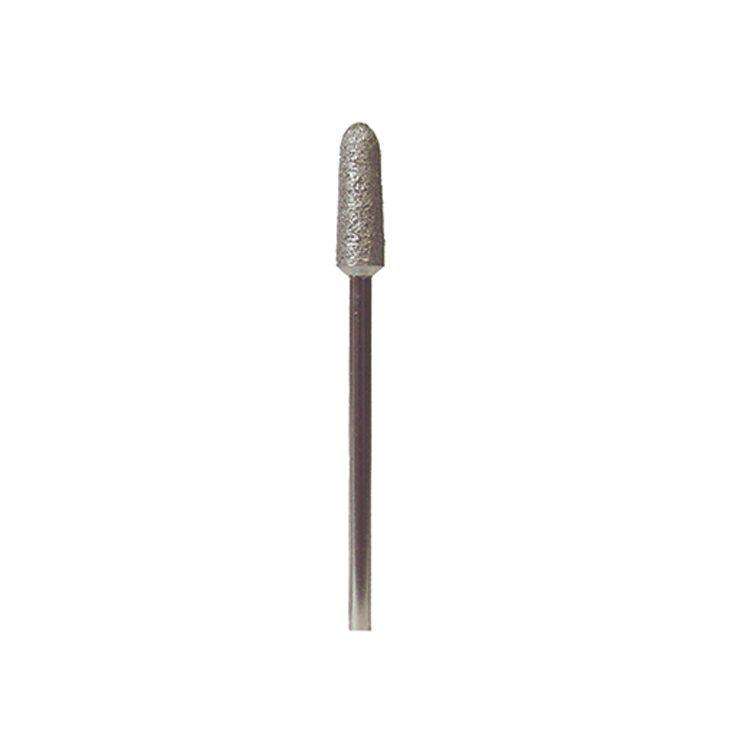


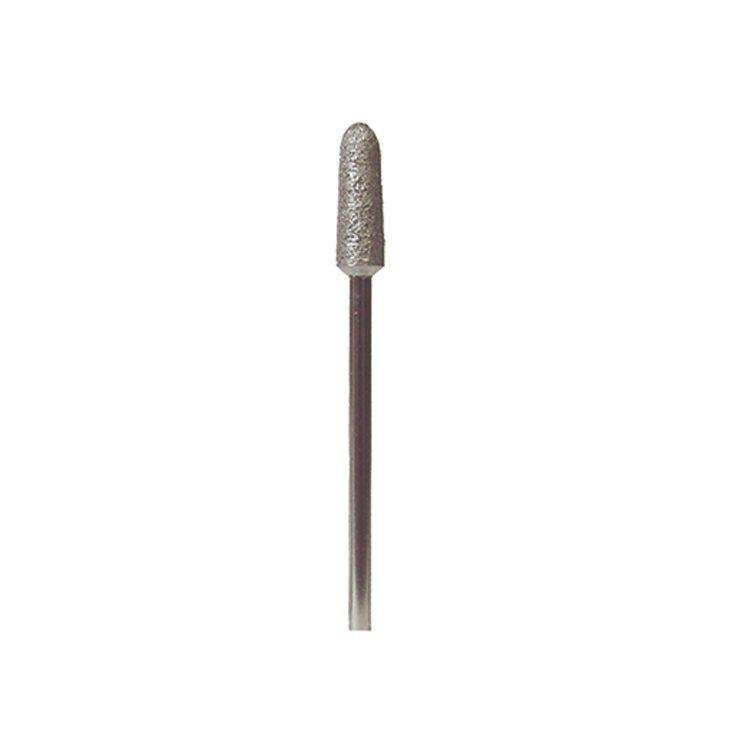
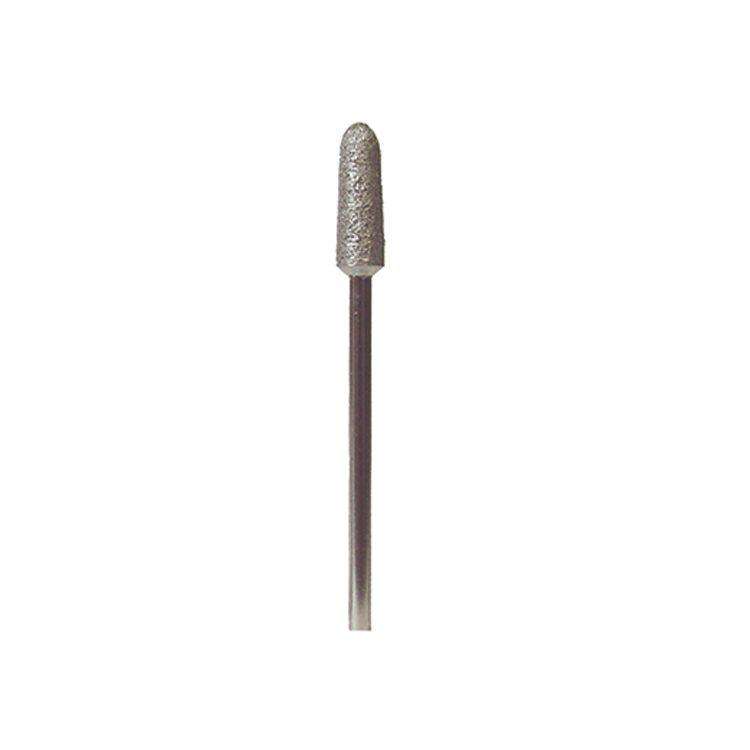

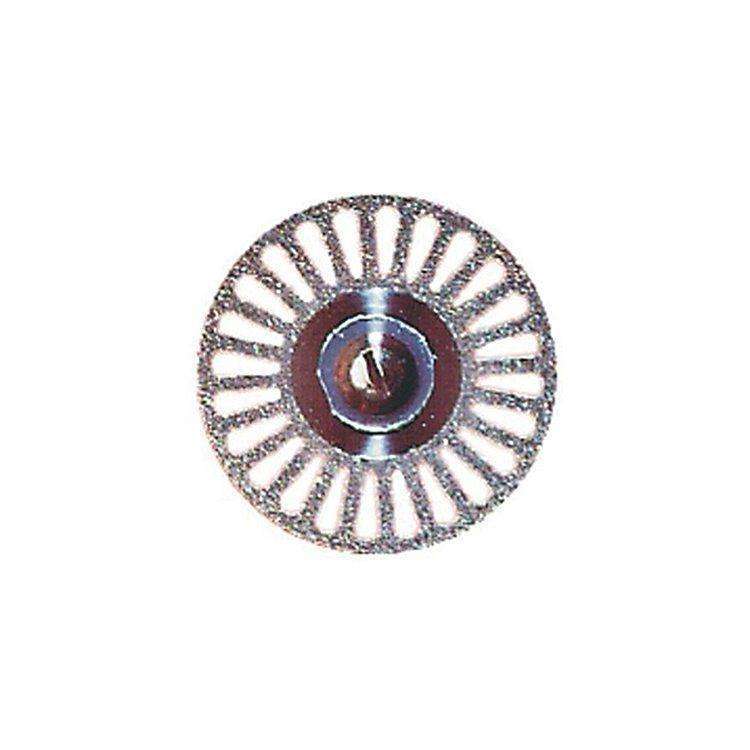
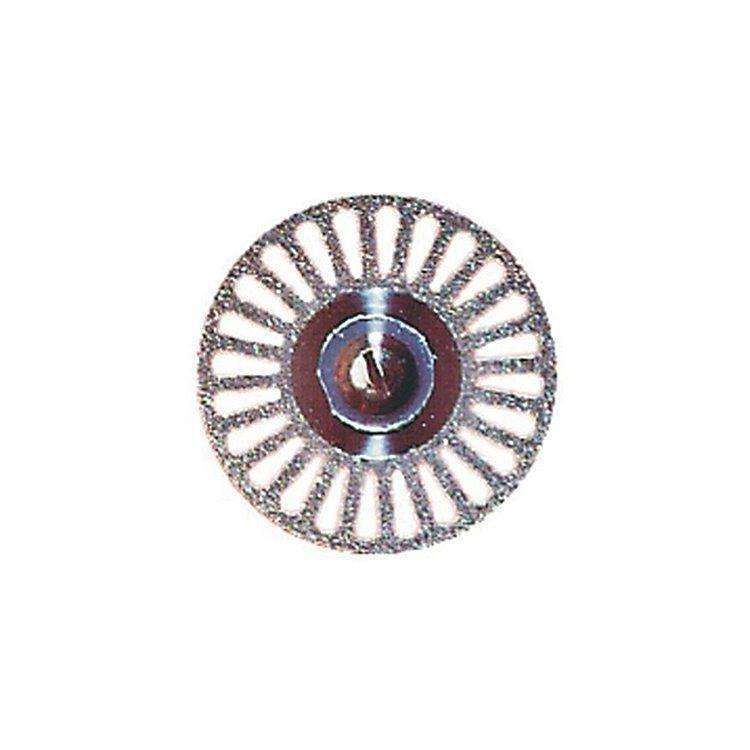


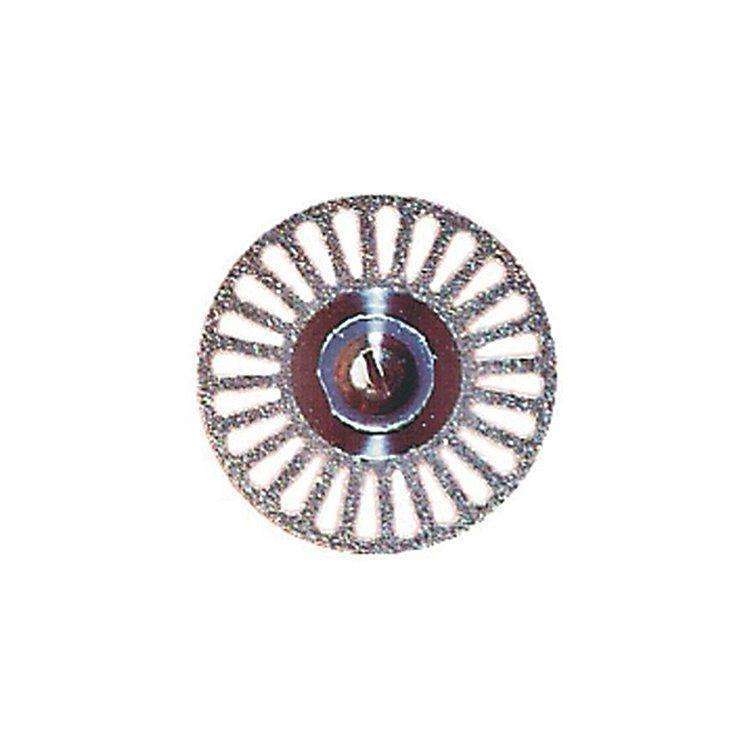
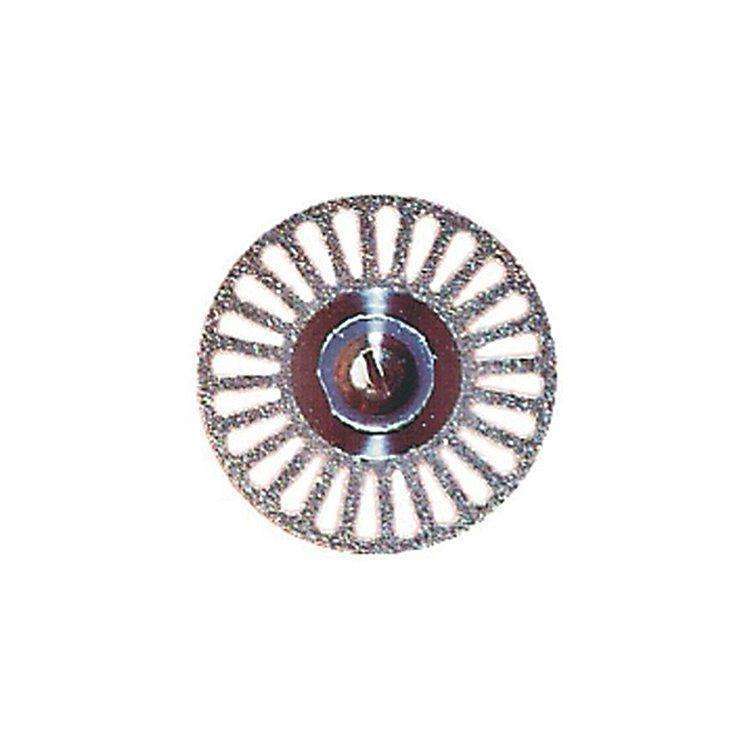

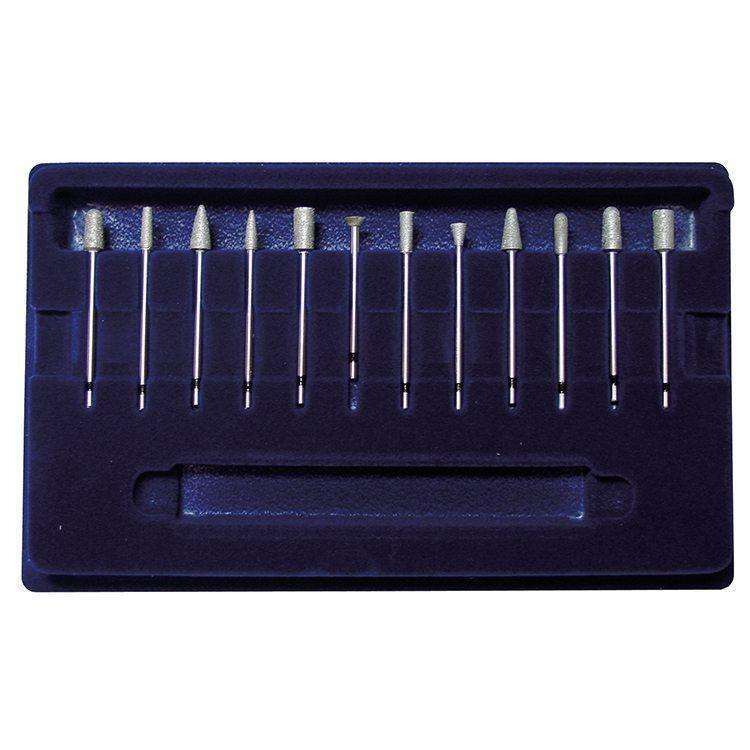


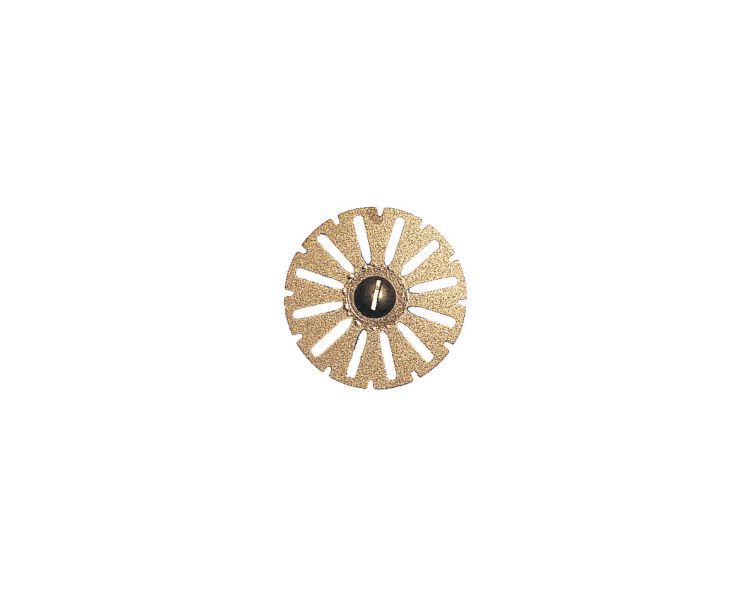


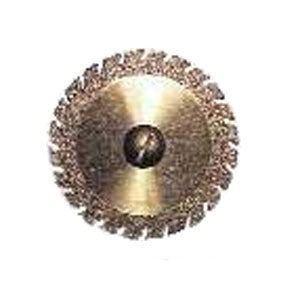


Burs, rotary and finishing covers more than 3,000 products for chairside restorative work and for the laboratory bench. The department splits along one line: cutting burs remove tooth structure, old restorations and sprues, while finishing burs and polishing burs refine what is left behind. Blade count and grit tell you which is which. Plain cut and crosscut carbides and coarse diamonds cut; 12-, 20- and 30-blade carbides, fine grit burs and extra-fine grit burs finish; ultrafine finishing burs and rubber polishers take the surface to its final lustre before a paste.
Shank type decides the handpiece. FG friction grip runs in high-speed dental rotary tools and covers most intraoral burs, so restorative dentistry burs are overwhelmingly friction grip. RA latch shanks fit the slow-speed contra-angle, and HP straight shanks are for laboratory and straight handpieces. Composite burs are usually fine or extra-fine diamonds and multi-bladed carbides chosen to shape and finish resin without pulling it. Prophy burs for dental cleanings and other single-patient use dental burs are packaged to be discarded after the appointment rather than reprocessed.
The shelves here cover carbide burs, diamond rotary instruments, mounted points and stones, finishing and polishing discs, finishing and polishing wheels and points, and brushes, buffs and bur care. Brands stocked include Dedeco, Shofu, Shofu Dental Corp, Keystone Industries, Buffalo Dental, Harvest Dental, Becht and the RMH3 Dental Supply line, which includes the Pro-Cut Diamonds shapes and FG white stones in 12-packs.
How to choose
- Shank: FG friction grip for the high-speed handpiece, RA latch for the slow-speed contra-angle, HP straight for lab and straight handpieces.
- Job: coarse diamonds and crosscut carbides for gross reduction, 12- to 30-blade carbides and fine or extra-fine grit diamonds for finishing.
- Head shape and ISO size: round, pear, flame, taper, football and inverted cone each cut a different form, and the ISO number gives head diameter.
- Length: standard, short shank for tight posterior access and limited opening, and surgical length for deep access.
- Reprocessing: sterilizable carbides and diamonds for repeat use, single-patient use burs when turnaround and cross-contamination control matter more than cost per bur.
- Pack size: singles and 12-packs for shapes you use occasionally, 100-count boxes and kits for the shapes you go through weekly.
Frequently asked questions
What is the difference between cutting burs and finishing burs?
Cutting burs have few, aggressive blades or a coarse diamond grit and are made to remove structure quickly. Finishing burs have many fine blades, typically 12, 20 or 30, or a fine to extra-fine grit, and are made to smooth a surface without leaving gouges that then have to be polished out.
Which burs do I use on composite?
Shape composite with a fine grit diamond or a 12-blade carbide, step to 20- and 30-blade carbides or extra-fine diamonds, then finish with silicone polishers, discs or points. Working through the grits in order is what produces shine; skipping a step leaves scratches the polisher cannot remove.
Are single-patient use dental burs worth it?
They remove the reprocessing step and guarantee a sharp instrument every time, which matters most for high-volume preparation and for prophy burs used in dental cleanings. Sterilizable burs stay more economical for shapes used several times a day where cutting efficiency holds up over many cycles.
What does the ISO number on a bur mean?
The last three digits of an ISO code give the maximum head diameter in hundredths of a millimetre, so 012 is a 1.2 mm head. The code also carries shape and shank information, which is why two burs with the same shape name can cut differently if the ISO sizes differ.
How fast do orders ship?
Orders ship from our Northern Virginia warehouse, and in-stock items ordered by 3 PM ET go out the same day. Rotary stock moves quickly, so ordering your working shapes by the box rather than singly usually keeps the operatory covered between deliveries.