
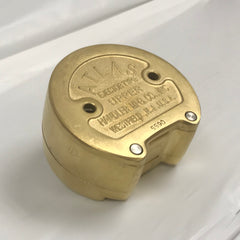
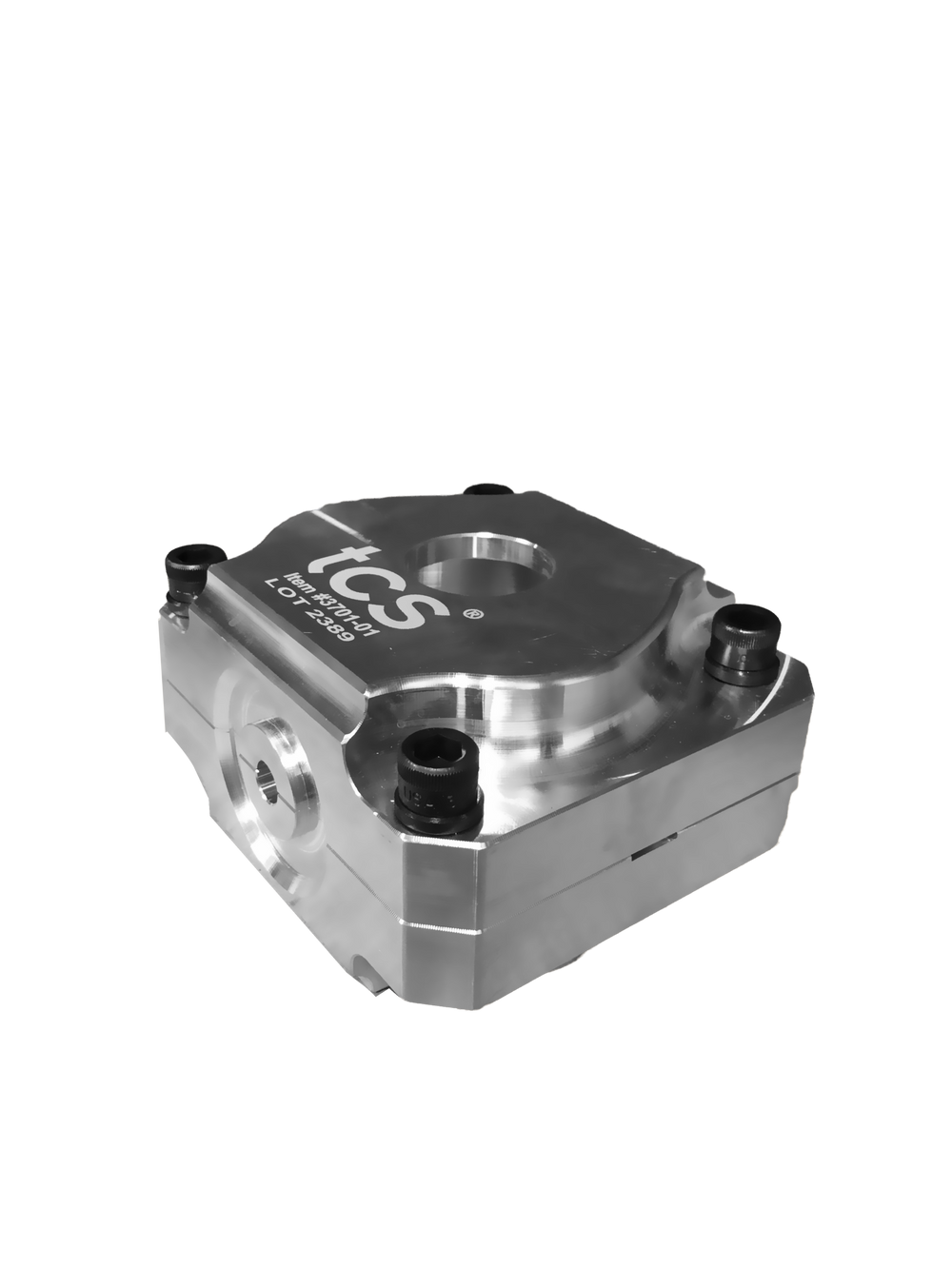
TCS aluminum injection flask with L-wrench, for TCS thermoplastic injection.
- Milled from one solid aluminum block
- Extra-smooth finish makes de-flasking easier
- Knock-out button simplifies case removal and extends the flask's life
In the package: 1 injection flask, 1 L-wrench
Product
- Manufacturer
- TCS
- Manufacturer #
- 3701-01
- Item code
- 008-1015
- UPC / Barcode
- 3701-01
Catalog path
- Marketplace
- Laboratory
- Category
- Dentures & Acrylics
- Subcategory
- Denture Flasking & Processing
Ordering
- Status
- In stock
- Weight
- 0.25 lb
More from Denture Flasking & Processing
Stocked in the same subcategory.



New Stetic
NewCryl Lower Posterior Denture Teeth — Moulds 30–32 (30L/30M/31M/32F/32L/32M), 8/Card
In stock
from $3.75
New Stetic
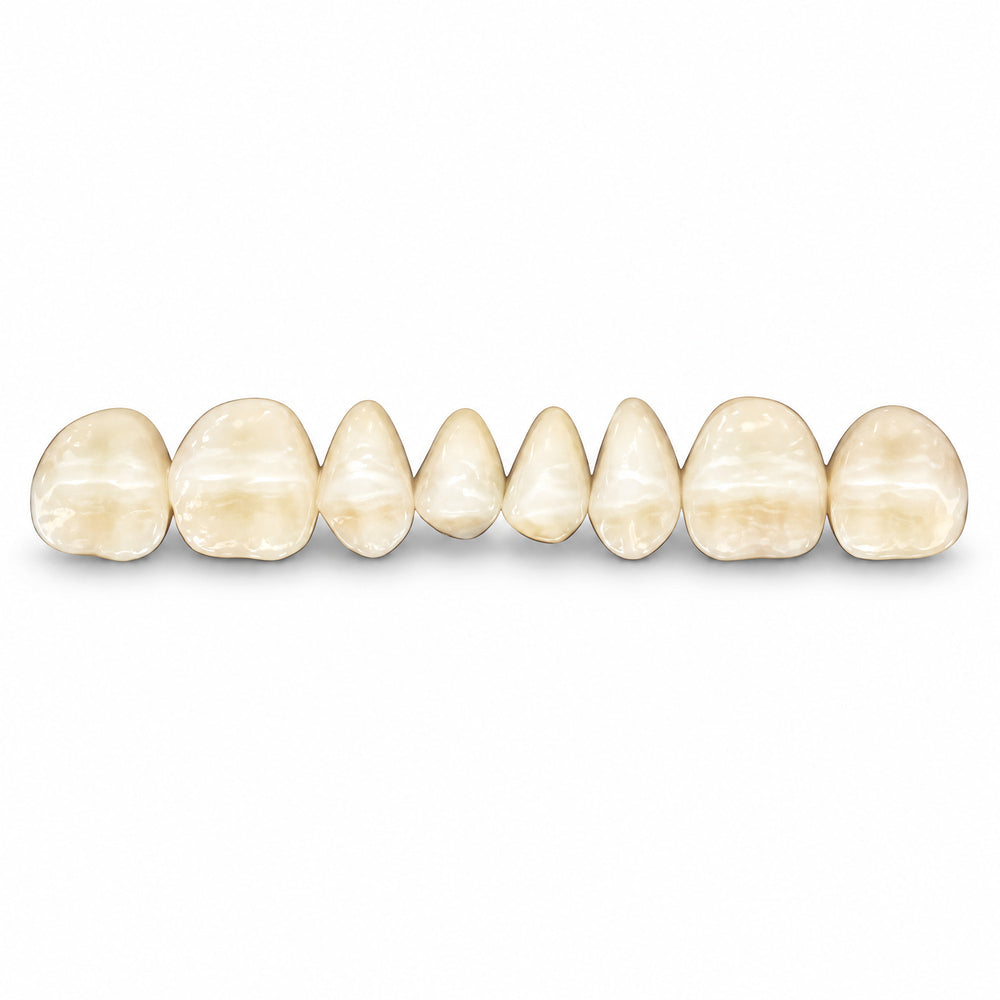
NewCryl Upper Posterior Denture Teeth — Moulds 30–32 (30L/30M/31M/32F/32L/32M), 8/Card
In stock
from $3.75


New Stetic
NewCryl Upper Anterior Denture Teeth — Mould Series 2 (2D/2N/263/264/266), 6/Card
In stock
14 sold this monthfrom $3.75
Questions
What is TCS Injection Flask and L-Wrench Kit used for?
TCS aluminum injection flask with L-wrench, for TCS thermoplastic injection. • Milled from one solid aluminum block • Extra-smooth finish makes de-flasking easier • Knock-out button simplifies case removal and extends the flask's life In the package: 1 injection flask, 1 L-wrench
When does it ship?
In-stock orders placed before 3 PM ET ship the same day. An item we don't keep on the shelf shows its own ship-by date on its page, and you can cancel it for a full refund until it ships.Ground shipping is free over $49.
About denture flasks
The flasks on this shelf are made for compression, injection and pour techniques, for microwave curing and for duplicating.
A denture flask is a metal or fiberglass vessel that supports the gypsum mold in which a denture is polymerized. Denture processing converts the wax pattern of a denture into resin. Packing is the filling and pressing of the denture base material into the mold inside the flask.
For injection molding the waxed denture is flasked and boiled out as for compression molding, and a hollow sprue is attached to the mold cavity.
How flasks and flask accessories differ
- Denture Flasks — The vessel that holds the mold.
- Flask Accessories — The tools and supplies used around the flask, not the flask itself.
What to look at when choosing
Technique: the flask follows the resin. Pour-type resin is poured into molds of agar hydrocolloid or modified plaster. Microwave curing is done in a special fiber-reinforced flask.
Injection: in injection molding, resin keeps entering the flask while polymerization shrinkage occurs.
Distortion: warpage of the base when the cured denture is removed from the cast is considered a major disadvantage of acrylic resin, and it can change the position of the teeth. A classic study gave the flow of the resin into all regions of the mold as a reason for letting the closed flask stand for at least an hour.
Sources: The Glossary of Prosthodontic Terms, 9th edition (J Prosthet Dent 2017) · Alqutaibi et al. 2023, Polymeric Denture Base Materials: A Review (Polymers) · Negreiros et al. 2009, Effect of Flask Closure Method and Post-Pressing Time on the Displacement of Maxillary Denture Teeth (Open Dent J)
