
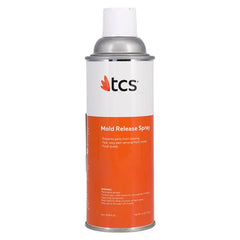

Lang Silicone Spray – Aqueous Release Agent, 236 mL Pump Spray (Lang item #0304) Aqueous release agent in a pump spray for metal flasks, trays and other metal surfaces. • Facilitates removal of alginate from metal flasks and trays (per Lang). • Intended to facilitate removal of materials from the Denture Duplicator Flask and other metal surfaces (per Lang). In the package: One Lang Silicone Spray, 236 mL, with pump spray. How it's used: Thoroughly clean the surface to be sprayed, then apply the spray liberally. For use by a dental professional. Manufacturer: Lang Dental Mfg. Co., Inc., Wheeling, Illinois, USA.
Product
- Manufacturer
- Lang Dental
- Manufacturer #
- 304
- Item code
- 045-0053
- UPC / Barcode
- 304
Catalog path
- Marketplace
- Laboratory
- Category
- Chemicals & Solutions
- Subcategory
- Separating & Isolation Agents
Ordering
- Status
- In stock
- Weight
- 0.69 lb
More from Separating & Isolation Agents
Stocked in the same subcategory.


Keystone Industries
Keystone EPR Burning Alcohol (Denatured Ethanol), 1 Quart
In stock
11 sold this month$10.81

Questions
What is Lang Silicone Spray Pump, 236ml used for?
Lang Silicone Spray – Aqueous Release Agent, 236 mL Pump Spray (Lang item #0304) Aqueous release agent in a pump spray for metal flasks, trays and other metal surfaces. • Facilitates removal of alginate from metal flasks and trays (per Lang). • Intended to facilitate removal of materials from the Denture Duplicator Flask and other metal surfaces (per Lang).
When does it ship?
In-stock orders placed before 3 PM ET ship the same day. An item we don't keep on the shelf shows its own ship-by date on its page, and you can cancel it for a full refund until it ships.Ground shipping is free over $49.
About separating liquids and mold release agents
Separating liquids and mould release agents are brushed or sprayed on a model, die or mould so that the next material does not stick to it. The liquids on this shelf are made for different pairs of materials: plaster against plaster, wax against stone, resin against stone, and flask moulds.
A separating medium is a coating applied to a surface to prevent a second surface from adhering to it. It is also the material applied, usually on an impression, so that the cast comes away cleanly.
How the types of separating agent differ
- Separating liquids and mold release agents — A liquid or spray coating.
- Separating film — Forms a film on the gypsum, between the cast and the denture resin.
- Debubblizers — Helps the next material wet the surface, where a separator keeps it from sticking.
What to look at when choosing a separating agent
Which two materials meet: the agents here are made for particular pairs, such as resin against gypsum or wax against stone.
Film or space: a die spacer, or die relief, is a different thing from a separator; it is applied to a die to leave room for the cement in the finished casting.
Safety data sheet: OSHA requires a safety data sheet in the workplace for each hazardous chemical in use, and the maker or importer has to supply one. Labels on incoming containers of hazardous chemicals are not to be removed or defaced.
Sources: The Glossary of Prosthodontic Terms, 9th edition (J Prosthet Dent 2017) · Marginal and Internal Gap of Metal Copings Fabricated Using Three Types of Resin Patterns with Subtractive and Additive Technology (Materials 2022) · OSHA 29 CFR 1910.1200, Hazard Communication
