


RMH3 DentalIn stock
RMH3 Dental Self-Sealing Sterilization Pouches — 200/Box · 3.5" × 10"
SKU 001-0183MFR# SP-5002
The RMH3 Dental Self-sealing Sterilization Pouch 3.5 X 5.25 is designed for infection control and instrument sterilization. This pouch provides a secure, sterile environment for dental instruments, ensuring they remain aseptic until required for patient care. It incorporates a chemical indicator to confirm sterilization parameters have been met.
This format features a 3.5 x 5.25 inch size, suitable for sterilizing smaller instruments or individual components. Each box contains 200 self-sealing pouches, offering a practical supply for daily sterilization protocols in dental practices and laboratories. The integrated chemical indicator provides immediate visual confirmation of processing.
Product
- Manufacturer
- RMH3 Dental
- Manufacturer #
- SP-5002
- Item code
- 001-0183
Catalog path
- Marketplace
- Clinical
- Category
- Infection Control
- Subcategory
- Sterilization Pouches & Wraps
Ordering
- Status
- In stock
More from Sterilization Pouches & Wraps
Stocked in the same subcategory.


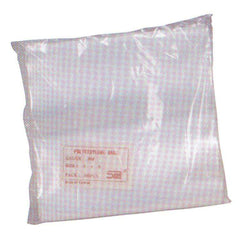
RMH3 Dental
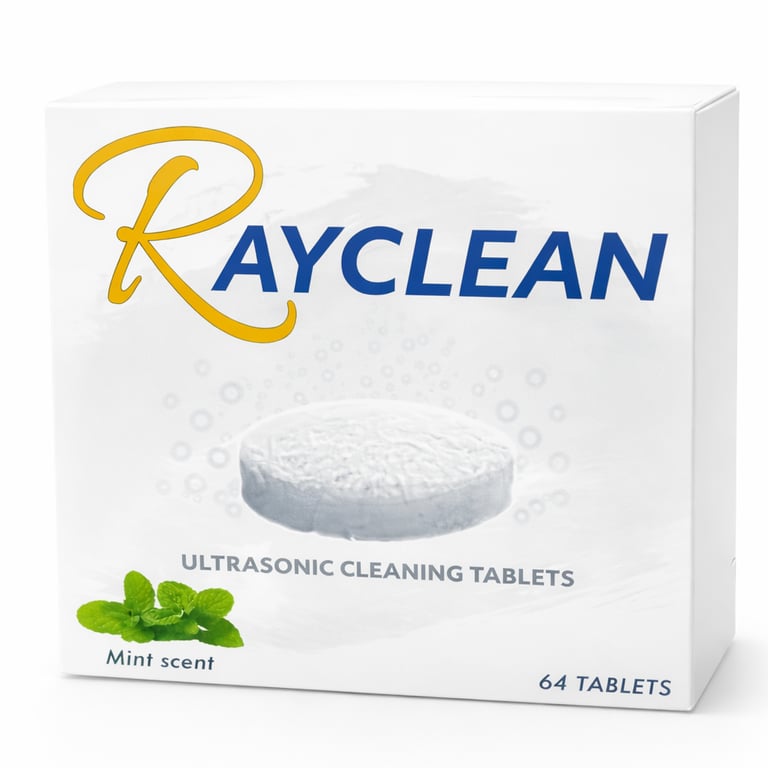
RayClean Ultrasonic Bio-Enzymatic Cleaning Tablets, 64/Box
In stock
402 sold this month$18.00

RMH3 Dental
Barrier Film, 4" × 6" with Nonstick Edge — 1200/Roll
In stock
386 sold this monthfrom $7.55


Veratiq Dental
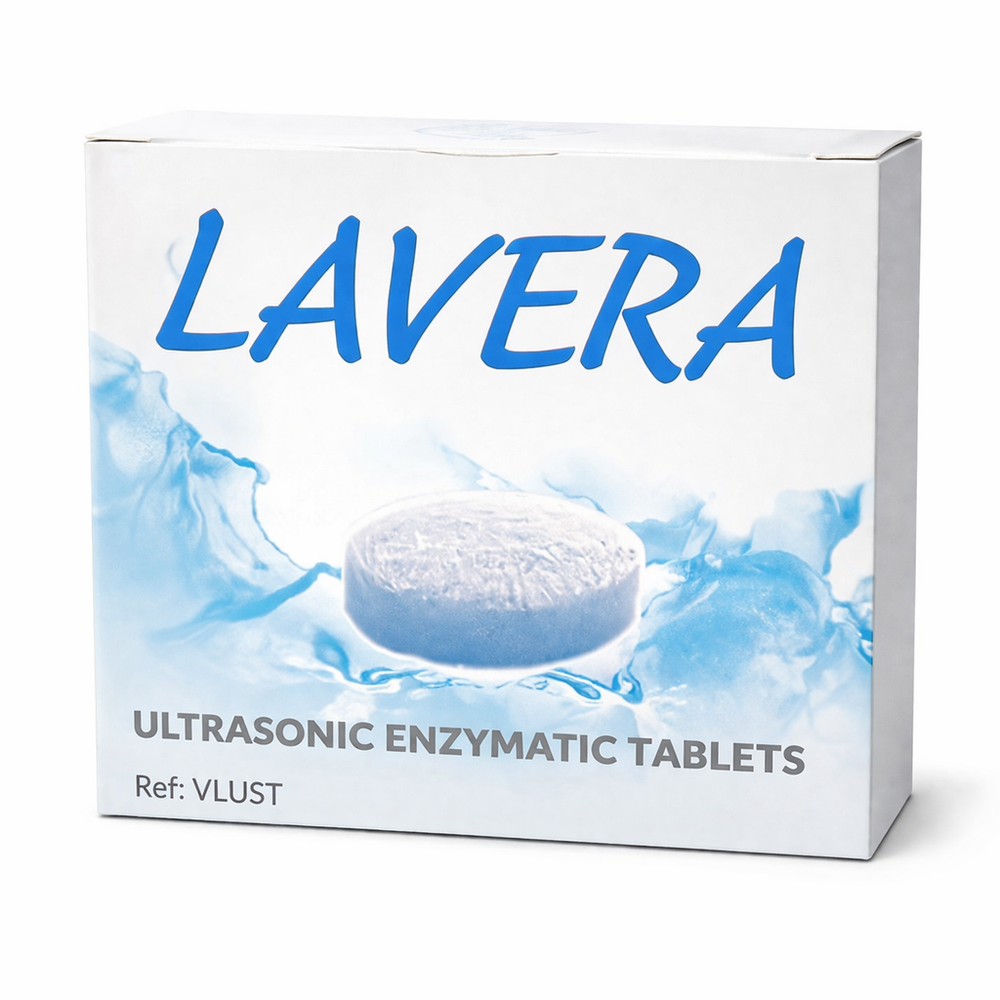
Veratiq Lavera Ultrasonic Enzymatic Cleaning Tablets, 64 Tablets/Box
In stock
10 sold this month$12.47
Questions
What is it used for?
The RMH3 Dental Self-sealing Sterilization Pouch 3.5 X 5.25 is designed for infection control and instrument sterilization.
Which size options are on this page?
This page carries 12 size options: 2.25" × 5", 2.75" × 10", 3.5" × 5.25", 3.5" × 6.5", 3.5" × 7.75", 3.5" × 9", 3.5" × 10", 5.25" × 10" and 4 more. Pick one to see its price, part number and stock.
How many come in a pack?
200 per pack; the price shown is per pack.
When does it ship?
In-stock orders placed before 3 PM ET ship the same day; anything not on our shelf ships within 3 business days.Ground shipping is free over $10.
About sterilization pouches
A peel pouch of plastic or paper is one of the materials CDC names for maintaining the sterility of instruments during transport and storage. Critical and semicritical instruments that will be stored are wrapped or placed in containers designed to maintain sterility during storage. Many packages carry their own indicator: CDC lists special markings on packaging materials among the examples of chemical monitoring.
After cleaning, dried instruments are inspected and then wrapped, packaged or placed into container systems before heat sterilization. Packaging materials allow the sterilization agent to penetrate and maintain the sterility of the processed item after sterilization. The materials used for this include wrapped perforated instrument cassettes, peel pouches of plastic or paper, and woven and nonwoven sterilization wraps. The FDA treats a sterilization wrap, including a pack, wrapper or bag, as a Class II device meant to enclose another device for sterilization and keep it sterile until used.
Instruments are dried thoroughly before packaging, because wet instruments can compromise the packaging material. A chemical indicator goes inside every package to verify that the sterilizing agent reached the instruments inside, and an external indicator is added when the internal one cannot be seen from outside. Packages are labelled with the sterilizer used, the cycle or load number, the date of sterilization and, where it applies, the expiration date.
How pouches, wraps and autoclave tape differ
- Sterilization Pouches — A peel pouch of plastic or paper, rather than a wrap or a cassette. A package is inspected before opening, and the contents are reprocessed if the material is wet, torn or punctured.
- Sterilization Wraps — A sheet wrapped around a cassette or tray, rather than a ready-made pouch. Packaging material has to be designed for the type of sterilization process being used.
- Autoclave Tape — Goes on the outside of the pack and is inspected immediately when the package comes out of the sterilizer. It does not replace a spore test: only a biological indicator of bacterial endospores measures the microbial killing power of the process.
What to look at when choosing pouches and wraps
Match to the process: packaging material should be designed for the type of sterilization process being used. The maker instructions for the item being sterilized, for the packaging and for the sterilizer are all followed.
Indicator inside: a single-parameter internal indicator reports on one parameter only, while a multiparameter one reacts to two or more and gives a more reliable indication that sterilization conditions were met.
Shelf life: date-related practice puts an expiration date on the package and uses it first in, first out, while event-related practice treats the package as sterile until something such as tearing or wetting happens to it. Even with event-related practice, the date of sterilization goes on the package as a minimum, and the sterilizer used is marked on the outside when the facility runs more than one.
Failure modes: improper packaging, and packaging material selected for the wrong sterilization method, are among the causes CDC lists for a monitoring failure.
Storage: sterile instruments and supplies are kept in covered or closed cabinets and not where they might become wet.
Sources: CDC: Sterilization and Disinfection (Summary of Infection Prevention Practices in Dental Settings) · CDC: Best Practices for Sterilization in Dental Settings · CDC: Guidelines for Infection Control in Dental Health-Care Settings — 2003 (MMWR RR-17) · FDA 21 CFR 880.6850, Sterilization wrap · ADA Oral Health Topics: Infection Control and Sterilization · FDA 21 CFR 880.2800, Sterilization process indicator · CDC: Best Practices for Sterilization Monitoring in Dental Settings
