

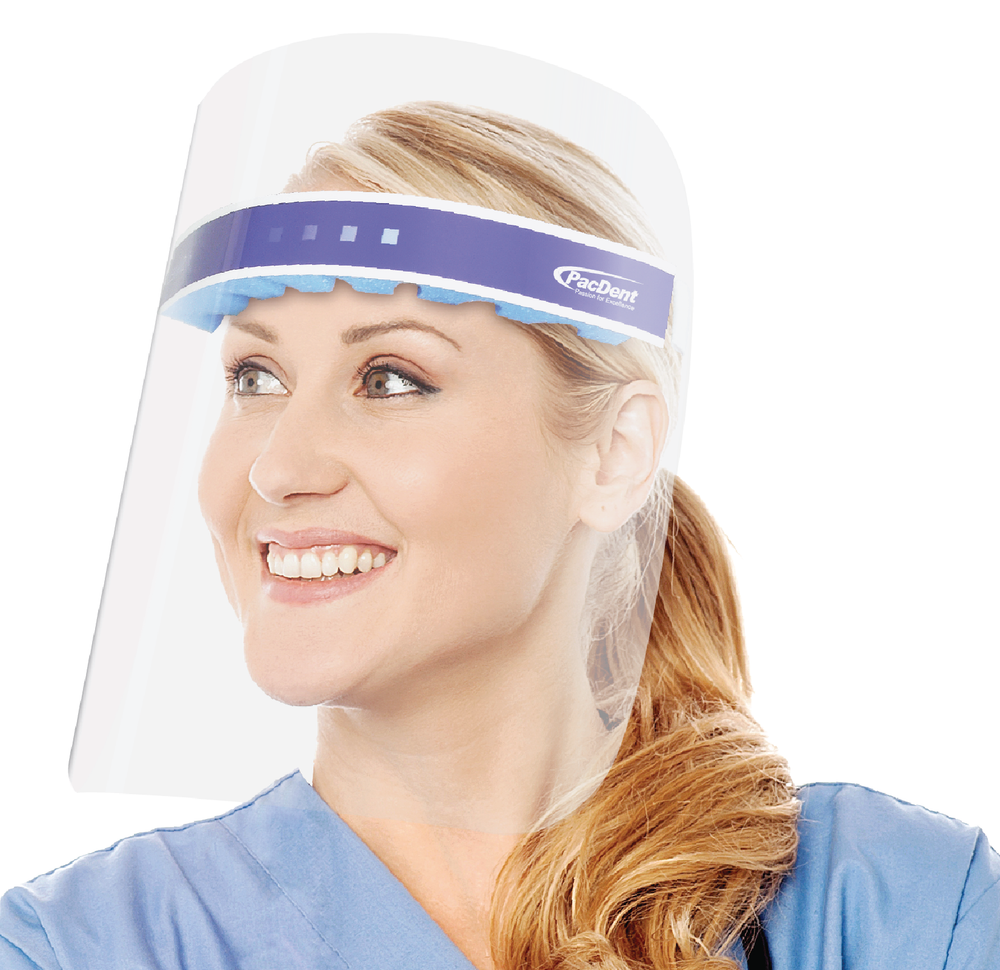
Pack
38
24$86.60
38$137.11
The Pac-Dent Disposable face shields, vented, 24/pk is a dental product supplied by Pac-Dent for dental infection control. Catalog code S024.
Pac-Dent Disposable Vented Face Shields is a face shield from Pac-Dent.
This page carries 2 pack options: 24, 38.
Find it on our Gloves, Masks & Apparel shelf, under Face Shields & Eyewear.
Orders placed before 3 PM ET ship the same day when the item is on our shelf (otherwise within 3 business days), and ground shipping is free over $10.
Product
- Manufacturer
- Pac-Dent
- Manufacturer #
- S026
- Item code
- 103-0331
Catalog path
- Marketplace
- Clinical
- Category
- Gloves, Masks & Apparel
- Subcategory
- Face Shields & Eyewear
Ordering
- Status
- Ships in 3 business days
More from Face Shields & Eyewear
Stocked in the same subcategory.


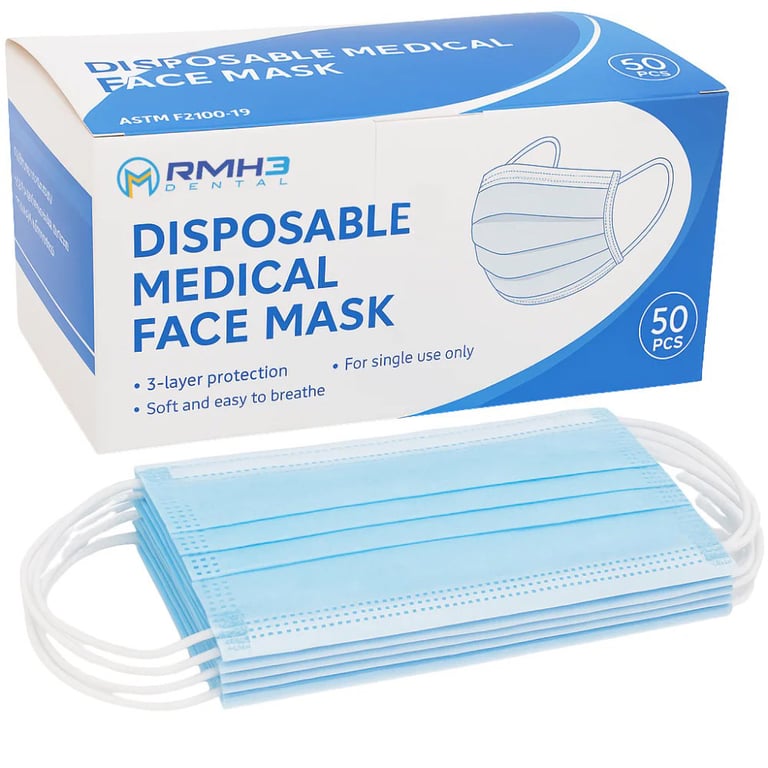

RMH3 Dental
Blue Disposable Isolation Gowns, One Size Fits All (Regular/Large) — 50/Case
In stock
111 sold this month$25.58


Questions
What is Pac-Dent Disposable Vented Face Shields used for?
The Pac-Dent Disposable face shields, vented, 24/pk is a dental product supplied by Pac-Dent for dental infection control.
Which pack options are on this page?
This page carries 2 pack options: 24, 38. Pick one to see its price, part number and stock.
When does it ship?
In-stock orders placed before 3 PM ET ship the same day; anything not on our shelf ships within 3 business days.Ground shipping is free over $10.
About face shields
A face shield is used as an alternative to goggles for infection control, and unlike goggles it also protects other parts of the face. For protection from splashes and sprays a face shield should cover the crown of the head and chin and wrap around to the ears, which helps prevent splashes getting around the edges and reaching the eyes. The bloodborne pathogens standard names chin-length face shields among the devices worn with a mask when splashes or spatter may be generated. This type also holds shields and splash guards that mount on lab equipment rather than on a person.
Eye protection is worn where there is a risk of infectious disease getting into the body through the eyes, which germs can reach through splashes, respiratory droplets or contaminated fingers. The types in use include goggles, face shields, spectacles and full facepiece respirators; regular prescription glasses and contact lenses do not provide enough protection. In dentistry the CDC describes wearing a surgical mask and eye protection with solid side shields, or a face shield, to protect the mucous membranes of the eyes, nose and mouth during procedures likely to generate splashing or spattering of blood or other body fluids. Protective eyewear for patients shields their eyes from spatter or debris generated during dental procedures.
Under the bloodborne pathogens standard, masks in combination with eye protection devices such as goggles or glasses with solid side shields, or chin-length face shields, are worn whenever splashes, spray, spatter or droplets of blood may be generated. The OSHA eye and face protection standard covers hazards from flying particles, liquid chemicals, acids or caustic liquids and chemical gases or vapours, and calls for side protection where there is a hazard from flying objects. Protective eye and face devices must comply with a recognised consensus standard for eye and face protection and be distinctly marked so the maker can be identified (29 CFR 1910.133). Reusable facial protective equipment, such as clinician or patient eyewear and face shields, is cleaned with soap and water and, if visibly soiled, cleaned and disinfected between patients.
How face shields and protective eyewear differ
- Face Shields & Screens — Covers the face as well as the eyes, and is used in place of goggles. A face shield may not fit over some respirators.
- Eyewear — Sits on the eyes themselves: goggles seal around the eyes and brow, spectacles do not give the same splash protection. Goggles or spectacles may not fit well with certain half-face respirators.
What to look at when choosing eye and face protection
Coverage: goggles protect the eyes only, while a face shield that covers the crown of the head and chin and wraps around to the ears also protects the rest of the face.
Fit and comfort: eye protection must be comfortable, give good peripheral vision and fit securely, and employers may need to offer various styles and sizes. The choice depends on exposure risks, the other protective equipment in use and individual vision needs.
Prescription lenses: many safety goggles and non-prescription safety glasses fit comfortably over prescription eyewear, and prescription inserts can be used with goggles. Prescription safety glasses with side protection are available but do not offer as much splash protection as goggles, and contact lenses alone do not provide infection control protection. The OSHA standard requires staff who wear prescription lenses during work involving eye hazards to wear eye protection that incorporates the prescription, or that can be worn over the prescription lenses.
Reuse: eye protection is typically not disposable and must be disinfected before reuse, and ideally each worker has their own. The FDA notes that some protective eyewear such as goggles may be reused if the decontamination methods in the product labelling are followed.
Removal: eye protection is taken off by handling only the parts that secure it to the head, because the front and sides are the surfaces most likely to be contaminated by sprays or droplets.
Sources: CDC NIOSH: Eye Protection for Infection Control · CDC: Guidelines for Infection Control in Dental Health-Care Settings, 2003 (MMWR 52(RR-17)) · OSHA 29 CFR 1910.1030, Bloodborne pathogens · OSHA 29 CFR 1910.133, Eye and face protection · FDA: Questions About Personal Protective Equipment (PPE)
