


Pac-DentShips in 3 business days
Pac-Dent Curing Light Sleeves with Paper Backing, 100/Box · BluePhase
SKU 103-2380MFR# CL-102
The Pac-Dent Curing light sleeve with paper backing, Fits Elipar S10, Paradigm, Paradigm DeepCure, Compares to... is a dental infection-prevention product supplied by Pac-Dent for surface and equipment barrier protection in the dental operatory. Catalog code CL-101.
Product
- Manufacturer
- Pac-Dent
- Manufacturer #
- CL-102
- Item code
- 103-2380
Catalog path
- Marketplace
- Clinical
- Category
- Infection Control
- Subcategory
- Surface Barriers
Ordering
- Status
- Ships in 3 business days
More from Surface Barriers
Stocked in the same subcategory.


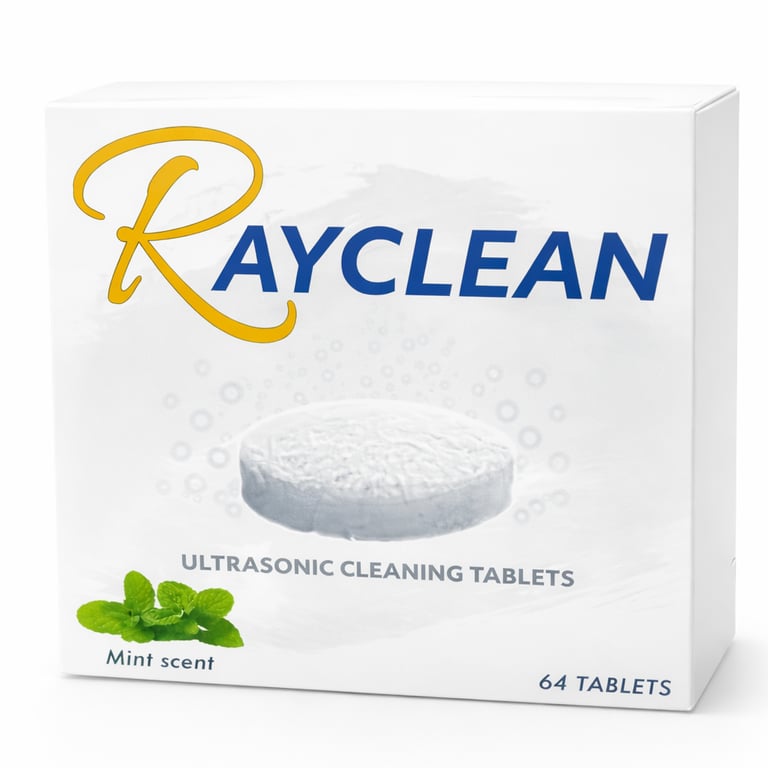
RMH3 Dental
RayClean Ultrasonic Bio-Enzymatic Cleaning Tablets, 64/Box
In stock
413 sold this month$18.00

RMH3 Dental
Barrier Film, 4" × 6" with Nonstick Edge — 1200/Roll
In stock
383 sold this monthfrom $7.55


Questions
What is it used for?
The Pac-Dent Curing light sleeve with paper backing, Fits Elipar S10, Paradigm, Paradigm DeepCure, Compares to... is a dental infection-prevention product supplied by Pac-Dent for surface and equipment barrier protection in the dental operatory.
Which fits options are on this page?
This page carries 9 fits options: Elipar S10, Paradigm, Paradigm DeepCure, BluePhase, SmartLite Max, Valo Cordless, BluePhase G2, BluePhase 20i, Valo Grand Cordless, Valo, Valo Grand and 1 more. Pick one to see its price, part number and stock.
How many come in a pack?
100 per pack; the price shown is per pack.
When does it ship?
In-stock orders placed before 3 PM ET ship the same day; anything not on our shelf ships within 3 business days.Ground shipping is free over $10.
About digital sensor and x-ray barriers
Digital radiography sensors are considered semicritical and should be protected with an FDA-cleared barrier to reduce contamination during use. A semicritical item that cannot tolerate heat sterilization or high-level disinfection is, at a minimum, protected with an FDA-cleared barrier and then cleaned and disinfected with an EPA-registered hospital disinfectant with intermediate-level activity between patients. Use of a barrier does not always protect from contamination: one study found that a brand of plastic barriers used on digital radiography sensors failed at a substantial rate of 44%, dropping to 6% when latex finger cots were used with the barrier. For film, FDA-cleared film barrier pouches are used, and the film packet is removed from the pouch carefully to avoid contaminating the outside of the packet.
Clinical contact surfaces are the surfaces in the operatory that are likely to be contaminated by direct spray or spatter during treatment, or by contact with contaminated gloved hands. CDC asks that clinical contact surfaces be barrier protected or cleaned and disinfected between patients, and that barriers be used in particular on surfaces that are difficult to clean. When a surface cannot be cleaned adequately, it should be protected with barriers.
Barriers include clear plastic wrap, bags, sheets, tubing and plastic-backed paper or other materials impervious to moisture. Because such coverings can become contaminated, they are removed and discarded between patients while staff are still gloved; the surface underneath is then examined and only cleaned and disinfected if contamination is evident.
How the types of surface barrier differ
- Digital Sensor & X-Ray Barriers — The radiograph equipment itself, such as the tubehead and control panel, is protected with surface barriers that are changed after each patient.
- Digital sensor barriers — Goes on the sensor, which comes into contact with mucous membranes and is considered a semicritical device.
- Instrument & Syringe Sleeves — Tubing-shaped barriers for the handles and dental unit attachments.
- Air-water syringe sleeves — Sized for the air-water syringe rather than for a handpiece hose or an evacuator handle.
- Chair Covers — Covers the chair and the switches on it.
- Chair & Headrest Covers — A cover for the chair and its headrest, removed and discarded between patients.
- Light Handle Covers — A barrier on the light handles, changed between patients.
- Barrier Film — Clear plastic wrap, the first of the barrier materials CDC lists.
- Tray sleeves — A bag-type barrier, removed and discarded between patients.
- Tray & Surface Wrap — Wrap and sheet material rather than the tubing-shaped barriers.
- Equipment & Device Barriers — Barrier protection reaches equipment as well as surfaces.
What to look at when choosing a surface barrier
FDA clearance: a semicritical item that cannot be reprocessed by heat sterilization or high-level disinfection is, at a minimum, barrier protected with an FDA-cleared barrier to reduce gross contamination during use.
Fit: barriers are aimed at the surfaces that are difficult to clean, and the CDC examples are switches on dental chairs and computer equipment. On a waterline-attached handle the barrier has to be impervious, and it is changed after each use.
What happens after: the surface under the barrier is examined once the barrier is off, and cleaned and disinfected only if contamination is evident.
The alternative: a clinical contact surface that is not barrier-protected is cleaned and disinfected with an EPA-registered hospital disinfectant after each patient, intermediate-level if visibly contaminated with blood.
Disposal: used environmental barriers that covered equipment during treatment are general medical waste and can go out with ordinary waste.
Sources: CDC: Best Practices for Environmental Infection Prevention and Control · CDC: Sterilization and Disinfection (Summary of Infection Prevention Practices in Dental Settings) · CDC: Guidelines for Infection Control in Dental Health-Care Settings — 2003 (MMWR RR-17) · ADA Oral Health Topics: Infection Control and Sterilization
