


Grit
Medium
Size
5 lb
The Keystone Pumice Coarse - 5 Lb. (#0 3/4) is a dental product supplied by Keystone for dental use. Catalog code 1700010.
Keystone Pumice is a pumice from Keystone Industries.
This page carries 4 grit options: Flour, Fine, Medium, Coarse. This page carries 3 size options: 5 lb, 25 lb, 50 lb.
Find it on our Abrasives, Buffs & Brushes shelf, under Polishing Compounds & Accessories.
Orders placed before 3 PM ET ship the same day when the item is on our shelf (otherwise within 3 business days), and ground shipping is free over $10.
Product
- Manufacturer
- Keystone Industries
- Manufacturer #
- 1700009
- Item code
- 010-1483
Catalog path
- Marketplace
- Laboratory
- Category
- Abrasives, Buffs & Brushes
- Subcategory
- Polishing Compounds & Accessories
Ordering
- Status
- Ships in 3 business days
More from Polishing Compounds & Accessories
Stocked in the same subcategory.


Keystone Industries
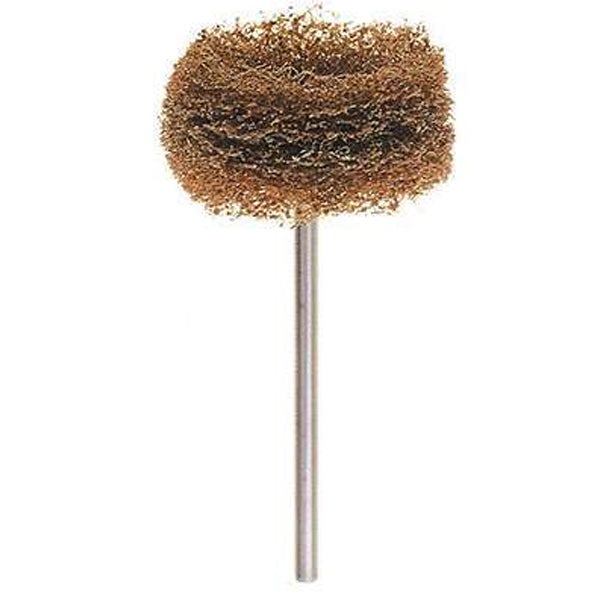
Keystone Scotch-Brite Miniature Brushes — 12/Pack
In stock
307 sold this monthfrom $18.82


Questions
Which grit and size options are on this page?
This page carries 4 grit options: Flour, Fine, Medium, Coarse. This page carries 3 size options: 5 lb, 25 lb, 50 lb. Pick one to see its price, part number and stock.
When does it ship?
In-stock orders placed before 3 PM ET ship the same day; anything not on our shelf ships within 3 business days.Ground shipping is free over $10.
About pumice
Pumice is a type of volcanic glass used as an abrasive, prepared in various grits. In one published sequence denture acrylic was first polished with pumice on a wet felt cone.
A polishing agent is any material used to give lustre to a surface. Polishing is making a denture or casting smooth and glossy.
One published sequence for denture acrylic polishes first with pumice on a wet felt cone and then with rouge on a soft cloth wheel.
How polishing paste, pumice and rouge differ
- Polishing Paste — A ready-mixed polishing agent.
- Pumice — The abrasive for the first shine.
- Rouge & Tripoli — Rouge is for the final high lustre.
What to look at when choosing a polishing compound
The step: pumice comes before rouge in the published sequence.
Surface: 0.2 micrometres of roughness is considered the threshold for a clinically acceptable restoration.
Dust: the CDC names grinding and polishing castings and porcelain among the laboratory steps that put dust in the air.
Sources: The Glossary of Prosthodontic Terms, 9th edition (J Prosthet Dent 2017) · Rao et al. 2015, Surface roughness of three heat-cured acrylic denture base resins with different conventional lathe polishing techniques (J Indian Prosthodont Soc) · Does Sterilization Affect the Performance of Single-Step Resin Composite Polishers? (Dent J 2023) · CDC, Silicosis in Dental Laboratory Technicians, Five States, 1994-2000 (MMWR 53(09))
