


Pack
100
100$16.80
1000$114.25
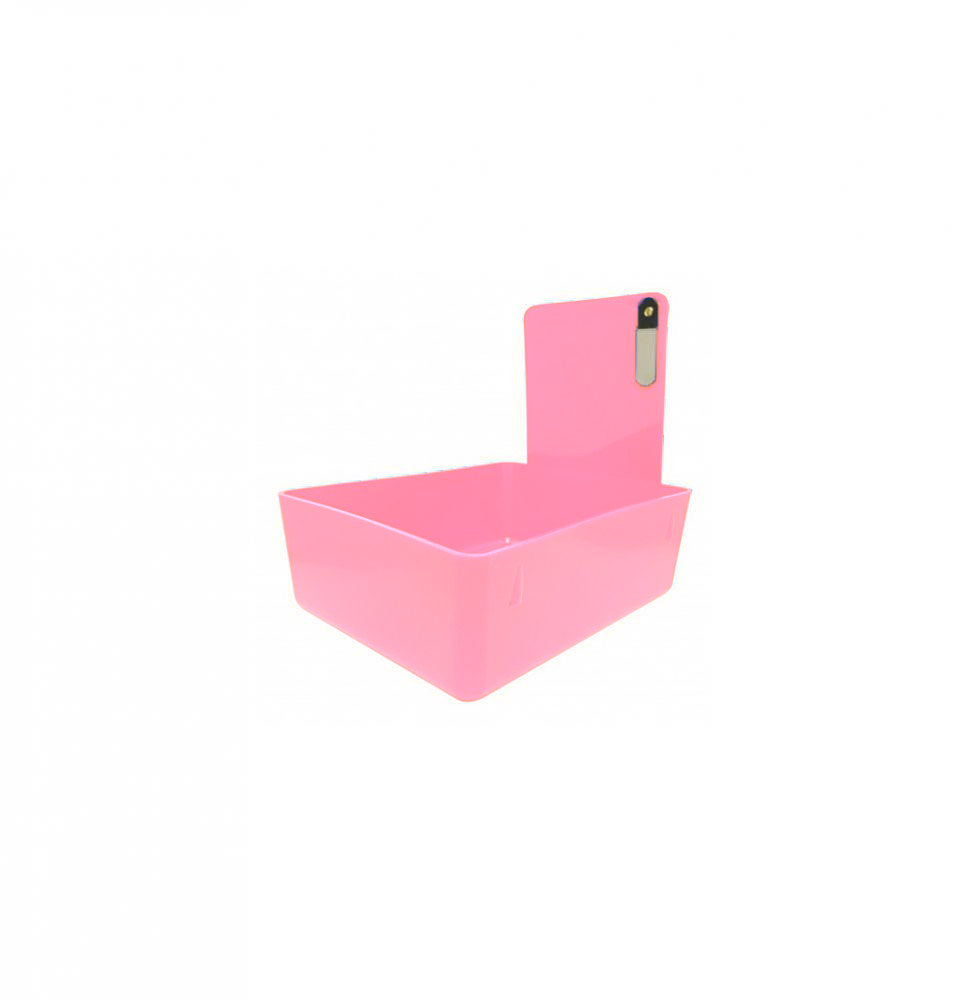
The Keystone Alert Bag 1000Ea is a dental product supplied by Keystone for dental use. Catalog code 9557520.
Keystone Alert Bags is a bags & carrying case from Keystone Industries.
This page carries 2 pack options: 100, 1000.
Find it on our Packaging & Case Delivery shelf, under Storage & Organization.
Orders placed before 3 PM ET ship the same day when the item is on our shelf (otherwise within 3 business days), and ground shipping is free over $10.
Product
- Manufacturer
- Keystone Industries
- Manufacturer #
- 9557510
- Item code
- 010-2505
Catalog path
- Marketplace
- Laboratory
- Category
- Packaging & Case Delivery
- Subcategory
- Storage & Organization
Ordering
- Status
- Ships in 3 business days
More from Storage & Organization
Stocked in the same subcategory.




Questions
What is Keystone Alert Bags used for?
The Keystone Alert Bag 1000Ea is a dental product supplied by Keystone for dental use.
Which pack options are on this page?
This page carries 2 pack options: 100, 1000. Pick one to see its price, part number and stock.
When does it ship?
In-stock orders placed before 3 PM ET ship the same day; anything not on our shelf ships within 3 business days.Ground shipping is free over $10.
About bags and carrying cases
Bags and carrying cases on this shelf hold items while they are carried or sent. When a laboratory case is sent off-site, the CDC says written information on how the material was cleaned and disinfected should go with it.
This shelf holds organizers, disposable inserts and bags that keep the small items of one case or one procedure together. It is a small shelf, with only a few pages.
How the types differ
- Case organizers — Keeps items in order at the bench or chair.
- Bags and carrying cases — Holds items in transit.
What to look at when choosing
Reusable or disposable: the shelf carries both reusable organizers and disposable inserts. For laboratory items used on contaminated material, the CDC gives three routes: heat-sterilise, disinfect between patients, or use disposable items and discard them.
Cleaning: items that do not normally touch the patient but often become contaminated are cleaned and disinfected between patients, following the maker's instructions.
Sources: CDC, Guidelines for Infection Control in Dental Health-Care Settings, 2003 (MMWR 52 RR-17)
