


Size
30 mL (1 oz)
30 mL (1 oz)$139.50
10 mL$48.75
Dentonics Formo-Cresol is an endodontic solution intended for canal preparation. Its composition includes 48.5% formaldehyde, 48.5% cresol, and 3% glycerine, providing antiseptic and fixative properties for use in root canal procedures.
This formulation is supplied in a 1 oz (30 ml) bottle. This standard volume is suitable for dental professionals requiring a liquid medicament for intracanal disinfection and tissue fixation during endodontic treatment.
Product
- Manufacturer
- Dentonics
- Manufacturer #
- 12-660
- Item code
- 113-0005
Catalog path
- Marketplace
- Clinical
- Category
- Endodontics
- Subcategory
- Medicaments & Canal Prep
Ordering
- Status
- In stock
More from Medicaments & Canal Prep
Stocked in the same subcategory.
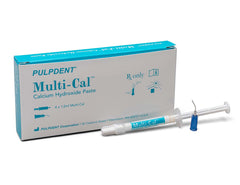
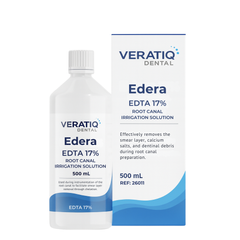
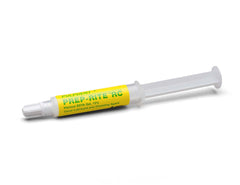
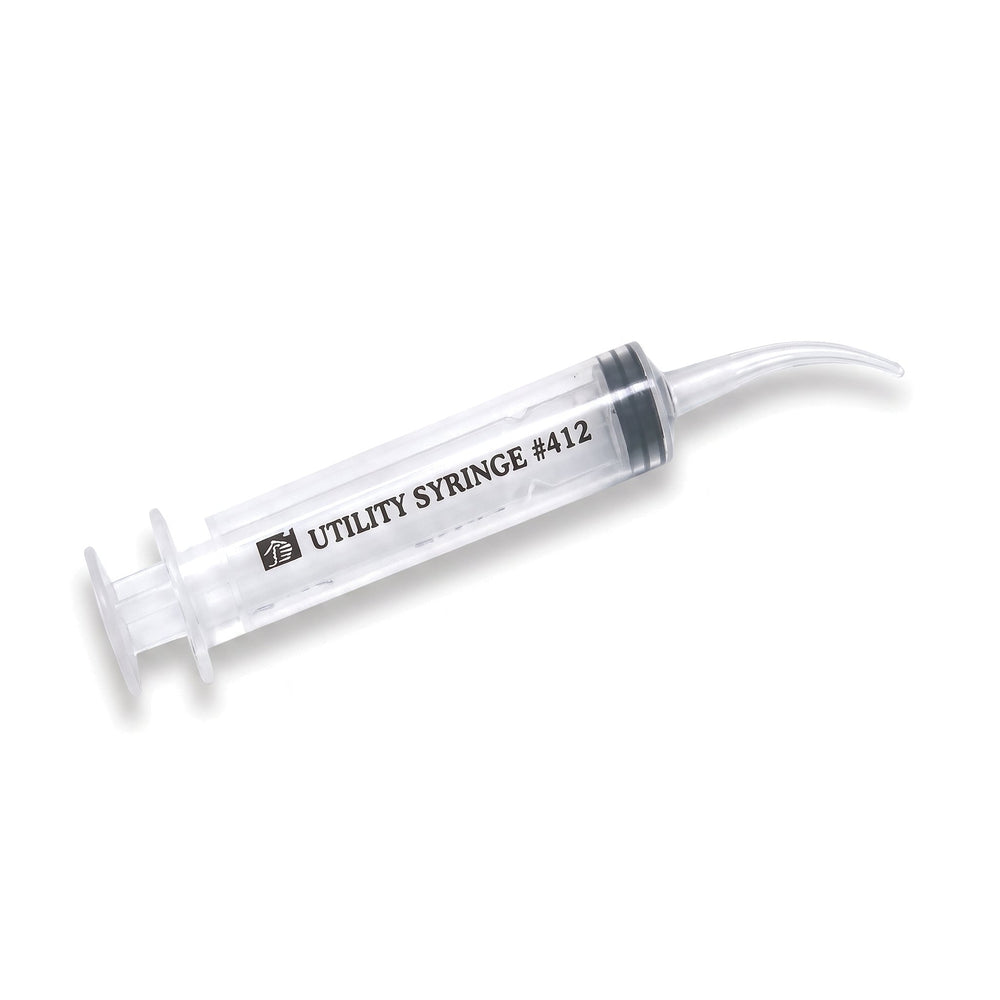


Questions
What is Dentonics Formo-Cresol used for?
Dentonics Formo-Cresol is an endodontic solution intended for canal preparation.
Which size options are on this page?
This page carries 2 size options: 30 mL (1 oz), 10 mL. Pick one to see its price, part number and stock.
When does it ship?
In-stock orders placed before 3 PM ET ship the same day; anything not on our shelf ships within 3 business days.Ground shipping is free over $10.
About intracanal medicaments
Among the medicaments available, calcium hydroxide has been the standard one in endodontic retreatment, for its antimicrobial properties and its ability to eliminate bacterial endotoxins. Its high pH makes the canal alkaline, which disrupts bacterial cell membranes and denatures proteins, and the review calls it highly effective against a broad spectrum of microorganisms. It has limits: it does not eradicate bacteria deep in the dentinal tubules, and its low solubility limits how far it penetrates places such as lateral canals. Chlorhexidine is used with it or in its place: in gel form its viscosity helps it stay in the canal, while the calcium hydroxide keeps its role as a barrier material.
An intracanal medicament is placed in the canal to act on what is left in it; disinfection combines mechanical debridement with these medicaments. The canal preparation materials beside them are the gels and solutions used while the canal is being shaped.
During instrumentation a smear layer forms on the canal walls, which may get in the way of disinfection. EDTA removes it by chelating the calcium in the inorganic part of dentine, and is used as a final rinse together with sodium hypochlorite, which deals with the organic part.
How medicaments, chelating agents and canal prep gels differ
- Medicaments — Left in the canal between visits, rather than rinsed through it. A paste is placed with a syringe, a rotary spiral or a purpose-made carrier.
- EDTA & Chelating Agents — Works on the inorganic part of the smear layer, where hypochlorite works on the organic part.
- Canal Prep Gels & Lubricants — Thick enough to stay where it is put, rather than running through the canal. One study reported the solution forms diffusing better than the viscous gels.
What to look at when choosing a medicament or canal prep material
Placement: one study found a purpose-made paste carrier left a denser fill of calcium hydroxide than a syringe with a finger spreader or a syringe with a rotary spiral.
Getting it out again: the difficulty of removing a medicament from the canal before filling has been reported to work against the result of treatment.
Form: the same active material can come as a paste in a syringe, a powder to mix, a solution or a gel.
Sources: Effectiveness of calcium hydroxide as an intracanal medicament in endodontic retreatment, 2025 (J Conserv Dent Endod) · Comparative Evaluation of Smear Layer Removal Efficacy of EDTA Gel Versus Solution With Sonic Activation, 2026 (Cureus) · Intracanal placement of calcium hydroxide: a comparison of a specially designed paste carrier technique with other techniques, 2013 (BMC Oral Health) · Comparative evaluation of irrigant activation devices for removal of calcium hydroxide, 2026 (BMC Oral Health)
