

Home
Clinical
Lab Burs & Rotary
Carbide Burs
Laboratory Carbides
Buffalo Dual Cut HP Carbide Burs, 3/32" Shank
Home
Laboratory
Lab Burs & Rotary
Carbide Burs
Laboratory Carbides
Buffalo Dual Cut HP Carbide Burs, 3/32" Shank
View all 93




Long handling time

Buffalo DentalLong handling time
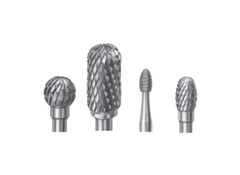
Buffalo Dual Cut HP Carbide Burs, 3/32" Shank · Small Inverted Cone (71G)
SKU 055-0198MFR# 18090
$7.43
· Long handling time
Shape
Small Inverted Cone (71G)
Taper Fissure (31P)$7.43
Fissure (32P)$7.43
X-Small Cylinder (33C)$7.43
Small Inverted Cone (71G)$7.43
Barrel (88A)$10.87
Cone (82T)$10.87
Cylinder (83E)$10.87
Egg/Oval (52C)$10.87
Small Egg/Oval (52R)$10.87
Flame (81A/61A)$10.87
Inverted Cone (73C)$10.87
Pear (53A)$10.87
Round (52D)$10.87
Small Round (54D)$10.87
Taper (84T)$10.87
Flame (63B)$10.87
Small Flame (51A)$10.87
Small Cone (41P)$10.87
Small Cylinder (44C)$10.87
The Small Inverted Cone (71G) Dual Cut Regular HP Carbide Bur is a dental laboratory HP carbide bur supplied by Buffalo. It is designed for use in a laboratory handpiece for cutting, trimming, and finishing dental work.
Product
- Manufacturer
- Buffalo Dental
- Manufacturer #
- 18090
- Item code
- 055-0198
Catalog path
- Marketplace
- Clinical · Laboratory
- Category
- Lab Burs & Rotary
- Subcategory
- Carbide Burs
Ordering
- Status
- Long handling time
More from Carbide Burs
In stock in the same subcategory. Not the same product — check the specs before you swap.


Questions
What is it used for?
The Small Inverted Cone (71G) Dual Cut Regular HP Carbide Bur is a dental laboratory HP carbide bur supplied by Buffalo.
Which shape options are on this page?
This page carries 19 shape options: Taper Fissure (31P), Fissure (32P), X-Small Cylinder (33C), Small Inverted Cone (71G), Barrel (88A), Cone (82T), Cylinder (83E), Egg/Oval (52C) and 11 more. Pick one to see its price, part number and stock.
When does it ship?
In-stock orders placed before 3 PM ET ship the same day. An item we don't keep on the shelf shows its own ship-by date on its page, and you can cancel it for a full refund until it ships.Ground shipping is free over $49.
About laboratory carbides
ISO 7787-2 covers the 11 most commonly used carbide cutters, which are predominantly used in the dental laboratory. In a published denture study acrylic was finished with tungsten carbide burs at 10,000 rpm before it was sanded and polished.
A dental bur is a rotary cutting device made from carbon steel or tungsten carbide. The FDA lists it as a Class I device (21 CFR 872.3240), for cutting teeth and bone and also the hard metals, plastics and porcelains that dental devices are made from. A carbide bur is one made from tungsten carbide.
The head is the cutting portion of a bur, and the shank is the part that fits into the handpiece. ISO 6360 identifies every dental rotary instrument by a 15-digit number.
How the types on this shelf differ
- Finishing Carbides — A bur made to finish a surface.
- Laboratory Carbides — Used at the bench on the metals, plastics and porcelains of dental devices, not in the mouth.
- Cross-Cut Burs — Named for its blade pattern.
- Operative Carbides — Made for cutting tooth structure, where a laboratory carbide is made for the bench.
- Diamond Burs — A shaped diamond head on its own shaft.
- Flexible Silicone Polishers — The abrasive is embedded in a flexible silicone body.
- Carbide Bur Kits — Four pages of carbide burs filed under the kits name as well.
- Specialty Carbides — Dual cut, diamond cut, jewelers and lathe carbide burs, and burs named for one material.
The shelf also files burs as specialty carbides and as kits; no source on our allowed list defines those groups, so this guide does not describe them.
What to look at when choosing a carbide bur
Head shape: the outline of the cutting edges, described from the shank to the tip.
Shank: the shaft of a bur is friction-grip or latch-type. ISO 1797 sets shank dimensions and material properties.
Size: ISO 2157 sets the nominal diameters of the working part of burs, laboratory burs, grinding instruments, diamond instruments and mandrels, and how they are designated.
Reuse: the CDC states that burs, polishing points and rag wheels used on contaminated appliances or prostheses should be heat-sterilised, disinfected between patients, or discarded.
Sources: FDA 21 CFR 872.3240, Dental bur · The Glossary of Prosthodontic Terms, 9th edition (J Prosthet Dent 2017) · ISO 13295:2007, Mandrels for rotary instruments · ISO 3823-2:2003, Rotary bur instruments, Part 2: Finishing burs · Does Sterilization Affect the Performance of Single-Step Resin Composite Polishers? (Dent J 2023) · ISO 7787-2:2020, Laboratory cutters, Part 2: Carbide laboratory cutters · Rao et al. 2015, Surface roughness of three heat-cured acrylic denture base resins with different conventional lathe polishing techniques (J Indian Prosthodont Soc) · ISO 7787-1:2016, Laboratory cutters, Part 1: Steel laboratory cutters · Comparative Analysis of Abrasive Materials and Polishing System on the Surface Roughness of Heat-Polymerized Acrylic Resins (Eur J Dent 2022) · FDA 21 CFR 872.4535, Dental diamond instrument · ISO 7711-1:2021, Diamond rotary instruments, Part 1: General requirements · ISO 1797:2017, Shanks for rotary and oscillating instruments · ISO 2157:2016, Nominal diameters and designation code numbers for rotary instruments · CDC, Guidelines for Infection Control in Dental Health-Care Settings, 2003 (MMWR 52 RR-17)
