

RMH3 Dental
RMH3 Dental Blue Disposable Isolation Gowns, One Size Fits All (Regular/Large) — 50/Case
042-0418
$25.58
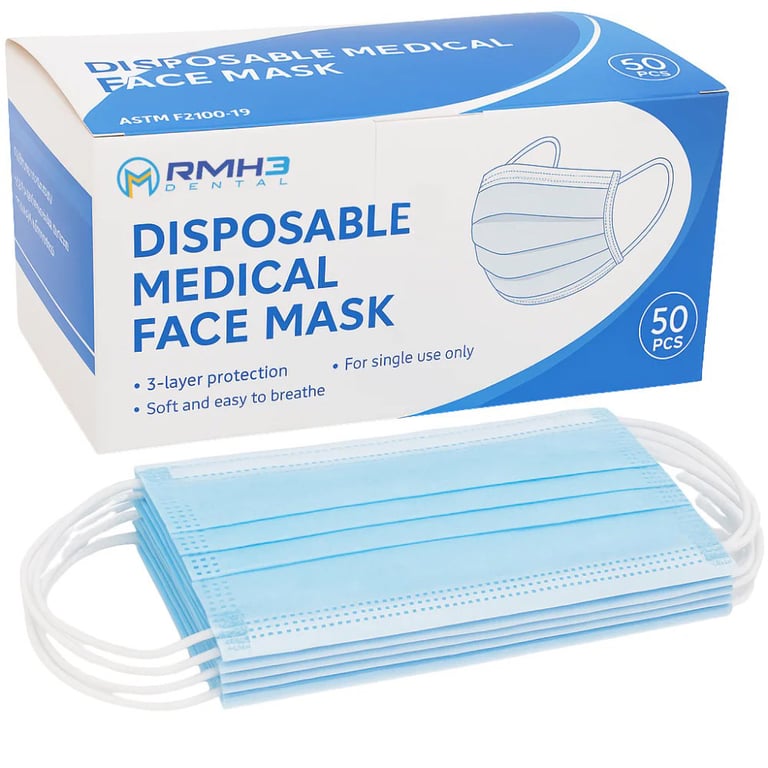
In stock in the same subcategory. Not the same product — check the specs before you swap.




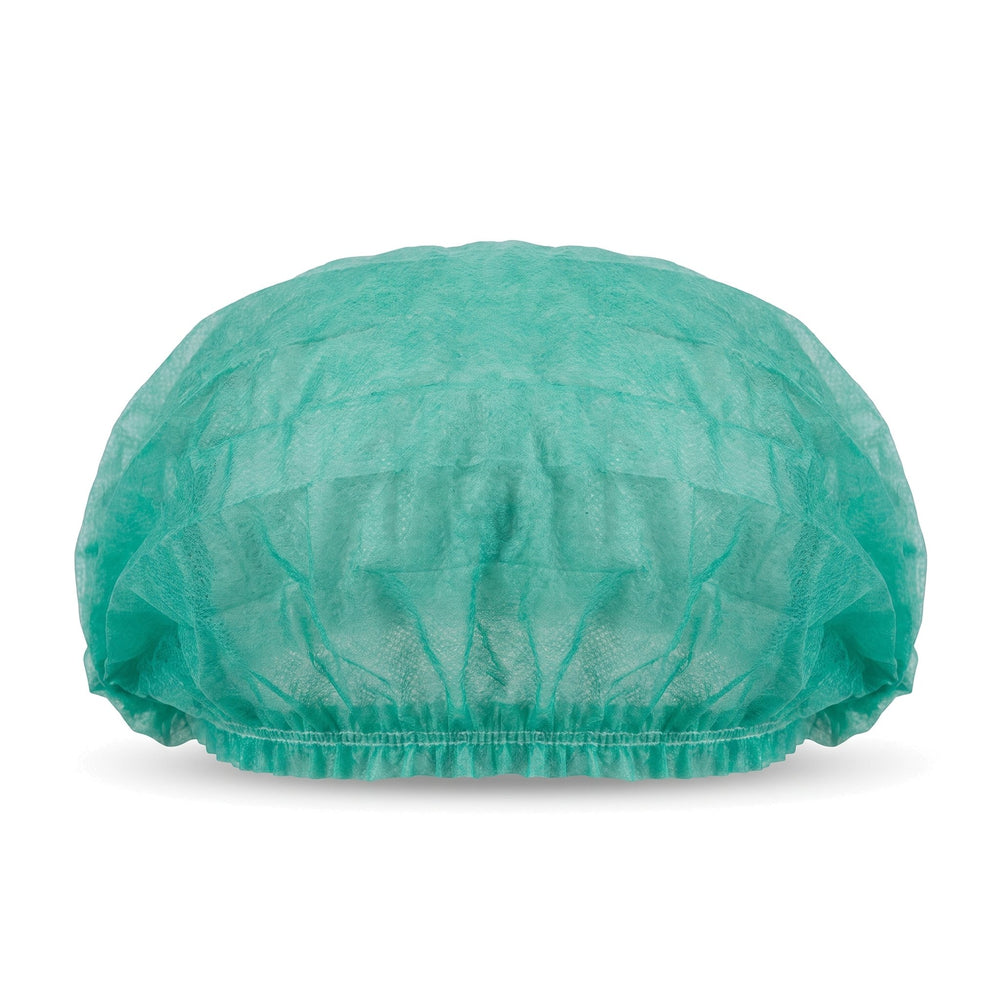
RMH3 Dental Bouffant Caps – Blue, 21", 100/Pack (RMH3 Dental item #106751) Disposable bouffant caps with double elastic strings. • 21" size; one size fits most • 10 gsm material • Double elastic strings • Blue; unisex In the package: 100 blue bouffant caps.
100 per pack; the price shown is per pack.
In-stock orders placed before 3 PM ET ship the same day; anything not on our shelf ships within 3 business days.Ground shipping is free over $10.
Surgical caps and hoods are named by the FDA among the examples of surgical apparel (21 CFR 878.4040). As surgical apparel other than gowns and masks they are Class I devices under general controls. The bloodborne pathogens standard calls for surgical caps or hoods when gross contamination can reasonably be anticipated.
Medical gowns are personal protective equipment used in health care settings to protect the wearer from the spread of disease-causing microorganisms on contact with potentially infectious liquid or solid material. They may also help prevent the wearer from transferring microorganisms that could harm vulnerable patients, and they are intended to provide broad barrier protection. Many names are used for gowns intended for health care settings: surgical gowns, isolation gowns, surgical isolation gowns, non-surgical gowns, procedural gowns and operating room gowns.
The FDA regulates surgical apparel as devices worn by operating room personnel during surgical procedures to protect both the patient and the personnel from transfer of microorganisms, body fluids and particulate material (21 CFR 878.4040). That section names surgical caps, hoods, masks, gowns, operating room shoes and shoe covers and isolation masks and gowns, and excludes surgical suits and dresses. Surgical gowns and surgical masks are Class II with special controls, and other surgical apparel is Class I under general controls.
In dentistry, protective clothing is worn to prevent contamination of street clothing and to protect the skin from exposure to blood and body substances. The bloodborne pathogens standard requires sleeves long enough to protect the forearms when the gown is worn as protective equipment. Protective clothing is changed when it becomes visibly soiled, and as soon as feasible if penetrated by blood or other potentially infectious fluids, and is removed before leaving the work area.
Barrier level: the FDA recognises a consensus standard that classifies protective apparel and drapes by liquid barrier performance and sets the labelling requirements and test methods that go with it. Level 1 is minimal risk, for basic care, standard isolation or a cover gown for visitors, and Level 2 is low risk, for example during a blood draw or suturing. Level 3 is moderate risk, for example an arterial blood draw or inserting an intravenous line, and Level 4 is high risk, for long, fluid intense procedures and surgery.
Critical zones: on a surgical gown they are the front of the body from the top of the shoulders to the knees and the arms from the wrist cuff to above the elbow, and the back of the gown may be nonprotective. On an isolation gown every area except bindings, cuffs and hems is a critical zone that must meet the highest level the gown is rated for, and all seams must have the same liquid barrier protection as the rest of the gown.
Review path: surgical gowns and surgical isolation gowns are Class II devices that require a 510(k) premarket notification, while non-surgical isolation gowns are Class I and exempt from premarket review.
Coverage: a gown should cover as much of the body as is appropriate for the intended use. Sleeves have to be long enough to protect the forearms when the gown is worn as protective equipment.
Reuse: cloth gowns that will not be used in a sterile field can be reused if they are laundered in enzymatic detergent or according to the facility's standard operating procedures.
Sources: FDA: Medical Gowns · FDA 21 CFR 878.4040, Surgical apparel · CDC: Guidelines for Infection Control in Dental Health-Care Settings, 2003 (MMWR 52(RR-17)) · OSHA 29 CFR 1910.1030, Bloodborne pathogens
Hi. Ask about a product, shipping or returns. For an order, I'll pass you to our team.
Answers are written by AI from our catalog and policies, and can be wrong. It does not give clinical advice.
