

PulpdentSpecial order
Pulpdent ACTIVA BioACTIVE-Cement · Single, 1 x 5 mL · A2 Opaque
SKU 106-1264MFR# VC1A2
Pack
Single, 1 x 5 mL
Single, 1 x 5 mL$139.75
Value, 2 x 5 mL$263.00
Shade
A2 Opaque
A2 Opaque$139.75
Translucent$139.75
ACTIVA BioACTIVE Cement Value Pack: 2 x 5mL/7gm syringe Translucent shade, 40 automix tips (30 straight black + 10 with bendable metal cannula). Bio-responsive ionic resin cement indicated for indirect applications. Chemically bonds and seals against bacterial microleakage. Releases and recharges calcium, phosphate and fluoride.
Product
- Manufacturer
- Pulpdent
- Manufacturer #
- VC1A2
- Item code
- 106-1264
Catalog path
- Marketplace
- Clinical
- Category
- Cements & Liners
- Subcategory
- Permanent Cements
Ordering
- Status
- Special order
More from Permanent Cements
Stocked in the same subcategory.


Pulpdent
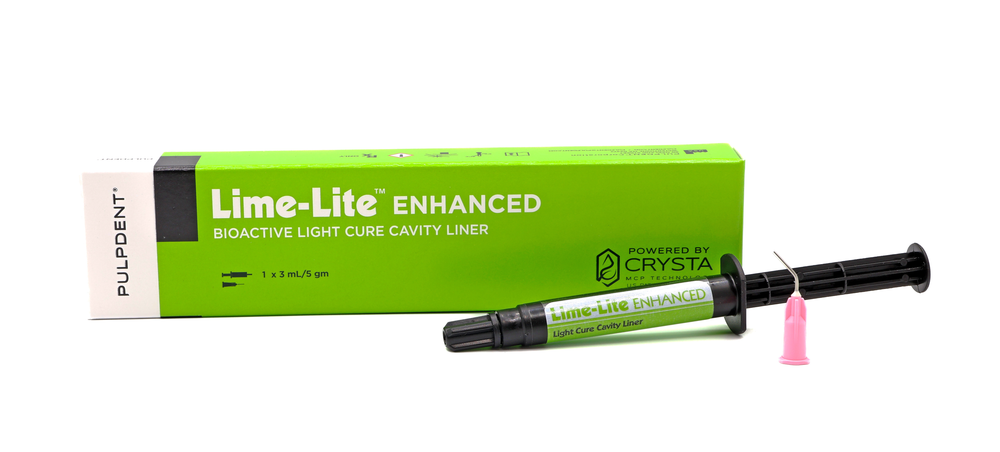
Lime-Lite Enhanced Cavity Liner, 5 g/3 mL Syringe + 20 Tips
In stock
83 sold this monthfrom $44.29



Questions
What is Pulpdent ACTIVA BioACTIVE-Cement used for?
ACTIVA BioACTIVE Cement Value Pack: 2 x 5mL/7gm syringe Translucent shade, 40 automix tips (30 straight black + 10 with bendable metal cannula).
Which shade and pack options are on this page?
This page carries 2 shade options: A2 Opaque, Translucent. This page carries 2 pack options: Single, 1 × 5 mL, Value, 2 × 5 mL. Pick one to see its price, part number and stock.
When does it ship?
In-stock orders placed before 3 PM ET ship the same day. An item we don't keep on the shelf shows its own ship-by date on its page, and you can cancel it for a full refund until it ships.Ground shipping is free over $49.
About resin cements
Resin cements are the most recent luting material developed for dentistry, and they can form a chemical bond with dentine and enamel. They divide into adhesive cements, used after the tooth is etched with phosphoric acid and an adhesive is applied, and self-adhesive cements, which call for neither step except on enamel. A self-adhesive cement carries components such as MDP that bond to the tooth and to the restoration at the same time, and a review notes that glass ceramics still need the etching and silane layer. They are also grouped as chemical-cure, light-cure or dual-cure, and a dual-cure cement holds both chemical and light initiators, so its catalyst finishes hardening the cement where light cannot reach.
A luting agent is any material used to attach or cement indirect restorations to prepared teeth. A review lists the long-term cements as zinc phosphate, zinc polycarboxylate, glass ionomer, resin-modified glass ionomer and resin cement. They fall into two families by composition, water-based and resin-based.
How the types of permanent cement differ
- Glass Ionomer & RMGI Cements — Water-based, and it releases fluoride. The resin-modified kind sets by an acid-base reaction and by polymerisation together, and ISO 9917-2 is the standard for those.
- Resin Cements — Resin-based rather than water-based, and chemically similar to composite filling material. A restoration cemented adhesively has to be sectioned to come off.
- Dental Cements — A water-based cement of this kind sets by an acidic reaction and holds the restoration without bonding to it. A crown cemented with zinc phosphate or polycarboxylate can be removed with care instead of being sectioned.
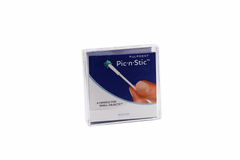
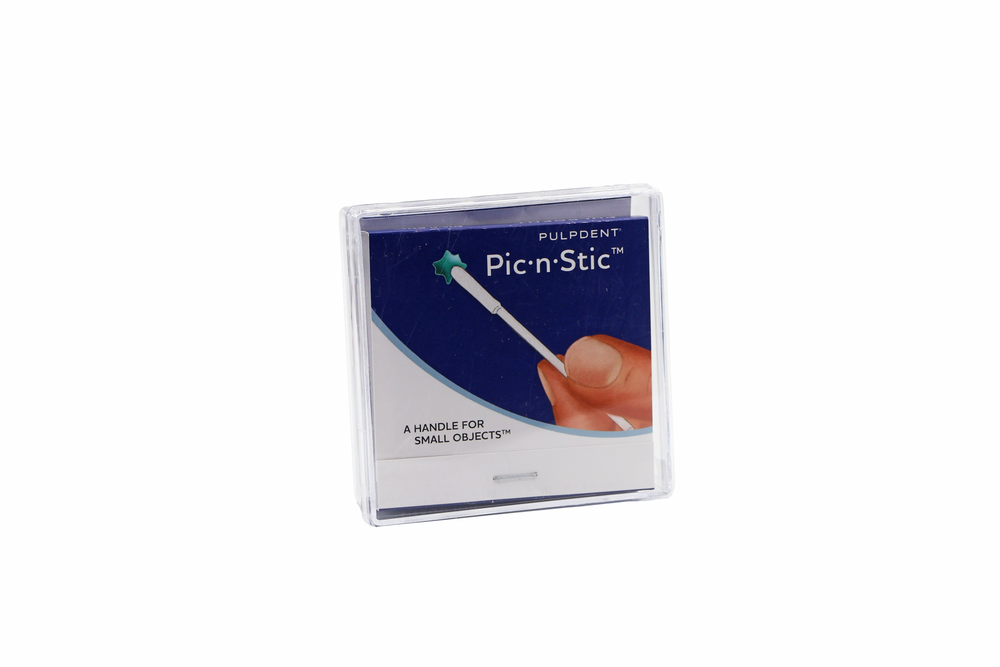
- Cement Application Accessories — Pick-up sticks, an applicator and try-in paste rather than the cement itself.
- Bases & Liners — Zinc phosphate and polycarboxylate cements that are also filed under bases and liners.
What to look at when choosing a permanent cement
Film thickness: the ADA standard for dental cements sets a maximum of 25 microns for a luting cement.
How it is supplied: these cements come hand-mixed or encapsulated for mechanical mixing. A review notes that modifying the powder-to-liquid ratio can increase the solubility of a luting agent threefold, and calls that a frequent cause of clinical failures.
Age and track record: zinc phosphate has been in use since 1878 and has high compressive strength and a reasonable working time, with high solubility in oral fluid, low tensile strength and the potential for hypersensitivity from its initially low pH among its drawbacks.
Light reaching the cement: a review reports light-cured cements being used for restorations under 1.5 mm thick that let enough light through, and the chemical cure of a dual-cure cement being what sets it under zirconia and thick ceramic. Excess cement: a review notes that removing resin cement completely from margins that are hard to reach is a problem for restorations with margins below the gum line.
Standard: ISO 4049 covers polymer-based luting materials for cementing inlays, onlays, veneers, crowns and bridges, but not those with an adhesive component inside the material. FDA class: zinc oxide-eugenol is a Class I device and dental cement other than zinc oxide-eugenol is Class II (21 CFR 872.3275).
Sources: The Glossary of Prosthodontic Terms, 9th edition (J Prosthet Dent 2017) · Heboyan et al. 2023, Dental Luting Cements: An Updated Comprehensive Review (Molecules) · ADA Oral Health Topics: Materials for Direct Restorations · ISO 9917-2:2017, Dentistry — Water-based cements — Part 2: Resin-modified cements · ISO 9917-1:2025, Dentistry — Water-based cements — Part 1: Acid-base cements · ISO 4049:2019, Dentistry — Polymer-based restorative materials · FDA 21 CFR 872.3275, Dental cement
