

S&S ScheftnerSpecial order
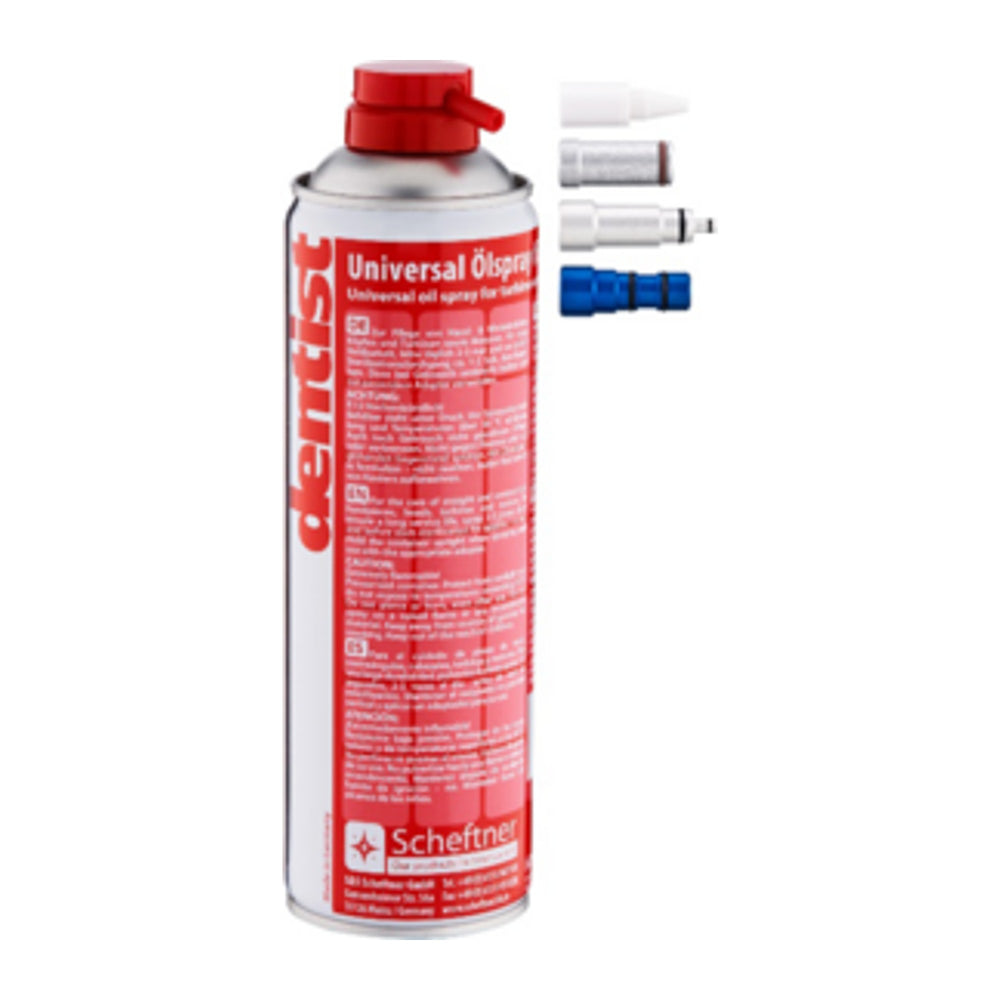
S&S Scheftner Universal Oil Spray for Turbines and Handpieces · 500 ml
SKU 119-0257MFR# 230100
Size
500 ml
500 ml$14.86
Scheftner Universal Oil Spray cleans, lubricates and maintains handpieces, heads, turbines and air motors in one step. It withstands sterilization and is compatible with disinfectants. The can is 500 ml.
What Scheftner says about it
- This product cleans, lubricates and maintains in one step.
- A daily application extends the instrument life.
- Excellent lubrication and very high cleaning effect
- Sterilization resistant
- Compatible with disinfectants
- High material compatibility
- Non-curing medical mineral oils with additives
On this page
| 500 ml | Scheftner Ref. 230100 |
|---|
Questions about this product
- What is the Universal Oil Spray used for?
- Scheftner Universal Oil Spray cleans, lubricates and maintains handpieces, heads, turbines and air motors in one step. It withstands sterilization and is compatible with disinfectants. The can is 500 ml.
- What size is the pack?
- 500 ml (Ref. 230100).
- Who makes the Universal Oil Spray?
- S&S Scheftner, a dental alloy and laboratory materials maker in Mainz, Germany.
Product
- Manufacturer
- S&S Scheftner
- Manufacturer #
- 230100
- Item code
- 119-0257
Catalog path
- Marketplace
- Clinical
- Category
- Handpieces
- Subcategory
- Parts & Maintenance
Ordering
- Status
- Special order
More from Parts & Maintenance
Stocked in the same subcategory.


Jinme Apple Dental
Jinme Gold-L Contra Angle 1:1, Push Button, Internal Water, E-Type
065-0008
$85.51


Jinme Apple Dental
Jinme A1 High Speed Turbine, Single Spray, No Light, Push Button, 4-Hole (A1-004)
In stock
12 sold this month$51.54
Jinme Apple Dental
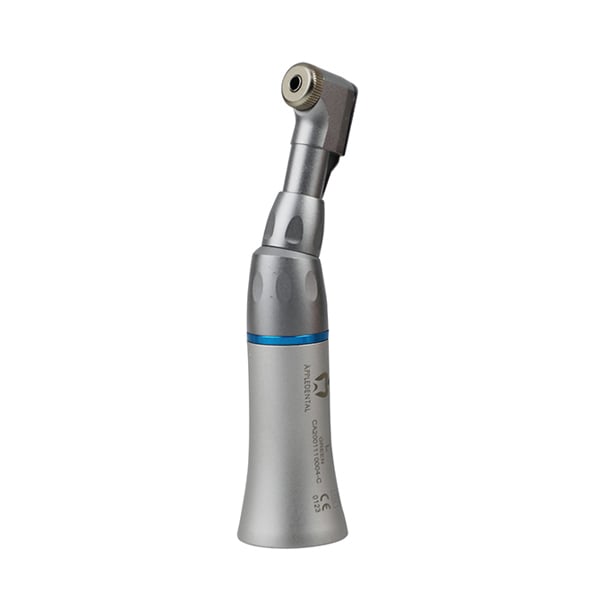
Jinme Green-L Contra Angle 1:1, Latch, External Water, E-Type
In stock
10 sold this month$24.99


Jinme Apple Dental
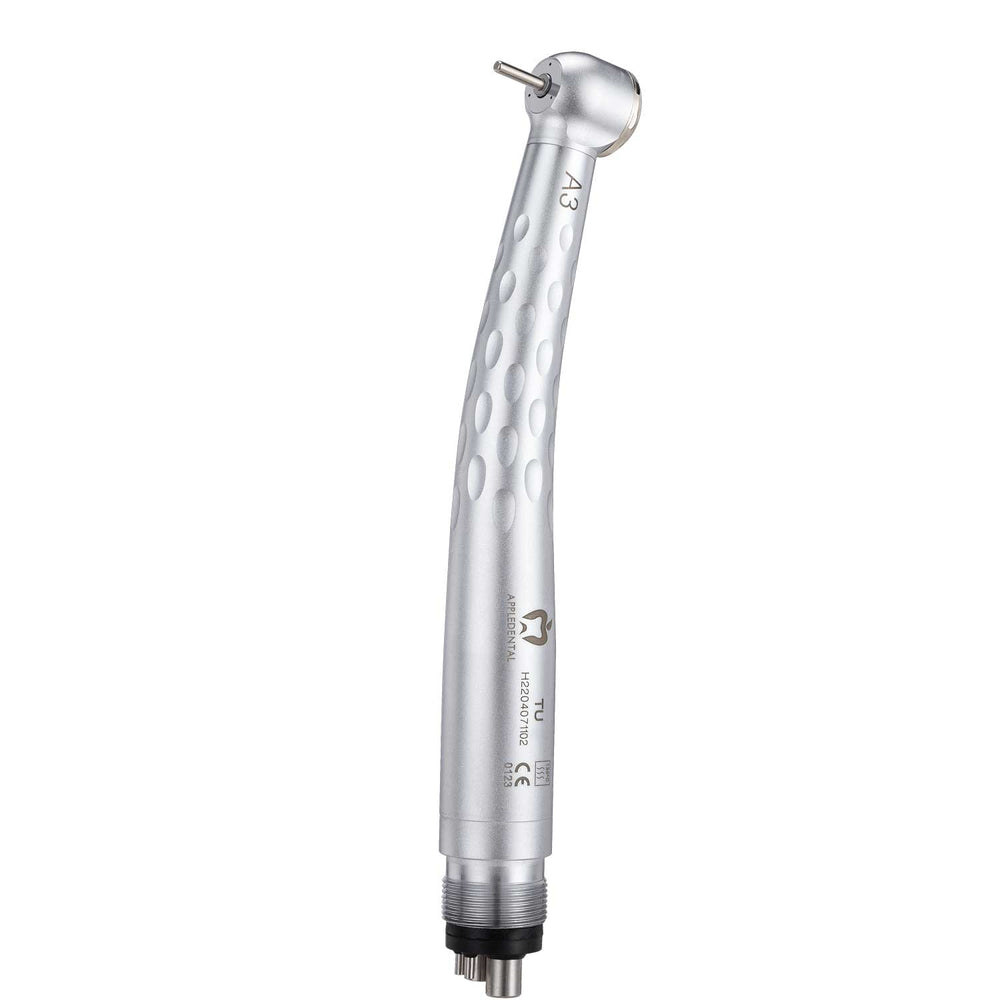
Jinme A3 High Speed Turbine, Triple Spray, Torque Head, Push Button, 4-Hole (A3-004)
In stock
$59.99
About handpiece parts, accessories and maintenance
Handpiece parts, accessories and maintenance: the attachments a handpiece takes, the lubricants and cleaners used on it, and units that clean and oil it. An automated handpiece programme runs preliminary cleaning, internal cleaning of both the spray and the drive channels, lubrication of the drive channels, external cleaning, and thermal disinfection with saturated steam at 134 °C. A study that compared manual with automated cleaning of handpieces reported better results from the automated process.
This shelf holds what keeps a handpiece running: the heads and sheaths that fit on it, its replacement parts, the couplings it hangs from, and the cleaners, lubricants and maintenance units used on it. A handpiece is a reusable invasive medical device that has to be cleaned, decontaminated, lubricated and steam sterilised after use. Its internal design is complex, with narrow channels where microorganisms and tissue debris collect during use.
The FDA counts accessories with the handpiece itself under one section, 21 CFR 872.4200. The CDC says attachments such as prophy angles and nose cones should always be heat sterilized between patients, and adds that couplers are reprocessed by the maker's validated instructions too. Manual reprocessing typically runs cleaning, lubrication, and chemical or thermal disinfection, with oil put into the gear channels by hand from an oil can.
How attachments, repair parts and couplers differ
- Handpiece Parts Accessories & Maintenance — Everything that goes on or into a handpiece in normal service, from a contra-angle head to a can of oil.
- General Repair & Replacement Parts — Spares for a handpiece that has failed, not the consumables used on one in service.
- Couplers & Quick-Disconnects — The joint between the hose and the handpiece, which is what lets one handpiece be swapped for another.
What to look at when choosing parts and maintenance
Fit: a coupling is defined by its nominal dimensions, tolerances and extraction force, so a part belongs to a fitting rather than to a handpiece in general.
Lubrication: bearings left without care run dry, and the frictional resistance rises; a lack of care also brings a risk of corrosion. Inadequate or no cleaning lets debris build up inside the handpiece, which affects the bearings and increases wear.
Why it matters: a review of ten years of reported events on overheating handpieces found more than 1,000 cases in which patients were burned, and in 80 percent of the burn cases the report mentioned debris or bearings.
Method: in the automated programme described above, only cold demineralized or distilled water is used for the cleaning steps, and the step is supported by pressurized air. One documented protocol adds a drying step with a pressure air gun before oil injection, and stands the handpiece head down afterwards for 30 minutes to let excess oil out.
Sources: Practice of quality management for dental handpiece processing based on FOCUS-PDCA programme, 2025 (PMC12587684) · FDA 21 CFR 872.4200, Dental handpiece and accessories · CDC: Best Practices for Dental Handpieces (Dental Infection Prevention and Control) · Schnieder & Seekamp-Schnieder 2024, Cleaning of dental handpieces: MAUDE database analysis and evaluation of manual and automated cleaning (JADA Found Sci) · ISO 3964-1:2026, Dentistry — Coupling dimensions for handpiece connectors, Part 1
