


RenfertShips in 3 business days
Renfert Rolloblast Glass Blasting Beads, 5 kg · 50 µm
SKU 043-0579MFR# 15941305
Grit
50 µm
100 µm$54.00
50 µm$54.00
The Renfert Rolloblast 100 M 5 Kg is a dental laboratory product from Renfert USA. Catalog code 15891005.
Renfert Rolloblast Glass Blasting Beads, 5 kg is a glass bead from Renfert.
This page carries 2 grit options: 100 µm, 50 µm.
Find it on our Abrasives, Buffs & Brushes shelf, under Sandblasting Media & Accessories.
Orders placed before 3 PM ET ship the same day when the item is on our shelf (otherwise within 3 business days), and ground shipping is free over $10.
Product
- Manufacturer
- Renfert
- Manufacturer #
- 15941305
- Item code
- 043-0579
Catalog path
- Marketplace
- Laboratory
- Category
- Abrasives, Buffs & Brushes
- Subcategory
- Sandblasting Media & Accessories
Ordering
- Status
- Ships in 3 business days
More from Sandblasting Media & Accessories
Stocked in the same subcategory.


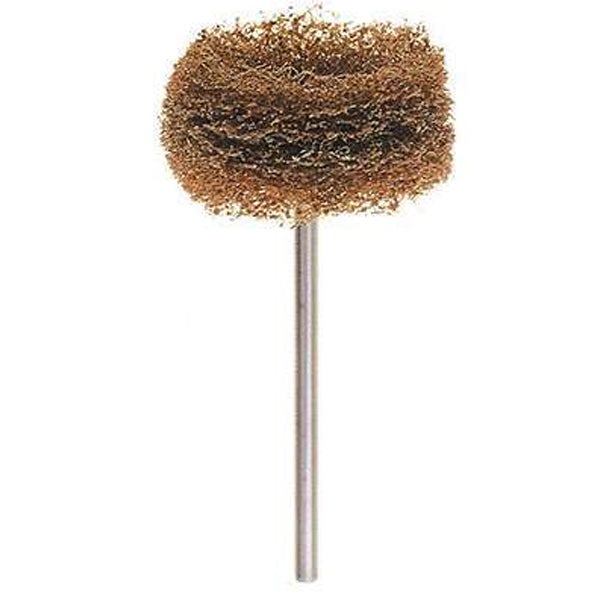
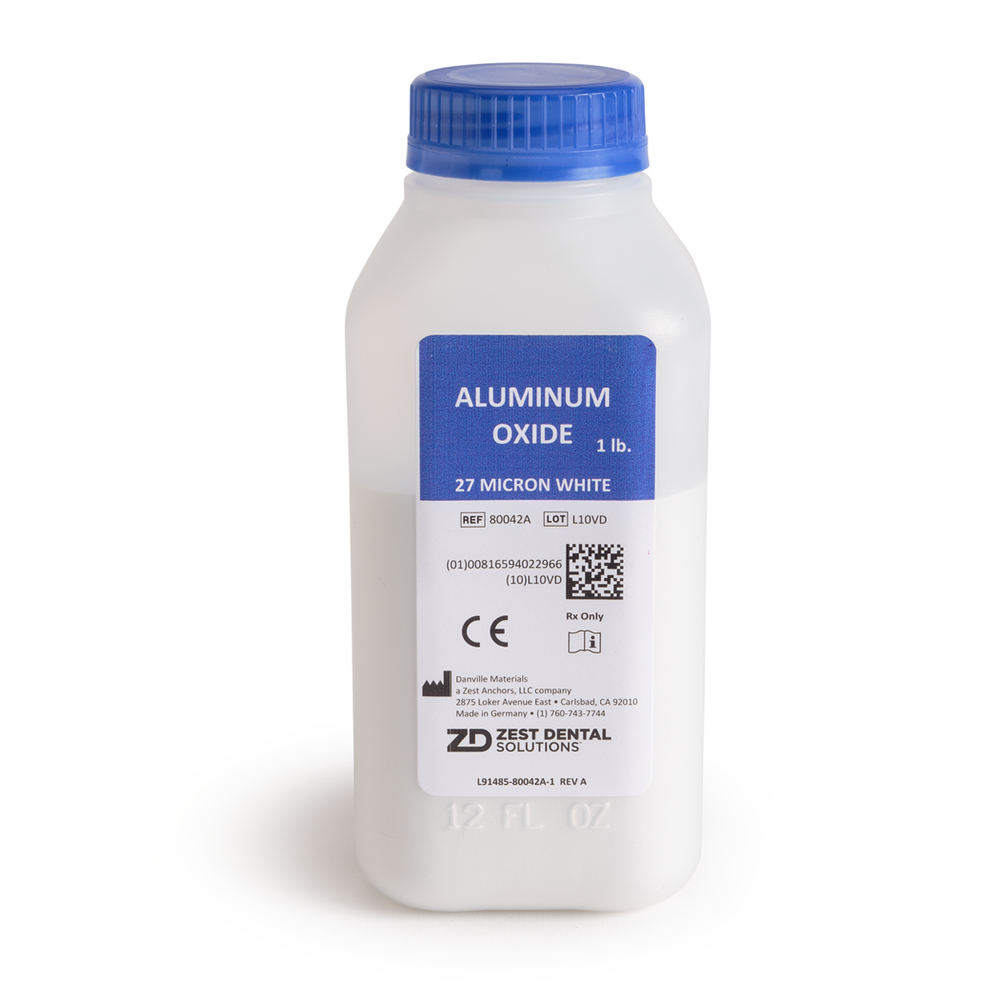
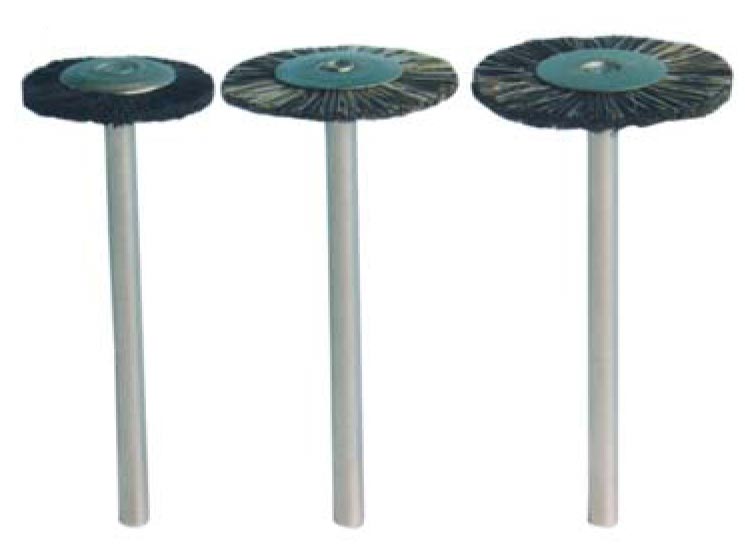
Keystone Industries
Keystone Scotch-Brite Miniature Brushes — 12/Pack
In stock
307 sold this monthfrom $18.82


Questions
What is it used for?
The Renfert Rolloblast 100 M 5 Kg is a dental laboratory product from Renfert USA.
Which grit options are on this page?
This page carries 2 grit options: 100 µm, 50 µm. Pick one to see its price, part number and stock.
When does it ship?
In-stock orders placed before 3 PM ET ship the same day; anything not on our shelf ships within 3 business days.Ground shipping is free over $10.
About glass bead blasting media
Glass beads have been suggested for air abrasion as a softer material than sharp, hard alumina. The same paper notes that alumina air abrasion leaves surface defects such as flaws, embedded alumina and microcracks.
Airborne-particle abrasion alters the surface of a material with abrasive particles propelled by compressed air or other gases. OSHA defines abrasive blasting as the forcible application of an abrasive to a surface by pneumatic pressure, hydraulic pressure or centrifugal force.
How aluminum oxide and glass beads differ
- Aluminum Oxide — Sharp and hard.
- Glass Beads — Softer than alumina.
What to look at when choosing blasting media
Particle: aluminum oxide for blasting castings is frequently 50 micrometres.
Dust: OSHA defines respirable dust as airborne dust in sizes capable of passing through the upper respiratory system to reach the lower lung passages.
Sources: The Glossary of Prosthodontic Terms, 9th edition (J Prosthet Dent 2017) · OSHA 29 CFR 1910.94, Ventilation (grinding, polishing and buffing operations) · Effect of airborne-particle abrasion protocols on surface roughness and bond strength (J Appl Oral Sci 2015) · Zirconia surface conditioning: alumina and glass-bead air abrasion compared (Sci Rep 2023)
