


Zest PrepStart Air Abrasion Unit. An air-abrasion system for minimally invasive cavity preparation and surface treatment. Catalog code 200259-00-P.
Zest PrepStart Air Abrasion Unit is an air abrasion equipment from Zest Dental Solutions, part of the PrepStart line. Manufacturer part number 200259-00-P.
Find it on our Equipment shelf, under Air Abrasion.
Orders placed before 3 PM ET ship the same day when the item is on our shelf (otherwise within 3 business days), and ground shipping is free over $49.
Product
- Manufacturer
- Zest Dental Solutions
- Manufacturer #
- 200259-00-P
- Item code
- 111-0003
- UPC / Barcode
- 200259-00-P
Catalog path
- Marketplace
- Clinical
- Category
- Equipment
- Subcategory
- Air Abrasion
Ordering
- Status
- Special order
More from Air Abrasion
Stocked in the same subcategory.

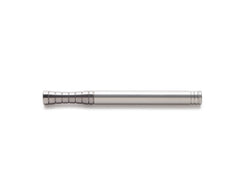


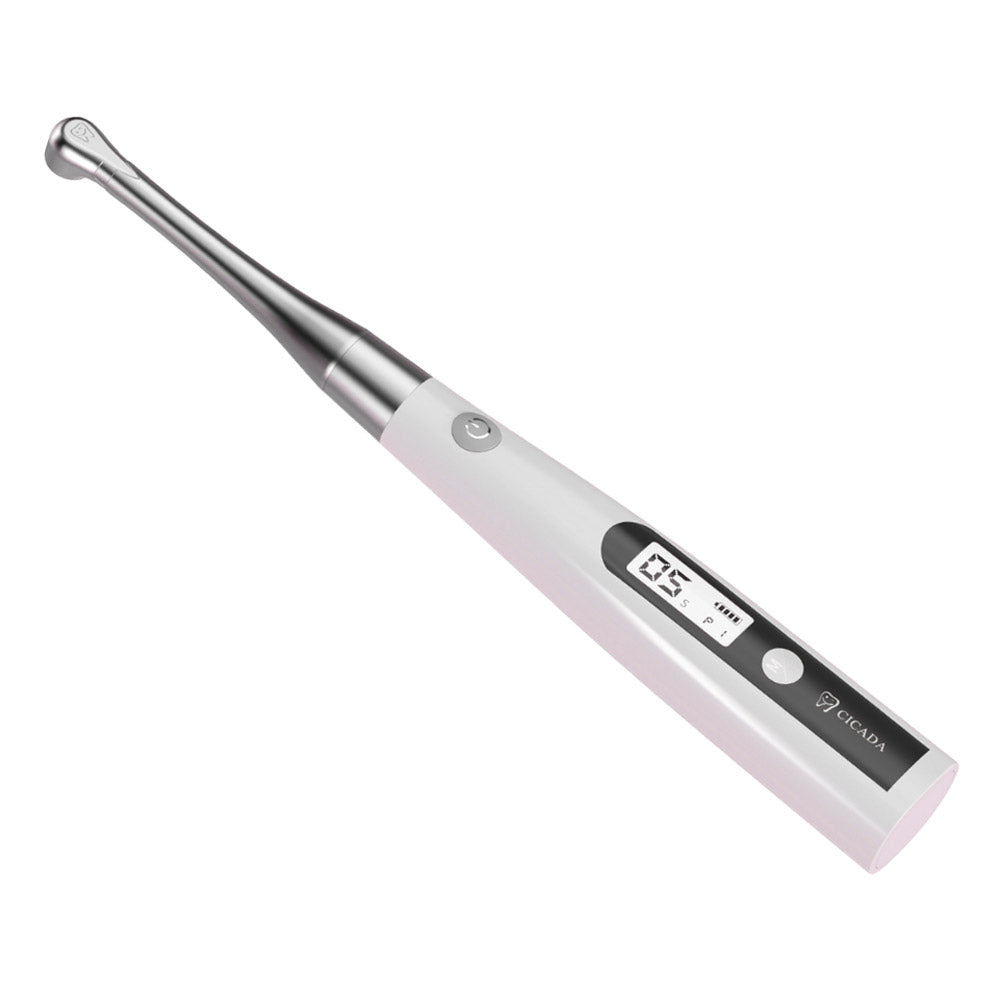


About air abrasion equipment
Air abrasion equipment is the chairside units, handpieces and nozzles that direct a stream of abrasive particles at the tooth. Air abrasion is described as reaching carious tissue and softened dentin that are often inaccessible to conventional rotary instruments. By eliminating the vibrations and high-pitched noise associated with traditional drills, the technique has been reported to enhance patient comfort. The high-pressure airflow also removes cutting debris, which reduces the smear layer on treated dentin and exposes the dentinal tubule orifices more clearly. A reported limitation is that the high-pressure air and water spray may stimulate dentinal tubules, leading to tooth sensitivity during the procedure.
Air abrasion uses compressed air to propel aluminium oxide particles in a high-velocity stream, removing tissue by converting kinetic energy into mechanical abrasion. The glossary of prosthodontic terms treats air abrasion and airborne-particle abrasion as the same term. Alumina is the most used abrasion powder and is available in grain sizes ranging from 25 to 250 microns. The FDA has a class for an airbrush: an AC-powered device that uses air-driven particles to roughen the surfaces of dental restorations, used in conjunction with articulation paper, classed as Class II with an electrical-safety standard as its special control (21 CFR 872.6080).
Cutting efficiency rises with how mineralized the tissue is: highly mineralized hard tissues are effectively abraded, while softened tissue such as necrotic debris is more elastic and buffers the particles. In the laboratory the same process is used to condition surfaces: it enhances the bond between restoration materials and cements or adhesives by roughening the surface and creating micromechanical retentive features. Powder jet handpieces are outside the scope of ISO 14457, the international standard for dental handpieces and motors.
How the two kinds of unit differ
- Air Abrasion Equipment — Points the stream at the tooth in the mouth. A narrative review places air abrasion among emerging technologies supported by promising evidence but not yet considered the standard of care.
- Sandblasting Equipment — Works on a restoration or an appliance on the bench rather than in the mouth. Grain size is chosen for the job: alumina runs from 25 to 250 microns.
- General Repair & Replacement Parts — A part fitted to the unit rather than the unit itself.
A quick disconnect and a handguard kit on this shelf also carry coupler, implant, dust-collection and face-shield tags; those types belong to other shelves.
What to look at when choosing
Powder and grain size: alumina is the usual abrasive and comes in grain sizes from 25 to 250 microns. Bioactive glass has been studied as an alternative to aluminium oxide for caries removal, because its hardness lies between that of healthy and carious dentin.
Pressure, distance and angle: precision is adjusted through air pressure, nozzle-to-surface distance and spray angle, and increasing the standoff distance dissipates kinetic energy.
Nozzles: in a study of low-pressure abrasion of a feldspar ceramic, abrasion angle and nozzle geometry altered surface properties without a statistically detectable reduction in flexural strength.
What the shelf carries besides the units: nozzles, nozzle tips, handpieces, a quick disconnect, an air booster and a handguard kit for dust cabinets.
Order of work: protocols often begin by debriding superficial necrotic debris with a manual excavator, because air abrasion cuts mineralized tissue more readily than softened tissue.
Sources: Guiding Caries Removal Through Biological Principles: A Narrative Review on Selective Caries Tissue Preservation (Int Dent J, PMC13351430) · The Glossary of Prosthodontic Terms, 9th edition (J Prosthet Dent 2017) · Influence of Varying Airborne-Particle Abrasion Angles on Surface Properties and Flexural Strength of Feldspar Ceramic (J Funct Biomater, PMC13514140) · FDA 21 CFR 872.6080, Airbrush · ISO 14457:2017, Dentistry — Handpieces and motors
