


ParkellShips in 3 business days
Parkell MetaSEAL Endodontic Sealer · Powder, 5 g
SKU 108-0089MFR# S162
Item
Powder, 5 g
MetaSEAL Endodontic Sealer, Standard Package. Package Contains: 4.5 mL of MetaSEAL Liquid, 5 grams of Powder, One Mixing Pad, Measuring Scoop, and Plastic Spatula.
Parkell MetaSEAL Endodontic Sealer is a resin-based sealer from Parkell, part of the MetaSEAL line.
This page carries 3 item options: Kit, Liquid, 4.5 mL, Powder, 5 g.
Find it on our Endodontics shelf, under Sealers & Cements.
Orders placed before 3 PM ET ship the same day when the item is on our shelf (otherwise within 3 business days), and ground shipping is free over $10.
Product
- Manufacturer
- Parkell
- Manufacturer #
- S162
- Item code
- 108-0089
Catalog path
- Marketplace
- Clinical
- Category
- Endodontics
- Subcategory
- Sealers & Cements
Ordering
- Status
- Ships in 3 business days
More from Sealers & Cements
Stocked in the same subcategory.



Questions
Which item options are on this page?
This page carries 3 item options: Kit, Liquid, 4.5 mL, Powder, 5 g. Pick one to see its price, part number and stock.
When does it ship?
In-stock orders placed before 3 PM ET ship the same day; anything not on our shelf ships within 3 business days.Ground shipping is free over $10.
About resin-based sealers
An epoxy resin-based sealer for root canals comes as two pastes, an epoxide paste and an amine paste, which are mixed together. The epoxide paste is mostly calcium tungstate and zirconium oxide, and the amine paste adamantane amine and TCD-diamine. They are widely used for their physicochemical properties and antibacterial effect, but pushed into the tissue beyond the root they do not readily resorb and can bring about a short-term inflammatory response.
Gutta-percha does not stick to the canal wall, so a sealer is used with it to fill the space between the filling material and the dentine, and the accessory canals and irregularities as well. Sealers are divided into groups by their chemical composition.
ISO 6876 is the international standard for endodontic sealing materials, and splits them into materials for conventional orthograde sealing and materials for apexification, perforation filling, resorption treatment or retrograde root-end filling. The FDA regulates a root canal filling resin as Class II, or Class III if chloroform is one of its ingredients (21 CFR 872.3820).
How the sealers and cements differ
- Endodontic Cements — Mixed from a powder and a liquid, or supplied in a capsule, and set in the canal.
- Bioceramic Sealers — Water-based, and set by the moisture in the tooth. A meta-analysis of leakage tests found no significant difference in sealing ability between bioceramic and epoxy resin sealers.
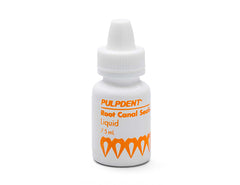
- Resin-Based Sealers — Two pastes mixed together, set by their own chemistry rather than by moisture.
- Temporary Filling Materials — Meant to come out again: it holds the access cavity closed between visits. In one study none of the materials tested stopped bacterial leakage completely.
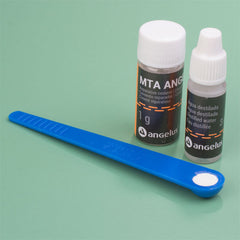
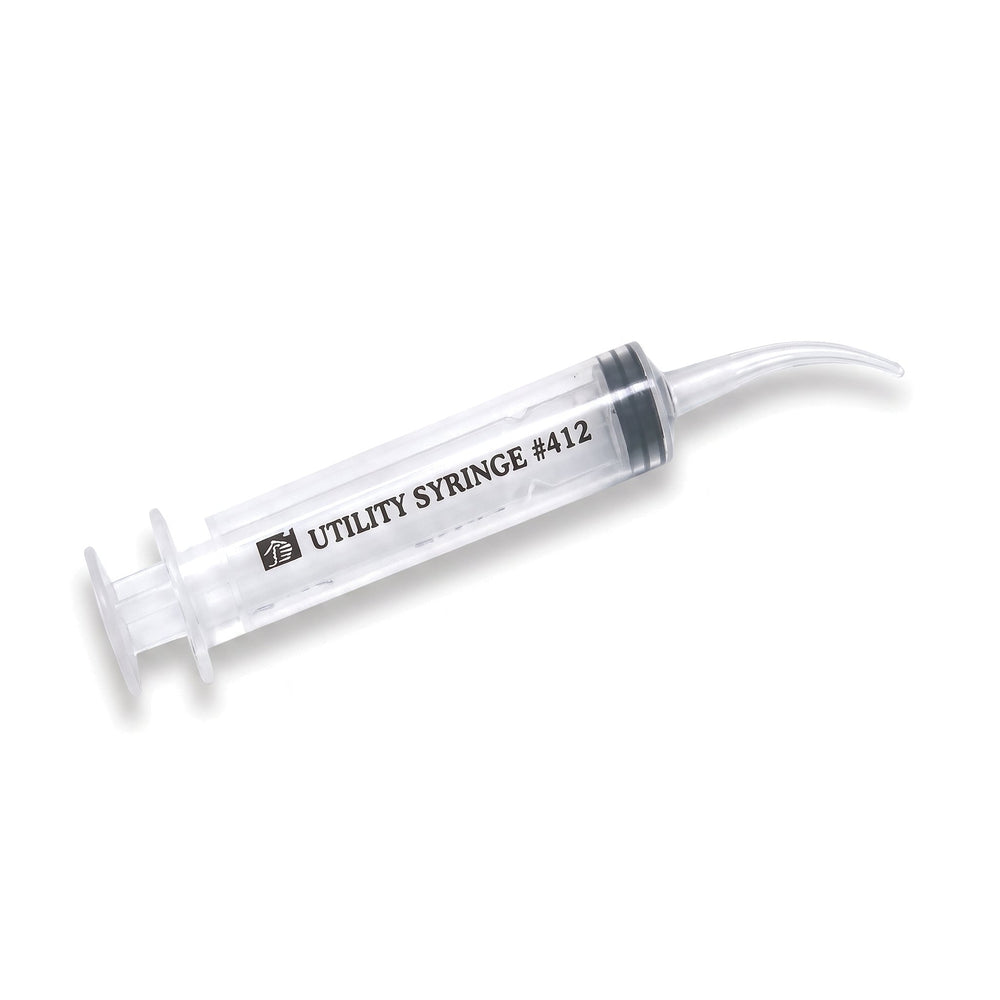
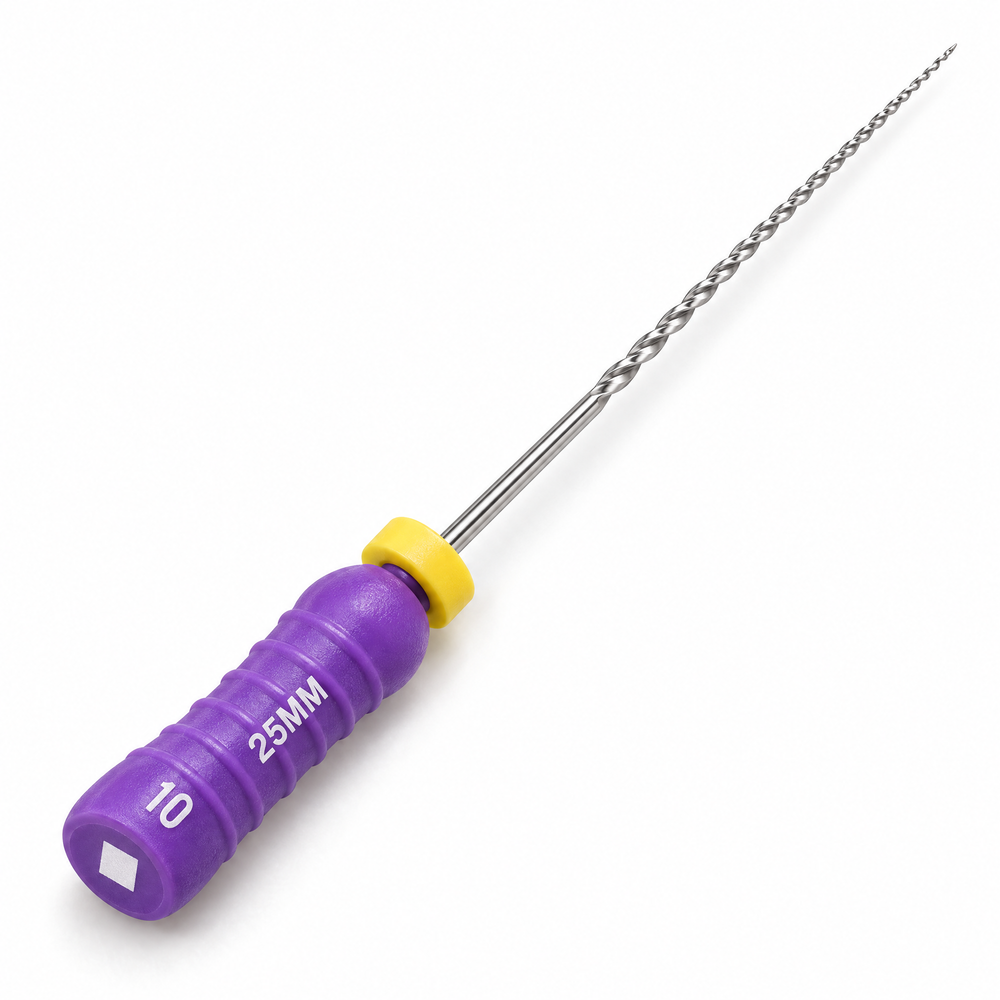
- MTA & Cement Accessories — The instruments that place the cement, rather than the cement.
- Kits — A root canal sealer and two calcium hydroxide pastes, filed under the kits name.
What to look at when choosing a sealer or cement
Setting: calcium silicate cements set on contact with water, and their setting time under wet conditions is about 40 to 120 minutes. That long setting time is named as one of their main drawbacks.
Radiopacity: a radiopacifying material is added to these cements so they can be told apart from the structures around them on a radiograph. Discolouration of the tooth with these cements is attributed mostly to oxidation of the heavy metal oxides in them, such as iron or bismuth.
Calcium release: a review describes these cements as the only dental materials that keep releasing calcium for a long time after they set in a moist place.
Sources: Comparison of the sealing ability of bioceramic sealer against epoxy resin based sealer: a systematic review and meta-analysis, 2023 (J Oral Biol Craniofac Res) · ISO 6876:2025, Dentistry — Endodontic sealing materials · FDA 21 CFR 872.3820, Root canal filling resin · FDA 21 CFR 872.3275, Dental cement · Comparative Evaluation of Efficacy of Gutta-Percha Removal in Root Canal Retreatment Using Manual and Rotary Instruments, 2025 (J Pharm Bioallied Sci) · An Updated Review on Properties and Indications of Calcium Silicate-Based Cements in Endodontic Therapy, 2022 (Int J Dent) · Bacterial microleakage of temporary filling materials used for endodontic access cavity sealing, 2016 (J Dent Sci) · Intracanal placement of calcium hydroxide: a comparison of a specially designed paste carrier technique with other techniques, 2013 (BMC Oral Health) · ISO 3630-4:2023, Dentistry — Endodontic instruments — Part 4: Auxiliary instruments
