

GingiPakShips in 3 business days
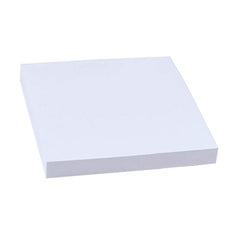
GingiPak Disposable Mixing Wells, 200/Pack · 2-well
SKU 112-0040MFR# 907
Wells
2-well
2-well$19.45
4-well$20.85
Disposable mixing wells for holding and mixing dental liquids and materials chairside, in two types: 2-well and 4-well. Each package contains 200 wells.
GingiPak Disposable Mixing Wells, 200/Pack is a mixing well from GingiPak.
This page carries 2 wells options: 2-well, 4-well.
Find it on our Chemicals & Solutions shelf, under Mixing & Dispensing Supplies.
Orders placed before 3 PM ET ship the same day when the item is on our shelf (otherwise within 3 business days), and ground shipping is free over $10.
Product
- Manufacturer
- GingiPak
- Manufacturer #
- 907
- Item code
- 112-0040
Catalog path
- Marketplace
- Laboratory
- Category
- Disposables
- Subcategory
- Mixing & Dispensing Supplies
Ordering
- Status
- Ships in 3 business days
More from Mixing & Dispensing Supplies
Stocked in the same subcategory.



RMH3 Dental
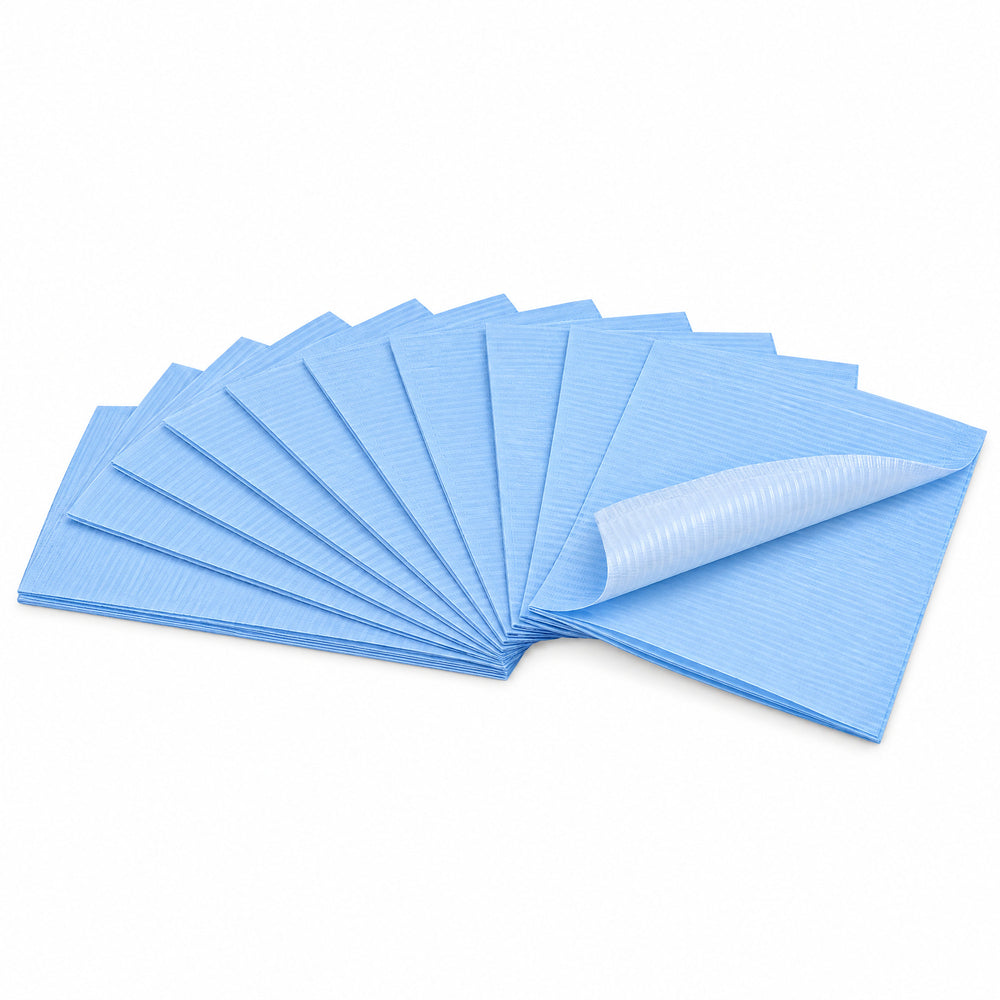
Patient Bibs, 13" × 18", 2-Ply Tissue + 1-Ply Poly — 500/Box
In stock
857 sold this monthfrom $14.18


RMH3 Dental
Disposable Micro Applicator Tips — 400/Box (4 × 100)
In stock
61 sold this monthfrom $9.64

Questions
What is it used for?
Disposable mixing wells for holding and mixing dental liquids and materials chairside, in two types: 2-well and 4-well.
Which wells options are on this page?
This page carries 2 wells options: 2-well, 4-well. Pick one to see its price, part number and stock.
When does it ship?
In-stock orders placed before 3 PM ET ship the same day; anything not on our shelf ships within 3 business days.Ground shipping is free over $10.
About mixing and dispensing accessories
Mixing sticks and dispensing accessories are the disposable wells, dishes, sticks and handles used to hold, mix and carry small amounts of material. A reusable container of dental material is a clinical contact surface on the CDC list, and such surfaces can go on to contaminate other instruments, devices, hands or gloves. The CDC says to use single-use devices for one patient only and dispose of them appropriately, and notes that most carry no reprocessing instructions from the maker.
This shelf holds the small chairside items that carry material to the tooth or hold it while it is mixed: brush applicators, cotton-tipped applicators, and disposable wells, dishes and sticks. The FDA describes a resin applicator as a brushlike device for spreading dental resin on a tooth during application of tooth shade material, and lists it as Class I (21 CFR 872.3140). An absorbent tipped applicator is a separate classification: an absorbent swab on a wooden, paper or plastic stick, used to apply medications to or take specimens from a patient, Class I (21 CFR 880.6025).
The CDC defines a single-use or disposable device as one designed to be used on one patient and then discarded, not reprocessed for use on another patient. It adds that single-use devices in dentistry are usually not heat-tolerant and cannot be reliably cleaned. Reusable containers of dental materials are on the CDC list of clinical contact surfaces, which can be contaminated by direct spray or spatter or by contact with gloved hands.
How microbrushes, cotton-tipped applicators and mixing accessories differ
- Microbrushes — Non-absorbent nylon microfibers on the end of a handle: they spread liquid rather than soak it up. One in-vitro study found residual fibers in every specimen, mostly on the outer cavity surfaces, the cavosurface margins and the axial walls.
- Cotton-Tipped Applicators — An absorbent swab on a wooden, paper or plastic stick. It soaks liquid up, where a microbrush tip is made of non-absorbent nylon microfibers.
- Mixing Sticks & Dispensing Accessories — These hold and mix the material that the applicators then carry.
What to look at when choosing applicators
Single use: the CDC says most single-use devices are labelled by the maker for one use only and have no reprocessing instructions, so they are used for one patient and disposed of.
Reach: the articulating joint on the handle is what lets the tip get to the part of the tooth being treated.
Shedding: one in-vitro study found that applicators of both brands tested released microscopic fibers that ended up in the adhesive layer, which the authors call an unrecognised source of contamination. A second study found microbrush bristle remnants on the bonded surface with both a self-etch and a total-etch adhesive, with no statistically significant difference between them. That study notes the adhesive seal may be compromised by the presence of any kind of residue.
Sterile or not: the CDC says single-use devices and items for use during oral surgical procedures should be sterile at the time of use.
Sources: FDA 21 CFR 872.3140, Resin applicator · FDA 21 CFR 880.6025, Absorbent tipped applicator · CDC, Guidelines for Infection Control in Dental Health-Care Settings — 2003 (MMWR 2003;52(RR-17)) · Miguel-Calvo et al., Comparative In Vitro Evaluation of Residual Fiber Contamination from Applicators in the Adhesive Interface (J Adhes Dent) · FDA 21 CFR 880.5300, Medical absorbent fiber · CDC, Summary of Infection Prevention Practices in Dental Settings: Sterilization and Disinfection · Padwal et al. 2025, Microbrush bristle remnants on the bonding surface using different adhesive systems (Dent Res J)
