


BegoShips in 3 business days
Bego Perlablast Glass Bead Blasting Media, 8 kg · 125 µm
SKU 011-0986MFR# 46043
Grit
125 µm
50 µm$91.08
125 µm$91.08
Bego Perlablast 125 MICRON8 KG-18 LBS Glass Beads. Designed for dental supply and lab use. MPN 46043.
Bego Perlablast Glass Bead Blasting Media, 8 kg is a glass bead from Bego.
This page carries 2 grit options: 50 µm, 125 µm.
Find it on our Abrasives, Buffs & Brushes shelf, under Sandblasting Media & Accessories.
Orders placed before 3 PM ET ship the same day when the item is on our shelf (otherwise within 3 business days), and ground shipping is free over $10.
Product
- Manufacturer
- Bego
- Manufacturer #
- 46043
- Item code
- 011-0986
Catalog path
- Marketplace
- Laboratory
- Category
- Abrasives, Buffs & Brushes
- Subcategory
- Sandblasting Media & Accessories
Ordering
- Status
- Ships in 3 business days
More from Sandblasting Media & Accessories
Stocked in the same subcategory.


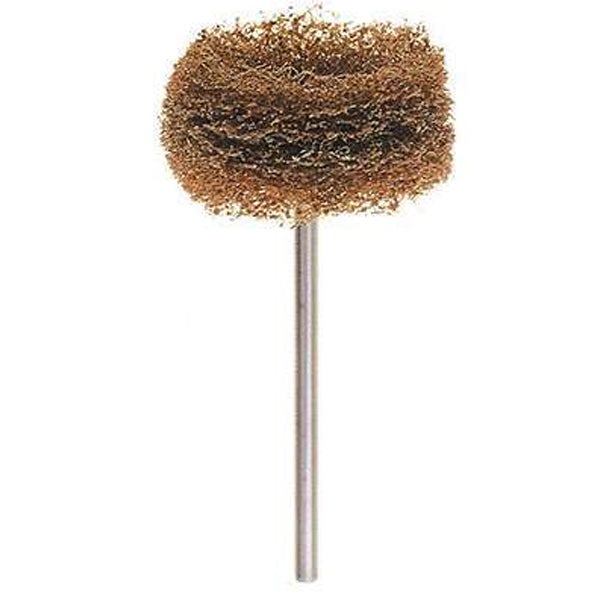
Keystone Industries
Keystone Scotch-Brite Miniature Brushes — 12/Pack
In stock
311 sold this monthfrom $18.82


Questions
What is it used for?
Bego Perlablast 125 MICRON8 KG-18 LBS Glass Beads.
Which grit options are on this page?
This page carries 2 grit options: 50 µm, 125 µm. Pick one to see its price, part number and stock.
When does it ship?
In-stock orders placed before 3 PM ET ship the same day; anything not on our shelf ships within 3 business days.Ground shipping is free over $10.
About glass bead blasting media
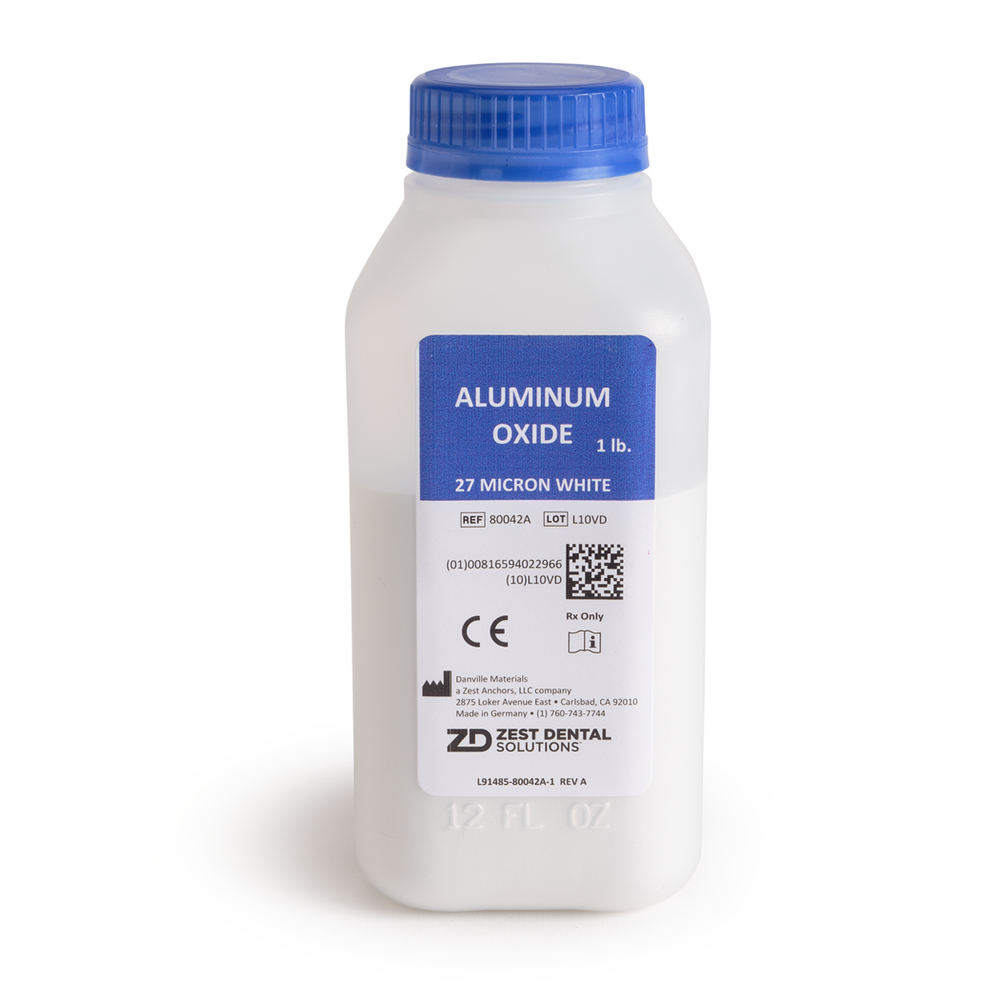
Glass bead blasting media has been suggested for air abrasion as a softer material than the sharp, hard alumina used for the same job. The same paper notes that alumina air abrasion leaves surface defects such as flaws, embedded alumina and microcracks.
Airborne-particle abrasion alters the surface of a material with abrasive particles propelled by compressed air or other gases. OSHA defines abrasive blasting as the forcible application of an abrasive to a surface by pneumatic pressure, hydraulic pressure or centrifugal force.
How aluminum oxide and glass beads differ
- Aluminum Oxide — Sharp and hard.
- Glass Beads — Softer than alumina.
What to look at when choosing blasting media
Particle: aluminum oxide for blasting castings is frequently 50 micrometres.
Dust: OSHA defines respirable dust as airborne dust in sizes capable of passing through the upper respiratory system to reach the lower lung passages.
Sources: The Glossary of Prosthodontic Terms, 9th edition (J Prosthet Dent 2017) · OSHA 29 CFR 1910.94, Ventilation (grinding, polishing and buffing operations) · Effect of airborne-particle abrasion protocols on surface roughness and bond strength (J Appl Oral Sci 2015) · Zirconia surface conditioning: alumina and glass-bead air abrasion compared (Sci Rep 2023)
