

Sold out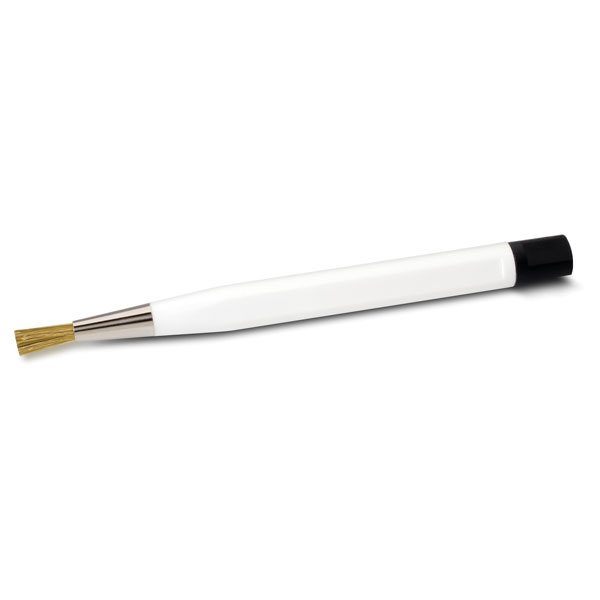
BechtSold out
Becht Bur Cleaning Brush, Brass Wire with Plastic Handle
SKU 075-0017MFR# 145
$24.23
· Sold out
Becht pro medix Bur and Diamond Cleansing Brush – Brass Wire, 0.08 mm, with Plastic Handle, 1 pc (Becht item REF 145) A brass-wire brush with a plastic handle for cleaning burs and diamonds. • Brass wire, thickness 0.08 mm • Plastic handle; length without the working part is 12 cm • Hardness is infinitely adjustable • Can be disinfected with Becht disinfecting wipes • Spare brass-wire tuft available separately (Becht REF 145.1) In the package: One brush. For use by a dental professional. Manufacturer: Alfred Becht GmbH, Offenburg, Germany.
Product
- Manufacturer
- Becht
- Manufacturer #
- 145
- Item code
- 075-0017
- UPC / Barcode
- 145
Catalog path
- Marketplace
- Clinical
- Category
- Burs & Diamonds
- Subcategory
- Bur Blocks & Cleaning
Ordering
- Status
- Sold out
More from Bur Blocks & Cleaning
In stock in the same subcategory. Not the same product — check the specs before you swap.



Questions
What is it used for?
Becht pro medix Bur and Diamond Cleansing Brush – Brass Wire, 0.08 mm, with Plastic Handle, 1 pc (Becht item REF 145) A brass-wire brush with a plastic handle for cleaning burs and diamonds. • Brass wire, thickness 0.08 mm • Plastic handle; length without the working part is 12 cm • Hardness is infinitely adjustable • Can be disinfected with Becht disinfecting wipes • Spare brass-wire tuft available separately (Becht REF 145.1) In the package: One brush.
When does it ship?
In-stock orders placed before 3 PM ET ship the same day. An item we don't keep on the shelf shows its own ship-by date on its page, and you can cancel it for a full refund until it ships.Ground shipping is free over $10.
About bur cleaning brushes
A bur cleaning brush is a stiff brush used to work debris out of a bur head before processing. Cleaning comes first because of how a bur is built: published guidance names burs among the devices whose physical construction makes cleaning difficult. Where cleaning is automated instead, an ultrasonic cleaner removes debris by cavitation, in which waves of acoustic energy disrupt the bonds holding particulate matter to surfaces. Guidance on hand cleaning says work practices should include a strainer-type basket to hold the instruments and forceps to take them out.
A bur block holds burs upright and separate; a bur brush scrubs the debris out of a used head before it is processed. Both exist because burs are hard to clean: published guidance says that because of the physical construction of devices such as burs, endodontic files and broaches, cleaning can be difficult. The same guidance says instruments should be placed in an appropriate container at the point of use, to prevent injuries during transport to the instrument processing area. Used burs are sharps, and guidance says to place them in an appropriate puncture-resistant container.
Guidance also notes that deterioration can occur on the cutting surfaces of carbide and diamond burs during processing and after repeated processing cycles, which is why it tells practices to consider hard-to-clean items as single-use disposables. A published review adds that residues left on an instrument can increase structural damage in materials such as burs and other rotary cutting instruments.
How bur blocks and bur cleaning brushes differ
- Bur blocks — Holds and carries the burs; it does not clean them.
- Bur cleaning brushes — Takes the debris off a used head; it is not where the burs live between cases.
What to look at
Material of the block: published guidance says to follow the maker instructions for cleaning and sterilizing or disinfecting items that become contaminated but do not normally contact the patient, burs and polishing points among them.
Heat: unsaturated chemical vapour sterilization of carbon steel instruments causes less corrosion than steam because of the low level of water present during the cycle, and dry heat is used for materials that might be damaged by moist heat. A review notes that the effectiveness of chemical vapour depends on the instruments being completely dry before the process starts.
Laboratory work: guidance says that if laboratory items such as burs, polishing points or rag wheels are used on contaminated or potentially contaminated appliances or prostheses, they should be heat-sterilized, disinfected between patients, or discarded.
Handling: guidance says work practices can include removing burs before the handpiece is taken off the dental unit.
Sources: CDC, Guidelines for Infection Control in Dental Health-Care Settings — 2003 (MMWR 52(RR-17)) · Salas Orozco et al. 2025, Sterilization and Disinfection: Ensuring Infection Control in Dental Practices (Cureus)
